




Blue White Decorative Platter
A blue white decorative platter brings cobalt colour and lively pattern to a wall or table, drawing the eye instantly.
Blue White Decorative Platter
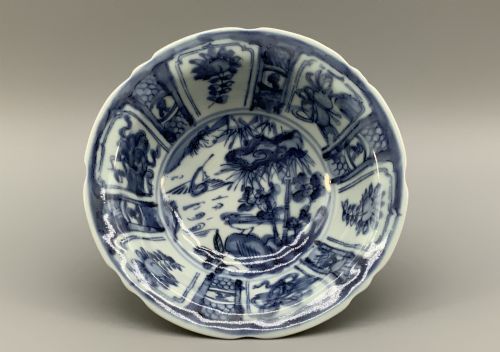
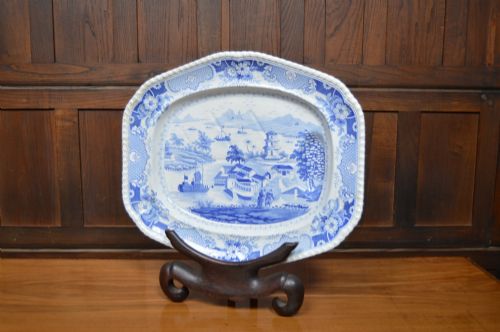
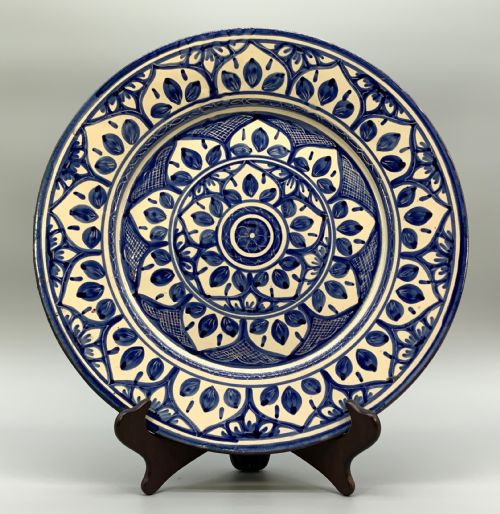
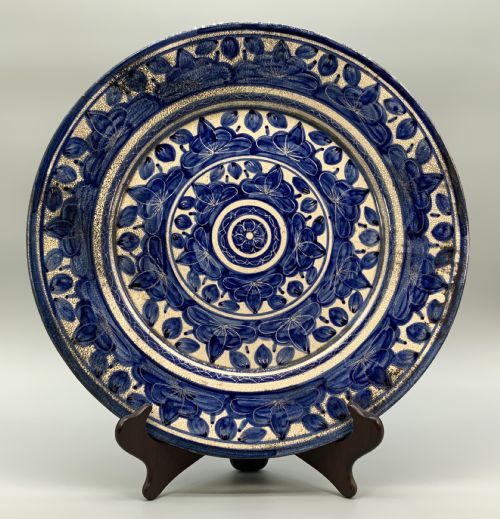
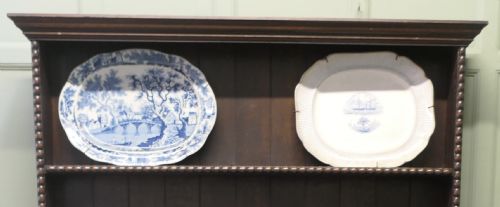
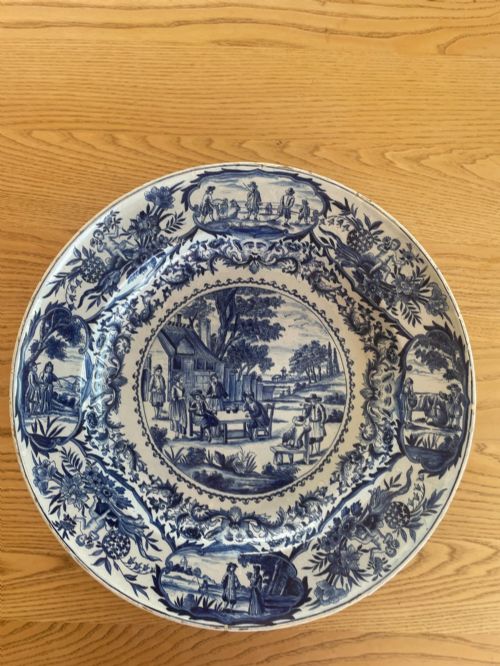
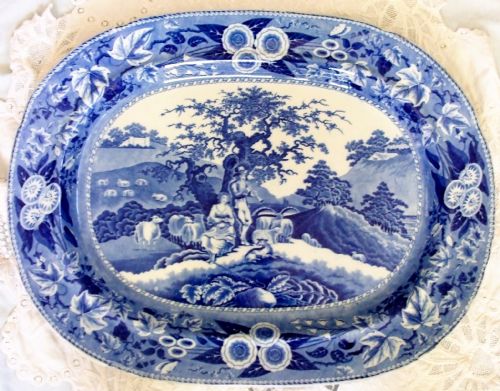
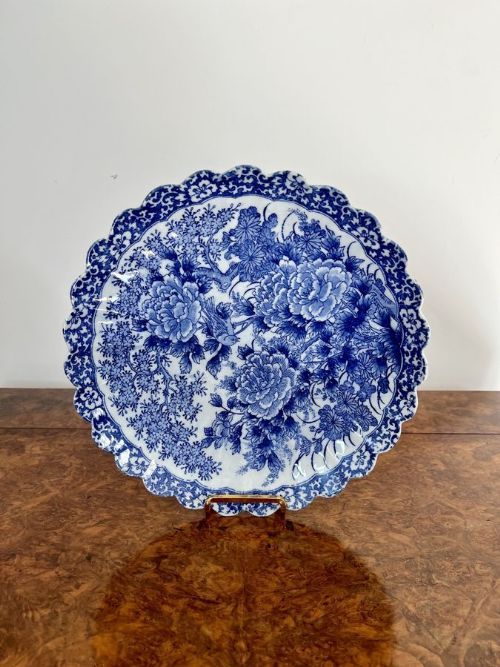
A blue white decorative platter spans centuries of ceramic history, taking the form of large chargers, serving platters, and shallow dishes meant for display or service. You will encounter English transferware, Chinese porcelain, Japanese Imari, and European delftware when searching this phrase.
The objects originate from diverse periods ranging from the eighteenth century through the Victorian era to the mid-twentieth century. English potteries, Chinese kilns, and Japanese workshops all produced these pieces to satisfy a lasting demand for contrasting cobalt pigment on white clay bodies.
Serving platters and chargers dominate the selection, offering broad surfaces that showcase complex pictorial scenes, botanical motifs, and scrolling foliate borders. These items function equally well mounted on walls or presented flat on furniture surfaces.
Materials and methods of production
Potters built these wares using earthenware, stoneware, pearlware, and porcelain, applying white glazes to create smooth grounds for decoration. Cobalt oxide served as the primary pigment, yielding deep blue tones under high kiln temperatures.
Makers applied designs through hand painting with fine brushes or by transferring engraved patterns onto the clay body using paper tissues. Firing techniques determined the brilliance of the glaze and the crispness of the cobalt decoration against the white background.
Listings span earthenware, porcelain, pearlware, and stoneware bodies decorated with cobalt glaze, enamel, and transfer printing.
Assessing quality and execution
Quality rests upon the clarity of the cobalt pigment and the precision of the brushwork or transfer printing. Finer examples display sharp outlines, balanced compositions, and carefully rendered borders that frame the central motif without crowding.
The physical weight, the thinness of the porcelain or earthenware body, and the smoothness of the glaze surface separate everyday utility pieces from ambitious decorative chargers. Superior specimens maintain structural stability across wide diameters while preserving delicate forms such as lobed rims or barbed edges.
John Ridgway·Stubbs·Minton·Spode·Don Pottery
The Blue White Decorative Platter Glossary
- Charger
- A large decorative plate or platter traditionally used for ceremonial service or wall display. These pieces usually measure over thirty centimetres in diameter.
- Transferware
- Pottery decorated by pressing a paper design inked with cobalt onto the biscuit ceramic surface. This technique allowed intricate topographical and pictorial scenes to be replicated reliably.
- Imari
- Japanese porcelain decorated in underglaze blue and overglaze iron red and gold. The style originated in Arita and heavily influenced European ceramic design.
- Delftware
- Tin-glazed earthenware produced in the Netherlands and England, imitating Chinese porcelain. The opaque white glaze absorbs cobalt pigment softly during the firing process.
- Biscuit
- Unglazed ceramic fired once in the kiln before the application of glaze and subsequent firing. This porous state prepares the body to receive pigment.
Blue White Decorative Platter: Frequently Asked Questions
How do I hang a heavy charger?
Heavy chargers require secure wall mounting systems that distribute weight evenly across the base and rim without exerting pressure on a single point. Spring-loaded brass hangers designed specifically for antique plates provide reliable support.
Ensure the mounting hook fixes directly into wall studs or uses appropriate masonry anchors rather than standard plasterboard fixings. Check the fit periodically to maintain stability.
Can I use these platters for food?
Many older platters served food originally, particularly nineteenth-century meat dishes featuring gravy wells and durable transfer-printed earthenware bodies. However, historical glazes may contain lead, and old hairlines can harbour bacteria.
Modern dining use is best avoided for eighteenth-century pieces or delicate porcelain, reserving them instead for visual enjoyment. Meat dishes from later periods remain structurally sound for occasional presentation use if handled carefully.
How do I tell transferware from hand painting?
Examine the surface under a magnifying glass to check for the fine dot matrix or stippled lines characteristic of copperplate transfer printing. Hand-painted decoration reveals varying brushstroke densities and slight irregularities in the pigment.
Transfer-printed lines appear uniform in thickness, whereas painted lines swell and taper naturally with the movement of the artist's hand.