

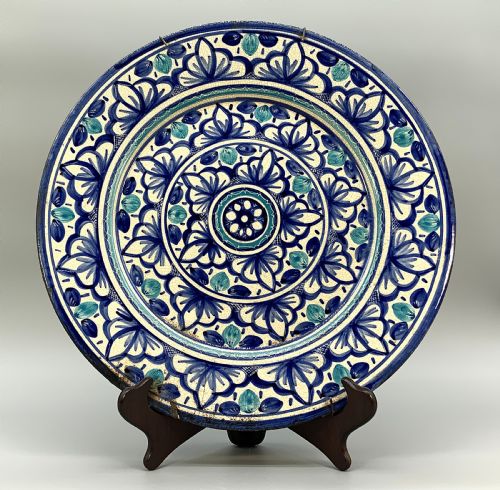
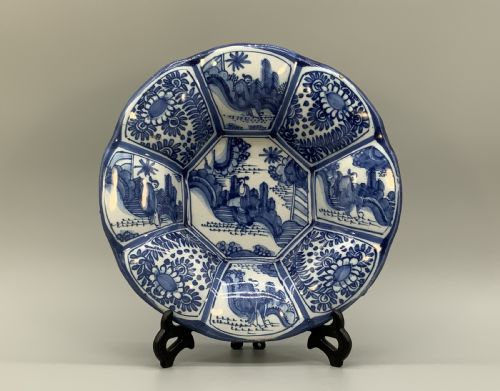
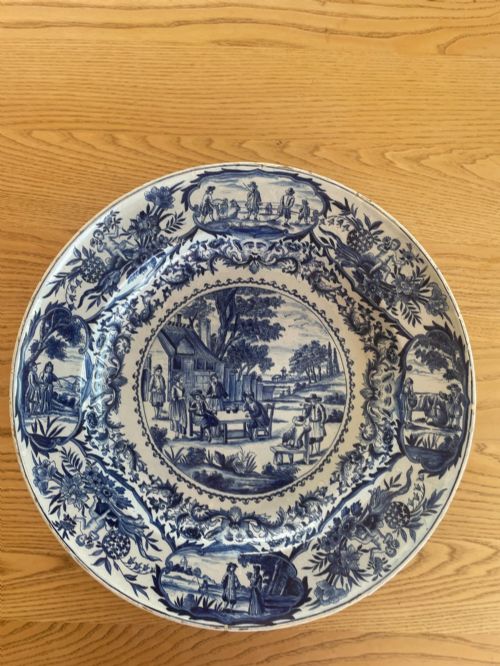
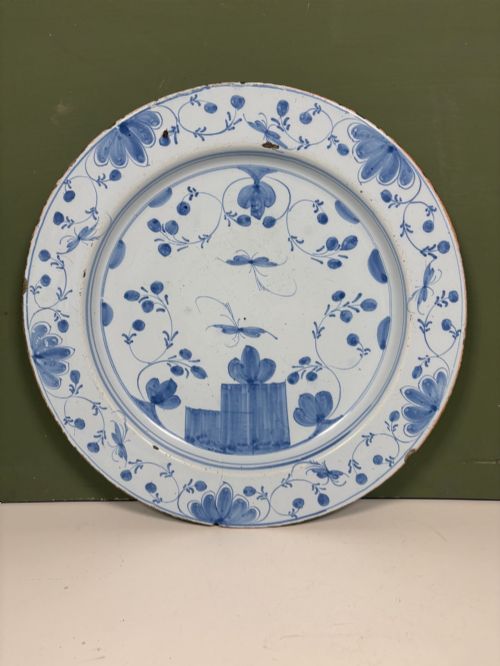
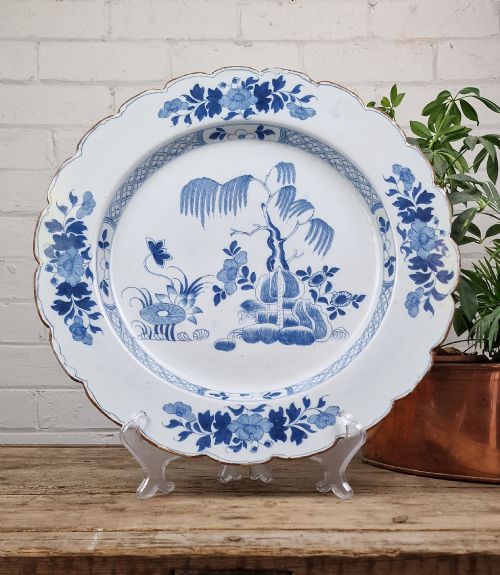


Blue White Delft Platter
A blue white delft platter brings the depth of tin-glazed earthenware and cobalt pigment directly to your table or wall.
Blue White Delft Platter
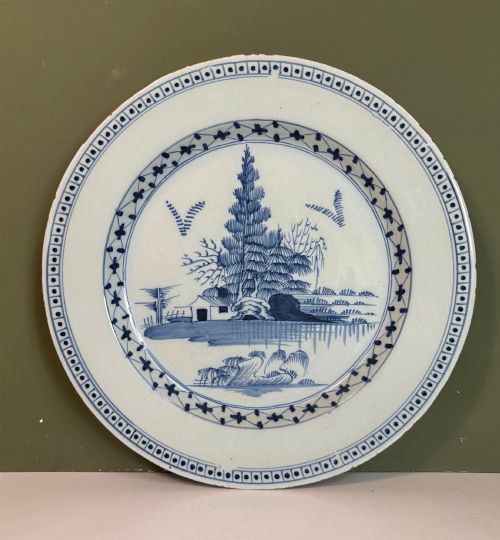
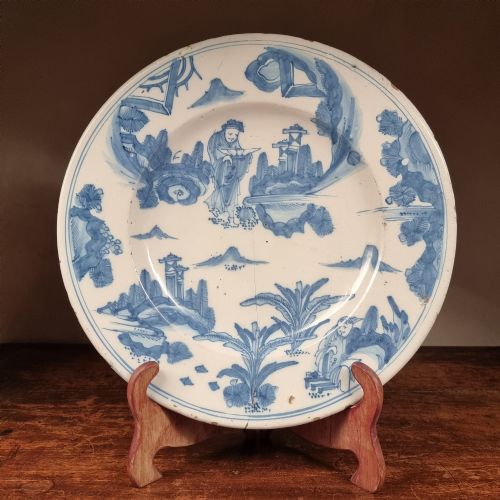
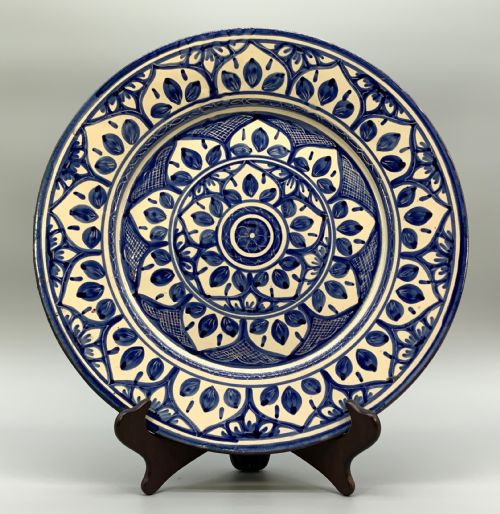
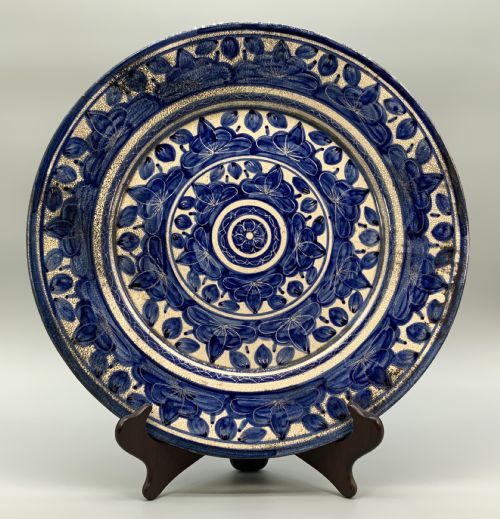
When you search for a blue white delft platter, you encounter substantial circular vessels designed for display or service. The pieces meeting this description span several centuries, originating from English and continental workshops.
The assortment includes Dutch Baroque styles, Kraak influences, and vernacular British forms. Each object carries the distinct hand of its maker through painted cobalt decoration upon a white tin glaze.
Materials and methods
Potters shaped these objects from earthenware bodies, which were then coated in a rich tin glaze to create an opaque white surface. This absorbent glaze received hand-painted motifs executed in cobalt pigment.
The painted pieces underwent high-temperature firing, fusing the cobalt oxide into the glaze to achieve deep blue tones. Workshops utilised traditional ceramic techniques that date back to the seventeenth century and earlier.
The listings span from the seventeenth century through to the mid-twentieth century, featuring earthenwares with cobalt glaze.
Judging the work
Distinctions in quality rest upon the crispness of the cobalt brushwork and the stability of the tin glaze. Early eighteenth-century examples often demonstrate superior pigment control compared to later adaptations.
The density and weight of the earthenware body contribute to a piece's presence. Finer platters exhibit balanced proportions and deliberate compositions within their painted scenes.
Van Genden·De Witte Ster
The Blue White Delft Platter Glossary
- Tin-Glazed Earthenware
- Earthenware pottery covered with a white lead glaze opacified with tin oxide. This surface provided an ideal canvas for blue cobalt painting.
- Charger
- A large decorative plate or platter intended primarily for display on a wall or dresser rather than dining use. These large formats showcase complex painted narratives.
- Cobalt Pigment
- A metallic oxide used to achieve deep blue colouring under the glaze during firing. It reacts with heat to produce varied shades from pale slate to vibrant indigo.
- Kraak Style
- A Chinese porcelain aesthetic featuring panelled borders and central motifs, heavily imitated by European delftware potteries. The style gained popularity during the seventeenth century.
- Dutch Baroque
- An artistic period and style reflected in the swirling borders and robust forms of certain continental platters. It emphasises movement and theatrical presence.
Blue White Delft Platter: Frequently Asked Questions
Were these platters used for food?
Most large chargers served primarily as decorative wall plates or centrepieces during feasts rather than daily tableware. Their size and tin-glazed surfaces made them valuable objects for display in prominent rooms.
Over time, collectors shifted these pieces from functional dining contexts to dedicated wall mounting or cabinet display. Their weight and painted decoration suit vertical presentation.
How do I hang a heavy charger?
Hanging a large earthenware platter requires a secure, professionally fitted spring-loaded plate hanger that grips the rim evenly. Ensure the wall fixing supports the dead weight of the ceramic body.
Avoid wire methods that rely on adhesive pads or tension without frame support. Regular checks of the hanging hardware protect the piece from accidental slips.
How do I tell English from Dutch delft?
English delftware frequently employs a pinkish or buff earthenware body beneath a softer glaze, while Dutch pieces often use a cleaner, paler fabric. Brushwork styles also differ, with English painters adopting a looser hand.
Examining the foot rim and the back of the platter reveals clues regarding the firing spurs and clay composition characteristic of specific regional potteries.
What causes crazing on these platters?
Crazing occurs when the glaze contracts at a different rate than the underlying earthenware body, creating a fine network of surface lines. Age and environmental temperature changes contribute to this natural ageing process in tin-glazed ceramics.
This network of lines is a common characteristic of antique earthenware and forms part of the physical history of the object rather than a structural failure.