
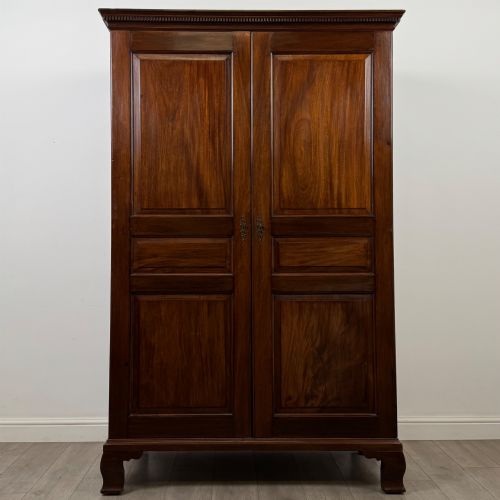
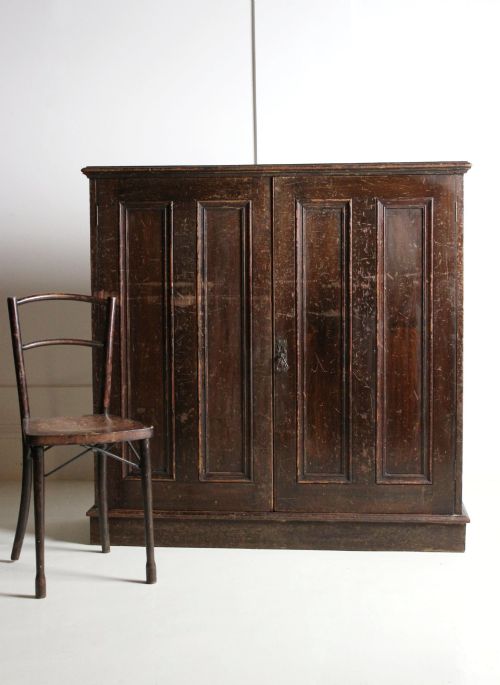
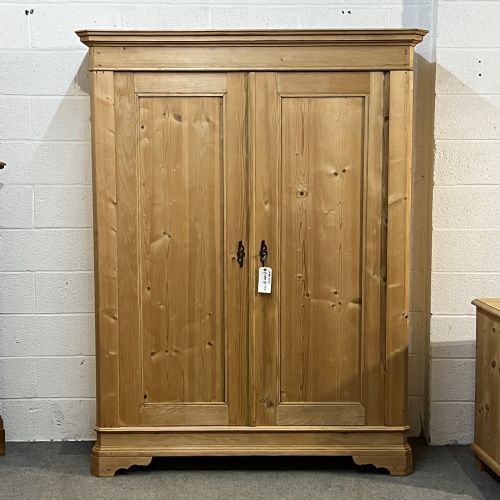
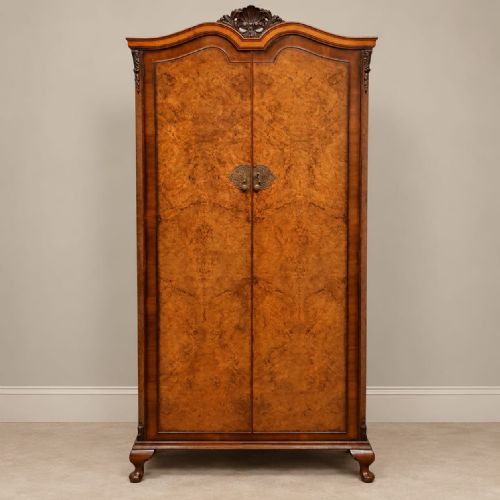
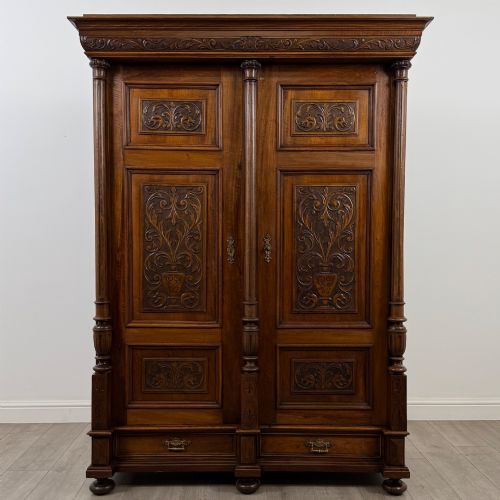
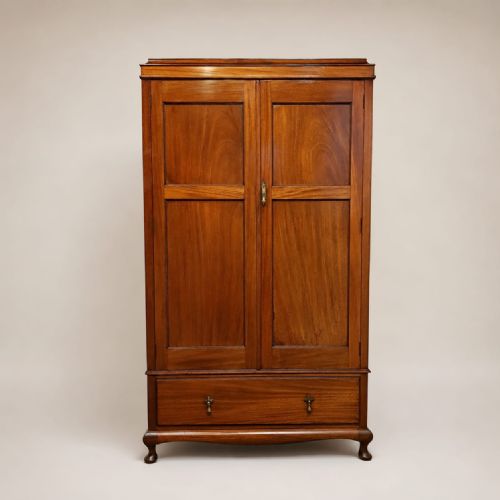
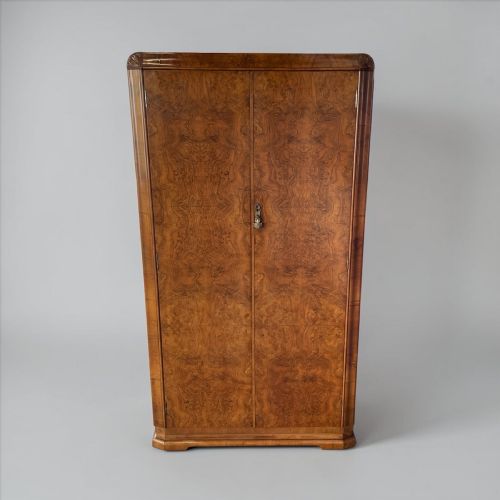
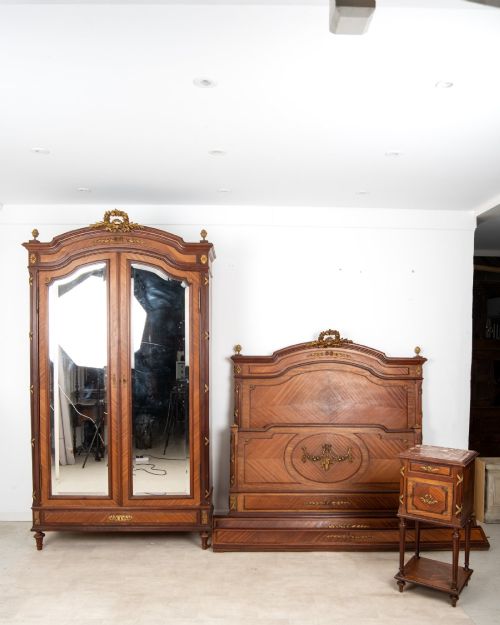
Vintage Double Door Wardrobe
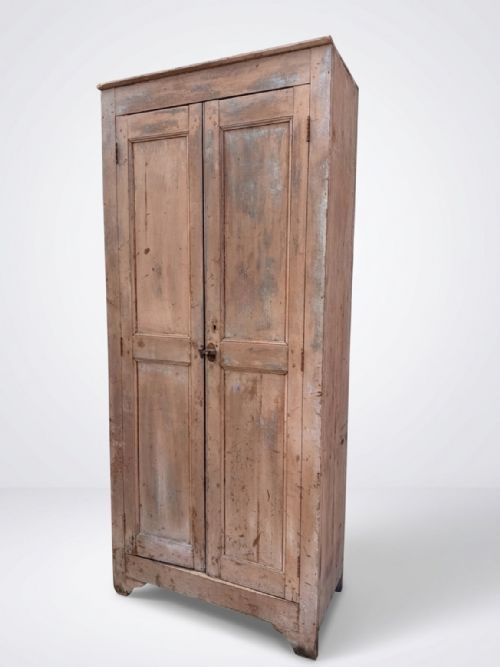
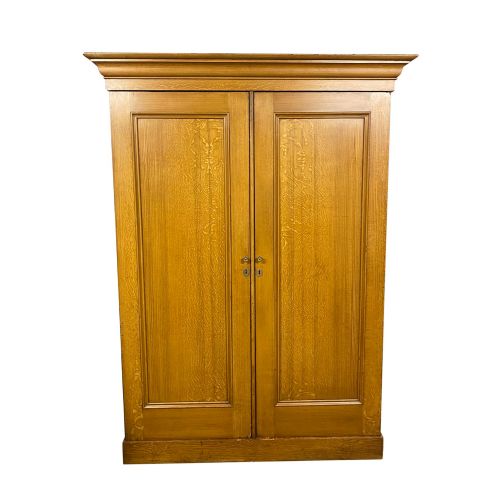
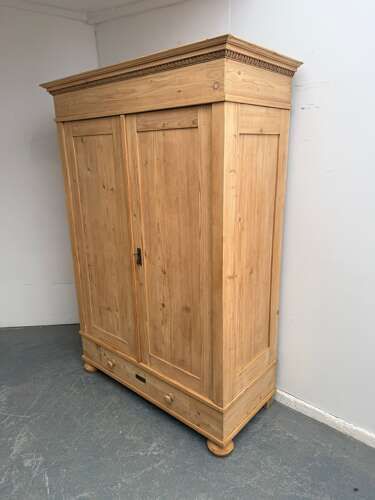
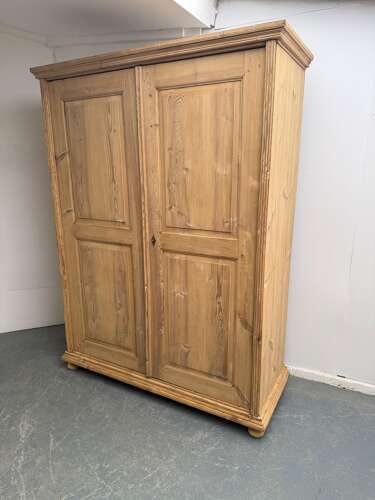
A vintage double door wardrobe provides substantial bedroom storage through classic timber construction.
Vintage Double Door Wardrobe
A vintage double door wardrobe brings traditional storage into a modern bedroom while offering substantial interior capacity for garments and linens. Buyers seeking a vintage double door wardrobe encounter pieces spanning the eighteenth, nineteenth, and twentieth centuries, reflecting changing domestic needs over time.
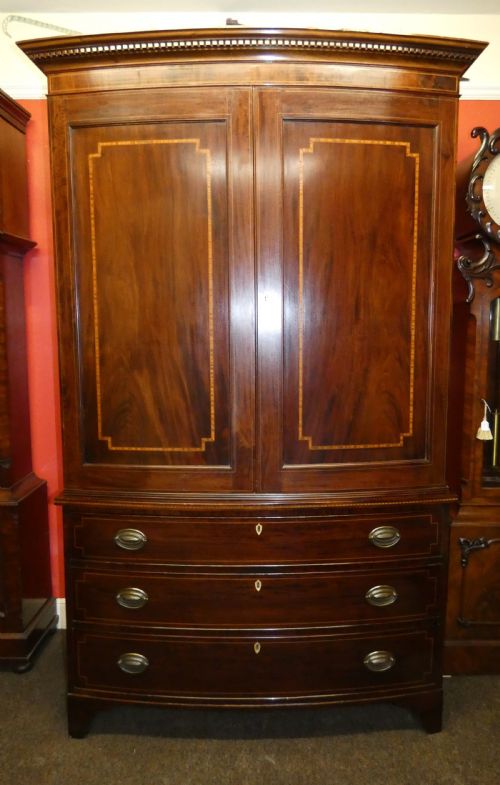
The selection ranges from large pine knockdown presses to compactum designs and refined mahogany armoires. Pieces emerge from diverse traditions, including English cabinetmaking, French provincial workshops, and Art Deco design studios.
Tall proportions and dual doors dominate the form, often concealing hanging space, shelving, or internal drawers. Buyers find both natural wood finishes and painted surfaces across these domestic storage items.
Materials and construction methods
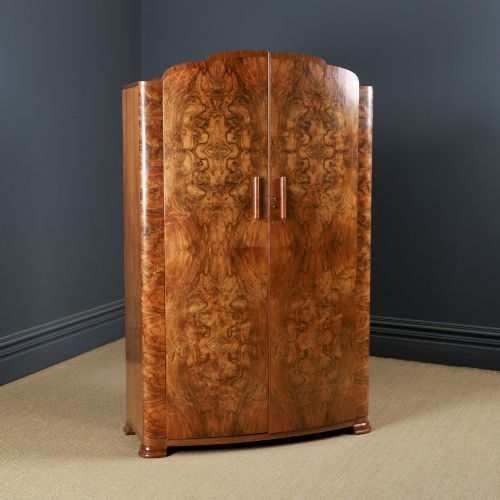
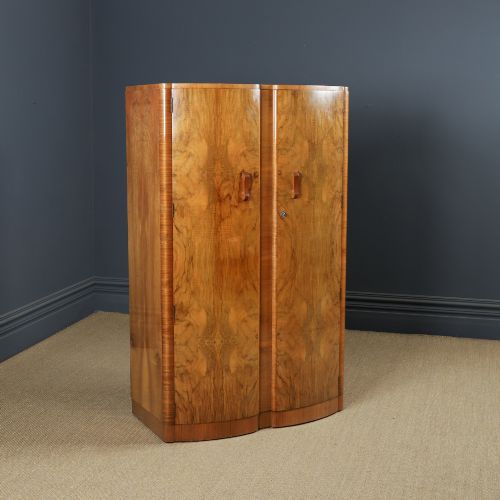
Cabinetmakers utilised timber construction, pairing solid woods such as oak, pine, and mahogany with decorative veneers like burr walnut and flame mahogany. Glass, brass, and iron appear in mirrors, handles, and internal hardware.
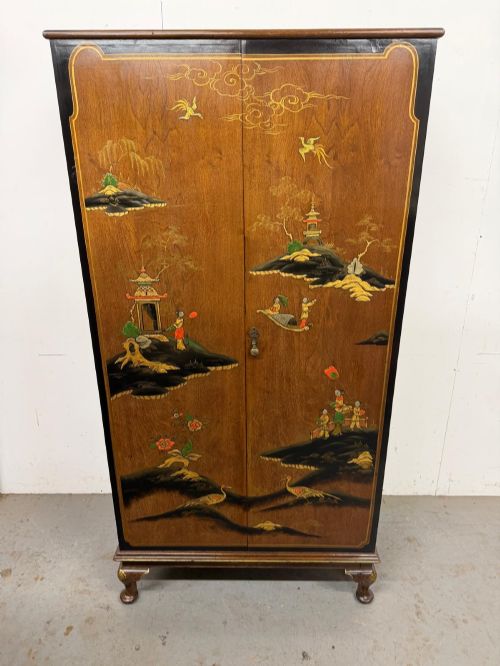
Joinery methods included knockdown frames designed for transport alongside fixed panel construction. Surface treatments range from clear wax finishes and French polishing to painted scumble effects and Chinoiserie lacquer.
Some nineteenth-century pine wardrobes retain the pencil marks of Victorian workshop assemblers hidden inside their knockdown joints.
Distinctions in construction and finish
Quality rests upon the selection of timber and the execution of veneers, where highly figured burr walnut or flame mahogany indicates superior initial intent. Solid secondary woods and robust internal fitting further separate standard utilitarian cupboards from finer bedroom furniture.
The refinement of carved details, original brass hardware, and the survival of specialised internal components such as sliding linen trays define the upper tiers of craftsmanship. Construction integrity, particularly in knockdown joints and door alignment, determines structural longevity.
HARRIS LEBUS
The Vintage Double Door Wardrobe Glossary
- Compactum
- A fitted wardrobe containing a combination of hanging space, drawers, and shelving within a single unit. These pieces maximise interior organisation.
- Knockdown
- Furniture constructed to be dismantled into separate panels for ease of transport and assembly. This technique was common in large nineteenth-century pine wardrobes.
- Linen press
- A tall cupboard featuring upper shelving enclosed by doors, positioned above a base of pull-out drawers. They were originally designed for storing household textiles.
- Scumble
- A decorative paint technique used to imitate the grain of more expensive hardwoods like oak. Artisans applied translucent glazes over a lighter base coat.
- Armoire
- A large upright cupboard or wardrobe of continental European origin. They typically feature deep proportions and substantial double doors.
Vintage Double Door Wardrobe: Frequently Asked Questions
How do I assemble a knockdown wardrobe?
Knockdown wardrobes utilise interlocking panels, wooden pegs, or internal bolts that allow the main sections to separate for transport. Owners assemble them on-site by slotting the sides, base, and cornice together around the back panels before hanging the doors.
Careful alignment of the frame on level flooring ensures the double doors swing properly without catching on the base or top cornice.
What is a compactum wardrobe?
A compactum is a multi-functional wardrobe that combines hanging compartments with banks of internal drawers and linen shelves. This design integrates several bedroom storage needs into one footprint.
Buyers often find compactum configurations in Edwardian and Art Deco pieces where interior space optimisation became a priority.
How do I maintain waxed pine furniture?
Waxed pine surfaces require periodic application of traditional beeswax to nourish the wood and maintain a protective barrier against moisture. Regular dusting with a soft cloth prevents dirt accumulation in the grain.
Avoiding direct sunlight and excessive heat sources prevents the timber from drying out or splitting over time.
Can I paint an antique wardrobe?
Many pine and hardwood wardrobes historically received coats of paint, scumble work, or lacquer finishes. Owners frequently choose to paint unpolished pine pieces to match modern interiors.
Applying breathable paints over suitable primers allows the historic timber to adjust to ambient room conditions without trapping moisture.