
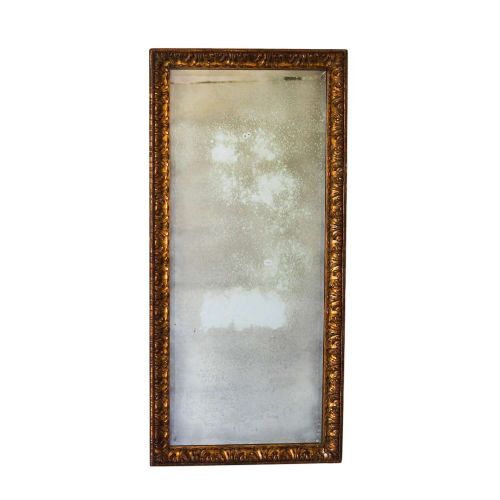
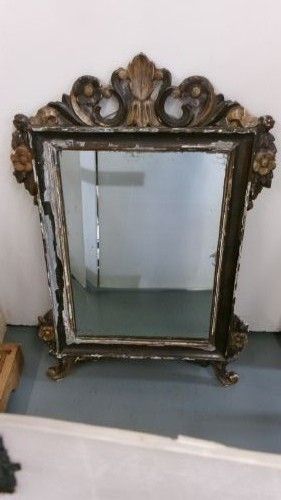


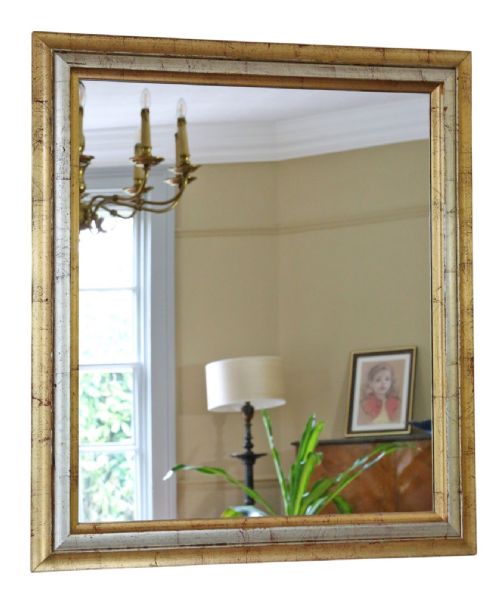


Vintage Distressed Wall Mirror
A vintage distressed wall mirror brings aged character and reflective depth into a room, grounded in centuries of decorative tradition.
Vintage Distressed Wall Mirror
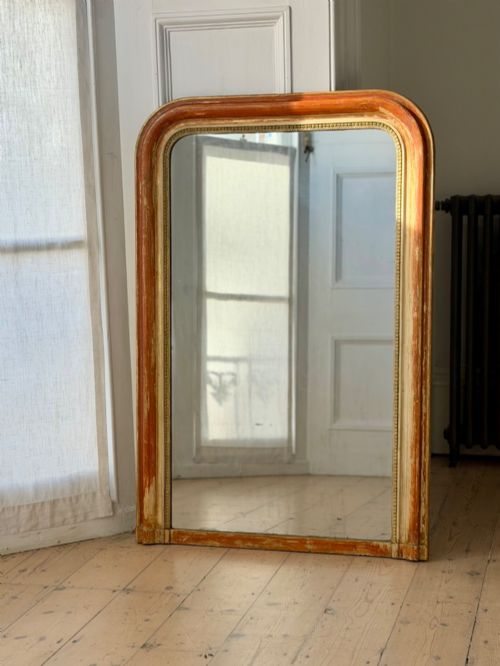
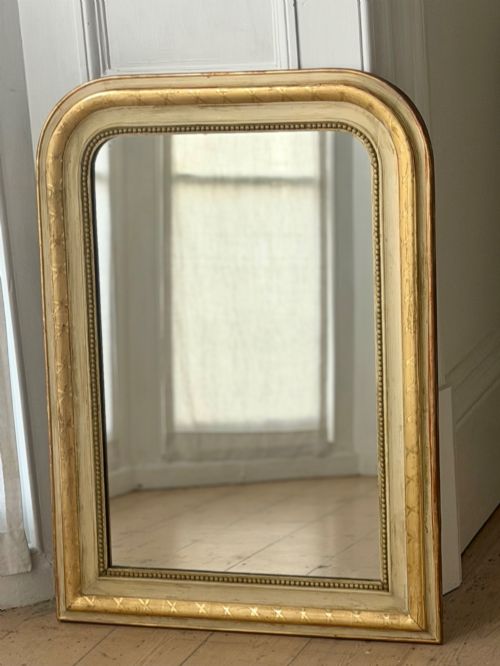
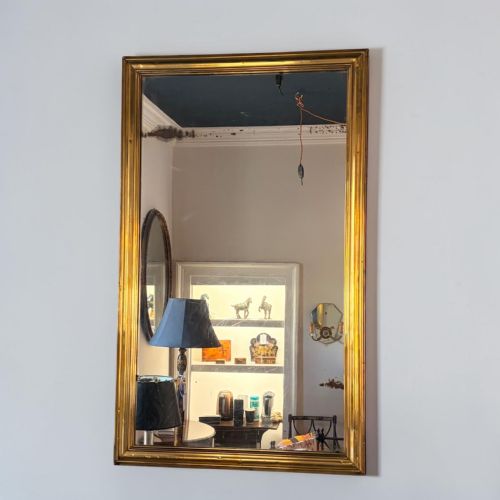
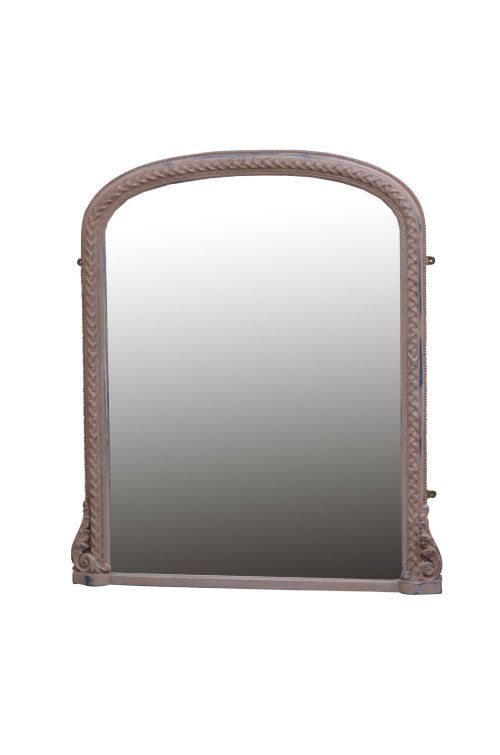
A vintage distressed wall mirror encompasses a range of decorative looking glasses originating from the eighteenth, nineteenth, and early twentieth centuries. These pieces appear in forms such as grand overmantel mirrors, tall pier glasses, and carved wood wall mirrors.
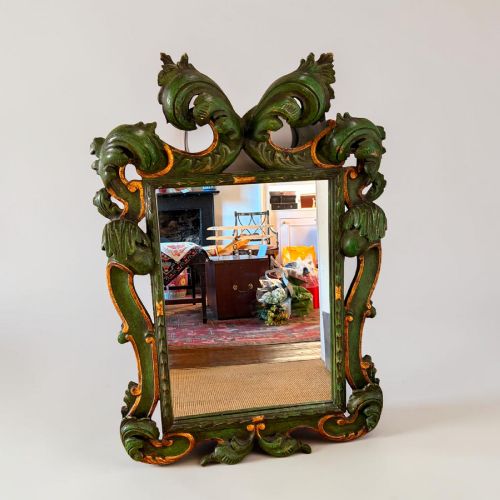
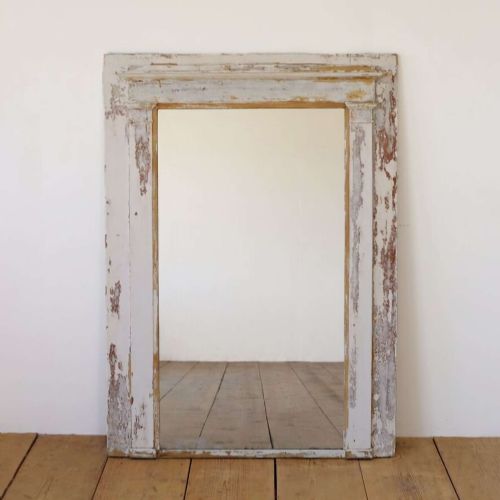
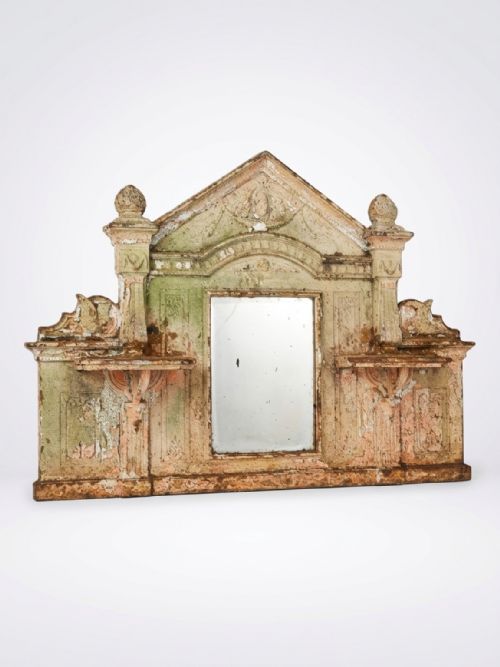
The selection here draws heavily from French provincial and Italian rococo traditions, alongside English Victorian designs. Buyers encounter architectural salvage pieces, arched top frames, and painted wood surfaces that show authentic signs of age.
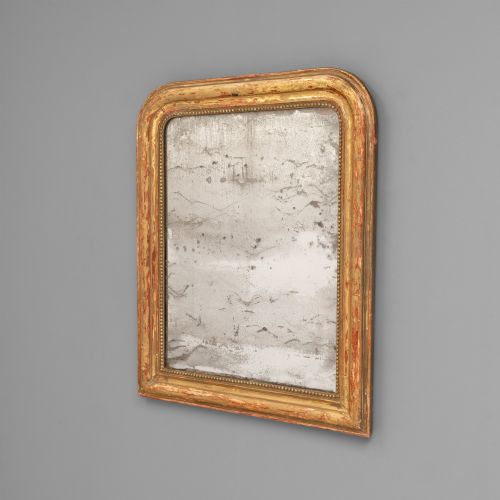
Many examples utilise distressed or foxed plates alongside original mercury glass. These variations give each looking glass a distinct visual texture that modern reproductions cannot replicate.
How they were made
Craftsmen built these frames using carved wood and applied gesso, often finishing the surfaces with gold leaf, paint, or layered pigments. Carvers shaped timber into intricate moulding, columns, and scrollwork before applying decorative finishes.
Mirror plates were produced using traditional silvering methods or mercury backing, which darkens and oxidises over decades. This chemical breakdown creates the characteristic foxing and spotting valued by collectors.
What varies in quality
The distinction between tiers rests upon the depth of hand-carved detail in the wooden frame and the integrity of the original plate. Superior examples display crisp moulding in the gesso and harmonious proportions that suit grand architectural spaces.
Subtlety in the painted or gilt surface treatment separates standard decorative pieces from exceptional works. The interaction between an aged frame and an untouched mercury glass plate dictates the overall visual impact.
The Vintage Distressed Wall Mirror Glossary
- Foxed glass
- Mirror plates showing dark spots and mottled discoloration caused by the degradation of the backing over time. This natural ageing process creates a soft, hazy reflection.
- Mercury glass
- Looking glass manufactured by applying a tin and mercury amalgam to the rear of the glass plate. This historical technique produces a deep, dark reflective quality.
- Gesso
- A plaster-like mixture applied to carved wooden frames to create a smooth surface for gilding or painting. It allows craftsmen to model sharp relief details.
- Overmantel mirror
- A large horizontal looking glass designed specifically to hang above a fireplace mantel. These frames often anchor the proportions of a reception room.
- Trumeau mirror
- An antique wall mirror combined with a painted panel or carved artwork set into the upper section of the frame. These pieces originated in grand European interiors.
Vintage Distressed Wall Mirror: Frequently Asked Questions
How do I hang a heavy overmantel mirror?
Large timber and gesso frames require secure wall fixings directly into structural studs or masonry. Professional mirror hangers utilise heavy-duty brackets to support the substantial weight safely.
Position the frame at a height that reflects natural light from windows rather than blank ceilings. This ensures the glass functions properly within the room's proportions.
What causes dark spots on antique mirror glass?
Atmospheric moisture and airborne pollutants slowly penetrate the protective backing behind the glass over decades. This chemical reaction breaks down the silver or mercury layer, producing the characteristic foxed spots.
These irregularities confirm the age of the plate and contribute to the decorative appeal of period pieces. Collectors prize untouched plates showing this natural deterioration.
Are these frames made of solid wood?
Most frames combine a solid timber carcass with applied gesso mouldings to achieve intricate decorative relief. Artisans carved the primary wooden structure before adding plaster layers for fine detailing.
This construction method allowed makers to produce elaborate Italian rococo and French provincial designs without excessive weight. The underlying timber provides structural stability for the heavy glass.
How do I clean foxed glass safely?
Wipe the surface gently with a dry microfibre cloth to remove dust without disturbing the fragile plate. Avoid commercial chemical cleaners that might seep behind the edges and accelerate backing degradation.
Water should be used sparingly, if at all, to prevent moisture from reaching the vulnerable silvered or mercury rear surface. Careful maintenance preserves the historic appearance of the glass.