
Vintage Display Pedestal
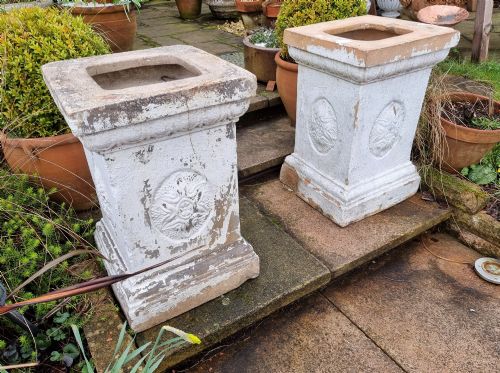
A vintage display pedestal elevates sculpture, flora or precious objects to catch the eye and anchor a room.
Vintage Display Pedestal
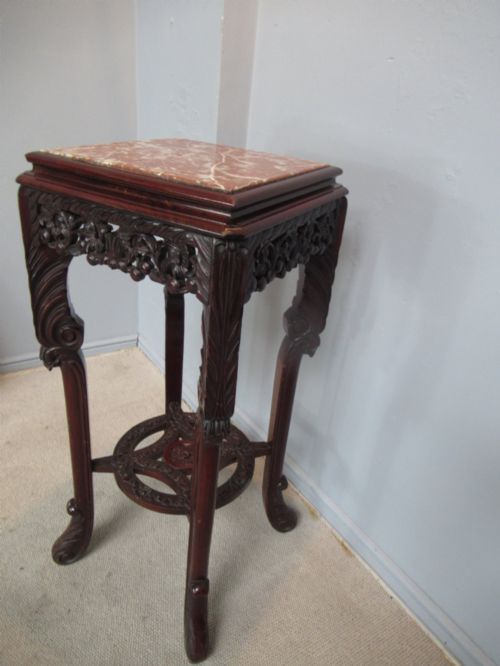
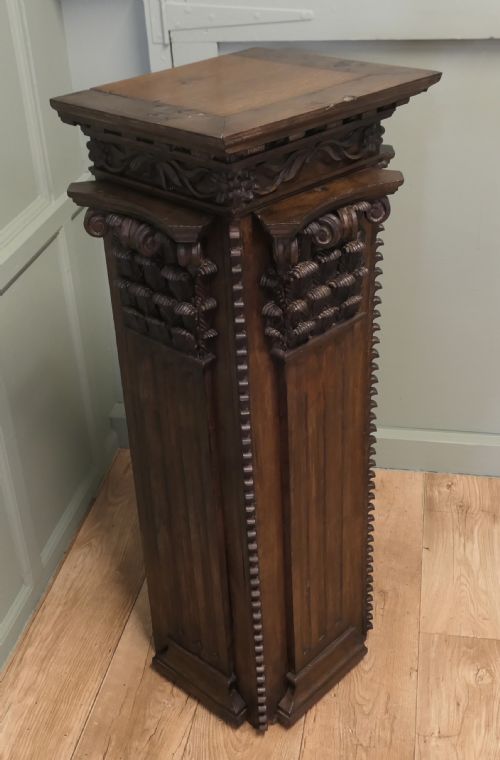
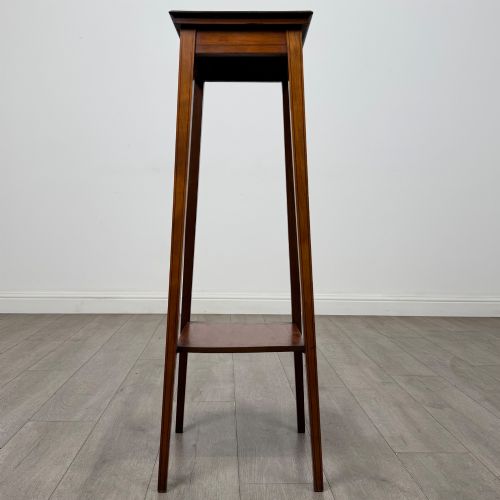
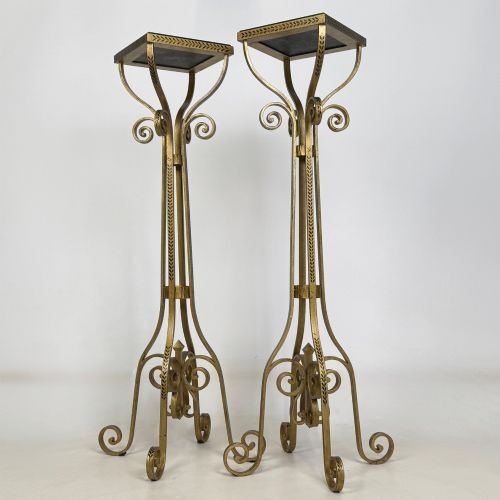
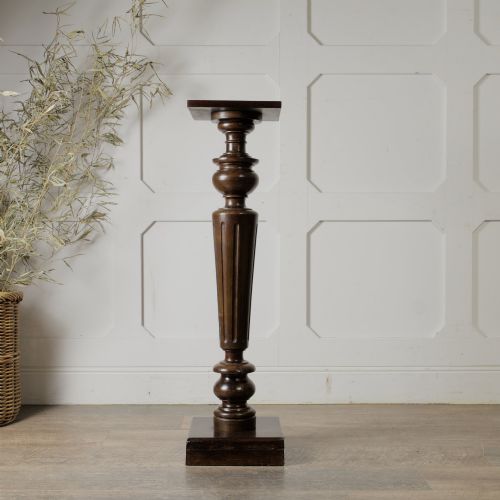
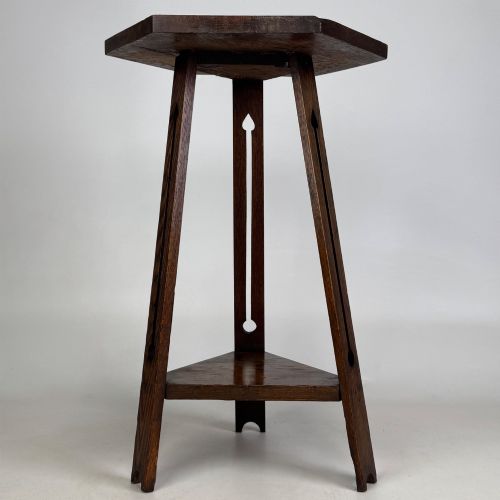
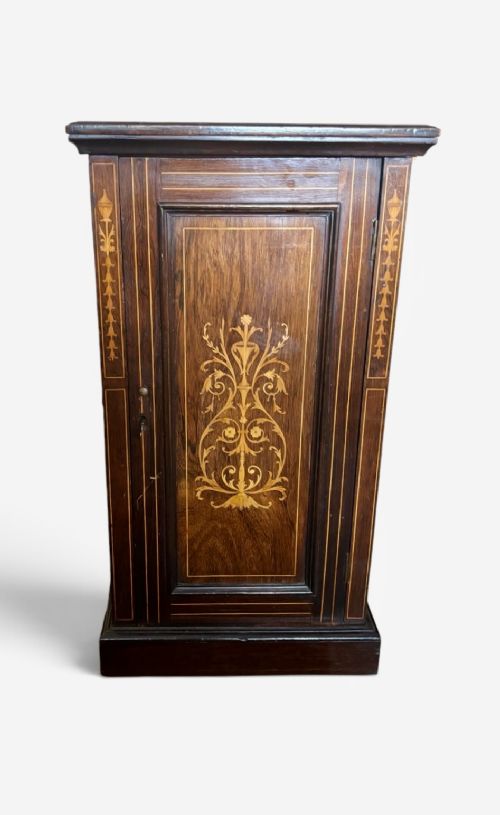
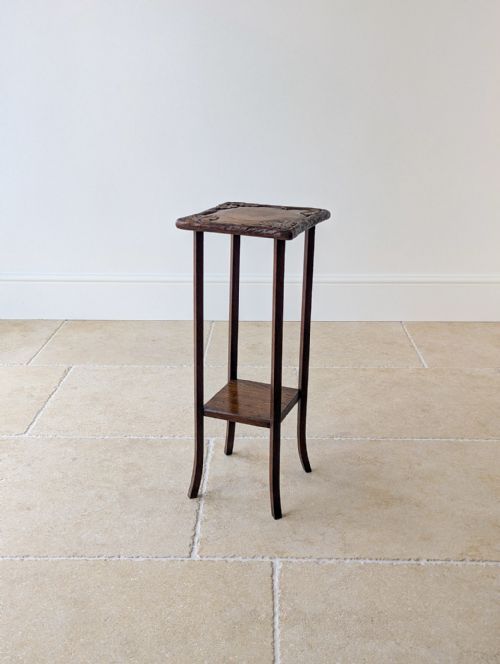
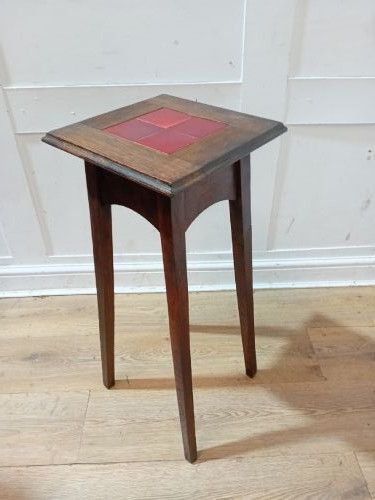
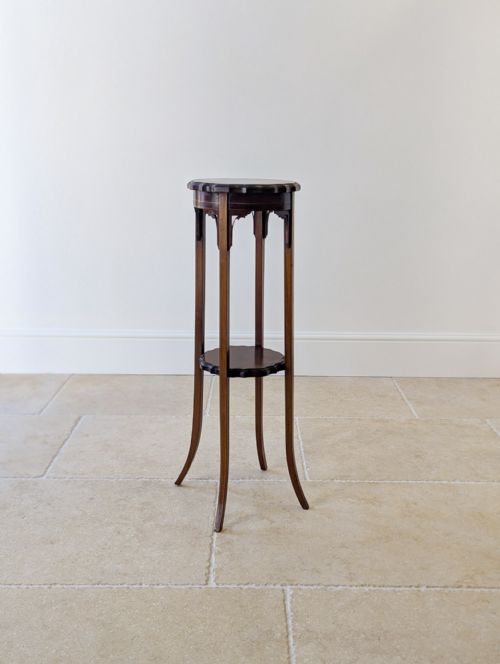
A vintage display pedestal serves to elevate decorative objects, sculptures, or plants within an interior space. Buyers searching for a vintage display pedestal encounter forms ranging from tall architectural columns and torchères to compact plant stands, plinths, and occasional tables.
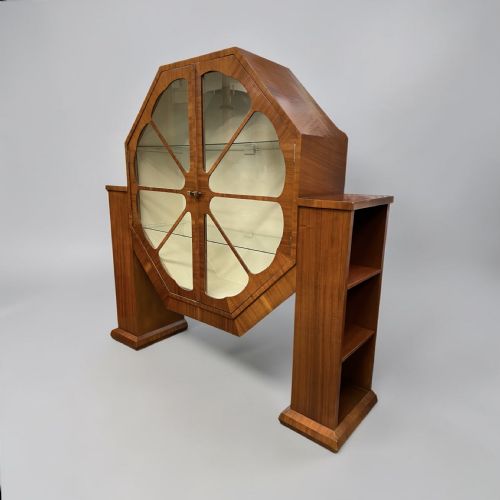
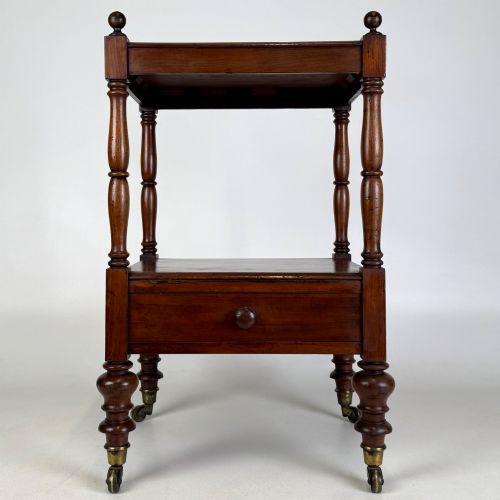
The selections span distinct periods including the Victorian era, Edwardian period, and the 1930s. Common origins represented include French, Chinese export, and British workshops, often taking the shape of plant stands, pedestals, and display cabinets.
Materials and Construction
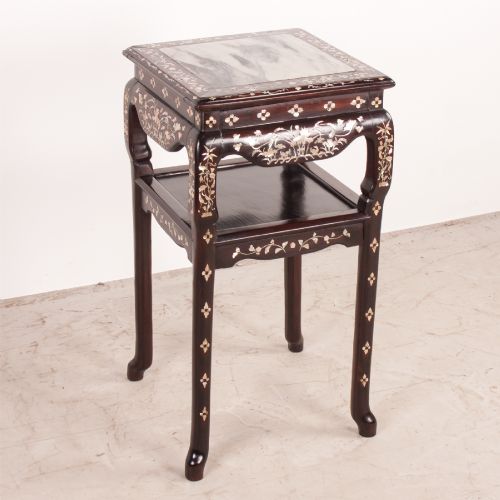
Cabinetmakers and artisans utilised a rich palette of hardwoods including mahogany, walnut, oak, satinwood, and kingwood. Many surfaces feature elaborate decorative touches such as mother-of-pearl inlay, brass mounts, and painted finishes.
Stonework and mineral elements feature prominently, with white and black marble, onyx, terracotta, and alabastro egiziano providing solid tops or structural columns. Turning, carving, and joinery define the construction methods across the nineteenth and early twentieth centuries.
Vintage Display Pedestal Retail Price Guide 2026
Typical asking prices for vintage display pedestal among the pieces listed under this phrase on Sellingantiques today, from the lower quarter to the upper quarter. They describe what is for sale here now, not the wider market.
Antler horn makes a surprisingly sturdy backbone for a turn-of-the-century torchiere.
Craftsmanship and Proportion
Quality rests in the harmony of proportion between the supporting column and the display surface, alongside the crispness of hand-carving and turning. Superior examples display dense, well-figured timber and tightly fitted stone or marble tops without clumsy joints.
The distinction between standard utility items and exceptional pieces lies in the choice of materials, such as finely figured mahogany or chiseled brass, and the restraint or elegance of decorative inlays and classical mouldings.
Dunfermline Clay Company·Shoolbred
The Vintage Display Pedestal Glossary
- Torchère
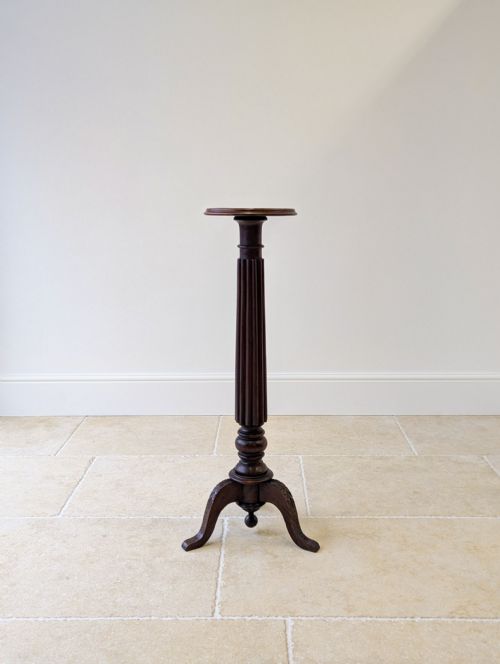
- A tall, slender stand or candlestick designed to hold a light source or display an object at height. These elevated supports often feature carved wooden columns or slender tripod bases.
- Plinth
- A heavy flat base upon which a column, statue, or pedestal stands. It provides stable footing and visual weight at the foundation.
- Jardinière
- A decorative pot or stand specifically made to hold plants and flowers indoors. They appear frequently in oak and mahogany during the Edwardian period.
- Grand Tour
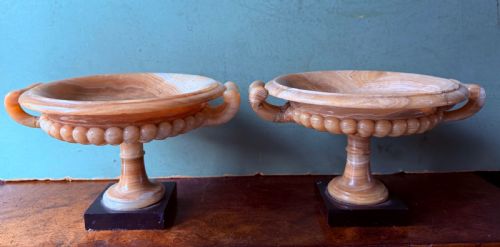
- A cultural journey undertaken by wealthy young Europeans in the eighteenth and nineteenth centuries to collect classical antiquities and souvenirs. Items brought back often included architectural marble fragments and small-scale alabaster tazze.
- Inlay
- A decorative technique where pieces of contrasting material such as mother-of-pearl or lighter woods are embedded into the primary surface. This adds intricate visual detail to table tops and cabinet doors.
Vintage Display Pedestal: Frequently Asked Questions
What is a vintage display pedestal used for?
These pieces elevate plants, urns, sculptures, and decorative objects to eye level within a room. They create focal points and introduce vertical dimension to interior schemes.
Historically, they also served to hold lighting fixtures or display exotic specimens brought home from travels. Today, they function both as functional stands and sculptural elements.
How do I date an Edwardian plant stand?
Edwardian pieces, dating roughly from the start of the twentieth century up to the First World War, often feature lighter timbers like satinwood and delicate marquetry. They lean towards Arts and Crafts simplicity or neoclassical revival styles.
By contrast, heavier Victorian examples tend to utilise dense rosewood or dark mahogany with deep, robust carvings. Examining the turning style and secondary woods helps confirm the period.
Are marble top pedestals heavy?
Marble and onyx top stands possess considerable weight due to the stone slab inset into the top or forming the main column. This mass ensures stability when supporting heavy bronzes or large floral arrangements.
When moving or placing these stands, it is usually wise to lift the stone separately if removable to prevent strain on the wooden frame.
Can I place a pedestal on carpet?
Tall, slender stands require a firm, level surface to remain entirely stable, especially when supporting top-heavy objects like marble busts or large vases. Thick carpets can cause a slight tilt.
Using small levelling cups or placing the stand near a wall where it avoids heavy foot traffic helps ensure safety and stability.