
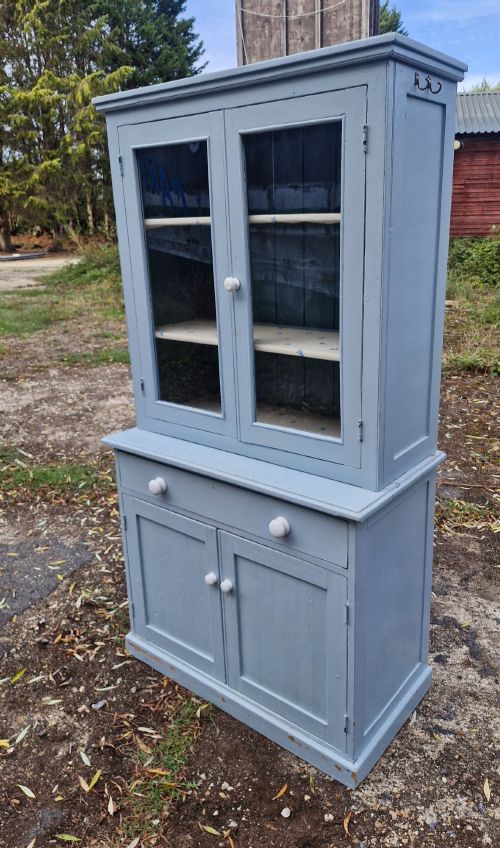
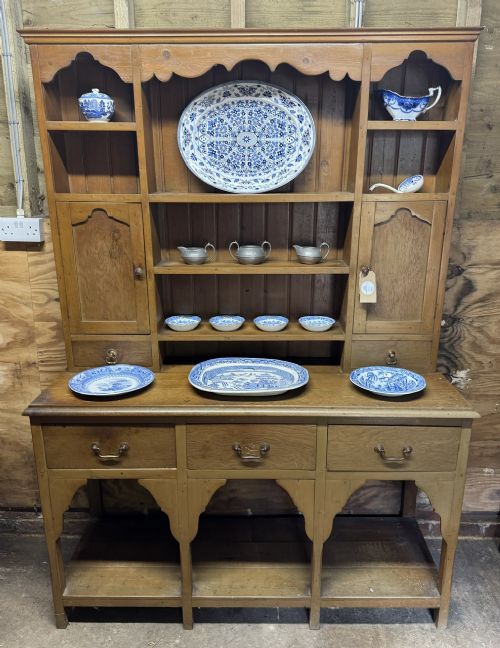
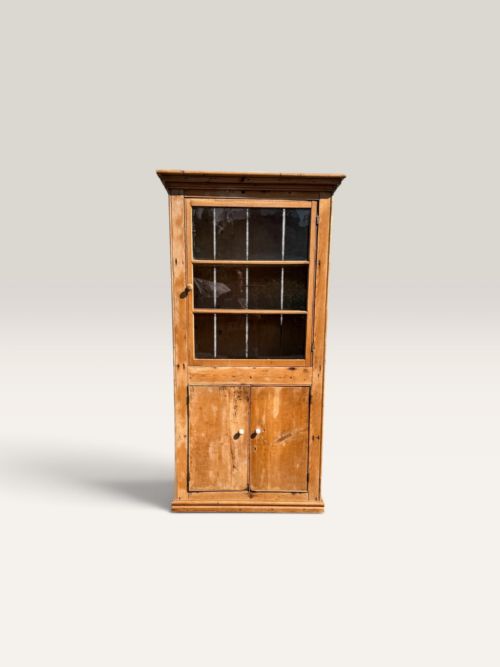
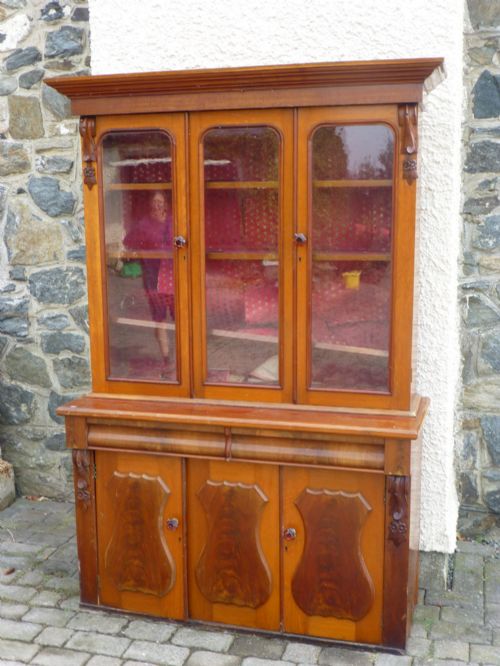
Vintage Display Dresser
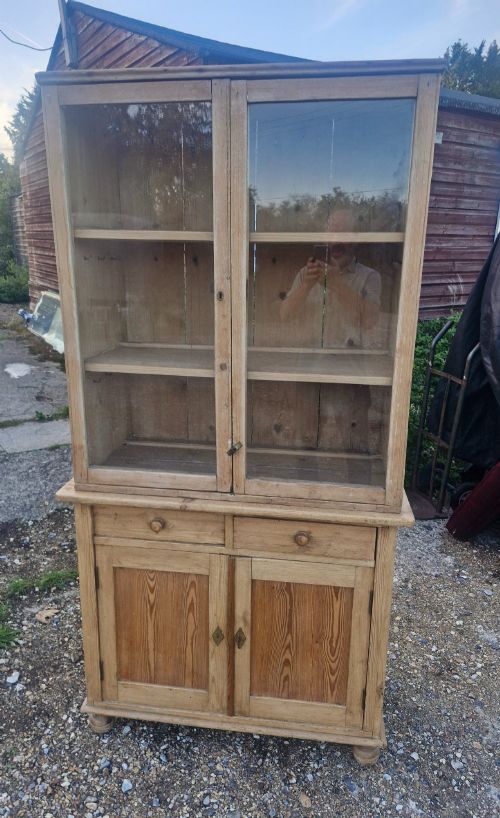
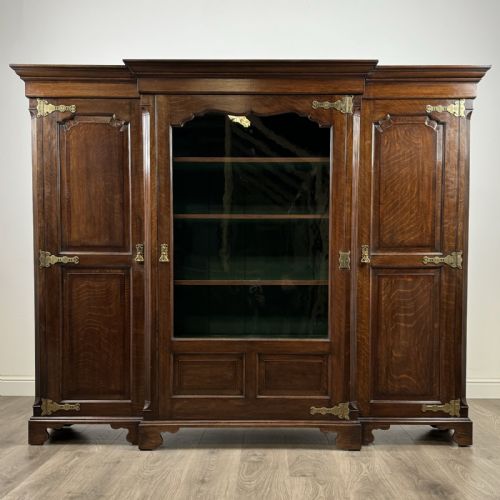
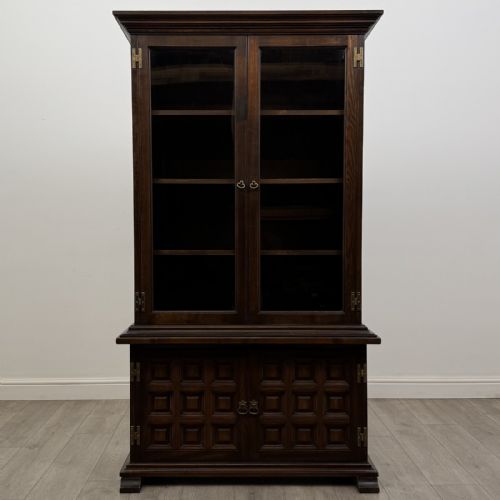
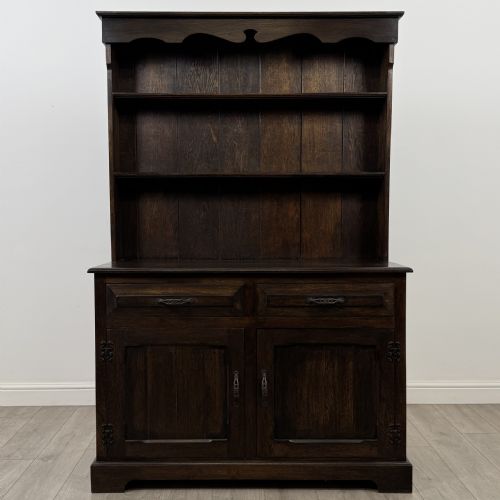
A vintage display dresser combines open plate racks or glazed upper cabinets with lower storage, offering practical utility and traditional character for the home.

Vintage Display Dresser
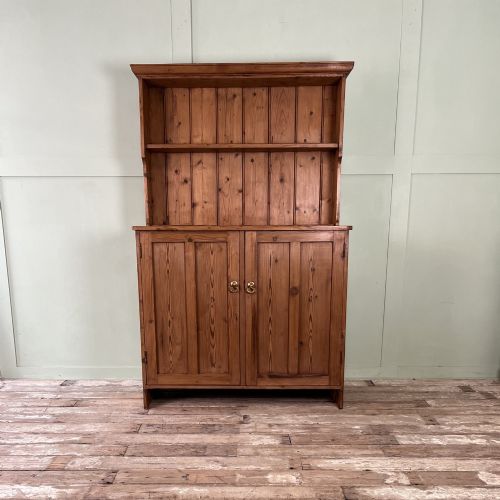
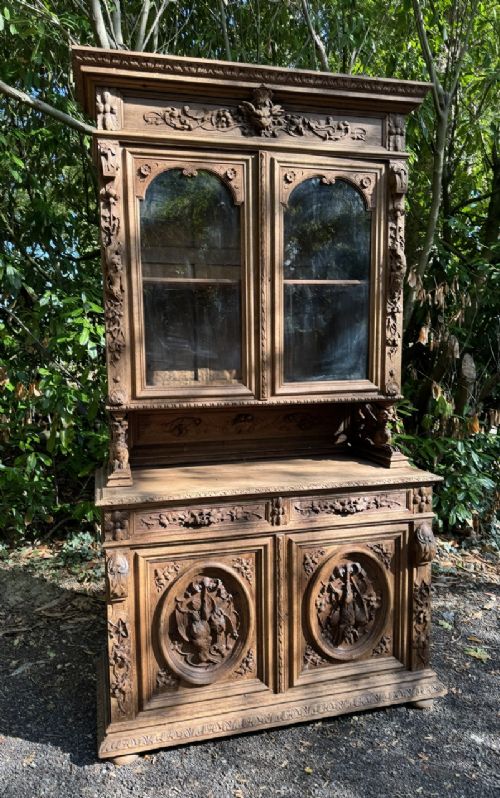
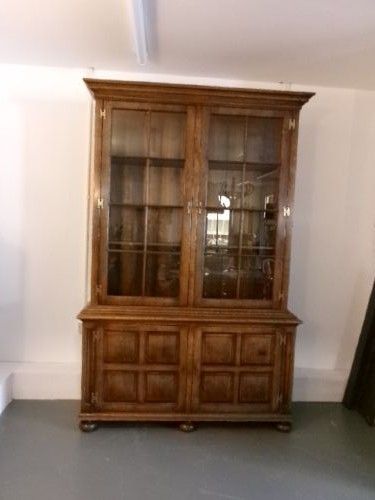
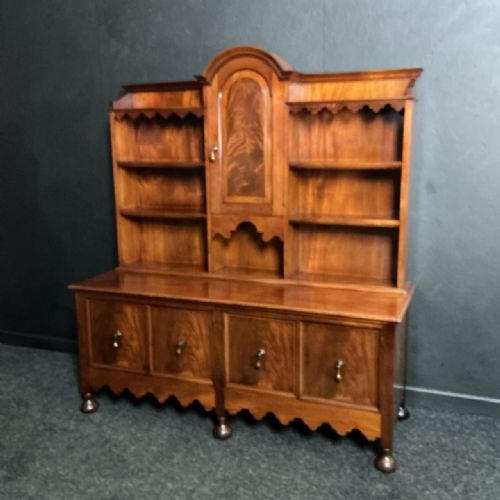
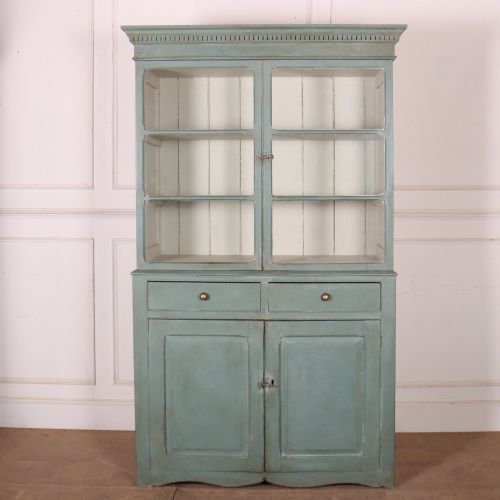
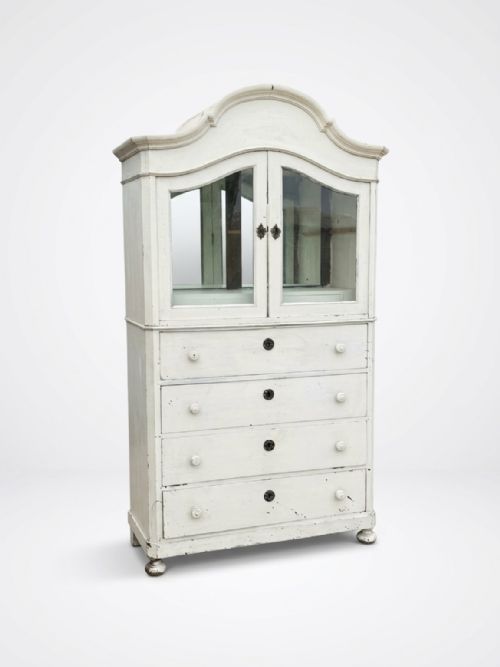
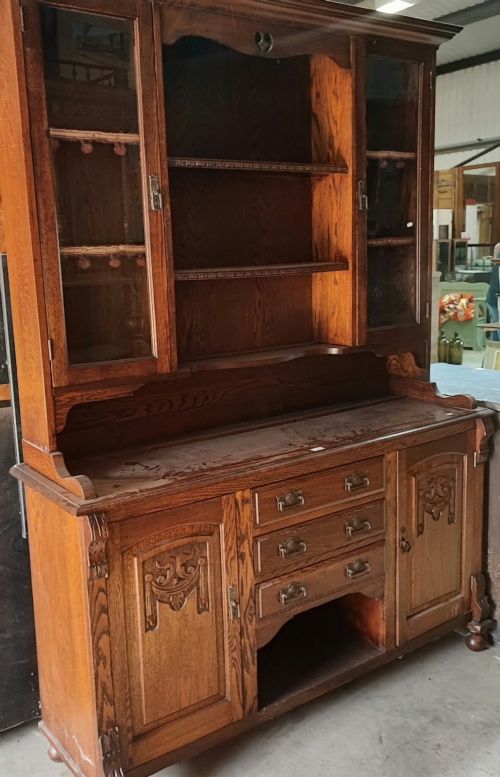
A vintage display dresser serves as a dual-purpose storage and exhibition unit, commonly featuring upper shelving or glazed doors paired with a lower cupboard base. When exploring options for a vintage display dresser, buyers encounter various regional forms such as Welsh dressers, Scottish cabinets, and English country pieces.
The pieces span multiple periods from the eighteenth century through to the Edwardian era and the 1920s. Oak, pine, and mahogany form the structural core of these items, often incorporating glass panes and brass hardware.
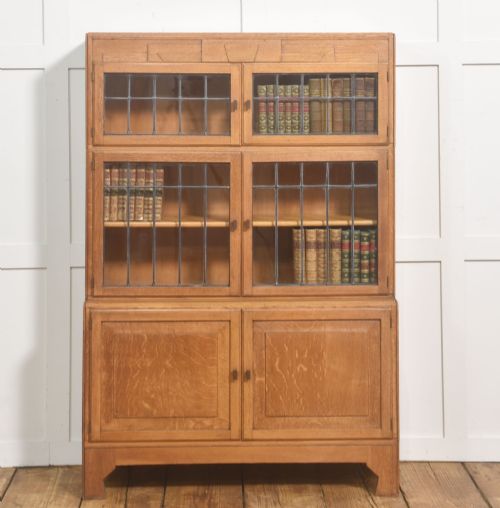
Most examples hail from domestic workshops and provincial traditions, showcasing regional variations in cornice moulding and base proportions. The selection includes two-part cupboards, open plate racks, and combined bookcase designs.
Materials and construction methods
Cabinet makers utilised sturdy timbers such as oak, mahogany, walnut, and pine for the main framework and shelving. Joinery techniques relied on traditional framing methods, dovetail joints in drawer construction, and pegged joints in older examples.
Glazing techniques incorporated lead or wooden bars to secure glass panes within cabinet doors. Iron and brass fittings completed the hardware, while painted surfaces and natural wax finishes protected the exterior wood.
Some pine cupboards still bear the faint ghost marks where rows of heavy pewter plates rested for generations.
Assessing quality and craftsmanship
The standard of timber selection and the retention of original surface patina dictate the standing of a piece. Finer examples display careful grain matching, hand-cut dovetailing, and minimal structural alteration over time.
Proportion and decorative detail also distinguish superior items, ranging from subtle carved mouldings to well-executed glazing bars. The integrity of the original hardware and the stability of the two-part construction further define the grade.
The Vintage Display Dresser Glossary
- Welsh dresser
- A traditional kitchen storage unit featuring open plate racks above a set of drawers and cupboards. These items originate predominantly from Welsh and English provincial workshops.
- Plate rack
- A set of tiered open shelves designed specifically to display plates upright. They form the upper section of many traditional kitchen dressers.
- Glazing bar
- A wooden strip that holds individual panes of glass within a cabinet door. Finer bars create delicate geometric patterns across the display area.
- Patina
- The surface sheen and colour acquired by wood through age, handling, and regular polishing. Original patination is valued for its depth and historical character.
- Cornice
- The decorative moulding that crowns the top of a cabinet or dresser. It provides a visual cap to the upper structure.
Vintage Display Dresser: Frequently Asked Questions
How do I date a wooden dresser?
Dating relies on examining construction methods, timber types, and hardware styles. Hand-cut joints and native timbers generally point to earlier centuries, while machine-sawn elements suggest later periods.
Changes in screw types, backboards, and handles also help establish a chronological window. Comparing the piece to known regional styles narrows down the origin.
What is a Welsh dresser?
A Welsh dresser is a specific form of kitchen furniture comprising a base of cupboards and drawers with an open rack fixed on top. They were traditionally used to store and display earthenware and kitchenware.
Over time, these pieces moved from utilitarian kitchen use to prominent dining and living room placement. They remain popular for their combination of display space and enclosed storage.
Are these dressers supplied in two parts?
Many larger examples are constructed in two separate sections, consisting of a base cabinet and a removable upper rack or bookcase. This modular design aided transportation within historic homes.
Buyers should check whether a specific model separates for moving purposes. The two sections typically secure together with discreet fixings.
How should I care for antique wood?
Maintaining antique wood involves regular dusting with a soft, dry cloth and avoiding placement near direct heat sources or strong sunlight. These precautions prevent the timber from drying out or splitting.
Occasional application of traditional beeswax helps nourish the surface and preserve the patina. Synthetic sprays and silicone polishes should be avoided.