

Victorian Welsh Dresser
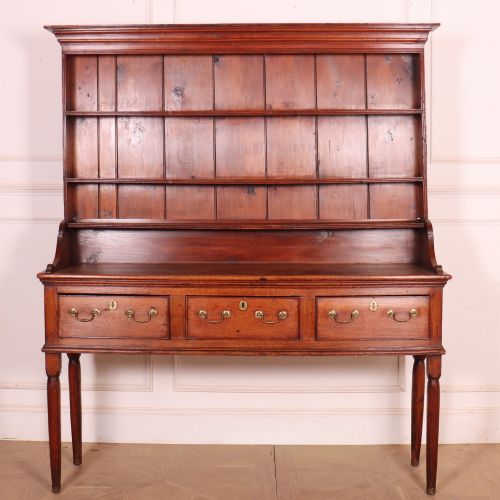
A victorian welsh dresser anchors a country kitchen with open display shelving and substantial storage, offering utility and character.

Victorian Welsh Dresser
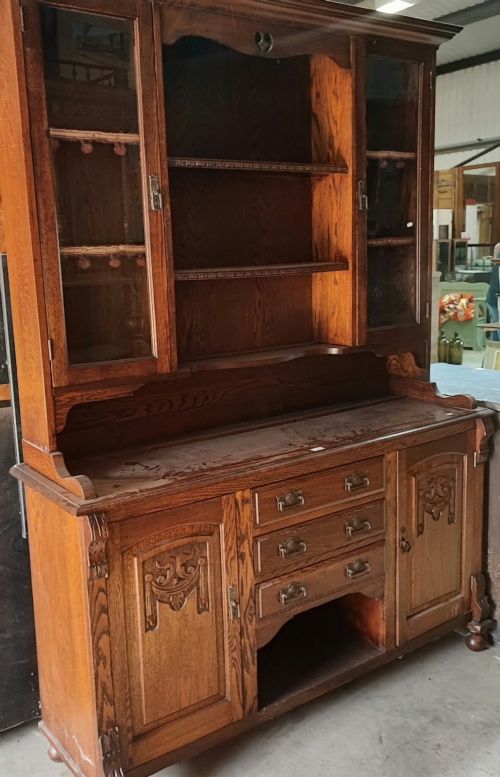
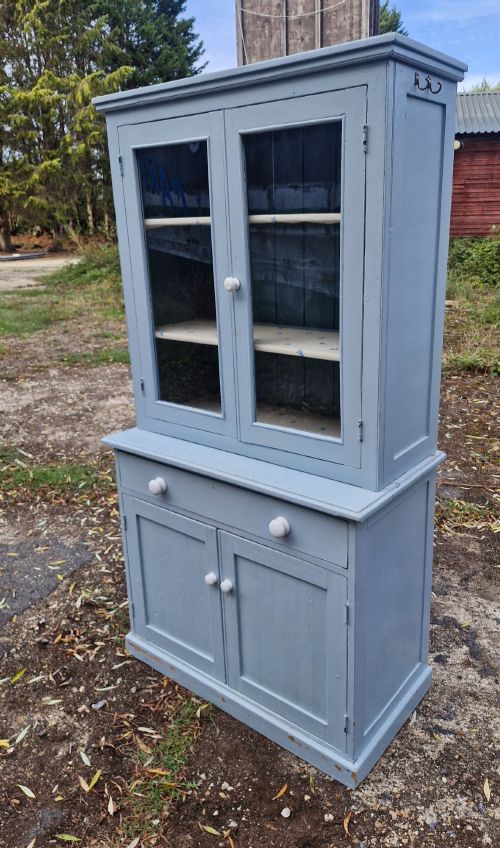
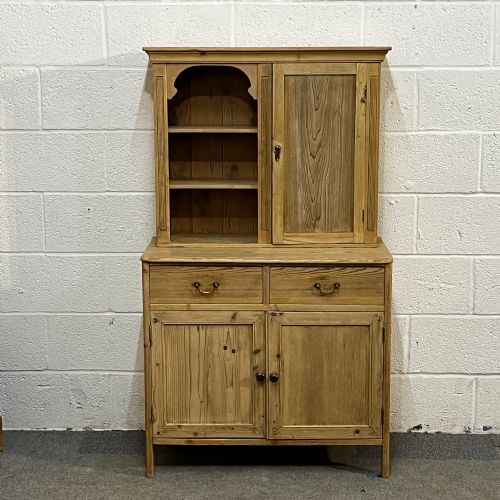
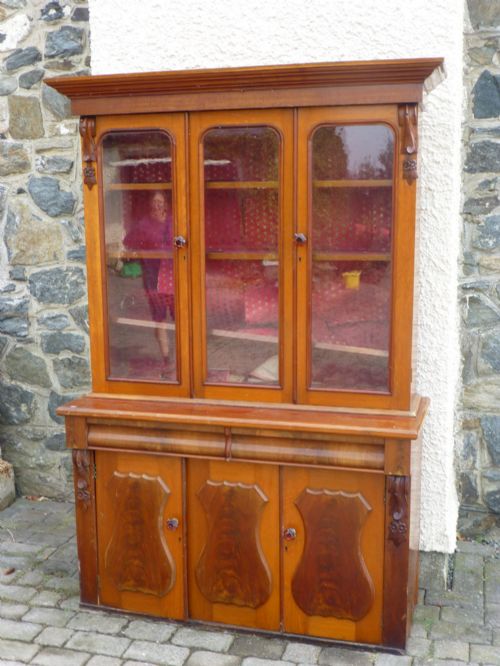
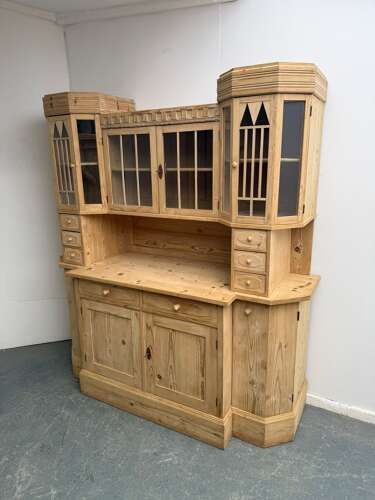
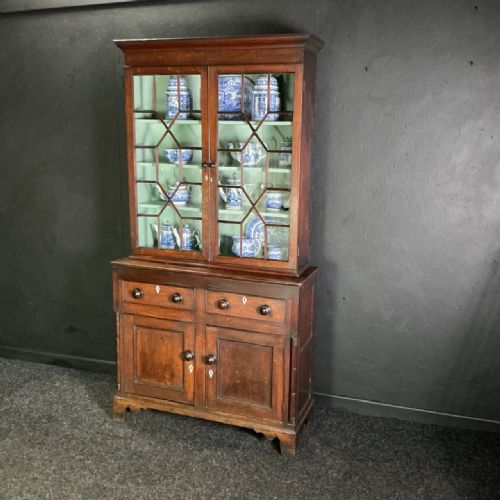
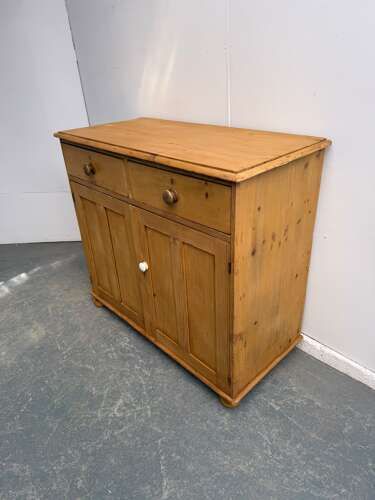
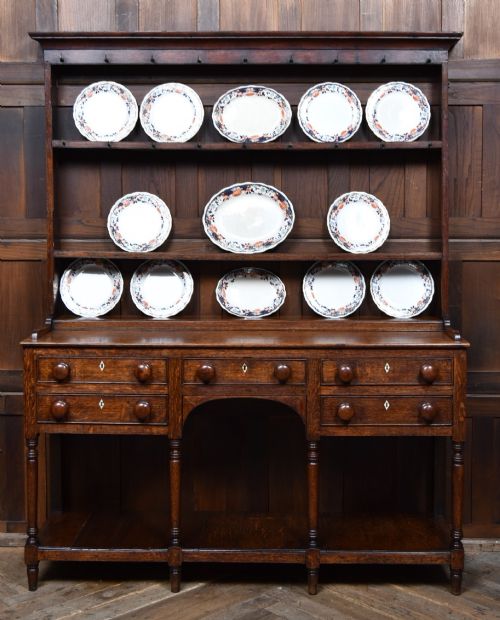
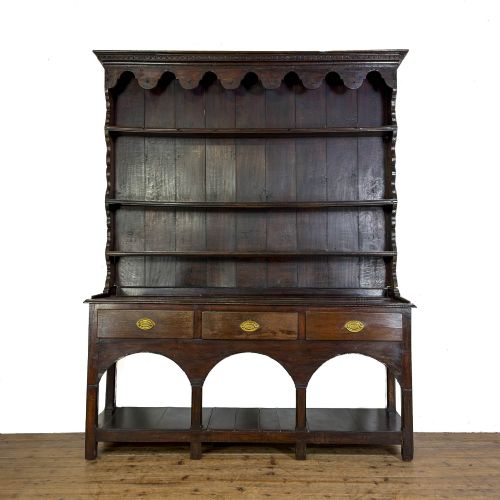
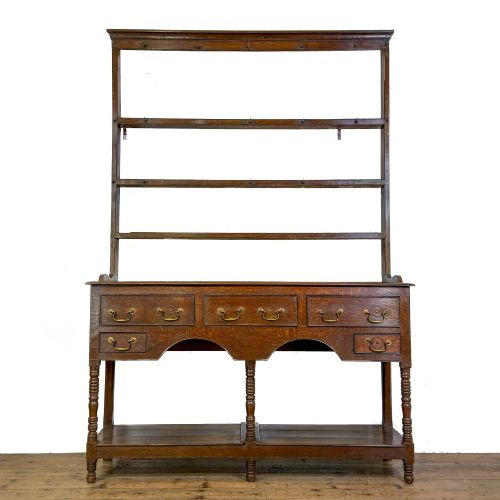
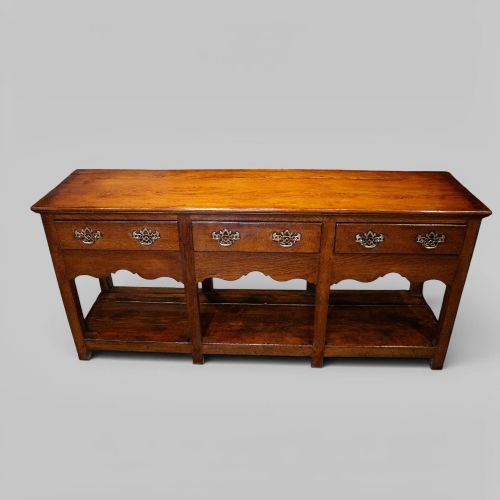
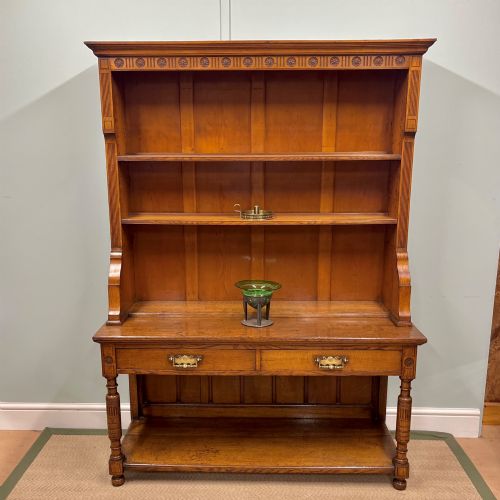
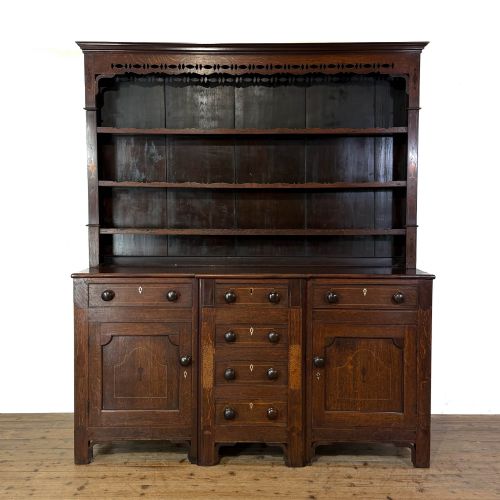
A victorian welsh dresser combines a lower base of drawers or cupboards with an upper plate rack or glazed bookcase, designed for domestic storage and display in rural kitchens and dining spaces.
The pieces appearing here are predominantly nineteenth-century examples executed in oak or pine, often displaying regional vernacular traits such as open plate racks or integrated dog kennel spaces.
Makers ranged from country joiners working in local timbers to more formal workshops producing carved oak or multi-wood gothic forms.
How they were made
Construction relies heavily on native timbers such as sturdy oak and adaptable pine, frequently paired with mahogany crossbanding or brass hardware.
Joinery techniques reflect traditional cabinet-making combined with country craftsmanship, utilising pegged joints, hand-cut dovetails, and applied mouldings.
Surfaces were finished in various ways, including clear wax, dark polish, or layered paint finishes that often show historical wear.
What varies in quality
Quality rests on the integrity of the timber selection, the harmony of proportions between the upper display section and the lower base, and the retention of original surfaces.
Examples featuring regional vernacular details like pot boards, carved green man motifs, or distinct local cabinetry styles command greater appreciation among collectors.
Augustus Pugin
The Victorian Welsh Dresser Glossary
- Dog kennel
- A central open space positioned beneath the drawers in certain dresser bases, historically used to house farm dogs. This architectural feature appears in both oak and painted pine examples.
- Plate rack
- An open shelving superstructure attached to the top of a dresser base. It is designed to display ceramics upright against a boarded back.
- Pot board
- A low open lower shelf fixed between the legs of a dresser base. It provides auxiliary storage for heavy kitchen crocks and cookware.
- Tiger oak
- Oak timber marked by distinct medullary ray figuring that creates a mottled pattern. This grain effect occurs naturally when the log is quarter-sawn.
Victorian Welsh Dresser: Frequently Asked Questions
How do I clean a waxed pine dresser?
Maintain waxed pine surfaces by gently wiping away dust with a dry, soft cloth. Avoid using modern liquid polishes or water, which can degrade the aged wax finish.
Applying a traditional beeswax paste occasionally will nourish the timber and preserve the historic lustre.
Are plate racks original to the base?
Many nineteenth-century dressers were constructed as two separate sections, comprising a heavy base and a matching upper plate rack. Determining originality involves examining the timber species, backboards, and mounting brackets for consistent wear and construction methods.
Some pieces survived with married components assembled during their working life.
What timber was used most often?
Oak and pine dominate the surviving nineteenth-century examples found in domestic country settings. Oak was favoured for sturdy longevity, while pine served as an accessible, lighter wood often finished with paint.
Cabinet makers also incorporated mahogany, elm, and mixed hardwoods for decorative contrast.