




Vintage Dished Top Table
A vintage dished top table is a practical surface with a raised border, prized for holding small items securely.
Vintage Dished Top Table
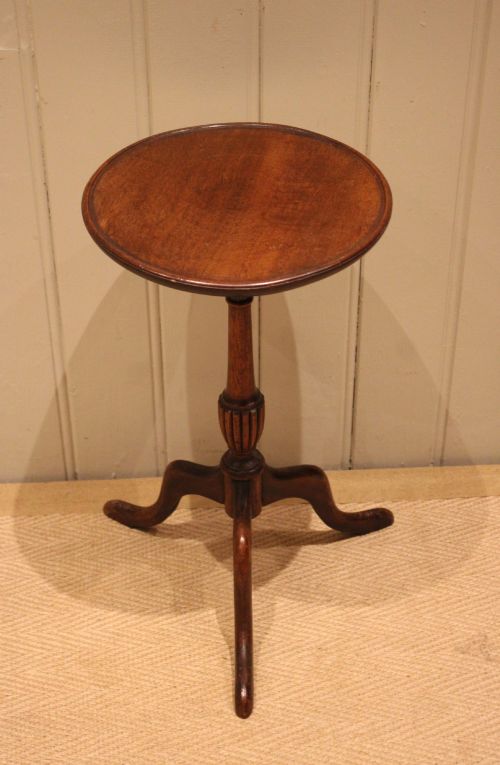
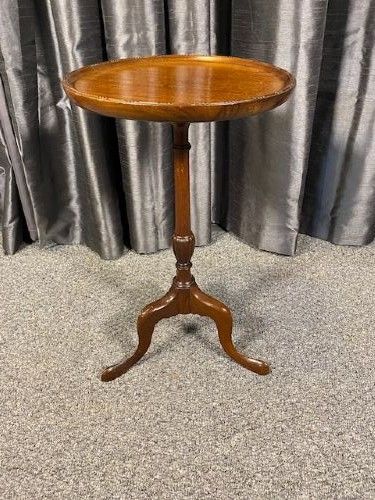
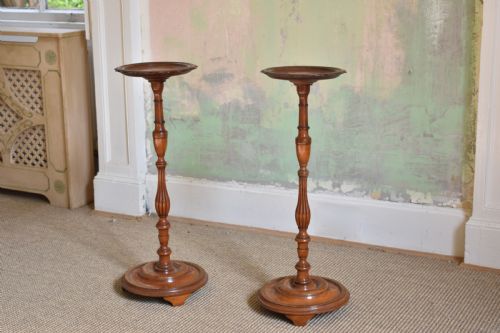
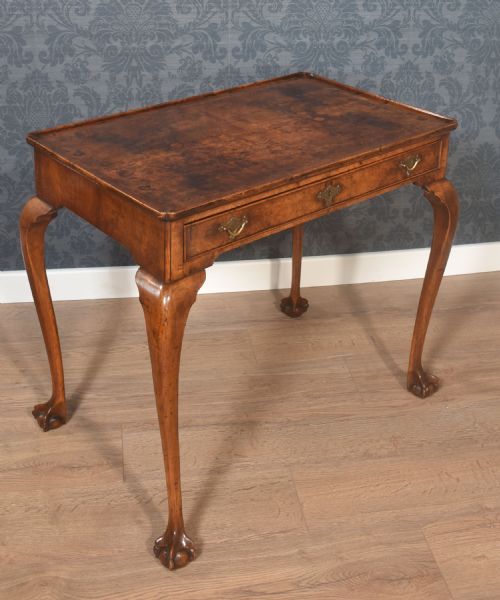
A vintage dished top table brings together forms designed to keep items from rolling off the edge, originating across multiple centuries of craftsmanship. When searching for a vintage dished top table, a buyer encounters pieces ranging from eighteenth-century mahogany supper tables to smaller occasional stands and side tables.
The selections span traditional country styles, Chippendale revival pieces, and Georgian influences. Mahogany and satinwood predominate among the wooden furniture items, alongside distinct silver and glass serving pieces.
Materials and construction
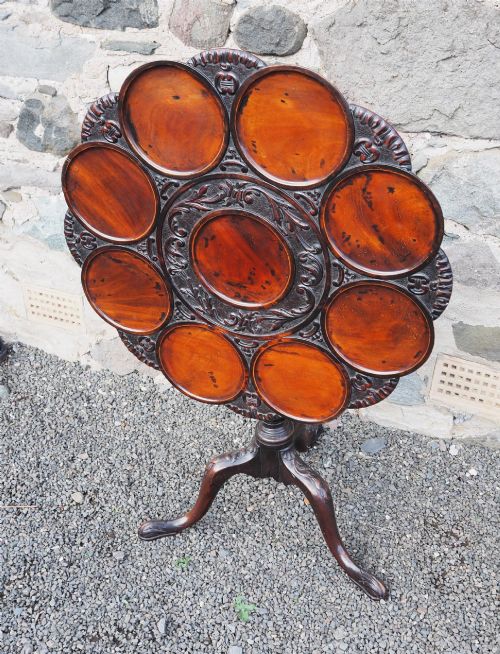
The wooden examples rely on solid mahogany and satinwood, often shaped with raised borders carved directly from the timber or applied to form the distinctive dished profile. Joinery reflects traditional cabinet-making methods appropriate to periods from the eighteenth century through the Edwardian era.
Metal and glass components utilise sterling silver, solid silver, brass, and cut or cranberry glass, sometimes paired with enamel work or copper. Silversmiths shaped the lids and mounts, while glassmakers blew and cut the containers.
Vintage Dished Top Table Retail Price Guide 2026
Typical asking prices for vintage dished top table among the pieces listed under this phrase on Sellingantiques today, from the lower quarter to the upper quarter. They describe what is for sale here now, not the wider market.
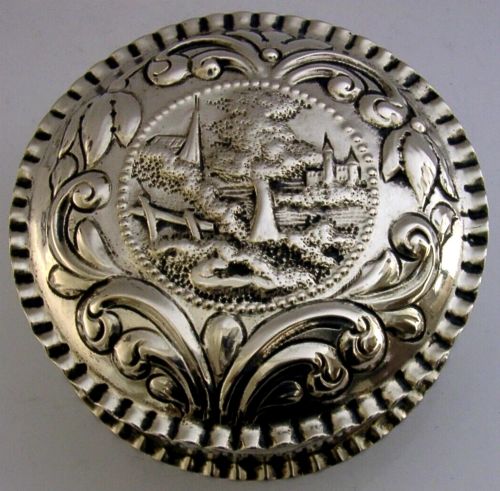
One tiny silver box manages to squeeze a castle scene onto its lid, proving that grand architecture fits anywhere if you shrink it enough.
Assessing quality
Quality rests upon the crispness of the timber carving and the depth of figure in the mahogany or satinwood. Superior examples exhibit harmonious proportions and careful selection of grain along the raised edges of the top.
For metal and glass items, the weight of the silver, the precision of the hallmarks, and the clarity of the cut glass distinguish finer pieces. Construction integrity and untouched original surfaces determine the standing of each item.
The Vintage Dished Top Table Glossary
- Dished top
- A furniture surface featuring a concave centre or a raised rim designed to retain items. This profile prevents tableware or small objects from sliding off.
- Suppers table
- A small occasional table historically used for evening meals or light refreshments. These pieces often feature bird-cage mechanisms or dished edges.
- Trinket box
- A small container with a fitted lid, frequently combining silver and glass. These items sit upon dressing tables or sideboards.
- Satinwood
- A durable hardwood with a lustrous, yellow sheen used for fine inlay and furniture surfaces. It appears in Georgian and later decorative pieces.
Vintage Dished Top Table: Frequently Asked Questions
What is a dished top table used for?
These tables provide a compact surface with a raised edge to stop items from sliding off. Historically they served for suppers or held small decorative objects in parlours.
Today they function as bedside stands, lamp tables, or accent pieces in living spaces where a secure surface is useful.
How do I date an older wooden table?
Dating relies on examining the timber species, construction methods, and tool marks visible beneath the top. Georgian and eighteenth-century pieces display specific joinery traits distinct from Edwardian or later revivals.
Stylistic cues such as leg shapes, carving styles, and hardware also indicate the likely period of manufacture.
Are silver and glass items part of this category?
While the search phrase usually brings up wooden furniture, related small decorative containers with silver lids and glass bodies often appear alongside them. These smaller pieces share period aesthetics and materials found in the broader selection.
Buyers often group these tabletop accessories with the larger furniture pieces when curating a room.
How should I care for mahogany surfaces?
Maintain the timber by avoiding direct sunlight and excessive moisture which can damage the polish. Regular dusting with a soft, dry cloth preserves the natural sheen of the wood.
Periodic application of appropriate wax protects the grain without building up heavy residues.