




Queen Anne Tray Table
These queen anne tray table pieces offer distinctive raised rims and elegant proportions, bringing functional surface space and historic character to any interior.
Queen Anne Tray Table
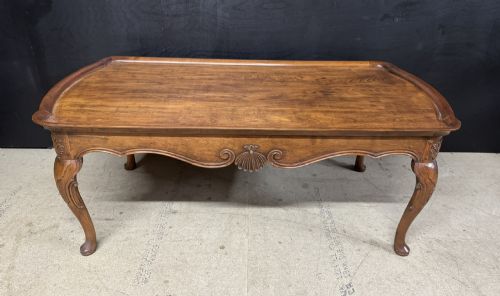
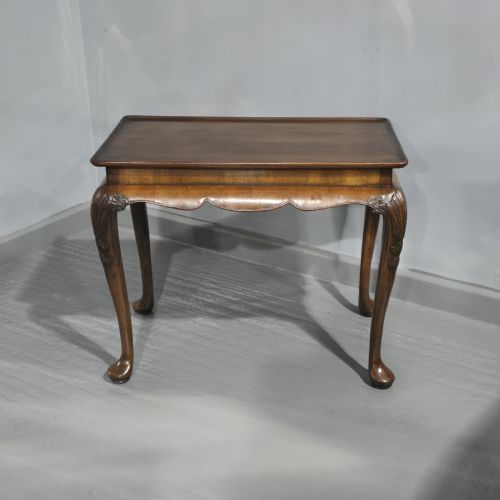
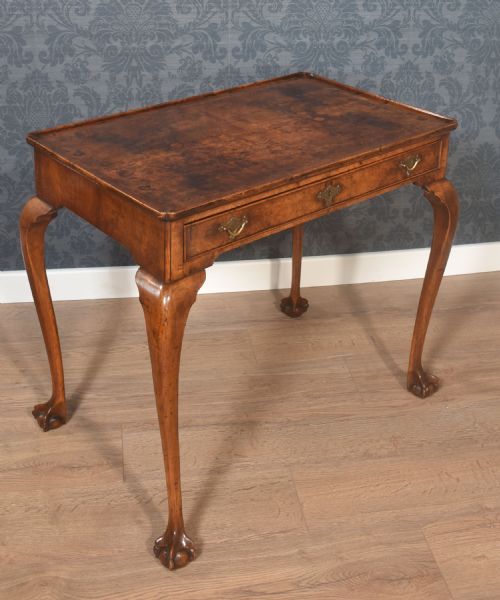
When you search for a queen anne tray table, you find a versatile form historically used for serving or display, most commonly appearing in walnut, burr walnut, and mahogany. These items bridge domestic utility and decorative refinement through raised tray tops designed to secure contents during service.
The selection on this page is dominated by walnut examples alongside revival pieces from the Edwardian era and the early twentieth century. Side tables, coffee tables, and bedside tables make up the primary forms, reflecting how these traditional serving surfaces adapt to modern living arrangements.
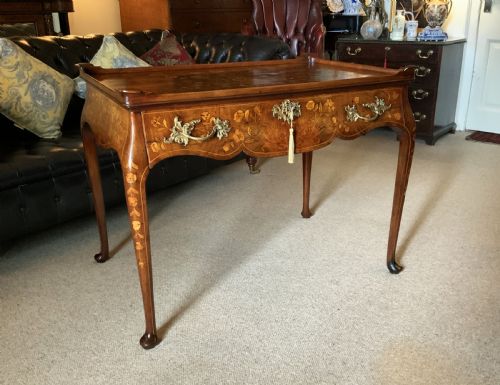
Origins span genuine eighteenth-century pieces to later nineteenth-century and twentieth-century interpretations in the Queen Anne and Georgian revival styles. Dutch marquetry and Chinoiserie lacquered wood finishes also appear, showing how makers reinterpreted the aesthetic across different decades.
How They Were Made
Cabinetmakers utilised figured timbers like burr walnut and mahogany to create these tables, often applying elaborate marquetry or black lacquer to the wooden surfaces. Brass fittings and gilt highlights frequently complement the timber construction.
The distinct raised tray tops required precise joinery to attach the moulded rims securely to the table frames. Ebonised timber and fruitwood also served as structural or decorative materials in specific regional and revival workshops.
Queen Anne Tray Table Retail Price Guide 2026
Typical asking prices for queen anne tray table among the pieces listed under this phrase on Sellingantiques today, from the lower quarter to the upper quarter. They describe what is for sale here now, not the wider market.
Materials across these listings include walnut, burr walnut, mahogany, fruitwood, and ebonised timber alongside brass, gilt, and lacquered wood.
What Varies in Quality
Quality rests primarily in the choice of wood veneers, where richly figured burr walnut or intricate marquetry depicting flowers and birds distinguishes finer examples from plain timber builds. The crispness of carved details on the legs and the integration of the tray rim into the overall design also elevate a piece.
Age and period authenticity further divide the range, separating eighteenth-century craftsmanship from later Edwardian and twentieth-century revivals. The handling of finishes, such as hand-applied lacquering and gilt work, determines the visual depth of the surface.
The Queen Anne Tray Table Glossary
- Burr Walnut
- A highly prized wood veneer derived from the growths on walnut trees, known for its swirling, organic grain patterns. It adds significant visual texture to table surfaces.
- Marquetry
- The art of applying pieces of veneer to a structure to form decorative patterns, frequently depicting floral motifs or birds on Dutch examples. This technique requires immense precision from the artisan.
- Silver Table
- A term historically used for a small display table, often with a raised edge, originally intended for holding silver tea services. These function as versatile side or coffee tables today.
- Chinoiserie
- The European interpretation and imitation of East Asian artistic traditions, expressed through lacquered wood and gilt decoration. It appears on specific Edwardian pieces.
- Rococo
- An ornate artistic style characterised by asymmetrical scrollwork and organic forms, influencing the decoration on certain eighteenth-century Dutch items. It brings a flamboyant fluidity to the furniture design.
Queen Anne Tray Table: Frequently Asked Questions
What is a tray table used for?
These tables provide a flat surface with a raised gallery or rim designed to prevent items from sliding off during movement or service. Historically used for serving tea or displaying silver, they function well today as lamp tables, coffee tables, or bedside surfaces.
The raised edge distinguishes them from standard flat tables, offering both decorative framing and practical containment for daily objects.
How do I identify a revival piece?
Revival pieces date from periods like the Edwardian era or the early twentieth century while adopting the proportions and motifs of earlier centuries. Examining the construction methods, interior secondary timbers, and surface patination helps reveal the true age of the object.
Makers working in the revival style often combined traditional Queen Anne silhouettes with contemporary finishing techniques of their own time.
Are these tables suitable for everyday use?
Their sturdy timber construction and practical surface area make them well-suited for daily placement beside seating or beds. Walnut and mahogany surfaces handle regular placement of lamps, books, and cups while maintaining their structural integrity.
Care should be taken with lacquered or marquetry surfaces to protect the decorative finishes from moisture and direct heat.
What distinguishes Dutch marquetry examples?
Dutch marquetry tables feature elaborate inlaid floral and bird motifs executed in various contrasting woods across the top and sides. This decorative intensity sets them apart from plainer walnut or mahogany versions.
They reflect a distinct continental tradition that prioritises pictorial wood inlay over simple polished grain.