


Vintage Desk Globe
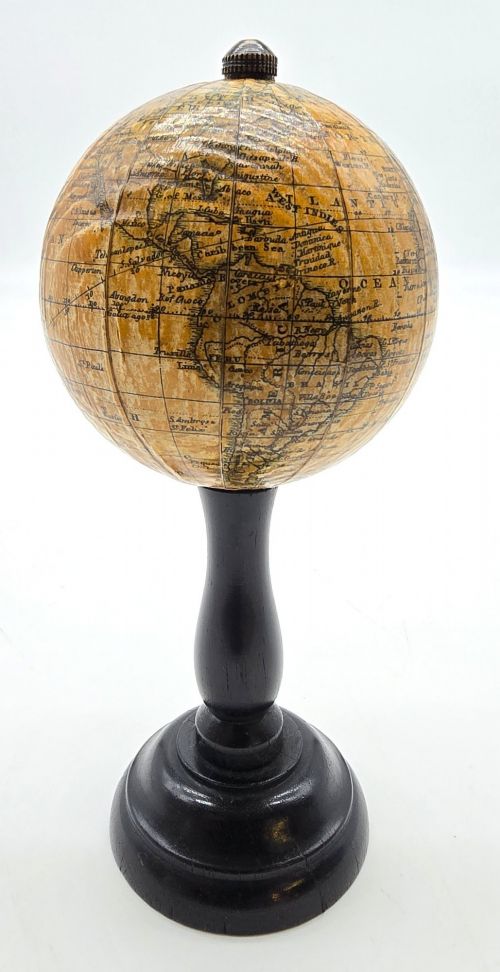
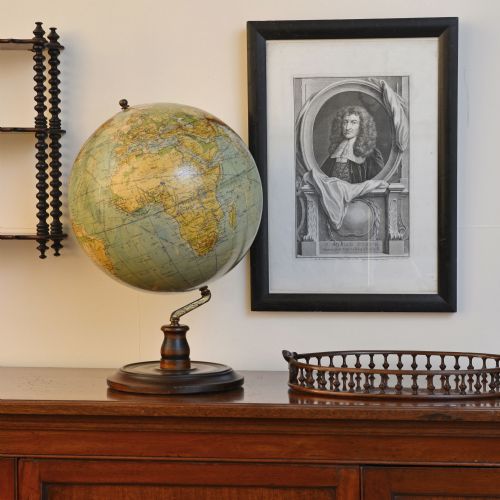
A vintage desk globe brings history and cartography to a study, appearing in forms from small four-inch spheres to large twelve-inch terrestrial examples.
Vintage Desk Globe
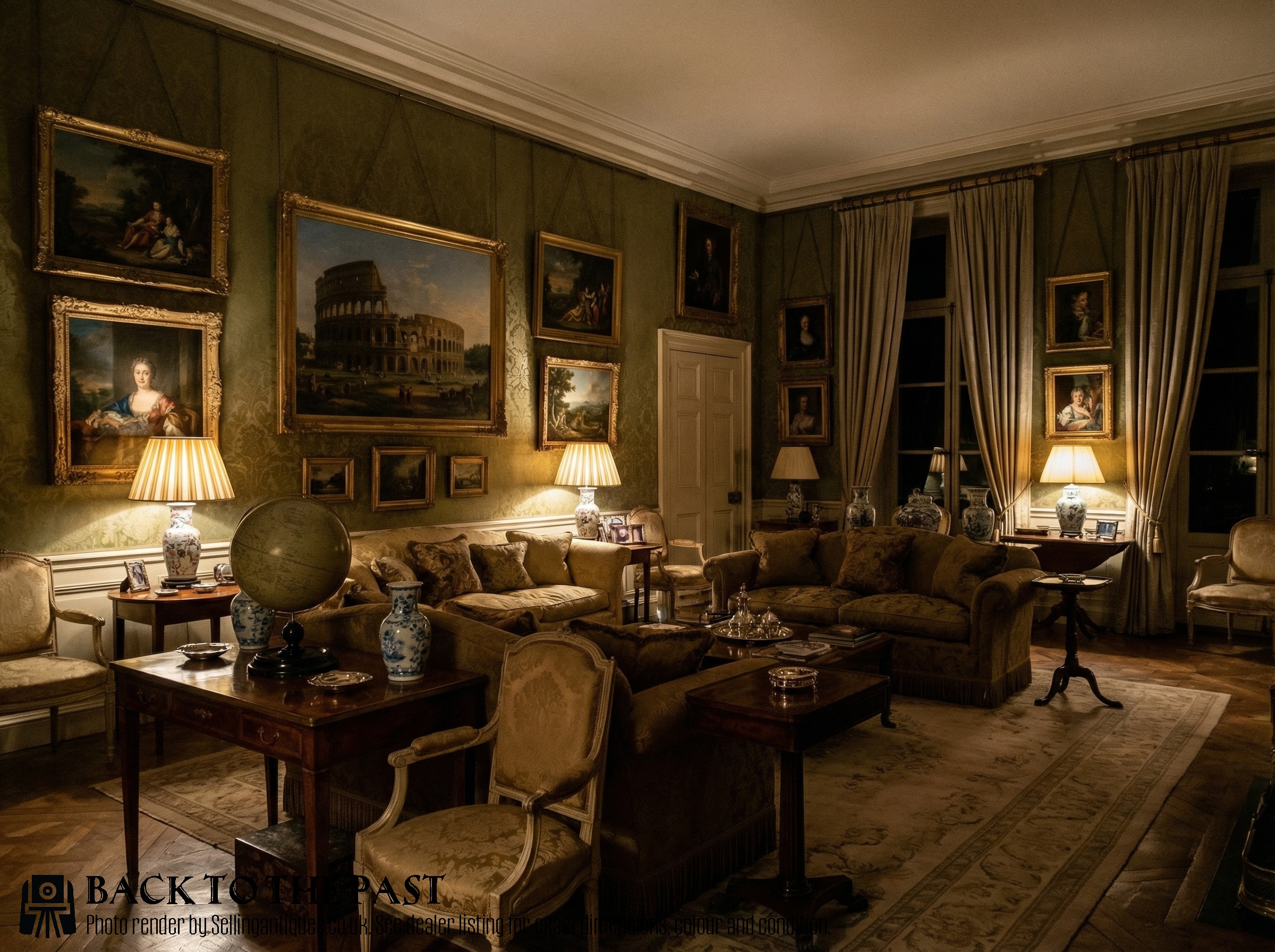
A vintage desk globe represents geographical mapping and planetary display across periods from the Victorian era to the mid-twentieth century. Buyers searching for a vintage desk globe encounter terrestrial globes created by makers in Britain, France, and Germany, alongside related items sharing similar desktop footprints.
The selection ranges from miniature pieces measuring four inches to larger twelve-inch globes mounted on stands of walnut, ebony, or brass. These objects record shifting political boundaries and geographical knowledge from the nineteenth and twentieth centuries.
Materials and construction
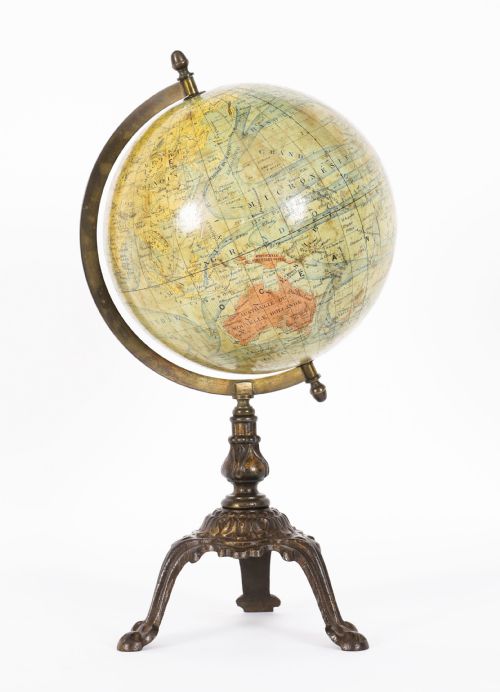
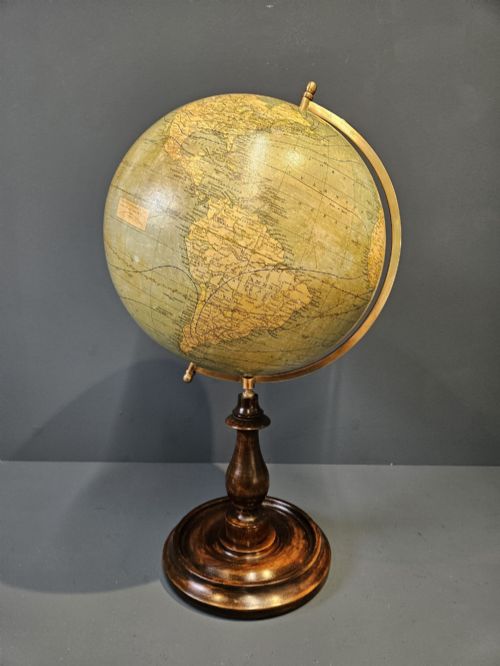
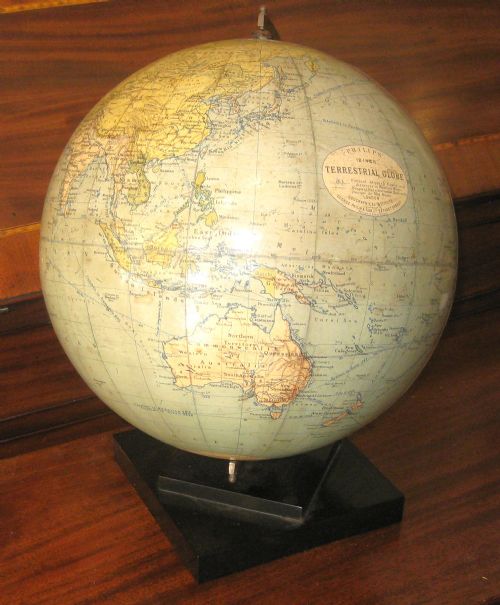
Cartographic details are printed on paper segments, known as gores, which are applied carefully to spherical cores made from paper mache or glass. These printed spheres are mounted within brass, metal, or wooden meridians and supported on turned feet.
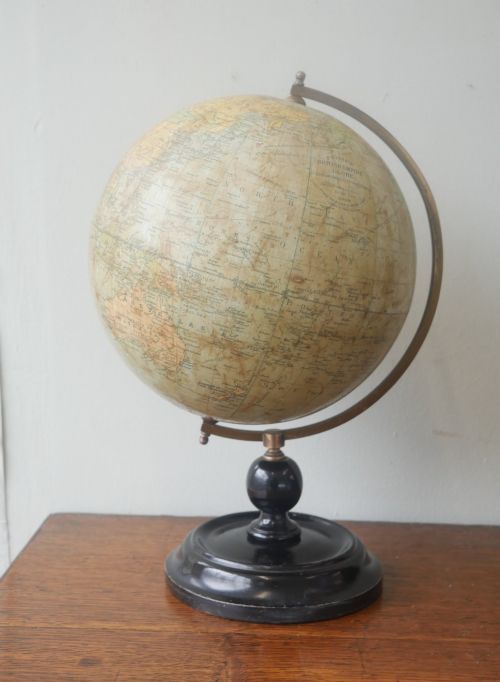
Bases utilise materials typical of their period, including ebonised wood, marble, walnut, and heavy brass castings, providing stability for the rotating sphere above.
Vintage Desk Globe Retail Price Guide 2026
Typical asking prices for vintage desk globe among the pieces listed under this phrase on Sellingantiques today, from the lower quarter to the upper quarter. They describe what is for sale here now, not the wider market.
Several globes preserve forgotten countries and obsolete colonial borders that vanished within decades of leaving the workshop.
Evaluating craftsmanship
Quality rests in the precision of the cartography and the crispness of the printing on the paper gores, as well as the fidelity of the political boundaries shown. Finer examples retain their original varnished surface, which protects the paper from discolouration.
The materials of the stand and mounting hardware distinguish standard production from superior pieces. Solid brass meridians, weighted wooden feet, and stable marble bases indicate robust construction and higher original manufacture.
Geographia·George Philips and Son Ltd·J. Forest·Malby's·Chandy Charan & Co
The Vintage Desk Globe Glossary
- Terrestrial globe
- A spherical map representing the earth rather than celestial constellations. These pieces detail the landmasses and oceans known at the time of publication.
- Gore
- A tapered strip of printed paper designed to be pasted onto a sphere in precise alignment. Several gores cover the entire surface of a globe.
- Paper mache
- A composite material formed from paper pulp mixed with glue and pressed into shape. It served as a lightweight core for many globe spheres.
Vintage Desk Globe: Frequently Asked Questions
How do I date a desk globe?
Dating relies upon the political boundaries and country names printed on the cartographic gores. Comparing the depicted nations to historical maps reveals the active production window.
Makers often included publication dates directly on the cartouche or near the legend, providing a precise year of manufacture.
What is the difference between a desk globe and a table globe?
Desk globes and table globes share similar forms intended for placement on furniture surfaces rather than floor standing. The terms are largely interchangeable among nineteenth and twentieth-century examples.
Size often dictates the designation, with smaller four-inch or eight-inch versions suited to crowded desks, while twelve-inch models sit comfortably on larger tables.
Why do some globes have wooden stands while others use brass?
Stand materials reflect both the period style and the intended weight distribution of the piece. Walnut and ebonised wood were favoured during the Victorian and Edwardian eras for formal libraries.
Brass and metal mountings appeared across various decades, offering durable support for the rotating meridian ring and protecting the base from wear.