

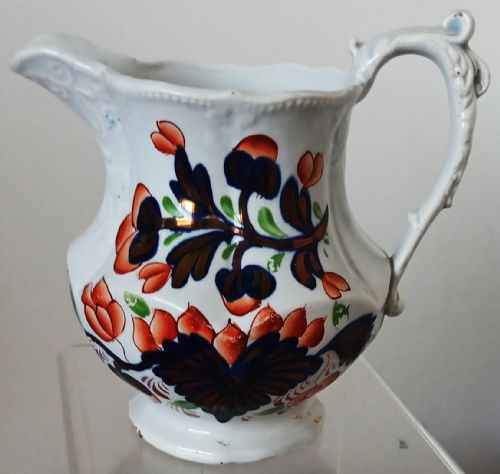
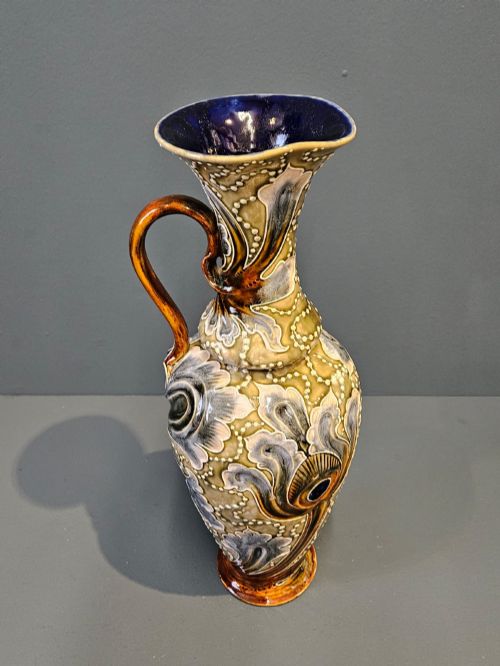
Vintage Decorative Pottery
Vintage decorative pottery brings together centuries of ceramic craft, offering striking plates, vases and figures for the home.
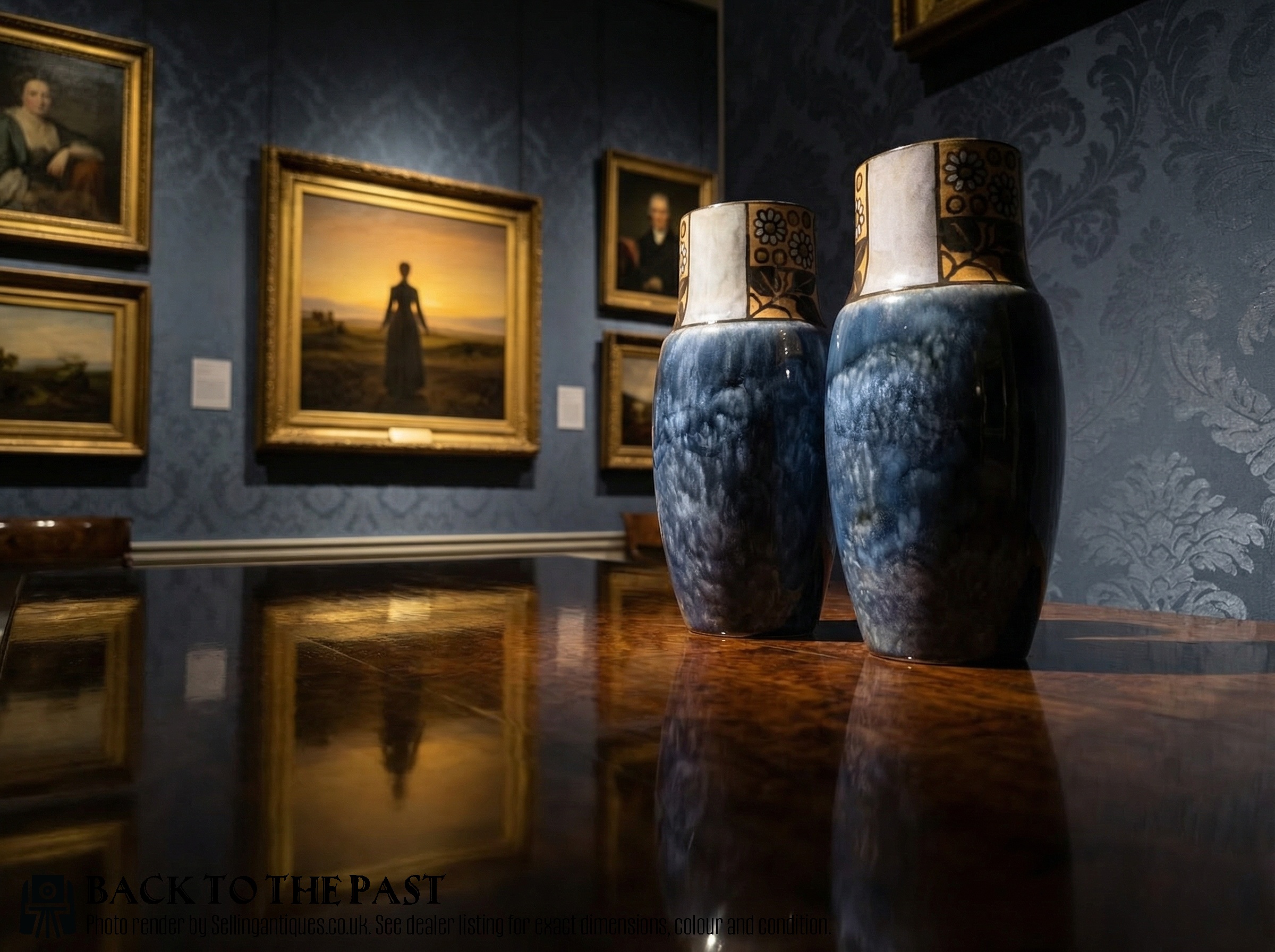
Vintage Decorative Pottery
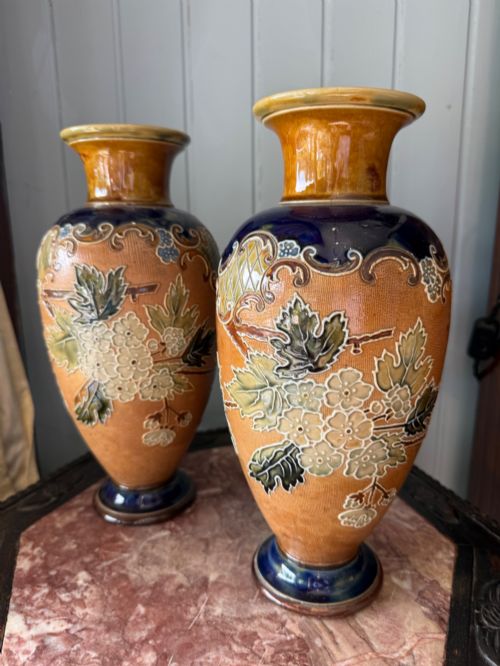
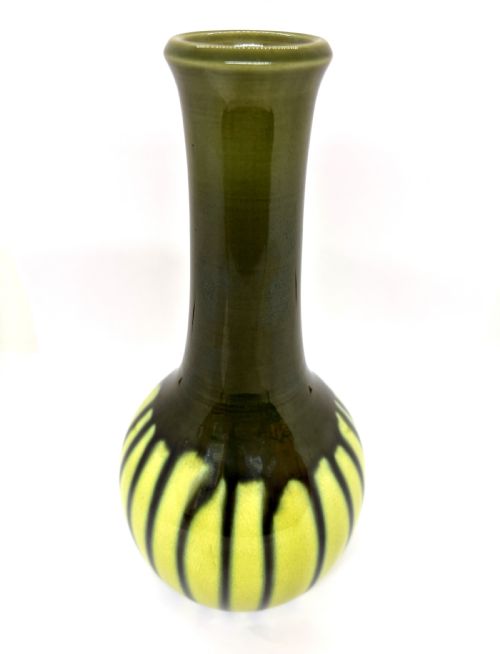
Vintage decorative pottery encompasses a wide range of ornamental ceramic items designed primarily for display rather than utility. When buyers search for vintage decorative pottery, they encounter everything from nineteenth-century chargers and jugs to twentieth-century art pottery vases and lamps.
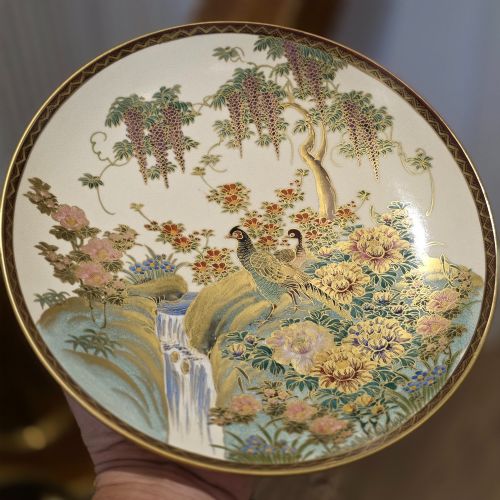
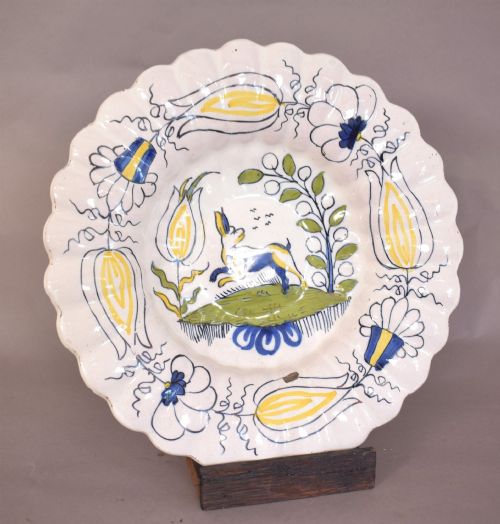
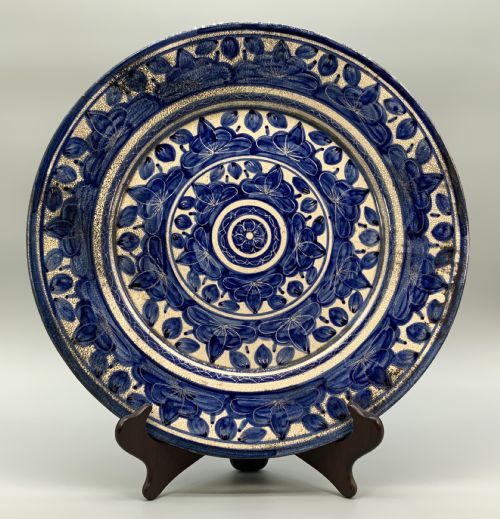
The selection on this page draws heavily from Victorian and early twentieth-century production, alongside earlier delftware and continental faience. Common forms include large decorative plates, sculptural figures, table lamps, and ewers intended to catch the eye in a room.
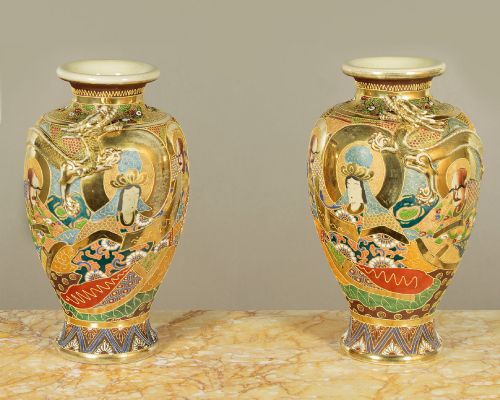
Geographic origins span British potteries like Doulton Lambeth and Wedgwood, alongside French, Dutch, Italian, and Japanese workshops. This mix reflects how domestic interiors incorporated both local earthenware traditions and imported styles over successive periods.
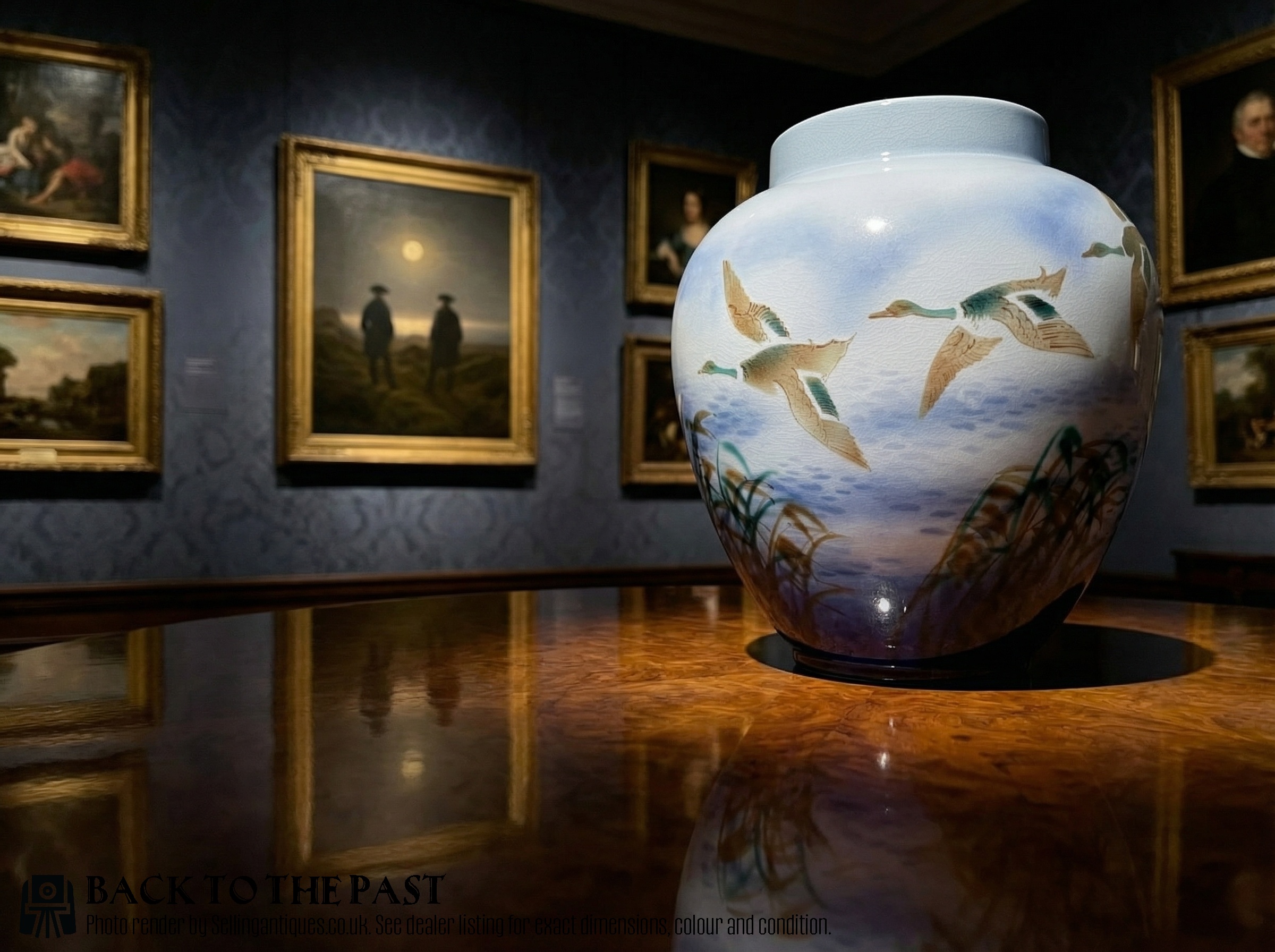
Materials and Techniques
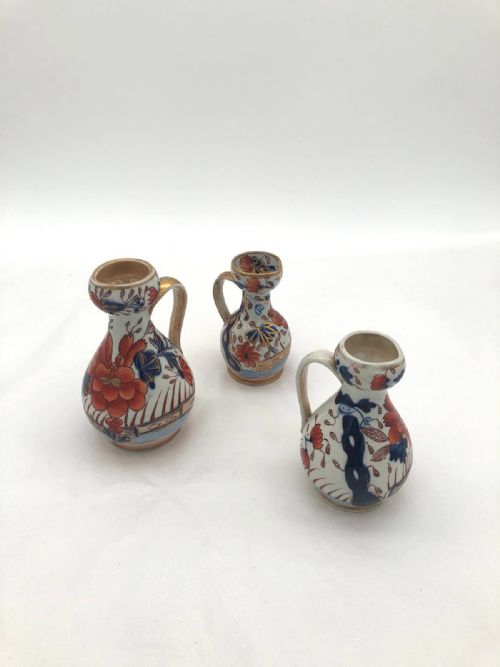
Makers shaped these pieces using earthenware, stoneware, porcelain, and terracotta, applying glazes and enamel to seal the ceramic body and create colour. Techniques range from simple slip decoration and transfer printing to intricate hand-painting enhanced by gold leaf.
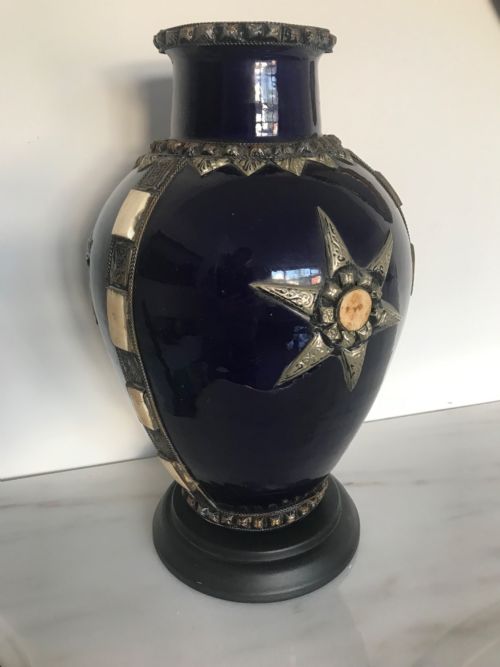
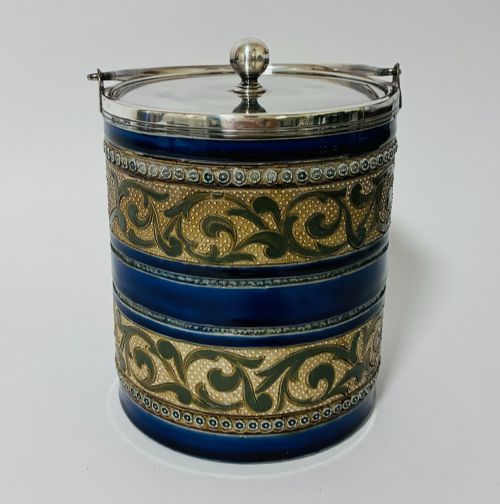
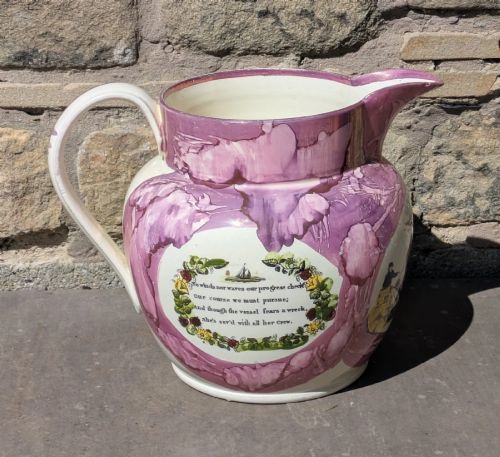
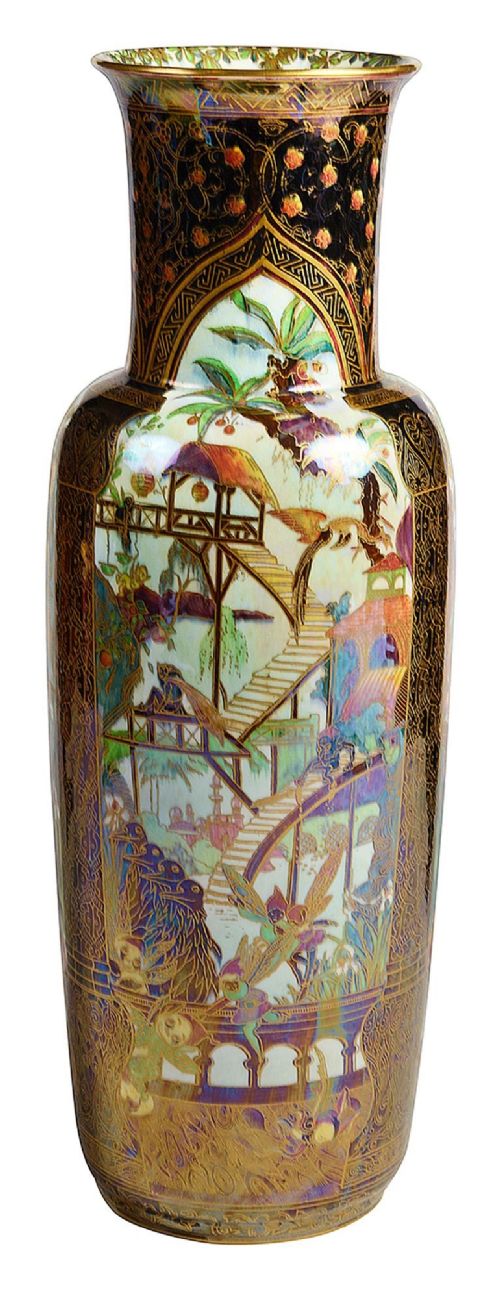
Surface finish often defines the character of the piece, with tin glazes, lustre finishes, and cobalt blue pigments appearing frequently across different eras. Many items also incorporate applied elements such as silver-plated mounts or jewelled cabochons to heighten their decorative impact.
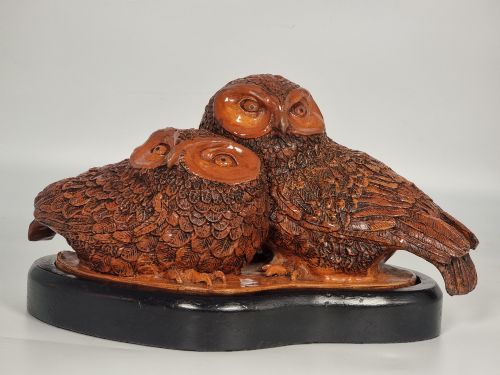
Among the ceramic menagerie, a pair of hand-sculpted pottery owls sits patiently on ebonised wooden bases, watching the room.
Judging Quality
Quality in vintage decorative pottery rests on the crispness of the moulding, the control of the glaze, and the precision of the hand-painting or enamelling. A superior piece displays confident brushwork, rich and even colour application, and a strong balance between form and surface decoration.
The reputation of the pottery or the individual decorator plays a significant role in distinguishing standard production from exceptional work. Well-executed pieces from notable workshops maintain sharper detail in relief elements and cleaner definition in transfer-printed or hand-finished motifs.
Doulton Lambeth·Wedgwood·Minton·Moorcroft·Boch Freres
The Vintage Decorative Pottery Glossary
- Charger plate
- A large ornamental dish intended for display on a wall, sideboard, or table rather than for serving food. These often feature pictorial scenes or complex repeating patterns.
- Earthenware
- Porous pottery fired at a relatively low temperature, typically glazed to make it watertight. It serves as the base body for many traditional and folk art ceramics.
- Faience
- Tin-glazed earthenware produced in Europe, particularly associated with French and Dutch traditions. It provides a smooth white background for painted decoration.
- Lustre
- A type of ceramic glaze that imparts a metallic sheen or iridescence through the reduction of metal oxides during firing. It catches the light differently depending on the viewing angle.
- Transferware
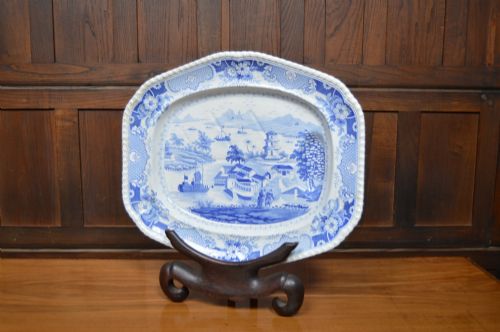
- Pottery decorated by applying a printed design from an engraved copper plate onto the ceramic surface using tissue paper. This technique allowed for intricate, repeatable patterns in blue, pink, or multi-colour.
Vintage Decorative Pottery: Frequently Asked Questions
What is vintage decorative pottery?
Vintage decorative pottery refers to ornamental ceramic objects made for display, including vases, plates, jugs, and figurines from various past eras.
These pieces showcase different glazing techniques, regional styles, and artistic movements that defined interior decoration over the centuries.
How were old ceramic glazes made?
Old ceramic glazes were typically composed of silica, fluxes, and metal oxides mixed together and fired onto the clay body at high temperatures.
Different oxides produced distinct colours, such as cobalt for blue or copper for green and red hues.
How do I display a large ceramic charger?
Large ceramic chargers are commonly displayed on sturdy plate stands placed on sideboards, mantels, or shelves where their full design can be seen.
Some chargers also feature integrated foot rings or mounting holes designed for secure wall hanging.
How can I tell the difference between earthenware and stoneware?
Earthenware is generally more porous and fired at lower temperatures, whereas stoneware is fired at higher temperatures until the clay vitrifies and becomes impermeable.
Stoneware tends to feel heavier and rings slightly when struck, while earthenware has a softer, more absorbent body.