


Vintage Decorative Plate
A vintage decorative plate brings hand-painted colour and historic craftsmanship directly onto a wall or cabinet.
Vintage Decorative Plate
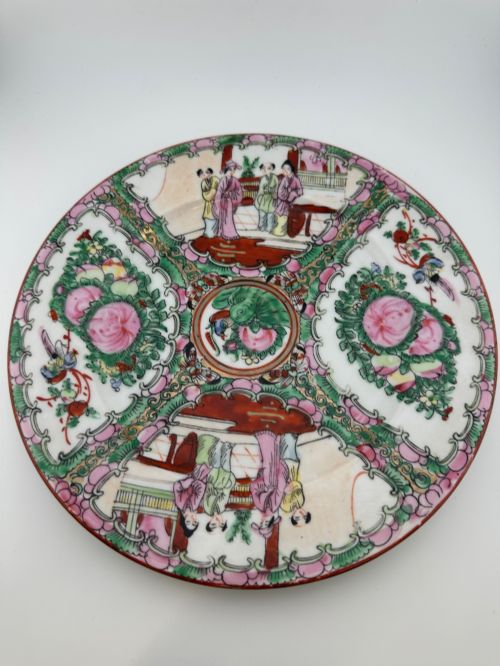
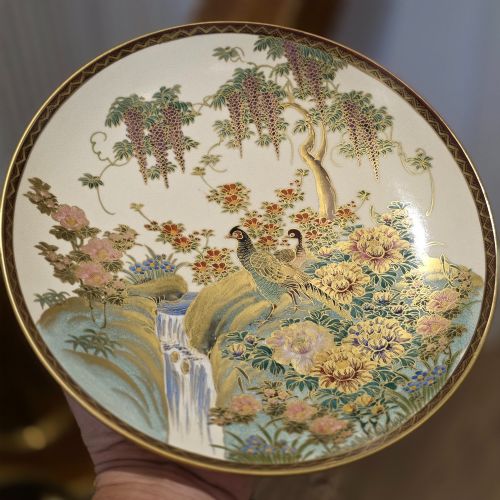
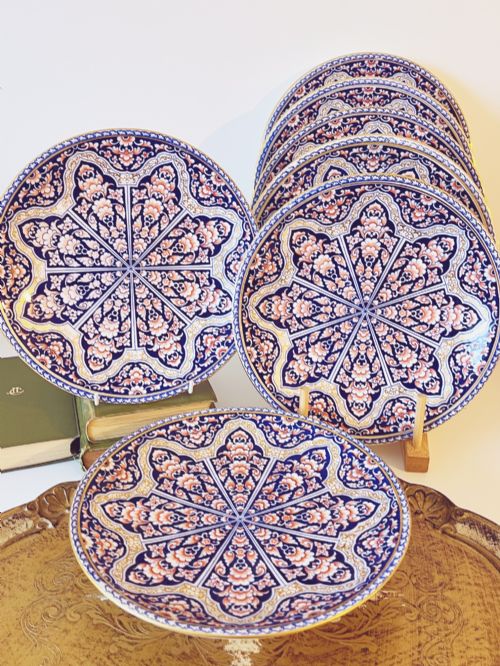
When you search for a vintage decorative plate, you encounter a wide variety of ceramic, porcelain, and earthenware vessels made to be displayed rather than used at the dining table. These pieces span centuries of production, including Victorian, Edwardian, and Art Deco eras, alongside traditional English, Japanese Imari, and Dutch Delft styles.
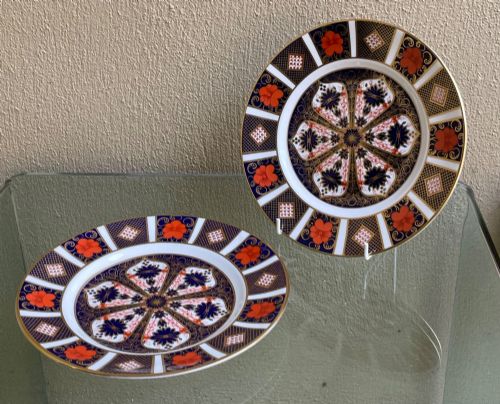
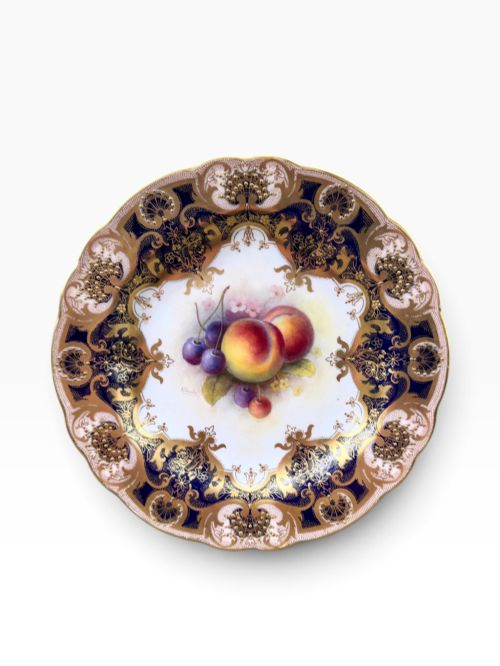
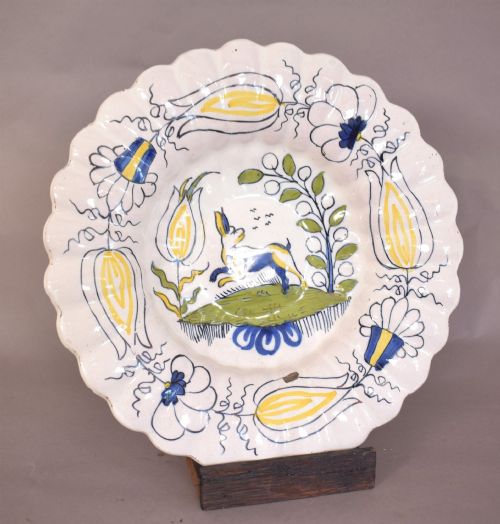
You are most likely to meet painted porcelain cabinet plates from makers like Royal Worcester, alongside large tin-glazed earthenware chargers and intricate Japanese export wares. Many examples feature detailed hand-painted fruit, floral studies, or blue and white transferware scenes.
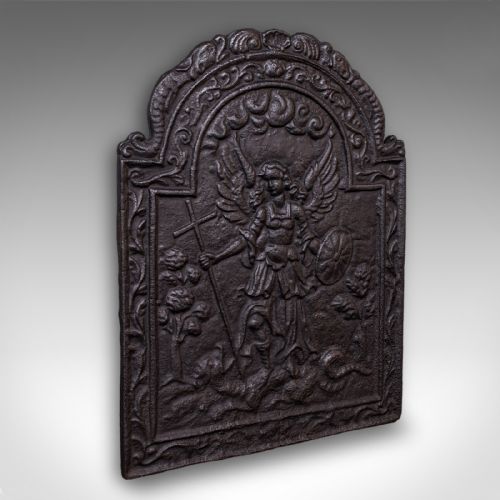
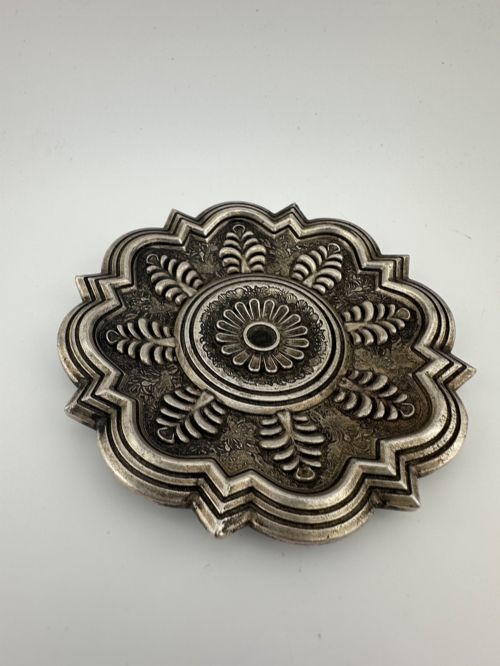
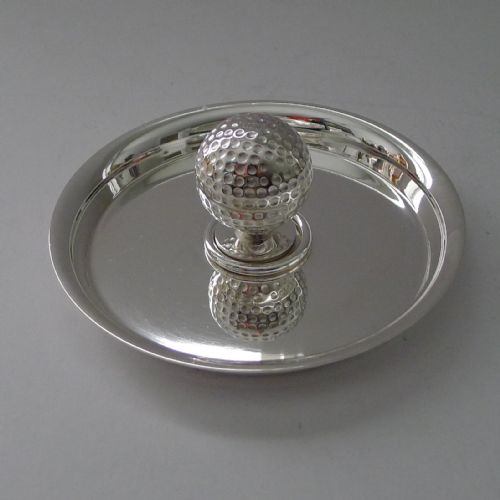
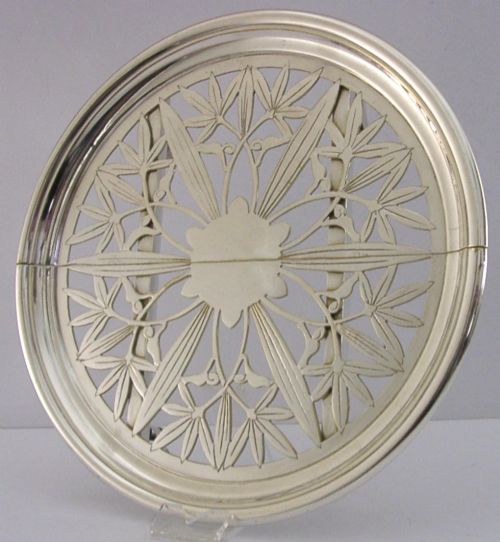
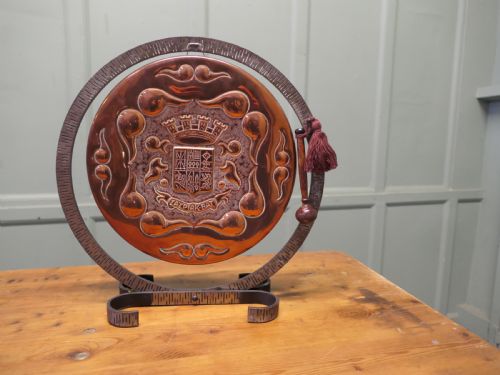
The category also encompasses metal vessels such as silver-plated novelty dishes and copper or white metal dishes, demonstrating that function often took a back seat to ornament. Each piece reflects the aesthetic priorities of its period, from classical hand-painted fruit to bold Orientalist designs.
Materials and Techniques
Makers shaped these objects using traditional ceramic bodies like porcelain, earthenware, and faience, alongside metals including silver plate, copper, brass, and white metal. Porcelain and earthenware vessels typically received an opaque tin glaze or a clear lead glaze before undergoing multiple firings in kiln ovens.
Decoration relied heavily on manual skill, employing hand-painting with polychrome enamel pigments, delicate gold leaf gilding, and intricate blue and white transfer printing. Metal items utilised hand-hammering, patination, and silver plating techniques to achieve their finished surfaces.
Listings feature pieces spanning the Victorian period, Art Deco style, and Japanese Imari traditions, worked in porcelain, earthenware, and silver plate.
Assessing Quality
Quality in a vintage decorative plate rests primarily on the skill of the painter and the clarity of the ceramic body. Pieces featuring detailed, hand-painted botanical or fruit studies by known artists stand well above standard factory transfers.
The crispness of the moulding, the evenness of the glaze application, and the richness of the gold leaf or enamel work determine the standing of an individual piece within its period.
Royal Worcester·Royal Crown Derby·Doulton Lambeth·New Hall·Valenti Barcelona
The Vintage Decorative Plate Glossary
- Cabinet plate
- A fine decorative plate intended solely for display in a cabinet or on a wall rather than for everyday dining use.
- Charger
- A large ornamental plate or dish, frequently hung on walls or used as a base setting during formal historic meals.
- Imari
- A style of Japanese export porcelain characterised by a distinct palette of underglaze blue, iron red, and gold.
- Faience
- European tin-glazed earthenware, often associated with Dutch Delft and French decorative wares.
- Transferware
- Pottery decorated by applying a printed paper design from an engraved copper plate onto the ceramic surface.
Vintage Decorative Plate: Frequently Asked Questions
How were decorative plates displayed in the past?
Historic interiors frequently utilised wall brackets, plate rails, or specialised wire hangers to showcase fine porcelain and chargers in reception rooms.
Cabinet plates were also stored behind glass in display furniture to protect delicate enamel and gold leaf details from dust and damage.
What is the difference between a plate and a charger?
Chargers are significantly larger than standard dining plates, generally measuring well over thirty centimetres across.
While standard plates served food, large chargers typically acted as decorative centrepieces on sideboards or were hung on walls.
How do I identify the date of a porcelain plate?
Manufacturers frequently stamped or painted factory marks, cyphers, or registration numbers onto the unglazed underside of the ceramic body.
Reference guides map these specific symbols and date codes to particular years of production and individual ceramic artists.