

Vintage Craft Table
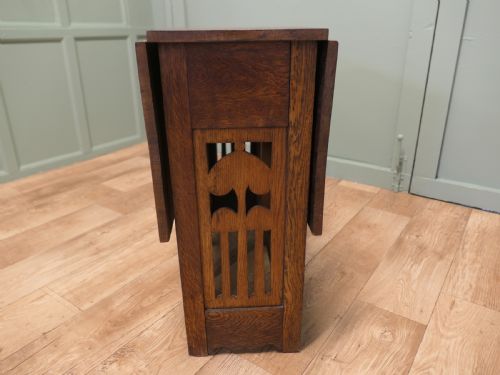
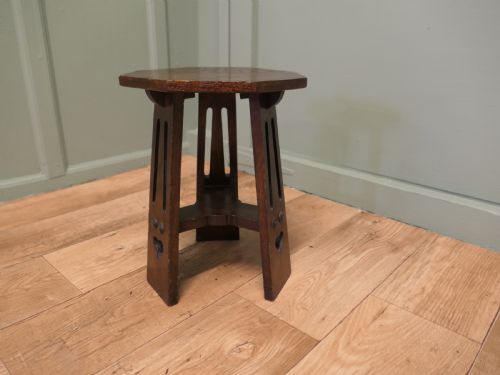
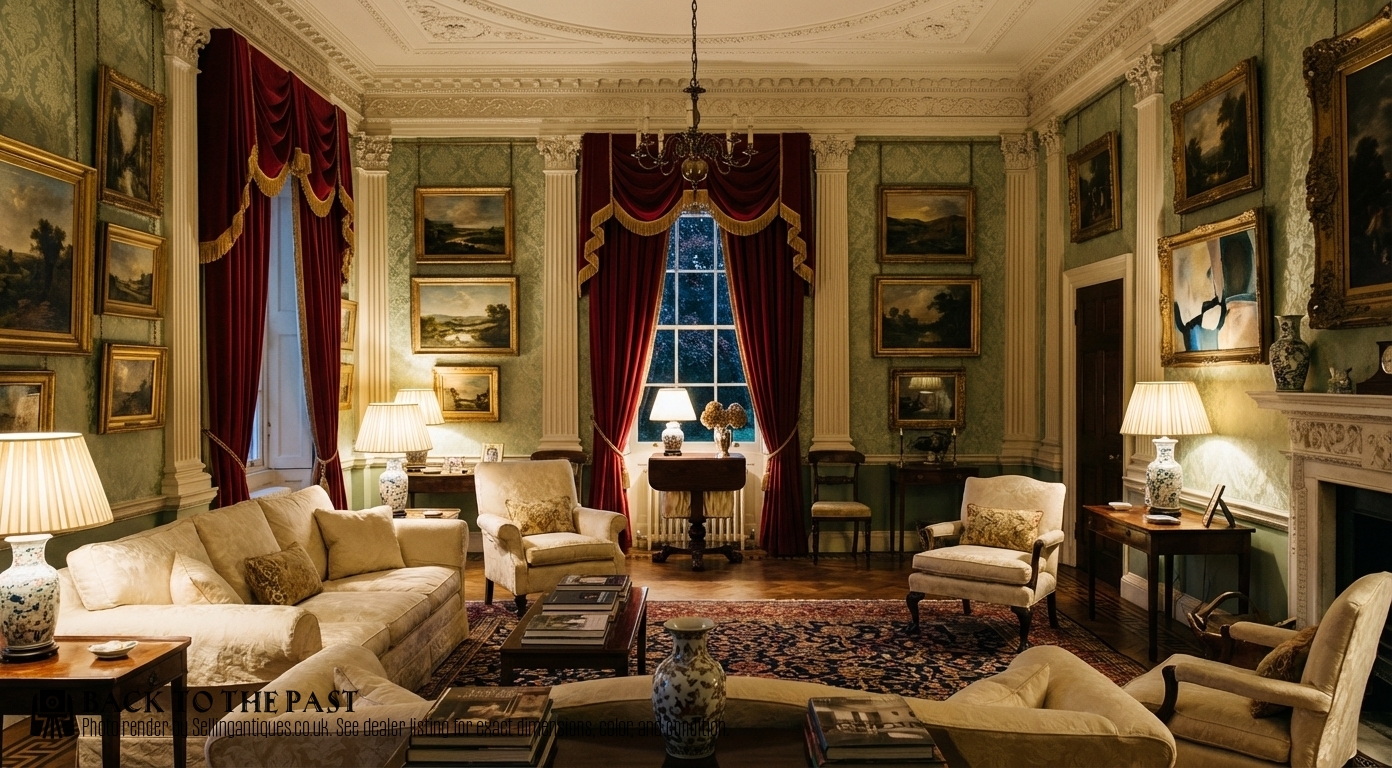
A vintage craft table brings honest construction and utility into a room, offering sturdy oak and simple lines rooted in the Arts and Crafts movement.
Vintage Craft Table
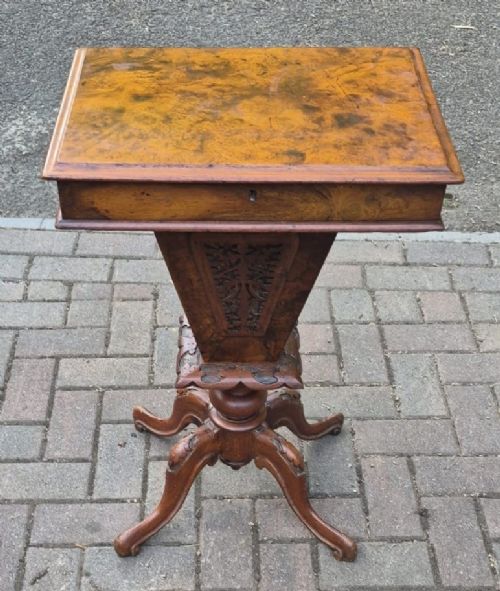
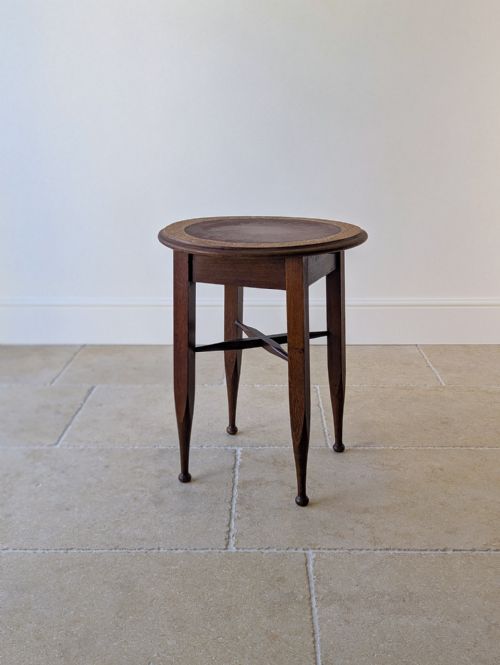
When searching for a vintage craft table, buyers encounter practical pieces designed for utility and simple grace rather than ornate display. These items span periods from the Victorian era and the turn of the twentieth century through the Edwardian years and into the 1930s.
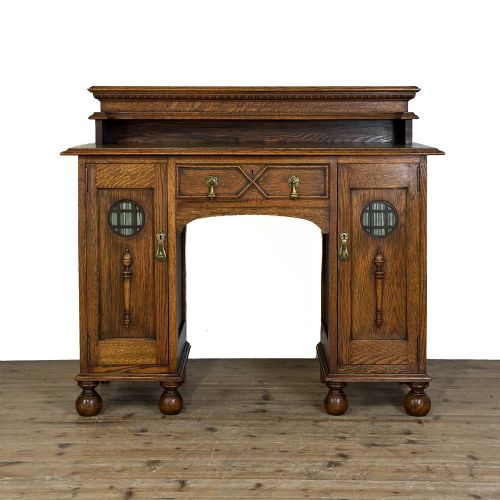
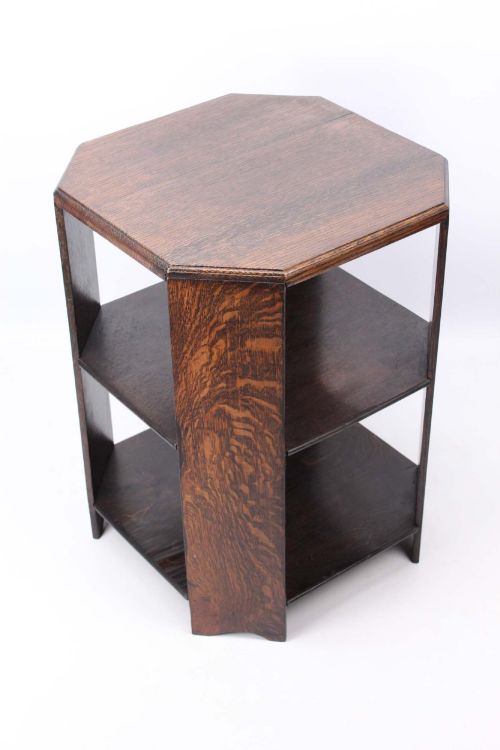
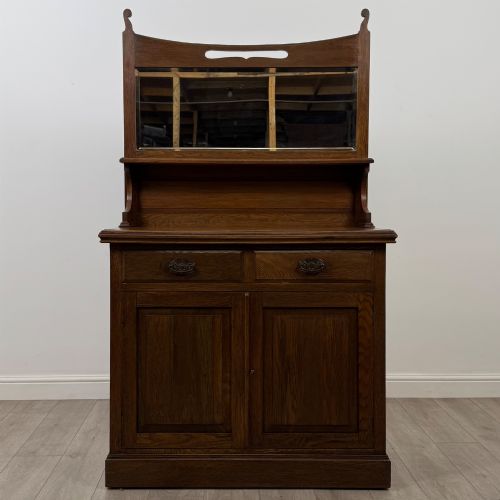
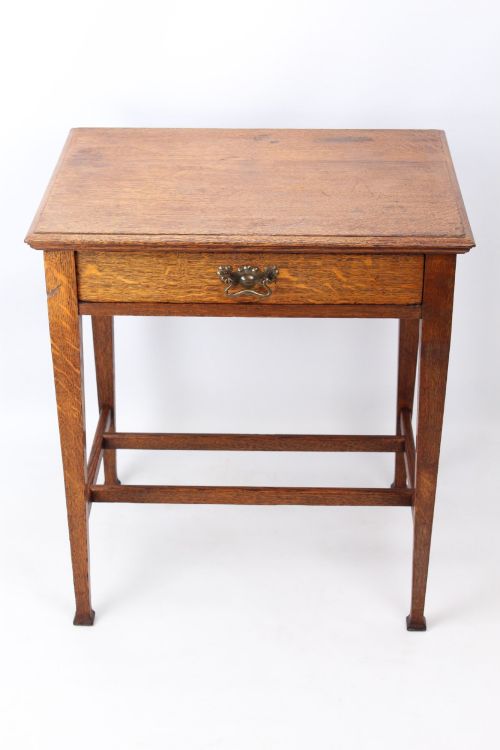
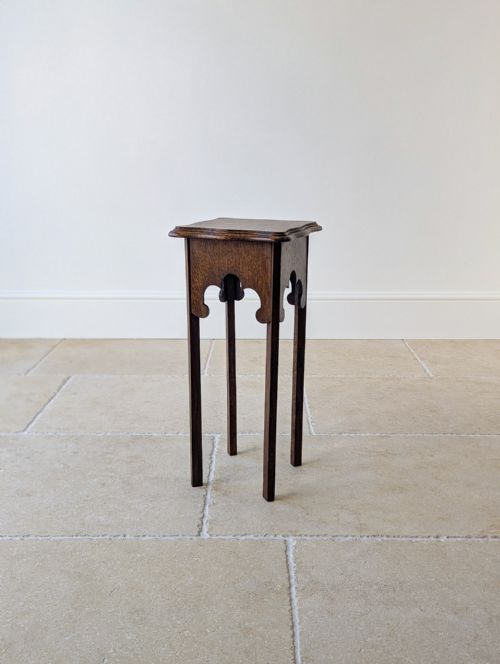
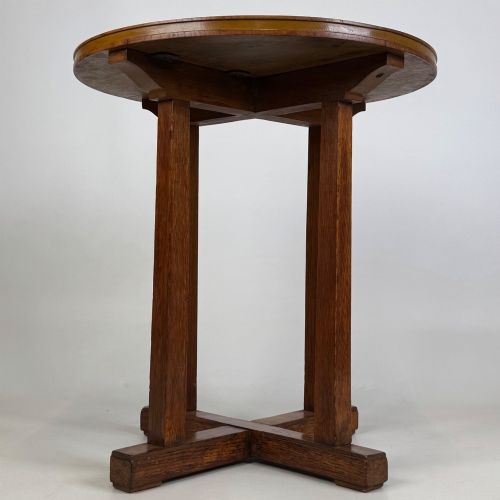
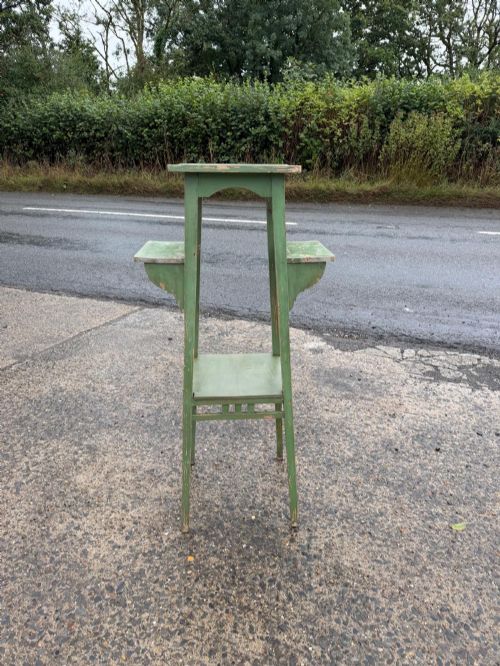
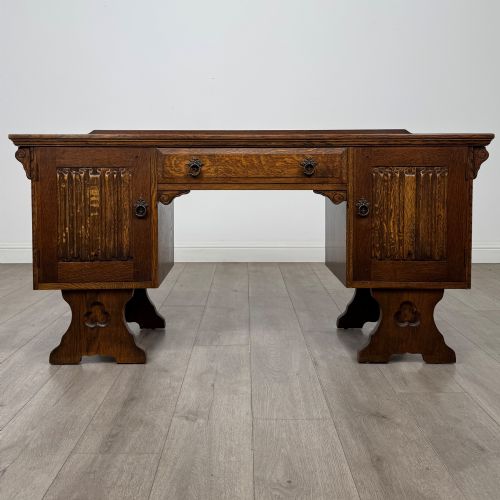
The selections most frequently met on this page are oak side tables, plant stands, and desks reflecting Arts and Crafts, Cotswold School, or Gothic Revival styles. Makers embraced sturdy timbers and functional forms that suited everyday domestic life and workspaces.
Beyond standard side tables, the listings include occasional tables, writing desks, and tiered stands that demonstrate the period focus on honest joinery. Buyers select these works to anchor a room with unpretentious materials and historical character.
Materials and construction methods
Makers relied heavily on solid oak, walnut, ash, and pitch pine, choosing timbers that showed natural grain and accepted simple wax finishes. Brass and iron appeared in hardware, brackets, and adjustable lamps, providing functional contrast to the warm wood.
Construction relied on traditional joinery techniques such as mortise and tenon joints, chip carving, and hammered patination on metal elements. These methods ensured durability and honesty of structure, allowing the natural properties of the materials to lead the design.
One lonely fruit bowl centrepiece waits patiently among the tables, carved with a fruiting vine to remind everyone of snack time.
Assessing quality in craft furniture
The presence of maker stamps, thoughtful proportions, and clean, unpretentious execution separate standard utility items from distinguished workshop productions. Weight, stability, and the retention of original brass hardware or waxed surfaces further distinguish better examples.
Edward Barnsley·W.A.S. Benson·Dryad of Leicester
The Vintage Craft Table Glossary
- Arts and Crafts
- A design movement valuing handcraft, traditional skills, and honest construction over mass production. It shaped domestic furniture and metalwork around the turn of the twentieth century.
- Cotswold School
- A regional offshoot of the Arts and Crafts movement focused on solid wood furniture made with visible, traditional joinery. Pieces from this tradition prioritize plain surfaces and structural clarity.
- Linenfold
- A style of wood carving used on panels to imitate folded linen. It appears frequently on cupboards and desk fronts from revival periods.
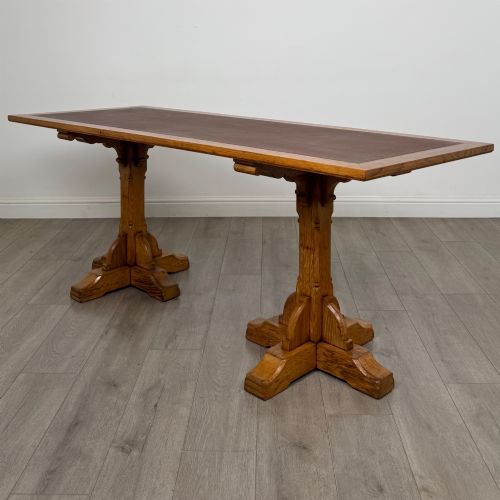
- Refectory table
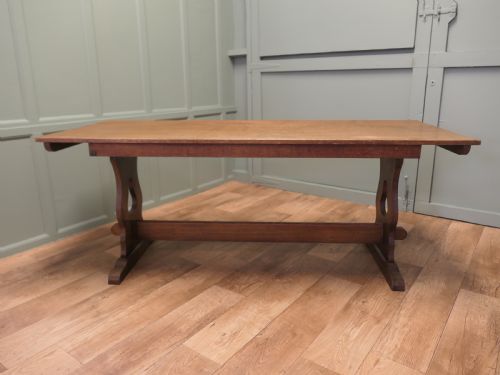
- A long, narrow dining table built for communal meals with sturdy legs and structural stretchers. They provide substantial surface area in dining and kitchen spaces.
- Planished
- A metalworking technique involving light hammering to shape and texture the surface. It leaves a distinctive faceted pattern on copper, brass, and silver objects.
Vintage Craft Table: Frequently Asked Questions
What is the difference between an occasional table and a side table?
An occasional table is generally lightweight and designed to be moved easily around a room as needed for drinks, books, or lamps. A side table tends to remain in a fixed position against a wall or beside seating.
Both forms appear frequently in oak and walnut across the Edwardian and Victorian periods featured on this page.
How should I care for a waxed oak vintage table?
Maintain the finish by applying a quality beeswax periodically and buffing it gently with a soft cloth. Avoid placing the timber in direct sunlight or near heat sources to prevent drying.
Using coasters and placemats protects the historical waxed surface from moisture rings and daily wear without requiring heavy restoration.
Are these tables suitable for daily use?
Solid timber construction and robust joinery make these pieces well-suited for everyday workspaces, dining areas, and living rooms. Their sturdy frames handle regular tasks easily.
Living with these items involves appreciating their practical origins while using simple coasters and soft cloths to preserve their aged wooden surfaces.