


Vintage Country Tapestry
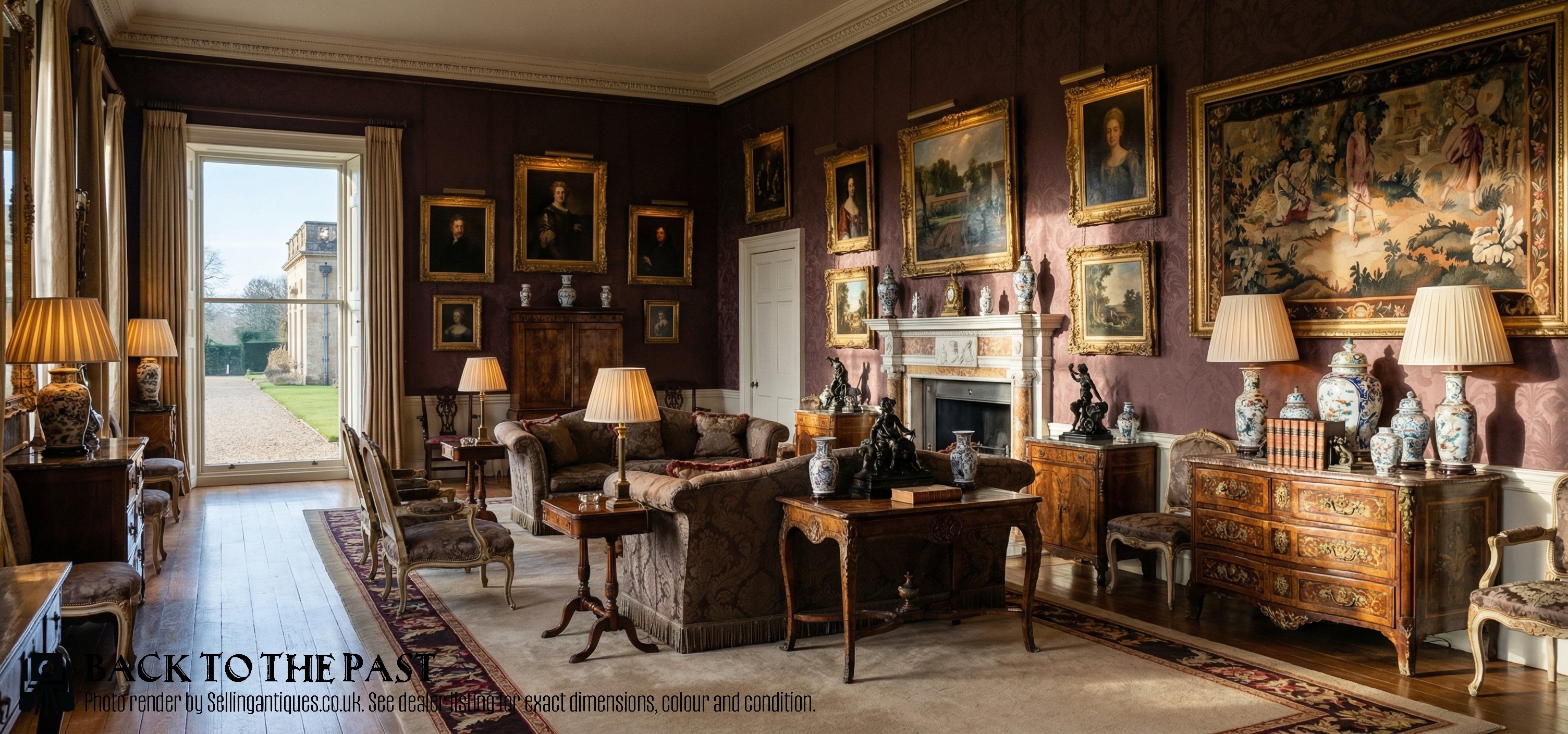
Vintage country tapestry pieces bring texture and historical character into a room through woven textiles, framed fragments and upholstered seating.
Vintage Country Tapestry
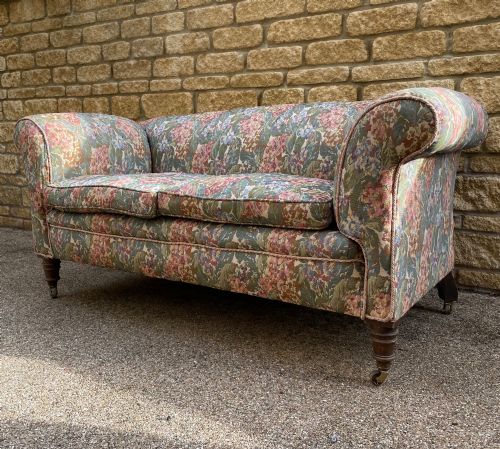
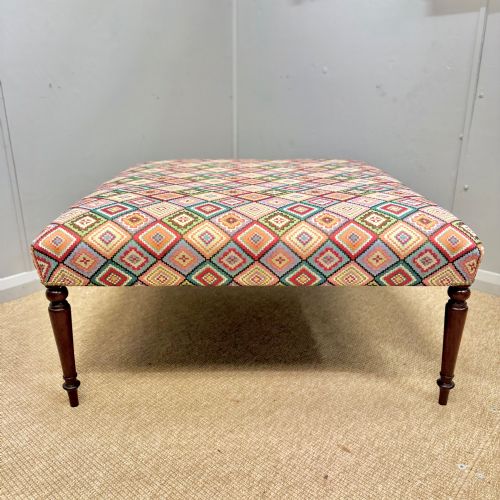
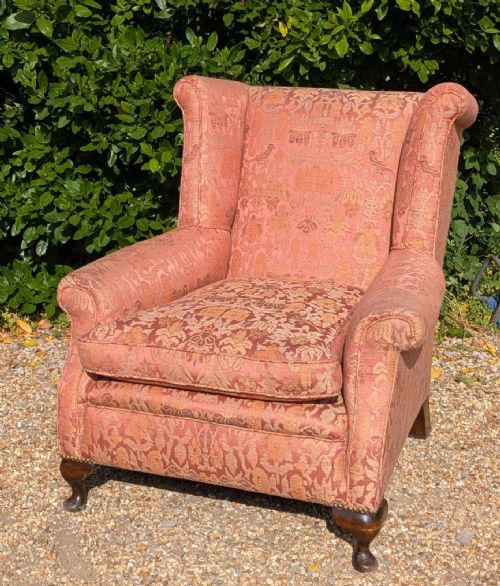
Vintage country tapestry encompasses a varied collection of decorative textiles and period furniture upholstered in woven needlework, wool and cotton. When exploring vintage country tapestry, buyers will encounter everything from large wall hangings and carpets to smaller cushions, footstools and armchairs.
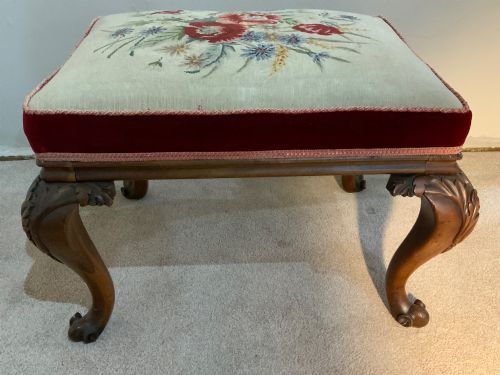
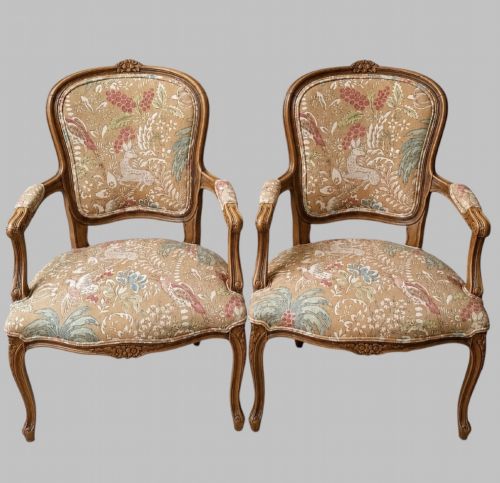
The pieces on this page span the seventeenth century through to the 1930s, incorporating English country house styles alongside French chateau and revival designs. Sofas, settees, open armchairs and footstools dominate the seating options, often featuring floral or geometric needlepoint panels.
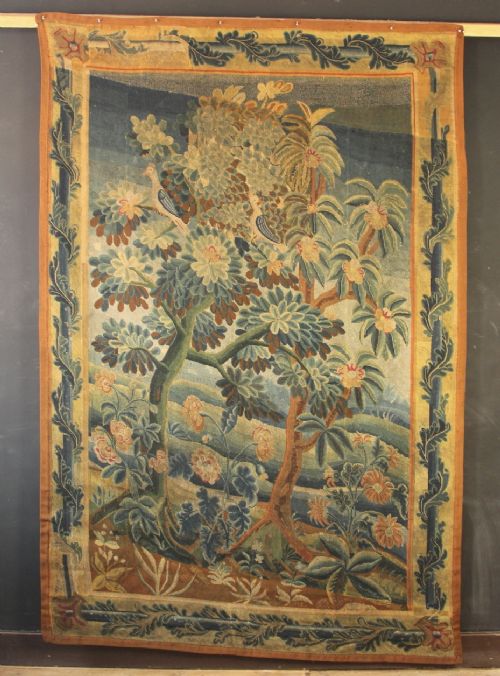
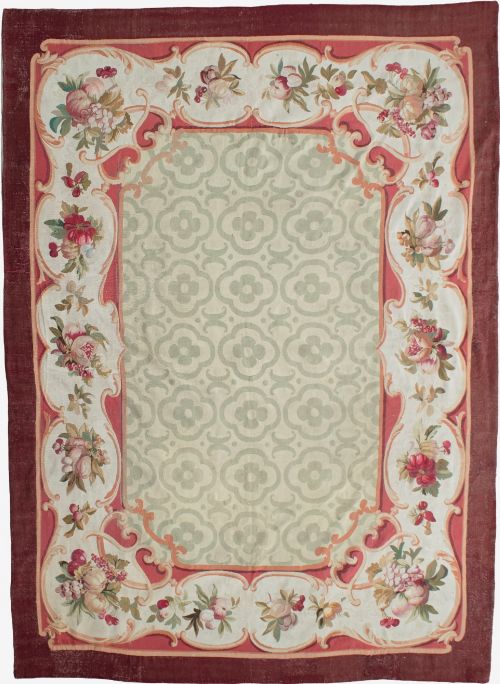
Wall tapestries and Aubusson carpets provide larger decorative wall and floor coverings, while smaller items like cushions and fire screens offer subtle accents. Most examples draw upon nineteenth-century and early twentieth-century craftsmanship, reflecting traditional European textile traditions.
Distinctions in quality
Quality rests upon the fineness of the weave, the intricacy of the needlework and the integrity of the underlying wooden frame. Finer examples display tight, dense textile work and substantial timber structures like carved walnut or mahogany.
The pedigree of the design also separates standard items from exceptional ones, particularly pieces attributed to known makers or specific regional workshops. Preservation of the original textile colours and the harmonious integration of fabric to frame dictate the overall standard.
One clever piece hides its textile duties inside a metamorphic fire screen that transforms into an occasional table.
Hallett & Sons
The Vintage Country Tapestry Glossary
- Aubusson
- A traditional type of French carpet or tapestry woven in the town of Aubusson, known for floral and architectural motifs. These textiles are often utilised on carpets, cushions and wall panels.
- Fauteuil
- An open-framed armchair with upholstered armrests, originating in France during the seventeenth century. These chairs frequently feature exposed wood and needlepoint upholstery.
- Needlepoint
- Embroidery stitched onto a canvas mesh foundation to create dense, durable pictorial or geometric patterns. It forms the primary seat cover material on many period stools and chairs.
- Knowle Sofa
- A traditional English sofa style characterised by high, adjustable drop arms held in place by cords and wooden finials. This form typically accommodates loose cushions and upholstered upholstery.
- Toile de Jouy
- A cotton or linen fabric featuring printed pastoral or historical vignettes, usually in a single monochrome colour. Framed fragments appear as decorative wall pieces.
Vintage Country Tapestry: Frequently Asked Questions
How do I clean a vintage tapestry cushion?
Surface dust can be removed gently using a soft brush or a low-suction vacuum attached through a mesh screen. Professional textile cleaning is recommended for deeper maintenance to protect old fibres.
Avoid using water or chemical spot cleaners directly on antique wool and silk needlework, as moisture can weaken aged threads and alter colours.
Where should I place a wall tapestry?
Hang textiles on interior walls away from direct sunlight and dampness to prevent fading and material degradation. A sturdy backing rod or wooden batten distributes the weight evenly across the top edge.
Keep tapestries clear of direct heat sources like radiators to ensure the natural wool and cotton fibres do not dry out over time.
How do I identify a French Chateau armchair?
French chateau armchairs, such as fauteuils, typically exhibit carved wooden frames, exposed walnut or painted finishes, and curved cabriole legs. Their upholstery often incorporates floral needlepoint or Aubusson tapestry panels.
Look for refined proportions and decorative detailing that reflect nineteenth-century revivals of Louis XIV, XV or XVI styles.
Can I use an antique footstool daily?
Period footstools built with solid timber frames and sturdy wool or cotton upholstery are generally suitable for everyday use as footrests or casual seating. Inspect the wooden joints and textile tension periodically to ensure stability.
Heavier usage may require placing protective pads underneath and keeping the piece away from heavy wear in high-traffic hallways.