
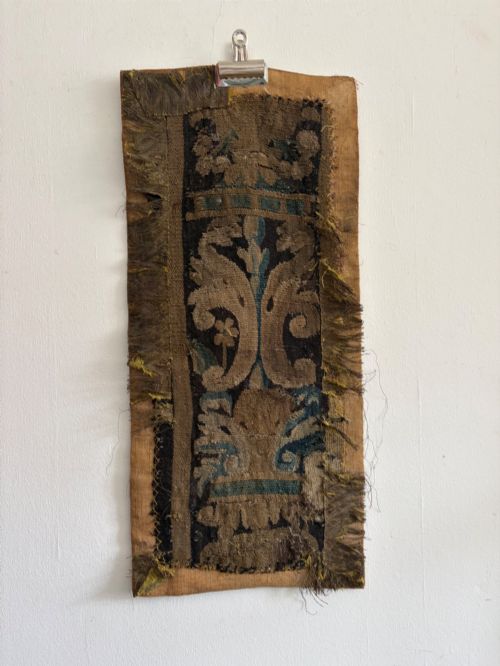

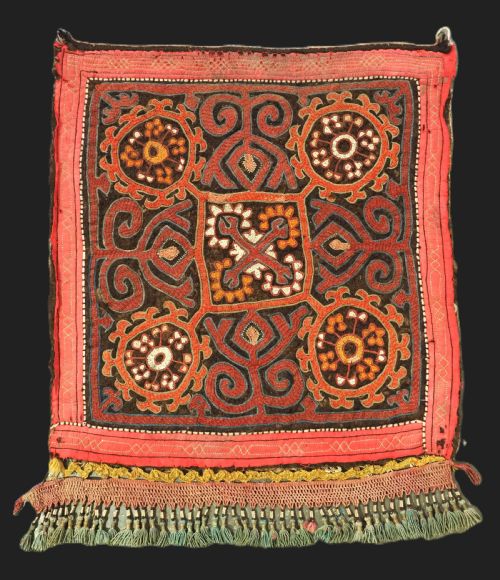
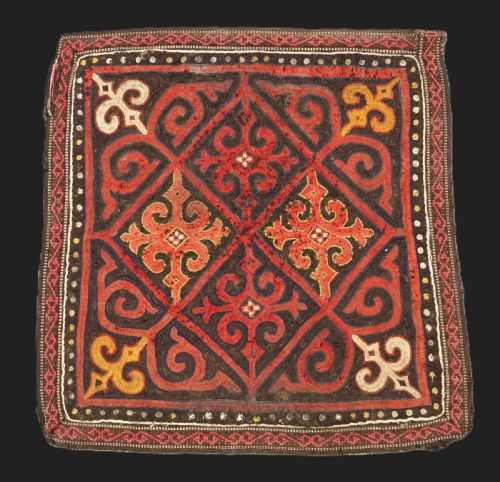


Brown Wool Wall Hanging
When choosing a brown wool wall hanging, you select an enduring textile panel woven or embroidered by nomadic and tribal makers.
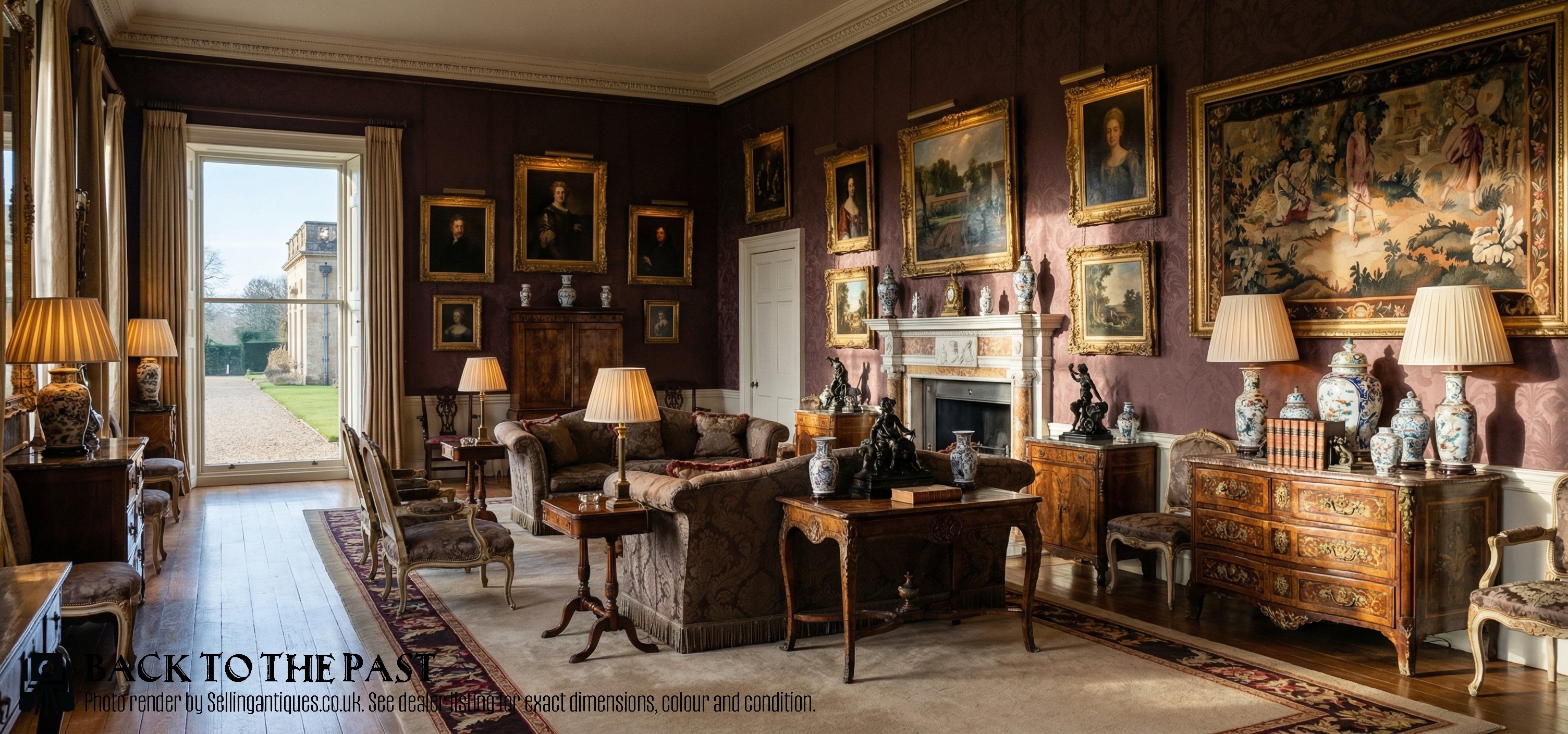
Brown Wool Wall Hanging
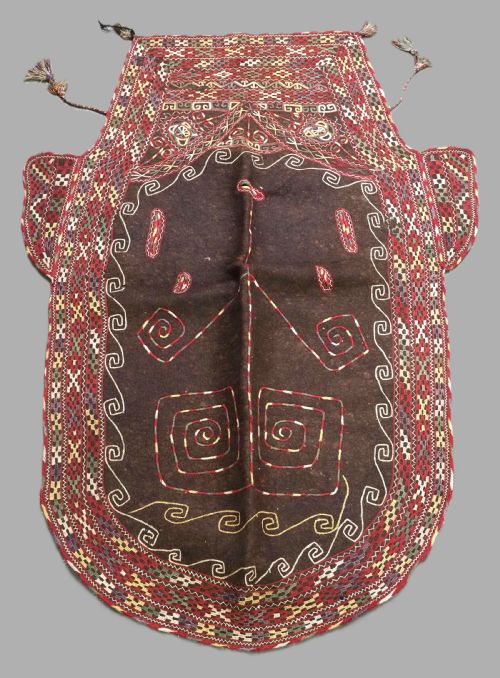
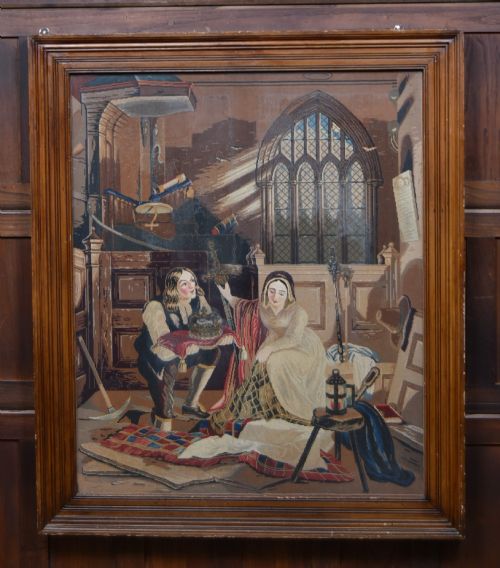
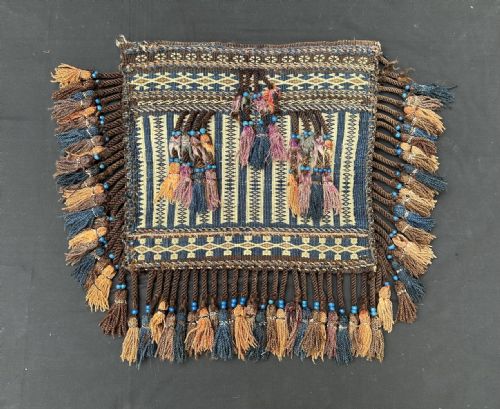
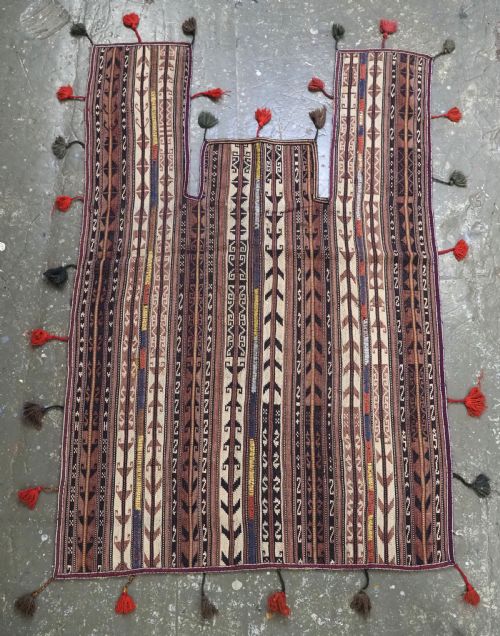
A brown wool wall hanging encompasses tribal textiles, storage bags, tent bands, and verdure tapestries originating from nomadic and regional communities. Buyers encounter formats spanning nineteenth-century Turkmen torbas, Kirghiz felt panels, and European tapestry fragments adapted for interior display.
How they were made
Pieces rely on natural wool, hand-spun wool, and felted wool, frequently combined with cotton foundations or mounted to linen support fabrics. Artisans utilised natural dyes to achieve rich earth tones, underpinning structured flatweaves, pile weavings, and detailed embroideries.
Techniques range from nomadic loop-pile knotting and banded flatweaves to applied felt fringe work and medieval-style tapestry weaving. Structural integrity often involves robust wood or canvas backing systems designed to support heavy textile weight on walls.
Some tent bands stretch across fifty feet of woven nomadic history, proving that ancient weavers possessed exceptional dedication.
What varies in quality
Quality rests upon the fineness of the hand-spun wool, the precision of tribal gul designs, and the stability of the foundational weave. Pieces retaining original backs, complete fringes, and authentic structural elements command greater appreciation among collectors.
The sophistication of natural dye palettes and the intricacy of needlework or flatweave execution separate standard utility items from masterwork tribal expressions. Condition preservation relative to age dictates the overall visual impact of each mounted textile panel.
The Brown Wool Wall Hanging Glossary
- Torba
- A small Turkmen storage bag traditionally used inside a tent. These rectangular pieces frequently feature primary gul medallions.
- Mafrash
- A larger rectangular storage container or transport bag produced by nomadic tribes. They display banded flatweave or pile-woven designs.
- Verdure
- A style of tapestry featuring green or earthy landscape foliage. These panels often depict woodland scenes with trees and flora.
- Sofreh
- A flatwoven textile used historically for dining or bread preparation in Persian households. They display geometric motifs and durable flatweave structures.
- Gul
- A primary medallion or repeating octagonal motif used in Turkmen carpet and textile design. Each tribal group utilises distinct gul variations.
Brown Wool Wall Hanging: Frequently Asked Questions
How do I hang a heavy textile safely?
Mounting heavy wool panels requires distributing the weight evenly across a concealed wooden batten or rigid backing board. Stitching the textile to a linen sleeve prevents direct strain on fragile historic fibres.
Ensure the support anchors securely into wall studs rather than plaster alone. This method protects the weave from sagging or tearing over time.
Are these items authentic antiques?
The inventory comprises nineteenth-century and early twentieth-century textiles produced by tribal and nomadic makers. Materials consist of hand-spun wool and natural dyes characteristic of traditional village manufacture.
Signs of age and tribal use confirm their historic origins. Each piece reflects the functional traditions of its specific region.
How do I clean an antique wool wall hanging?
Historic wool textiles require gentle surface maintenance rather than immersion washing. Light vacuuming through a protective mesh screen removes surface dust safely.
Professional textile conservators should handle deep cleaning or stain removal. Aggressive washing damages delicate natural wool fibres and historic dyes.