


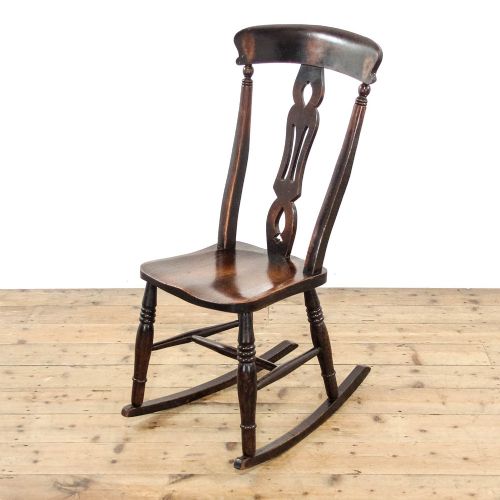
Vintage Country Rocker
These vintage country rocker pieces offer vernacular comfort and enduring motion, drawing you in with traditional regional forms and timeworn wooden surfaces.
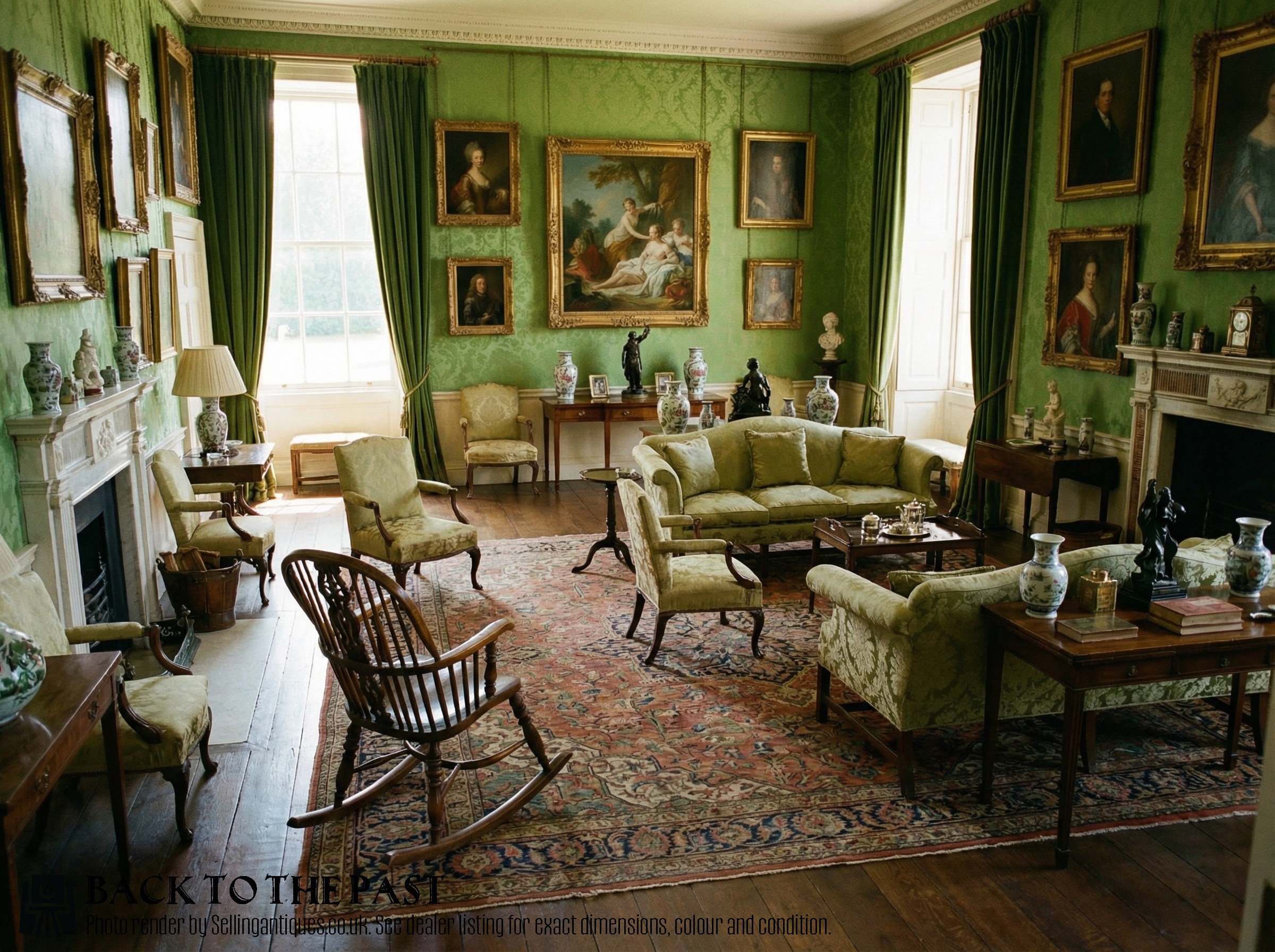
Vintage Country Rocker
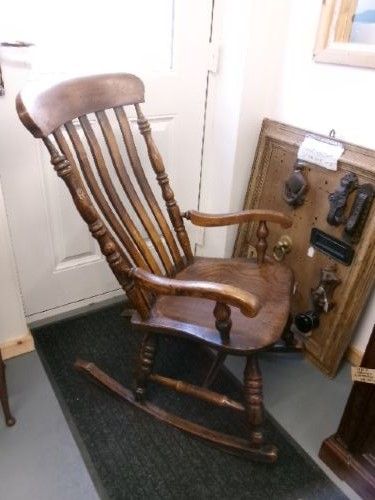
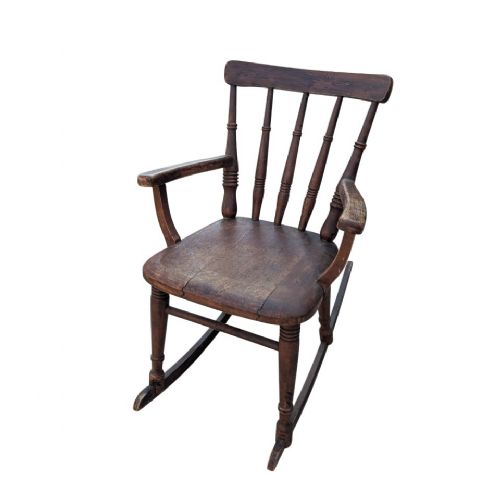
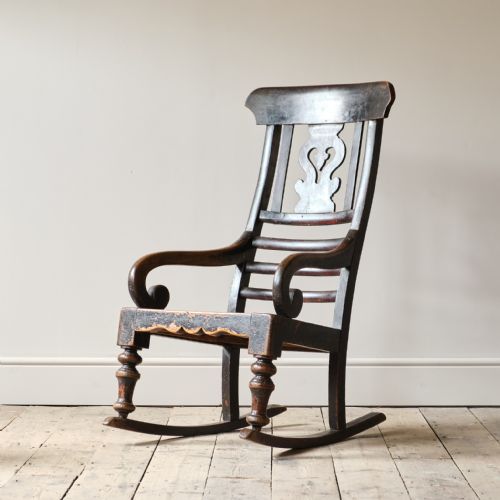
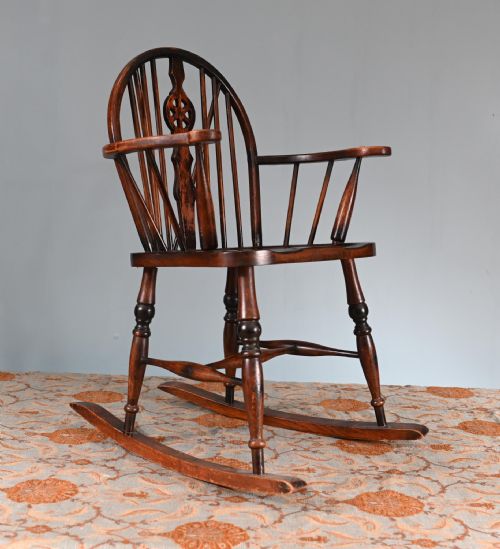
When you search for vintage country rocker, you encounter practical seating and sleeping forms designed for simple interiors. The selection spans robust rocking chairs, child armchairs, and panelled cradles.
Most examples originate from the eighteenth and nineteenth centuries, including Victorian and Regency eras. Regional vernacular styles predominate, ranging from English country Windsor designs to Scottish and Swedish variants.
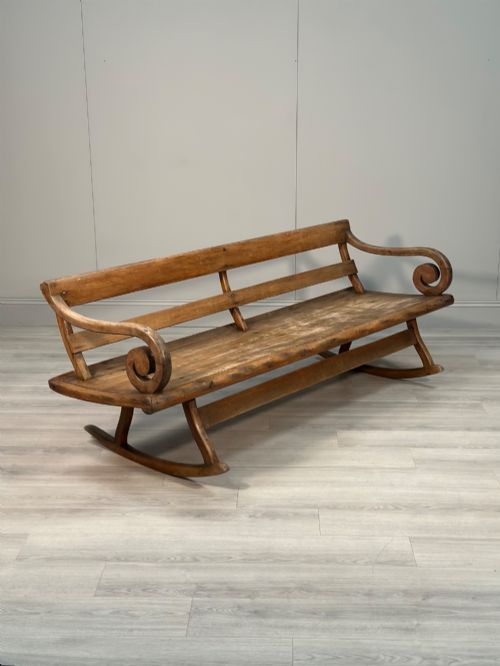
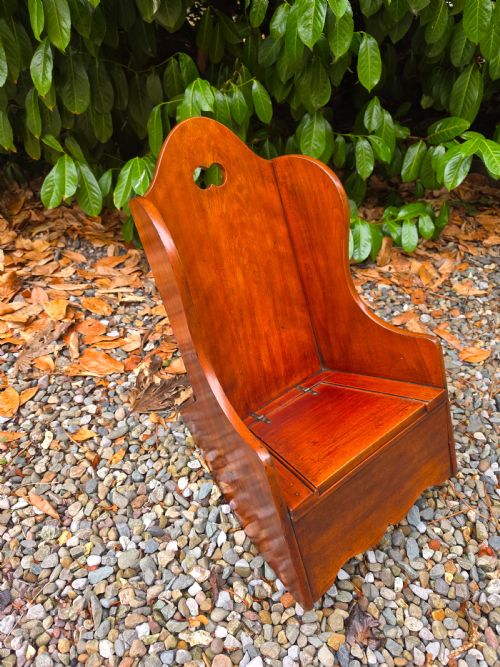
Smaller formats appear frequently, including child potty rockers and miniature spindle backs. Larger pieces take the form of rocking settles and farmhouse armchairs built for domestic utility.
How they were made
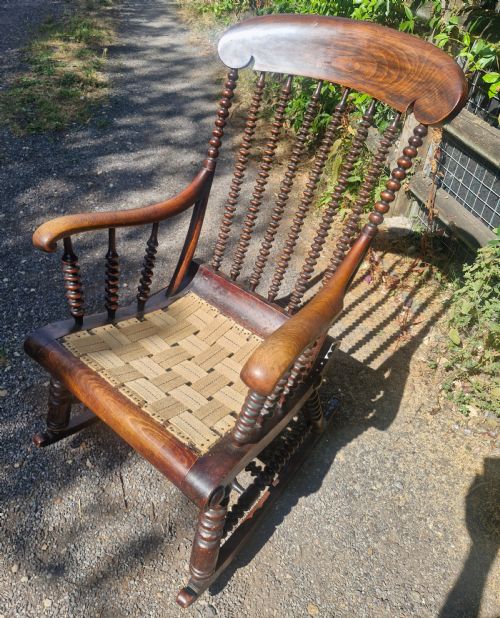
Local timbers dictate the construction, utilising native hardwoods and softwoods such as oak, elm, beech, ash, fruitwood, pine, and mahogany. Carpenters shaped these woods into spindle backs, bobbin frames, and ladder backs.
Seating areas rely on traditional woven materials like rush and sea grass, alongside solid wooden planks and leather inserts. Many surviving frames retain traces of original paint or ebonised finishes applied by hand.
What varies in quality
The refinement of the turning and the harmony of the proportions separate simpler utility pieces from finer vernacular outputs. A well-balanced spindle arrangement and elegant arm bow reflect superior regional craftsmanship.
Surface preservation heavily influences the character of each piece. Original untouched paint finishes or rich patinated timber surfaces hold distinct visual integrity compared to stripped or heavily altered examples.
The Vintage Country Rocker Glossary
- Windsor
- A chair built with a solid wooden seat into which the legs and back spindles are separately tenoned. This construction method provides notable structural strength.
- Vernacular
- Everyday domestic objects made by regional makers following local traditions rather than strict academic design patterns. These pieces prioritise functional utility.
- Spindle back
- A chair back constructed from numerous thin, turned vertical wooden rods. These components offer lightweight support.
- Rocking settle
- A high-backed wooden bench mounted on curved rockers to allow gentle movement. They often feature panelled lower sections to block draughts.
Vintage Country Rocker: Frequently Asked Questions
What defines a country rocking chair?
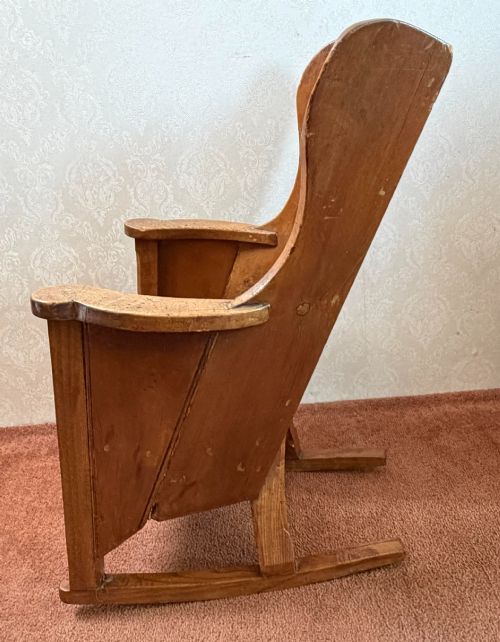
These chairs are vernacular seating pieces built by regional carpenters using local timbers like elm, oak, and beech. Their forms derive from traditional Windsor, ladder back, or spindle designs intended for domestic comfort.
They often feature curved wooden rockers attached to the base, allowing a gentle motion suited to farmhouses and cottages.
How do I identify a child version?
Smaller dimensions distinguish child variants, which scale down adult armchair and rocking formats for younger occupants. Many examples replicate full-size Windsor or potty chair patterns.
These smaller pieces demonstrate the same careful timber turning and joinery found in adult furniture.
Why do some rockers have painted finishes?
Original paint finishes served to protect cheaper or mixed softwoods used in regional furniture construction. Over time, these coatings age and develop distinct patinas.
Surviving paint provides evidence of period interior decoration and regional aesthetic choices.
What is the difference between a cradle and a rocker?
Cradles are enclosed sleeping cribs mounted on rockers or curved bases designed for infants. Rockers function primarily as seating furniture for adults or children.
Both utilise similar wooden construction techniques like panelled pine or joined oak.