
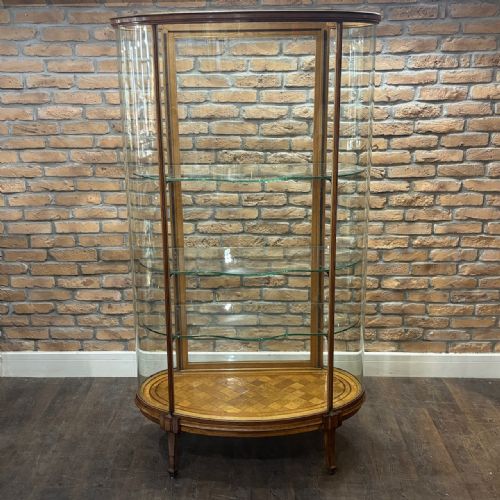
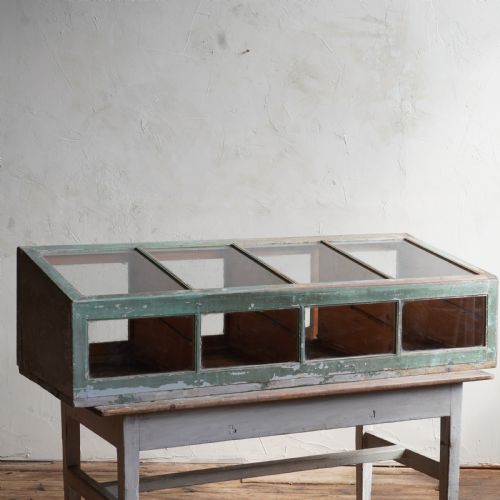
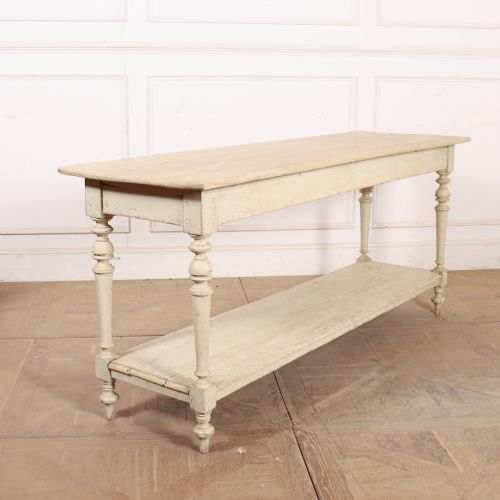
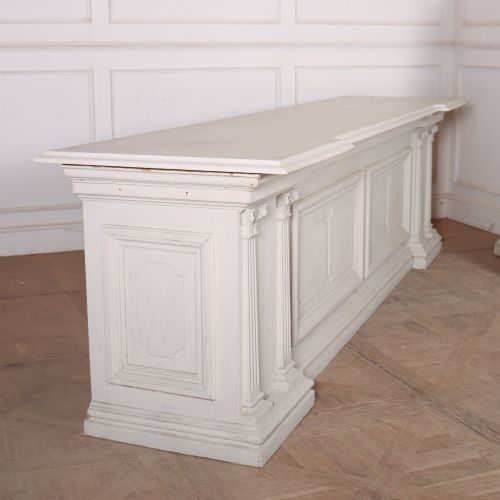




Vintage Counter Display
These vintage counter display pieces are authentic commercial shop fittings designed to showcase merchandise, bringing practical heritage utility and structured display space into modern interiors.
Vintage Counter Display
When searching for a vintage counter display, collectors encounter commercial shop fittings originating from the nineteenth and early twentieth centuries, spanning periods from the Victorian era through the Art Deco epoch.
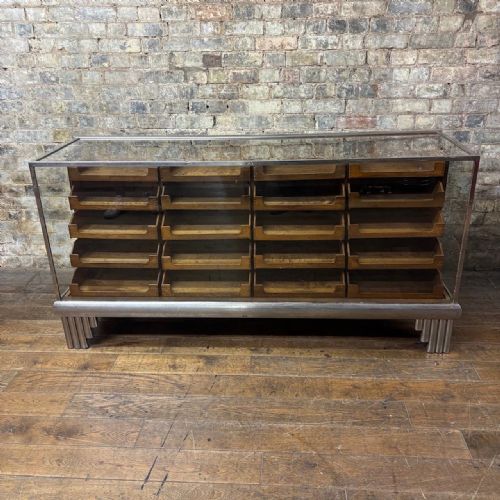
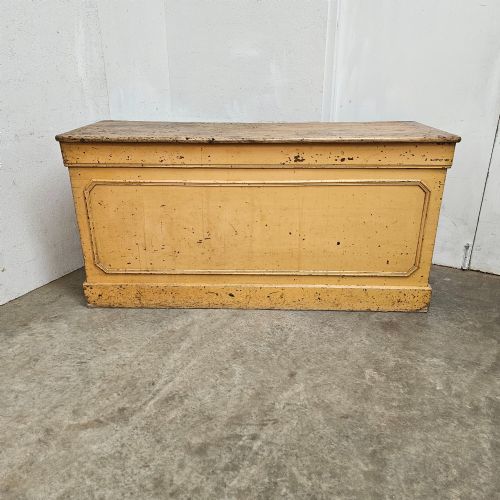
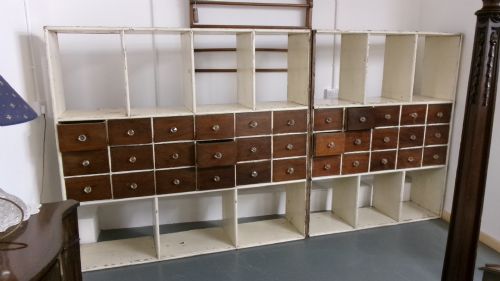
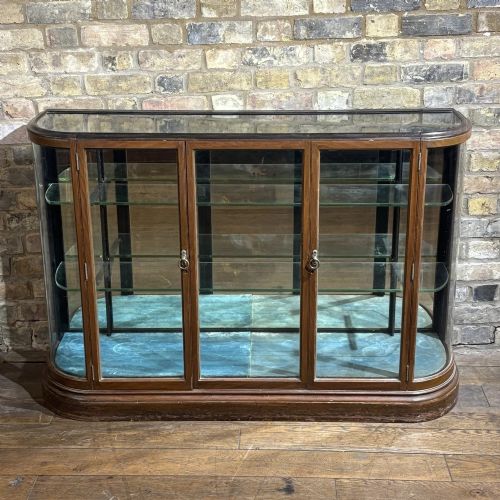
The category encompasses substantial shop counters, haberdashery drawer units, and smaller glazed tabletops designed to sit upon existing surfaces to showcase goods.
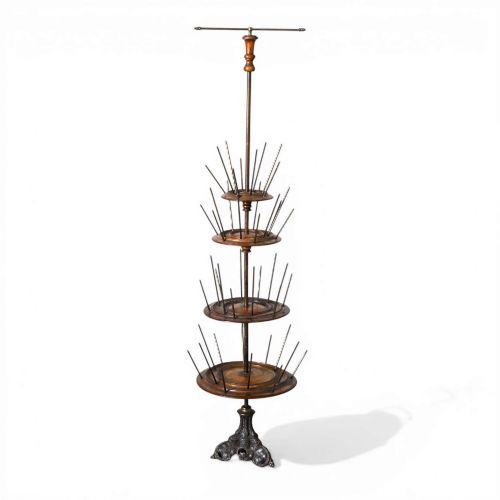
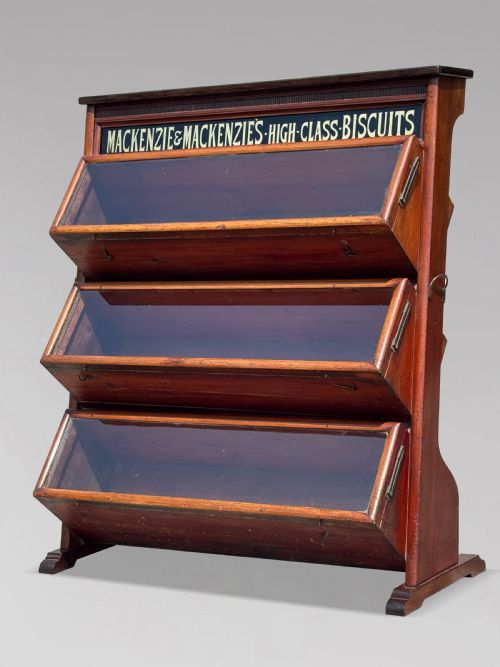
Evidence shows examples ranging from pharmacy banks of drawers and drapers tables to specialised advertising cabinets and display trees utilised in retail settings.
How they were made
Maker workshops constructed these commercial fixtures primarily using hardwoods such as mahogany and oak, alongside utilitarian pine for internal drawer carcassing and structural framing.
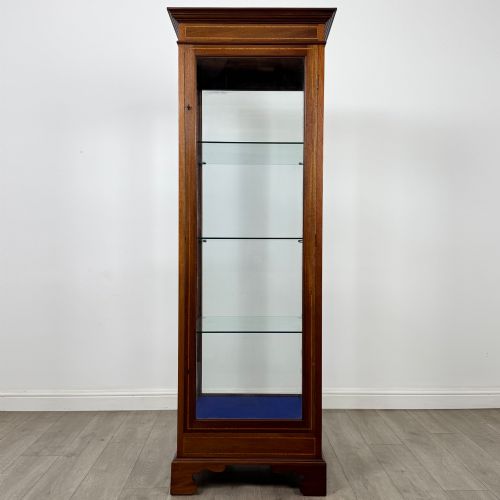
Glazing featured heavily in tabletops and upright cabinets to protect merchandise while maintaining visibility, complemented by functional hardware in brass, chrome, and cast iron.
Surfaces received various finishes, from polished timber and ebonized treatments to painted layers and distressed applications typical of working retail environments.
Listings feature items built from mahogany, oak, and pine, spanning the Victorian, Edwardian, and Art Deco periods.
What varies in quality
Quality rests upon the integrity of the original construction, the presence of maker attribution such as specialised metal badges or branded fascias, and the retention of working components like original glass and ironmongery.
Pieces originating from established shopfitters exhibit refined joinery, such as bow ends, pentagonal configurations, or multi-tiered revolving structures, distinguishing them from standard utilitarian equivalents.
F. Sage And Co·Dudley And Co
The Vintage Counter Display Glossary
- Haberdashery cabinet
- A multi-drawer retail unit traditionally used for storing small sewing notions, ribbons, and threads.
- Vitrine
- A glass-fronted display case designed to protect delicate merchandise while offering all-around visibility.
- Ebonized
- Timber treated with a finish to imitate the dense, dark appearance of ebony.
- Draper table
- A long wooden table utilised in cloth and textile retail trades for measuring and cutting fabrics.
- Shop fitting
- Fixtures and furniture custom-built or adapted for commercial retail interiors.
Vintage Counter Display: Frequently Asked Questions
How were these counters used originally?
These fixtures stood in nineteenth and twentieth-century shops to hold stock and present goods directly to customers across the retail floor.
Shop assistants served patrons over large timber tops while delicate items remained secured beneath glass or inside specialised drawer banks.
How do I date a display cabinet?
Dating relies on observing construction methods, timber choices, and stylistic markers running from Victorian revival through Edwardian and Art Deco periods.
Makers marks, metal types like chrome or brass, and integrated advertising signage also provide clear chronological reference points.
Can I use a shop counter at home?
These units integrate well into modern residential spaces as kitchen islands, sideboards, or standalone display storage furniture.
Their robust commercial construction ensures they handle everyday domestic use while introducing distinct historical character to a room.