


Antique Collector Case
When you search for an antique collector case, you find a specialised vessel designed to hold, protect and display small treasures.
Antique Collector Case
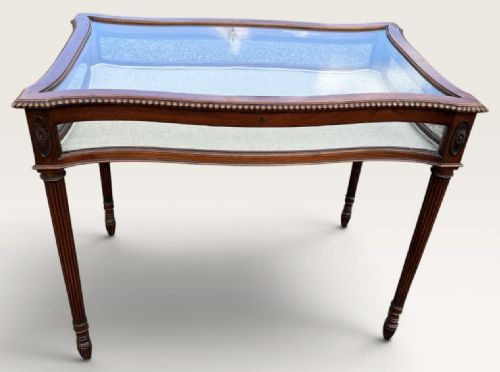
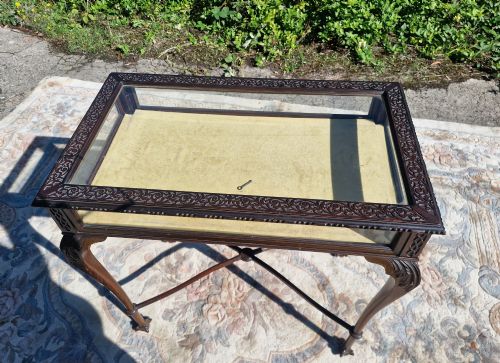
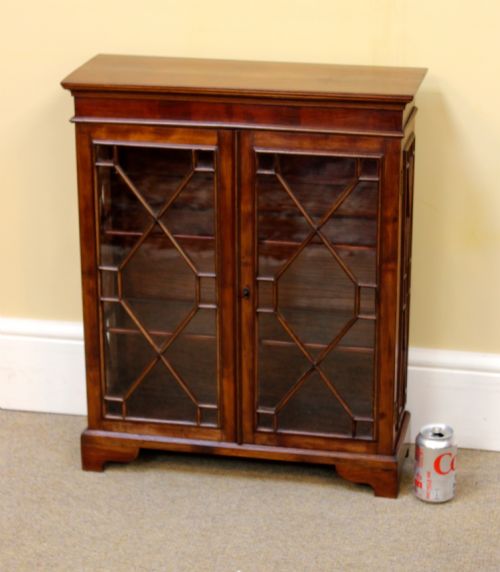
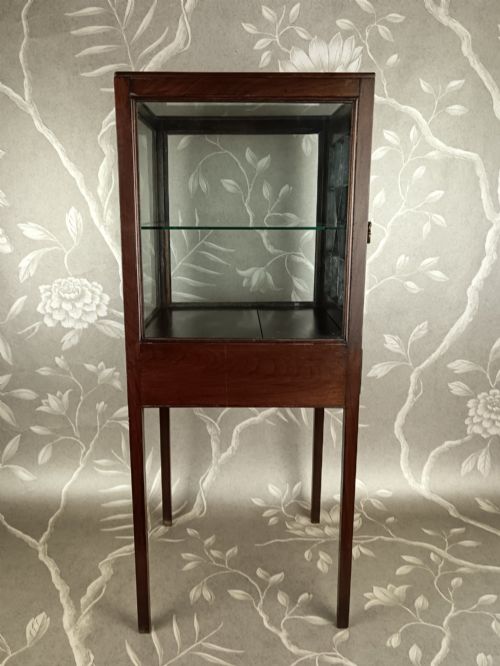
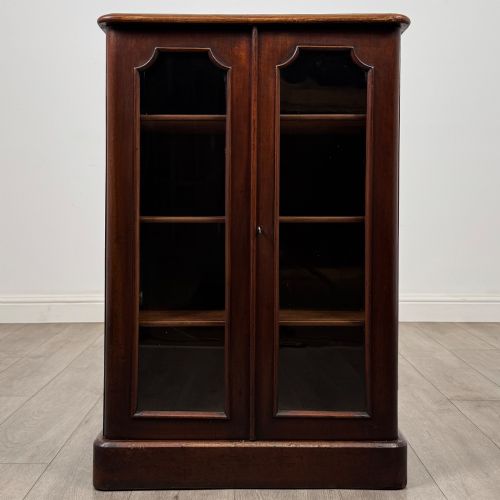
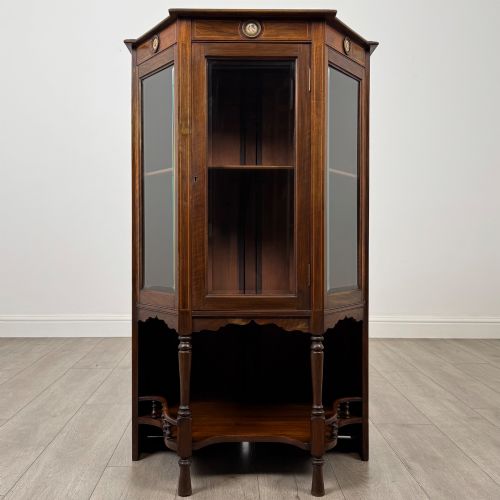
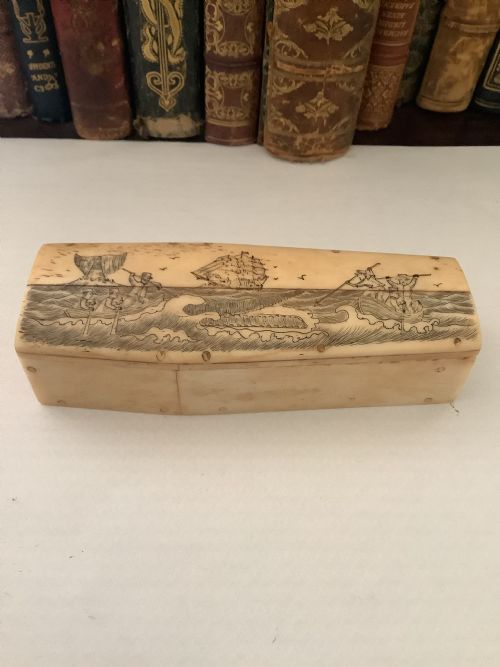
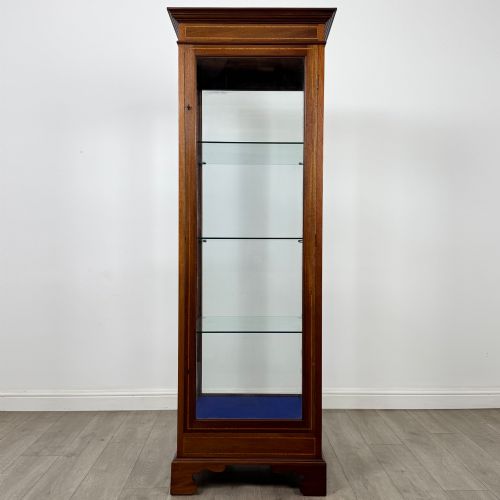
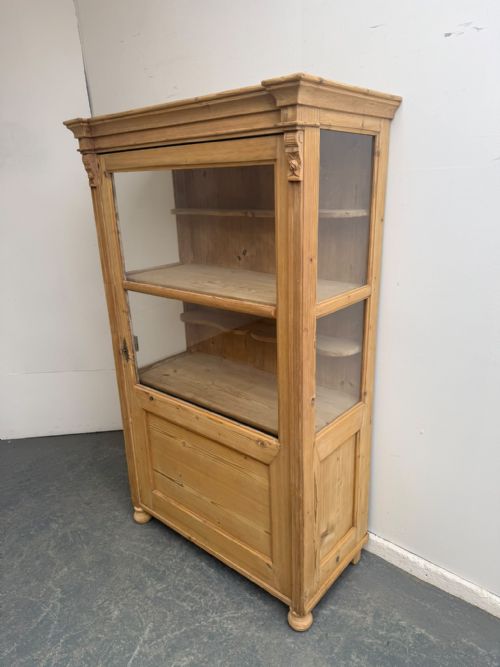
An antique collector case encompasses various enclosures designed for holding small specimens, specimens of natural history, jewellery, or scientific instruments. When you examine this selection, you encounter forms ranging from miniature cabinets and tabletop display cases to fitted wooden chests and countertop shop showcases.
The pieces appearing most frequently originate from the Victorian and Edwardian periods, alongside examples from the Georgian era and the early twentieth century. These include specialised vessels such as specimen drawers, medical carrying chests, and tabletop vitrines fashioned for domestic display or retail use.
How they were made
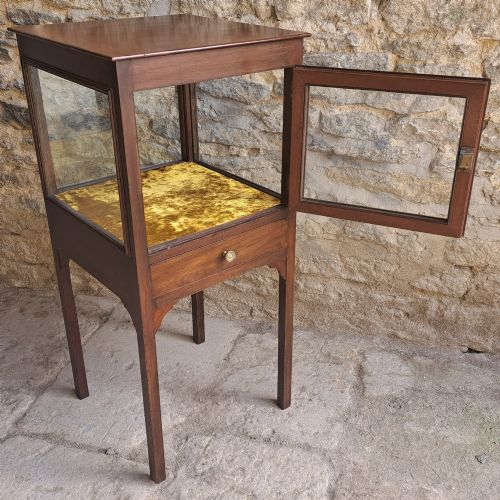
Cabinet makers constructed these cases primarily in timber, utilising mahogany, oak, walnut, satinwood, and pine. Many examples incorporate glazed panels of glass to permit viewing, alongside brass hardware, hinges, and locks.
Interiors frequently feature linings of fabric and velvet to cushion delicate contents. More elaborate pieces employ marquetry inlay, carved detailing, and mirrored backs to enhance the presentation of the objects stored within.
An unusual Edwardian silver coal scuttle thimble case proves that Victorians enjoyed miniaturising heavy household hearth furniture.
What varies in quality
The standard of a case depends upon the selection of timber and the precision of its joinery. Superior examples demonstrate careful attention to internal fitting, such as well-fitted drawers or smoothly operating glazed doors.
Decorative elaboration also distinguishes the range. Simple utility pieces designed for apothecaries or commercial shops contrast with finely inlaid satinwood or burr walnut cabinets intended for aristocratic drawing rooms.
Nathaniel Mills·Edmonds
The Antique Collector Case Glossary
- Vitrine
- A glass-sided cabinet or display case designed specifically for showing curiosities and fine objects. These vessels often feature glazed tops and sides to admit maximum light.
- Bijouterie
- A table or cabinet with a glazed compartment specifically intended for the display of small trinkets, jewellery, and precious items. These pieces typically stand on slender legs.
- Marquetry
- Decorative woodwork in which thin pieces of wood veneer are applied to a structure to form intricate patterns. Cabinet makers utilise this technique to enrich the exterior surfaces.
- Specimen case
- A fitted chest or cabinet containing shallow drawers designed for the organisation of natural history items, insects, or small artefacts. These interiors often retain original protective linings.
Antique Collector Case: Frequently Asked Questions
What is an antique collector case used for?
These cases served to organise, protect, and display various small items including natural history specimens, jewellery, medals, and scientific instruments.
Owners placed them on tabletops, counters, or desks to allow guests or customers to examine delicate contents without handling them directly.
How do I tell Victorian from Edwardian cases?
Victorian examples frequently display heavier timber construction, richer carved mahogany, or deep burr walnut veneers with traditional brass fittings.
Edwardian pieces often present lighter woods such as satinwood, simpler geometric lines, and occasional influences from earlier revival styles.
Where were these cases originally placed?
Domestic examples sat in drawing rooms, studies, or libraries upon dedicated display tables or larger cabinets to showcase private collections.
Commercial variants stood upon shop counters or inside retail spaces to present jewellery, silverware, and apothecary goods to prospective buyers.
How should I clean the glass and wood?
Maintain the timber surfaces by dusting gently with a dry, soft cloth and applying traditional wax sparingly to nourish the grain.
Clean the glass panels using a mild solution applied to a cloth rather than sprayed directly, ensuring moisture does not reach old wood or fabric linings.