

Vintage Corner Storage
These vintage corner storage pieces turn neglected angles of a room into useful display and storage space.
Vintage Corner Storage
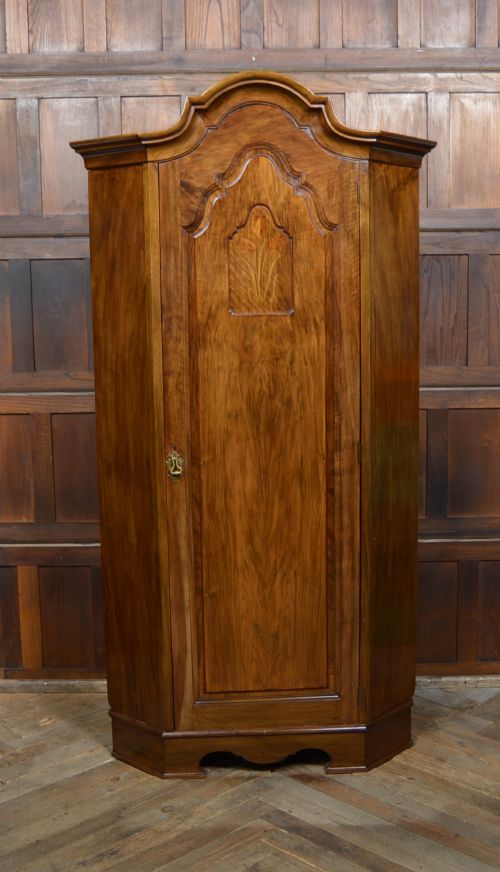
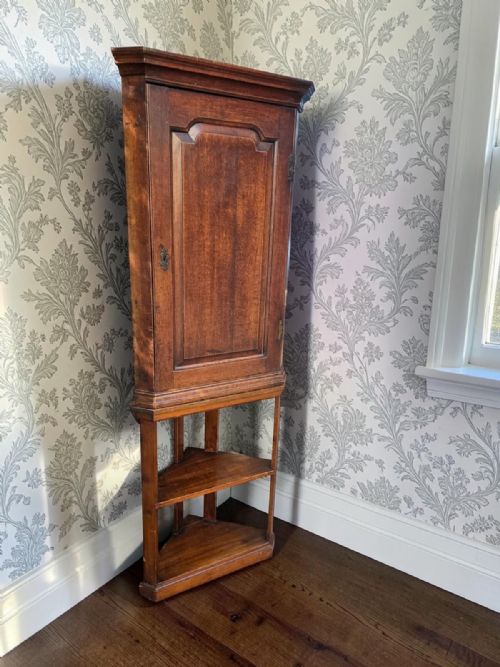
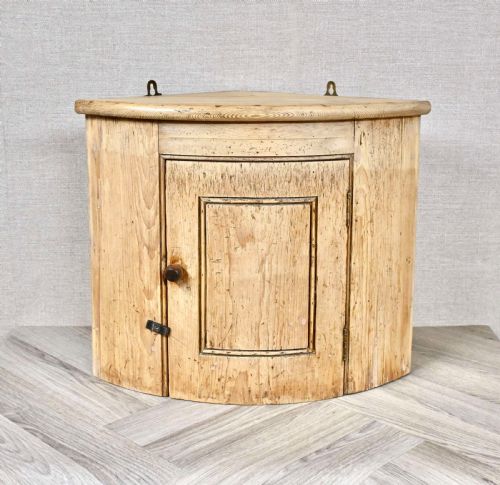
When you search for vintage corner storage, you find items designed to fit snugly into room junctions, making clever use of awkward spaces. The most common forms on this page are corner cupboards and cabinets, alongside occasional campaign trunks and chests that serve similar spatial functions.
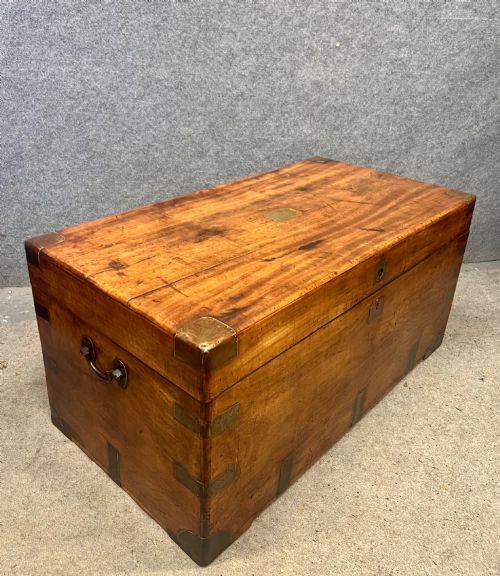
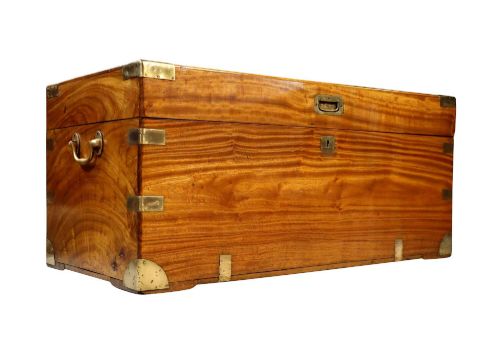
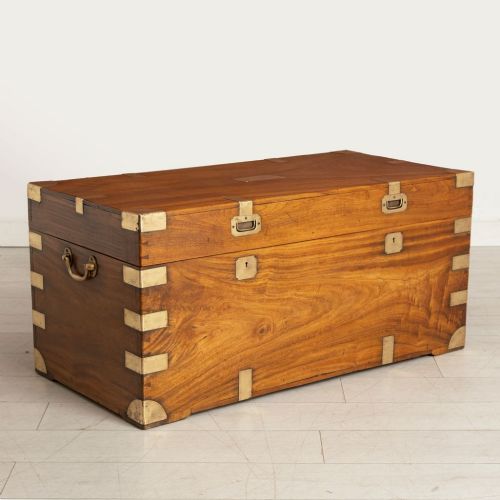
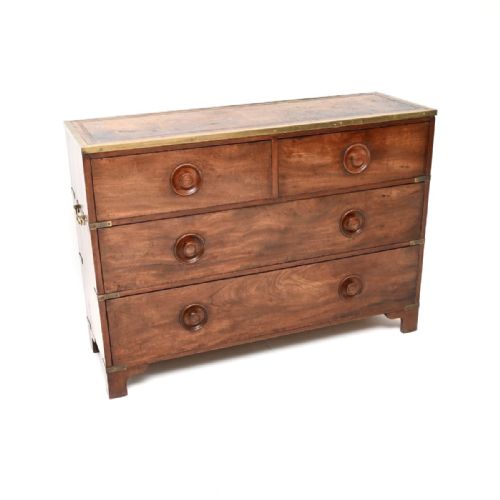
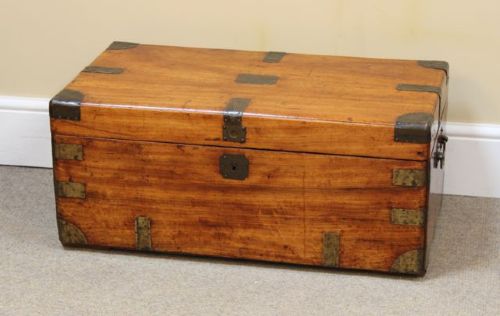
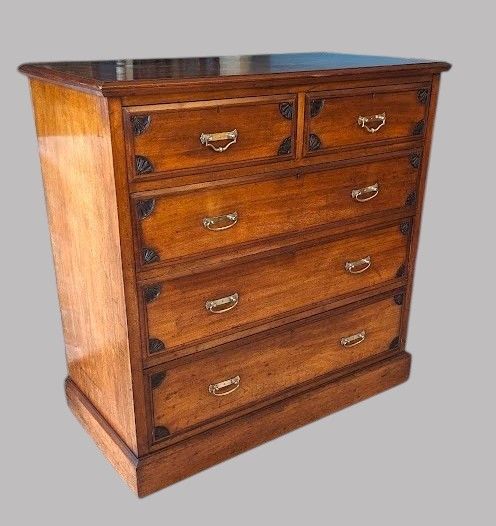
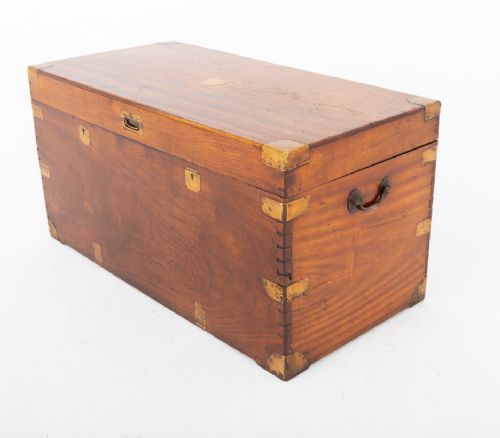
The pieces span several centuries and styles, taking in Georgian oak, Victorian mahogany, and later iterations in pine and walnut. Many show the sturdy characteristics of military campaign furniture, constructed from dense timbers with brass reinforcement for travel.
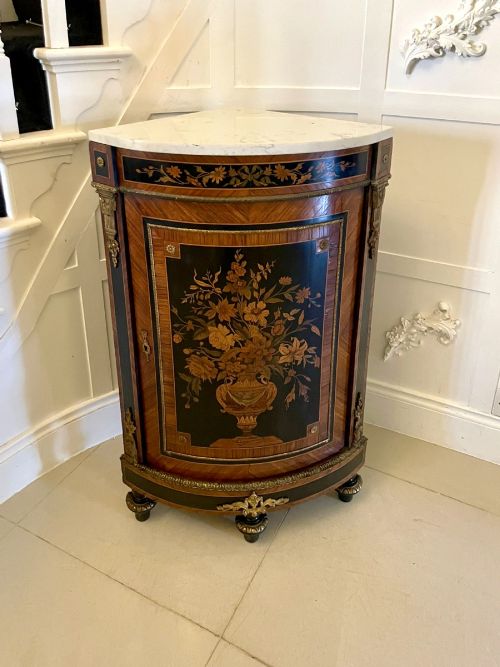
The selection ranges from tall floor-standing corner wardrobes to wall-hanging cupboards with bow fronts. Regional variations appear too, including French marquetry cabinets with marble tops and inlaid Sheraton Revival designs.
How they were made
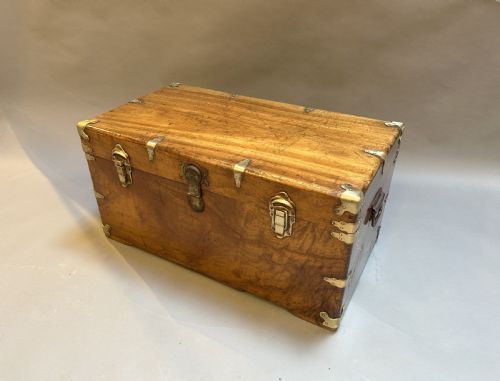
Makers relied upon durable hardwoods such as mahogany, oak, teak, and camphor wood, often selected for their resilience and handsome grain. These timbers frequently received brass banding, recessed handles, and corner plates to withstand the rigours of transit.
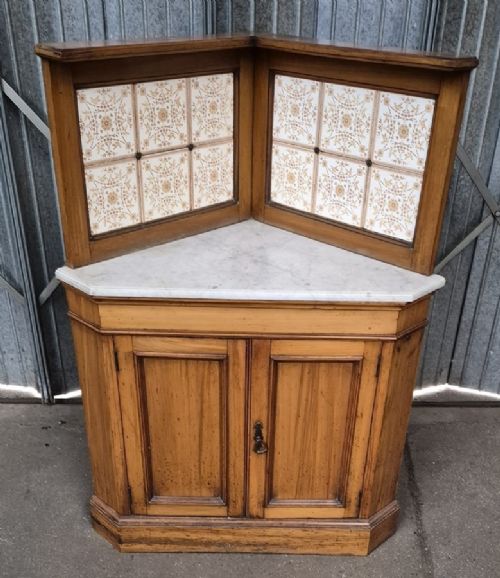
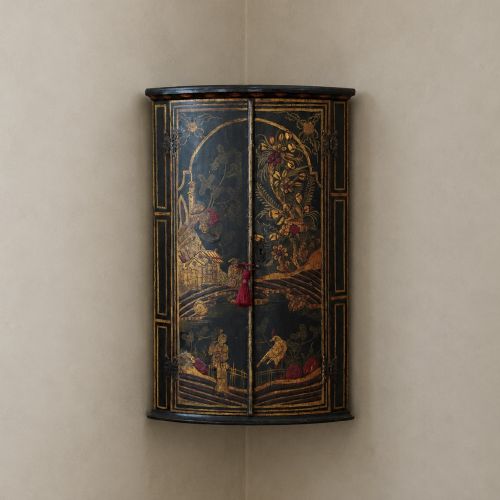
Surface treatments varied from polished mahogany and japanned chinoiserie to marquetry inlay and simple waxed oak. Marble tops also feature on select refined cabinets and washstands, adding a cool, solid surface to the wooden frames.
Vintage Corner Storage Retail Price Guide 2026
Typical asking prices for vintage corner storage among the pieces listed under this phrase on Sellingantiques today, from the lower quarter to the upper quarter. They describe what is for sale here now, not the wider market.
Campaign styling dominates the storage options here, alongside traditional Georgian and Victorian corner cupboards.
What varies in quality
The calibre of a piece depends heavily on the integrity of its timber and the precision of its joinery. Superior examples display tightly fitted dovetails, unwarped doors, and original hardware that sits flush within the wood.
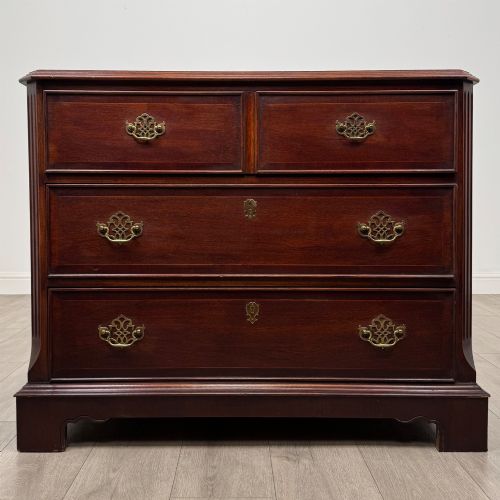
Decorative restraint and the subtlety of secondary veneers also separate standard items from finer work. Pieces with intact brass mounts, original hinges, and well-preserved surface patination command closer attention from discerning collectors.
Walker & Sons·Maurice Adams
The Vintage Corner Storage Glossary
- Campaign furniture
- Portable furnishings designed for military officers on the move, typically built in sections with brass corners and recessed carrying handles.
- Bow front
- A convex, outwardly curved front profile commonly found on cupboards and chests of drawers from the Georgian and Victorian eras.
- Japanned
- A European imitation of East Asian lacquering techniques, often featuring raised painted decoration on a dark background.
- Marquetry
- The art of applying small pieces of veneer to a structure to form decorative patterns and pictorial designs.
- Tea caddy
- A small box or chest originally manufactured to store loose tea leaves securely under lock and key.
Vintage Corner Storage: Frequently Asked Questions
How do I fit a corner cabinet?
Measure the precise interior angle of your chosen room corner before acquiring a piece, as older walls are rarely perfectly square.
Ensure you account for the swing of the cupboard doors and any decorative cornice that might project beyond the main body.
What is camphor wood used for?
Camphor wood is prized for its aromatic qualities and natural resistance to insects, making it the preferred timber for campaign trunks and chests.
The dense grain also provides structural strength for furniture that endured long journeys across the empire.
How do I date a campaign chest?
Examine the construction methods, such as hand-cut dovetails and the style of the brass hardware, which shifted from flush folding handles to recessed box grips over time.
The presence of secondary woods inside the drawers also offers clues to the decade of manufacture.
Can I use a corner cupboard in a modern room?
These cabinets provide practical vertical storage that anchors dead wall space without dominating the floor area.
They work well in dining rooms for tableware or in hallways for everyday items.