

Vintage Corner Stand
A vintage corner stand is a functional architectural piece designed to fit tight spaces, combining display storage with traditional craftsmanship.
Vintage Corner Stand
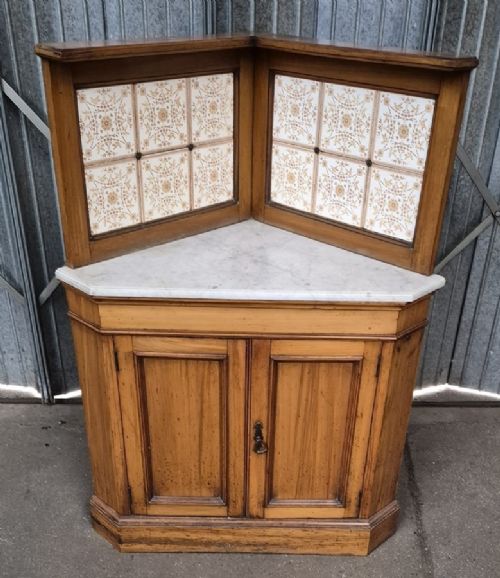
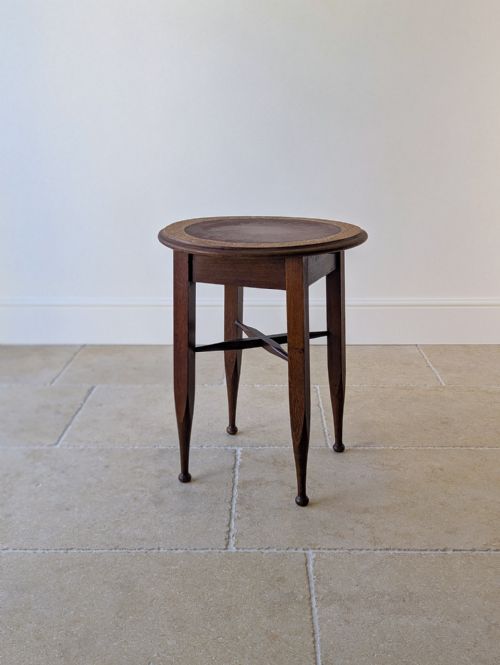
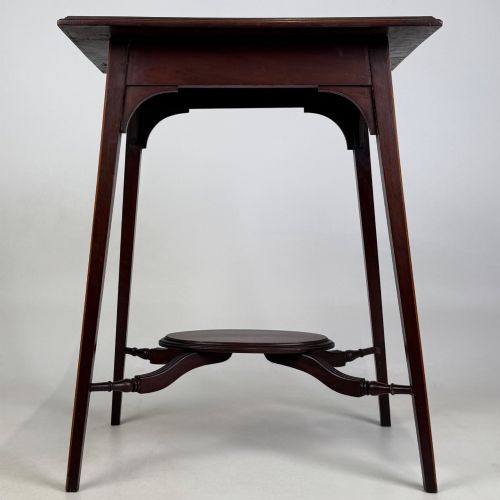
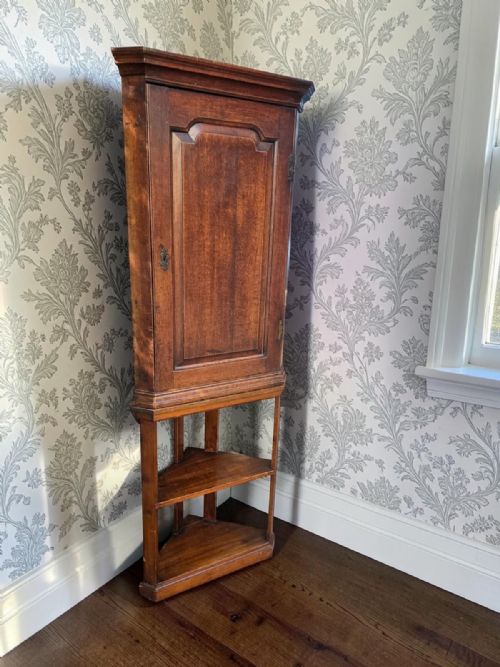
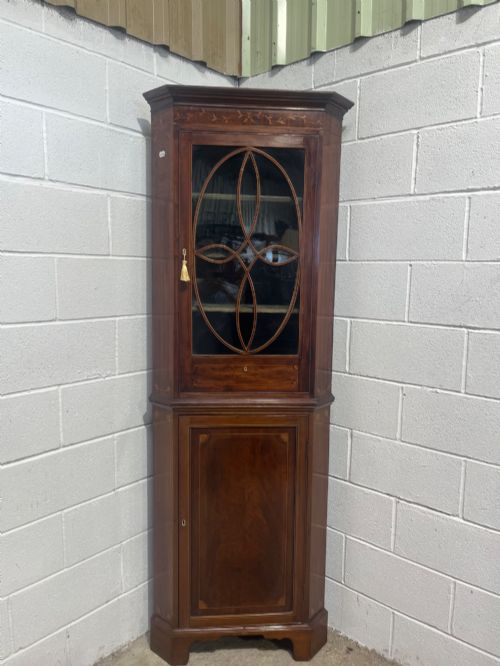
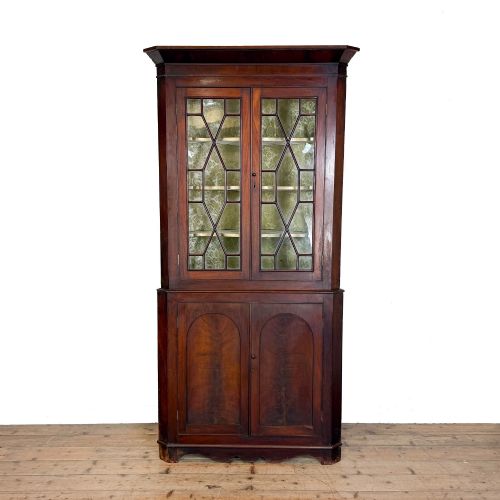
A vintage corner stand encompasses various forms built to utilise neglected room junctions, ranging from glazed corner cabinets and open whatnots to washstands and occasional tables. These pieces emerge from periods spanning the Georgian era through the Victorian and Edwardian decades up to the mid twentieth century.
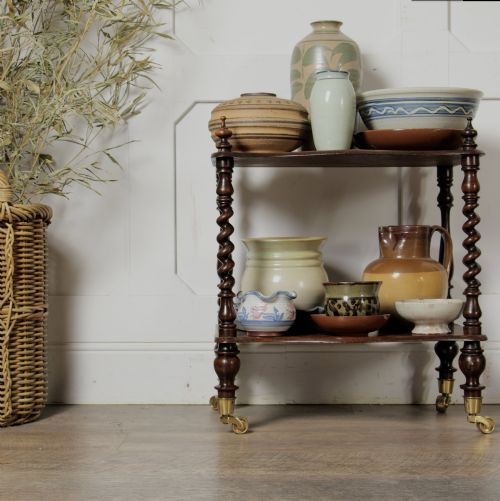
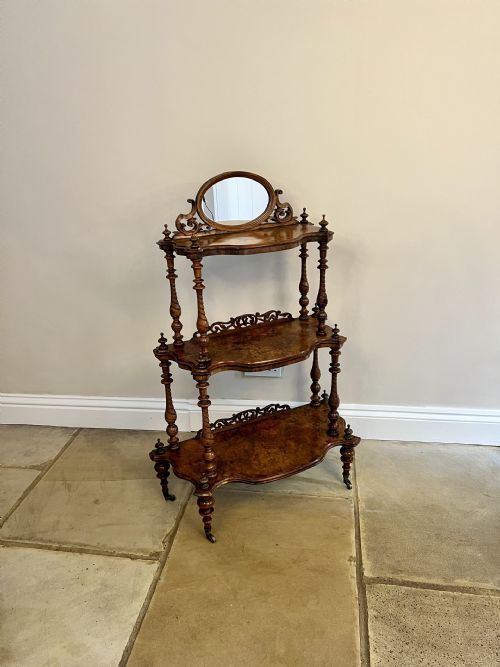
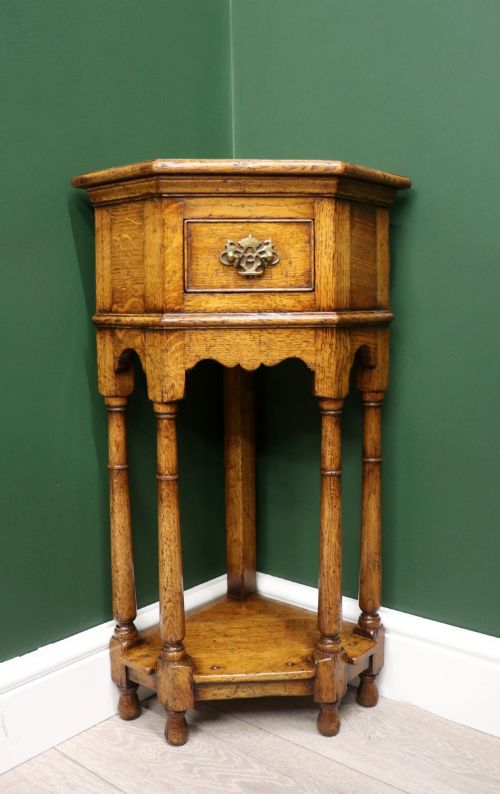
Buyers most frequently encounter mahogany and walnut corner cupboards or tiered shelving units dating from the nineteenth century. Stylistic influences across these forms include Sheraton Revival inlay, Arts and Crafts simplicity, and heavier Jacobean revivals executed in oak.
How they were made
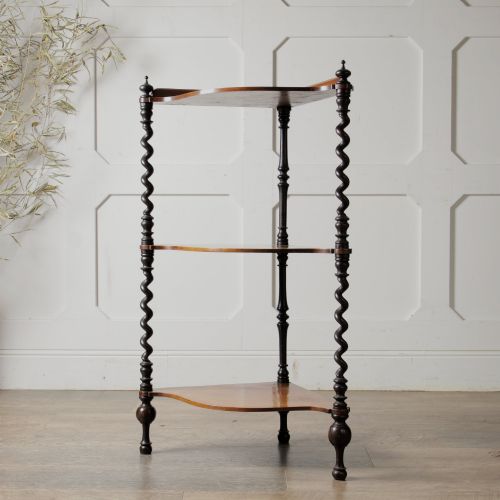
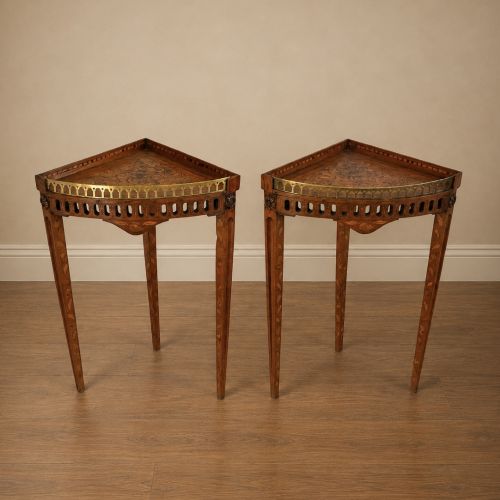
Cabinet makers utilised dense hardwoods such as mahogany, oak, and walnut, often applying burr veneers or delicate satinwood inlay to visible surfaces. Structural elements frequently incorporated turned wood supports, including barley twist columns, alongside brass hardware and glass panels.
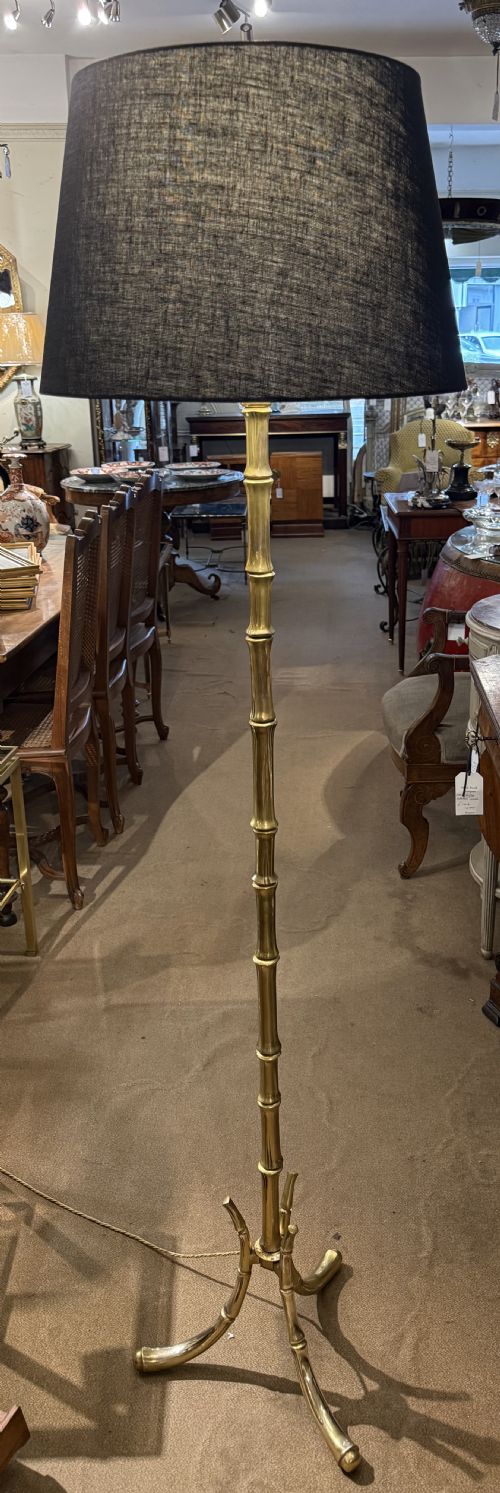
Secondary materials like ebonised wood and bamboo provided lighter alternatives for aesthetic and occasional furniture. Construction techniques relied on traditional joinery designed to support tiered shelving or enclosed cupboard doors within angled frames.
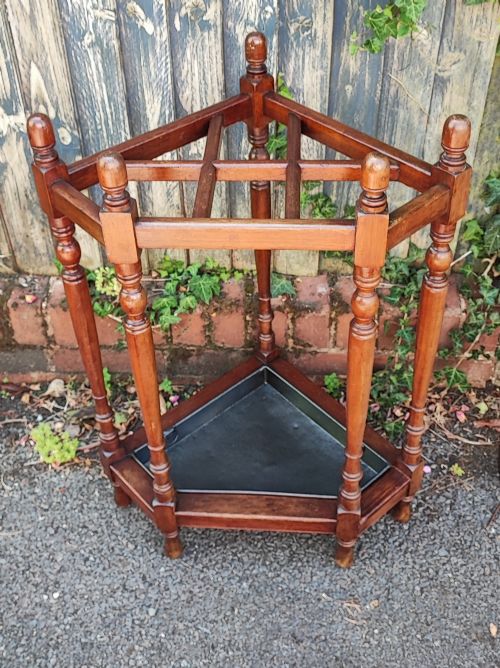
One remarkably honest piece combines domestic display with wet weather logistics as an umbrella stand.
What varies in quality
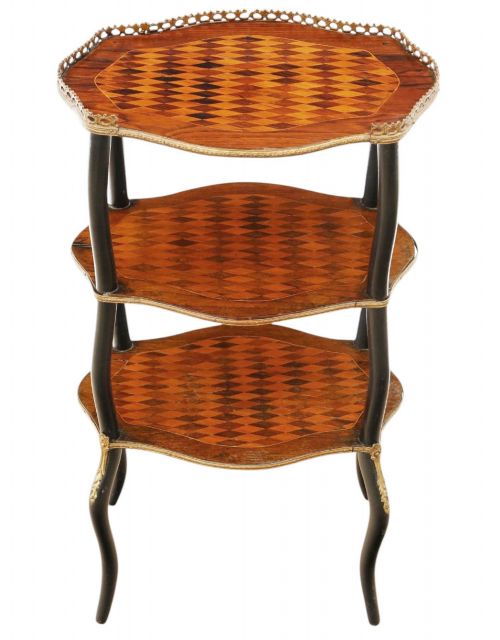
The degree of refinement in timber selection and decorative detailing distinguishes finer examples from simpler utility items. Finely figured burr walnut veneers and intricate marquetry inlay indicate a higher standard of workshop production than plain, utilitarian softwood carcases.
Proportional harmony and the crisp execution of turned elements, such as barley twists or brass galleries, separate ambitious cabinet work from standard commercial production of the period.
Walker And Sons·Maison Bagues
The Vintage Corner Stand Glossary
- Marquetry
- Decorative veneer work formed by fitting together small pieces of tinted wood, ivory, or shell to create pictorial or geometric patterns on furniture surfaces.
- Etagere
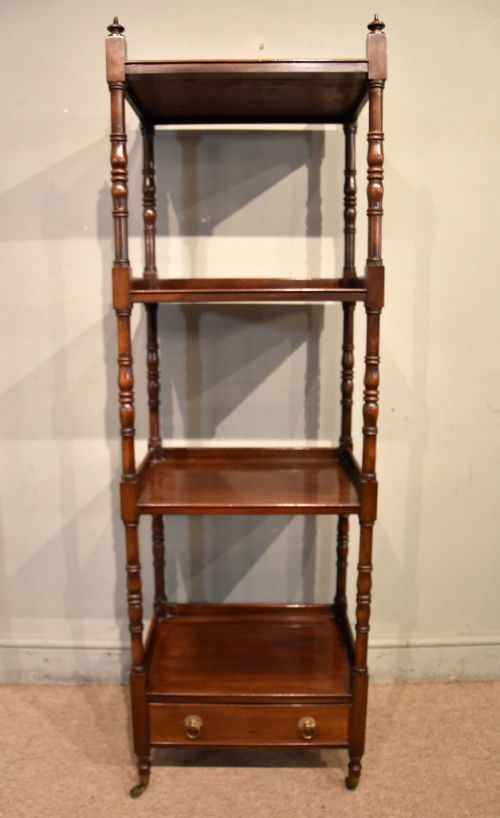
- A piece of furniture consisting of a set of open shelves for displaying small objects. The term derives from the French for stage or shelf.
- Barley twist
- A type of turning shaped like a spiral or screw thread, commonly utilised for legs and vertical supports on nineteenth century furniture.
- Parquetry
- Geometric mosaic woodwork used for floors or cabinet surfaces, constructed from small rectangular or triangular wooden tiles.
Vintage Corner Stand: Frequently Asked Questions
What rooms suit a vintage corner stand?
These pieces fit naturally into awkward room junctions or empty wall angles that standard rectangular furniture leaves bare. They provide vertical storage without dominating the floor area.
Dining rooms and hallways benefit particularly from corner cupboards and tiered whatnots, where they display ceramics or books while utilising dead space effectively.
How do I identify a Georgian corner cabinet?
Georgian examples generally display restrained architectural proportions, often constructed from solid mahogany or panelled oak with brass H hinges. Their cornices follow classical architectural moulding profiles.
Later Victorian and revival interpretations tend to introduce heavier carved decoration, burr walnut veneers, or lighter inlaid satinwood motifs associated with the Sheraton Revival style.
Can these stands support heavy items?
Solid hardwood construction in oak and mahogany provides robust structural integrity for everyday display purposes. Tiered shelving units handle books and ceramics reliably when placed on level flooring.
However, delicate decorative pieces featuring slender turned supports or bamboo frames require consideration regarding weight distribution and careful placement.