





Vintage Commercial Sign
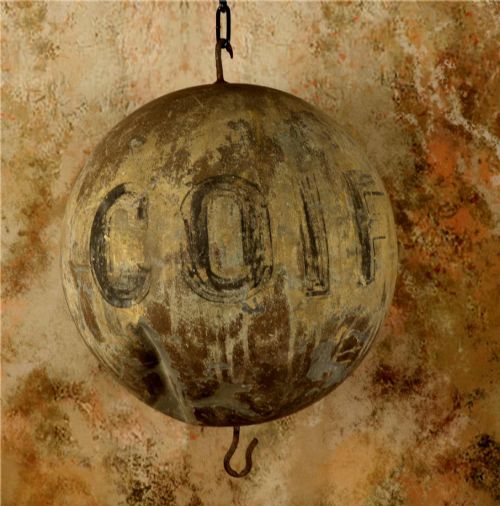
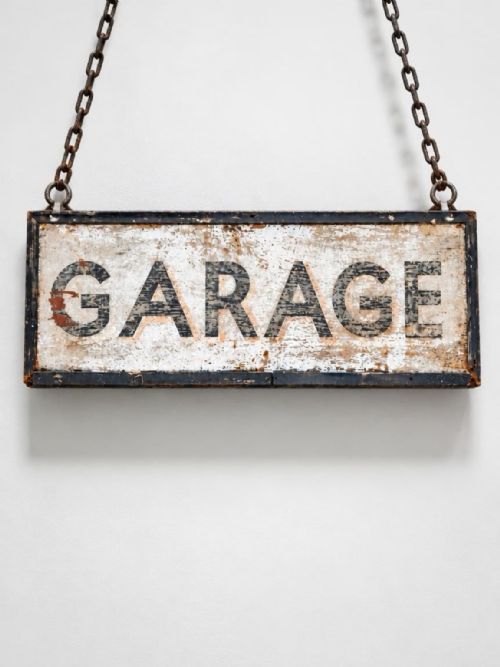
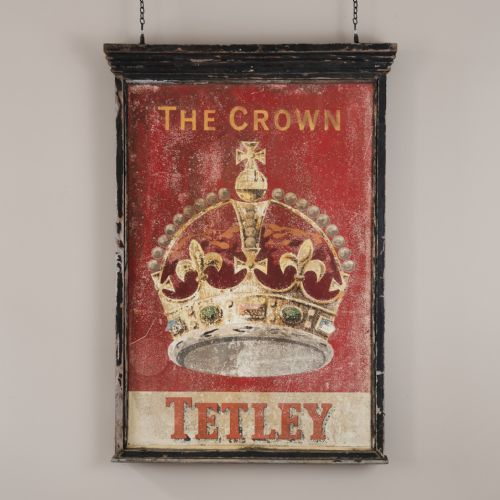
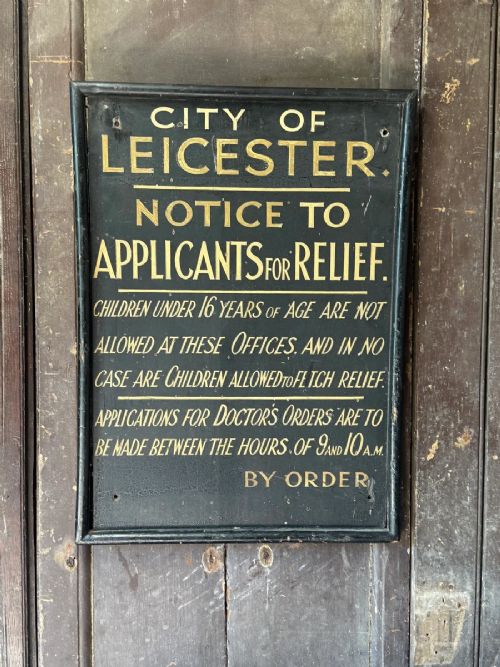
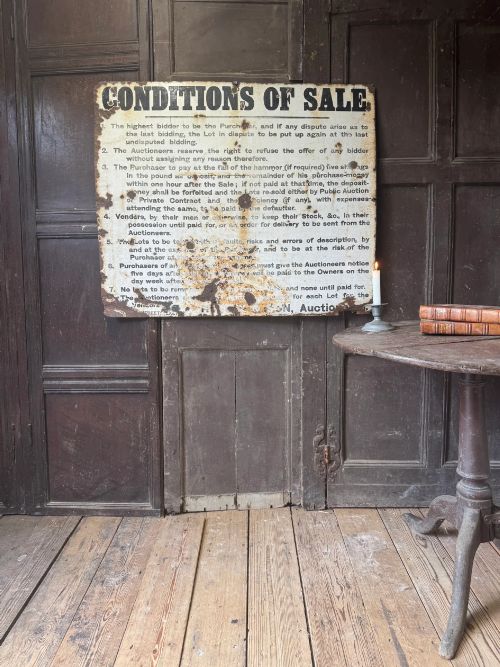
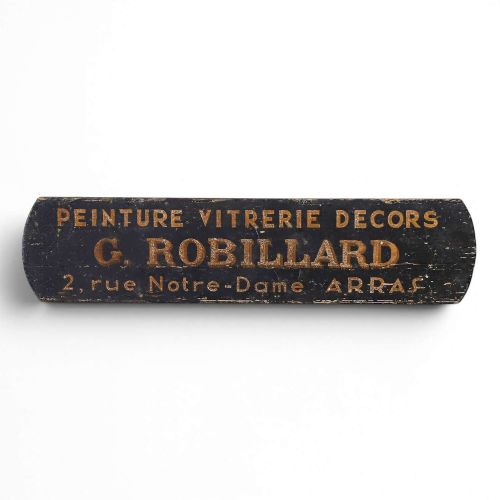
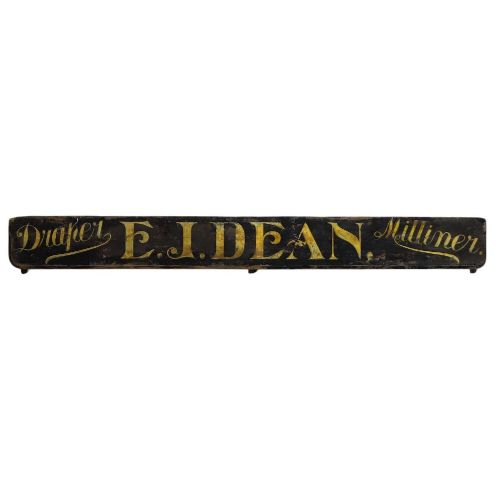
These vintage commercial sign examples combine painted timber, enamel and iron to carry the working history of nineteenth and early twentieth century enterprise.

Vintage Commercial Sign
A vintage commercial sign serves as a surviving marker of past retail, transport and trade. The selection here spans nineteenth century pieces, Victorian examples, and early twentieth century works up to nineteen twenty.
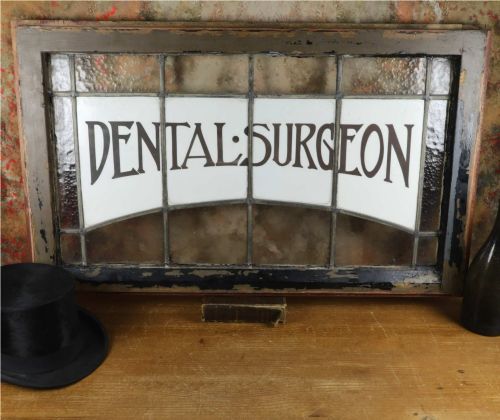
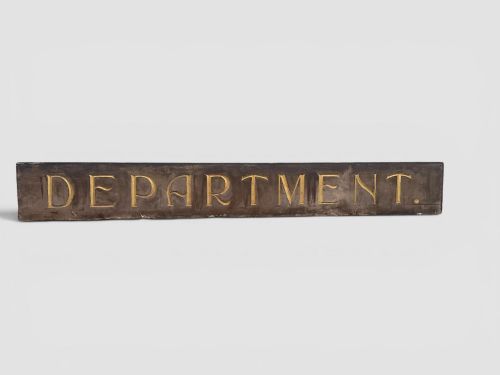
The forms range from traditional hanging pub signs and trade signs to railway station metal signage, department store shop signs and specific professional plaques. Materials include wood, timber, iron, wrought iron, copper, enamel, paint and gold leaf.
Buyers encounter styles such as Victorian, Belle Epoque, Edwardian, traditional British, Victorian industrial and early twentieth century. Each object records the functional lettering and iconography of its original commercial setting.
How they were made
Maker construction methods combine carved wood and timber boards with applied coats of paint and gilded elements, as seen on gallery signage. Iron and wrought iron components provide structural hanging support for heavy pub signs and trade boards.
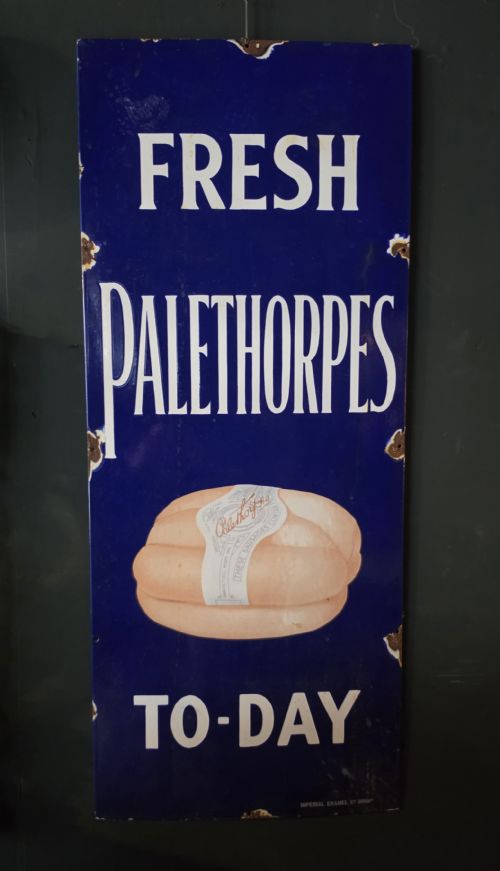
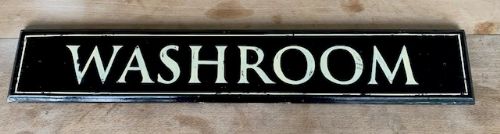
Metal fabrication utilises cast iron for company plaques alongside enamel fused to metal sheets for railway station signage. Hand painted details finish the lettering and imagery across both timber and metallic surfaces.
Vintage Commercial Sign Retail Price Guide 2026
Typical asking prices for vintage commercial sign among the pieces listed under this phrase on Sellingantiques today, from the lower quarter to the upper quarter. They describe what is for sale here now, not the wider market.
Materials across these listings span paint, gold leaf, wood, iron, wrought iron, copper, timber and enamel.
What varies in quality
Quality rests in the survival of original hand painted surfaces, genuine gold leaf application and untouched patination across wood and metal. Pieces retaining their original hanging brackets or structural ironwork show higher integrity than altered examples.
Depth of carving and clarity of lettering distinguish ambitious commission work from standard utility pieces. The complexity of the original trade, from pawnbrokers to dentists, influences the visual character of the surviving sign.
The Vintage Commercial Sign Glossary
- Trade Sign
- A board or hanging object displayed outside a shop or business to indicate the trade practised within. These items formed the primary visual street directory of the nineteenth and early twentieth centuries.
- Enamel Sign
- A metal plate fused with powdered glass at high temperature to create a durable, glossy coloured surface. This technique protected railway and street signage from weather and wear.
- Gold Leaf
- Gold beaten into extremely thin sheets and applied to sign surfaces for lettering or decoration. It catches ambient light to ensure legibility outdoors.
- Wrought Iron
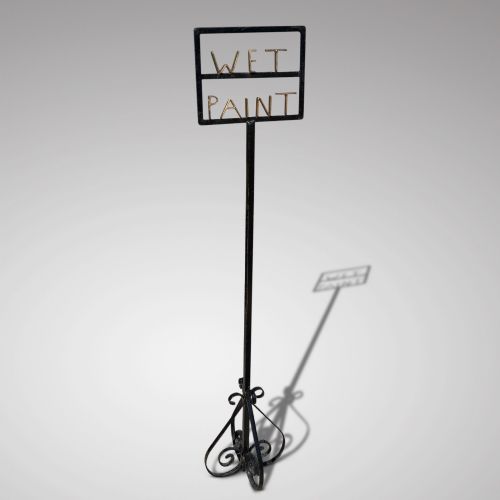
- Iron beaten and shaped by hand into brackets and hanging arms for heavy trade boards. This material provides the structural strength required for projecting signs.
Vintage Commercial Sign: Frequently Asked Questions
What materials make up a vintage commercial sign?
These pieces utilise wood, timber, iron, wrought iron, copper, enamel, paint and gold leaf.
Combinations depend on whether the sign hung outdoors or mounted flat against a shop wall.
How do you date a vintage commercial sign?
Dating relies on material construction, lettering styles, and specific historical references found in the titles.
Periods represented include the nineteenth century, Victorian era, nineteen hundred, and nineteen twenty.
Where were trade signs originally displayed?
Signs hung outside pubs, pawn shops, dental practices, railway stations and department stores.
They directed customers from the street and advertised specific trades before modern illuminated advertising.
How should a heavy iron pub sign be hung?
Hanging requires secure fixings into structural masonry or timber beams to support the weight of iron and wood.
Traditional bracket arms distribute the load safely away from the wall surface.