
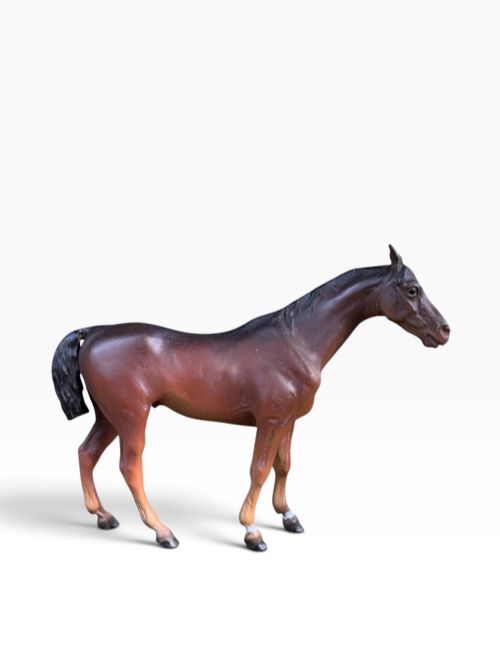
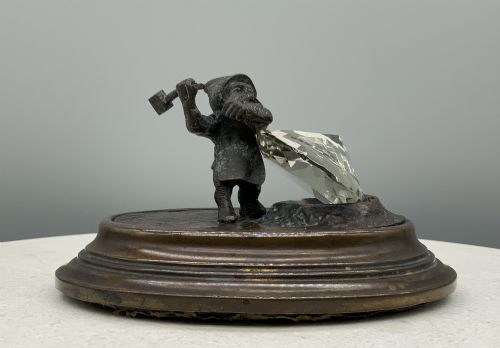
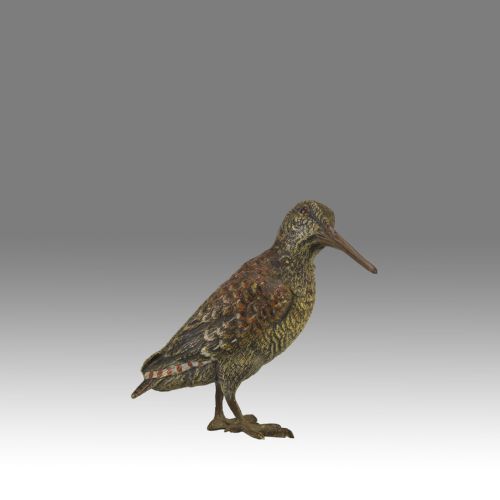
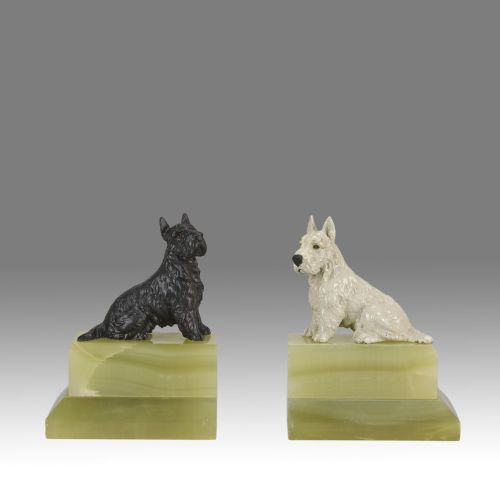


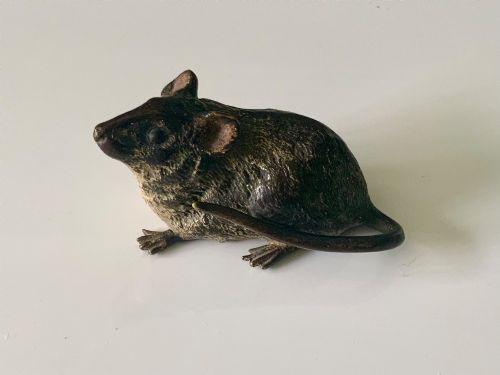
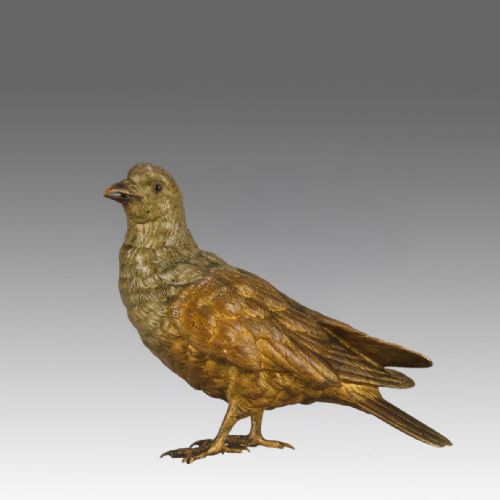
Vintage Cold Painted Bronze
Vintage cold painted bronze sculptures capture the playful detail and rich colour of turn-of-the-century animaliers and Art Deco figures.
Vintage Cold Painted Bronze
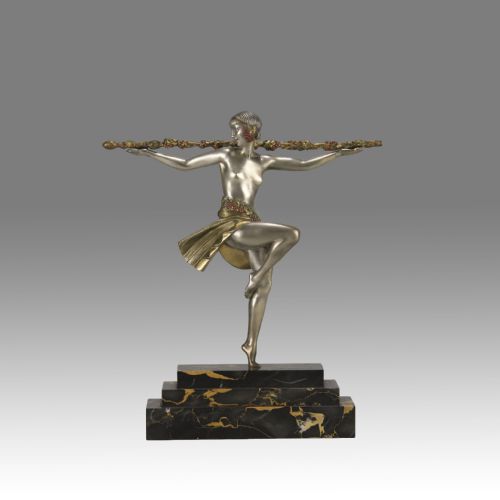
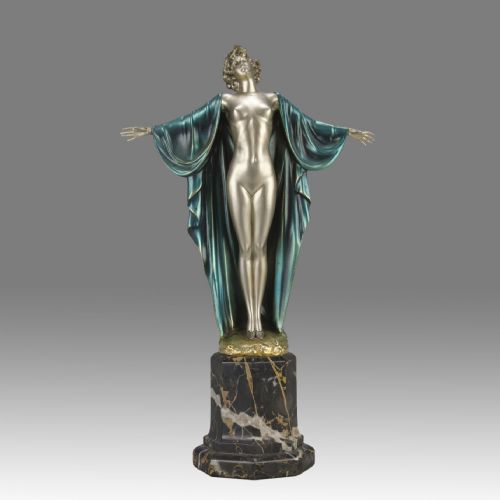
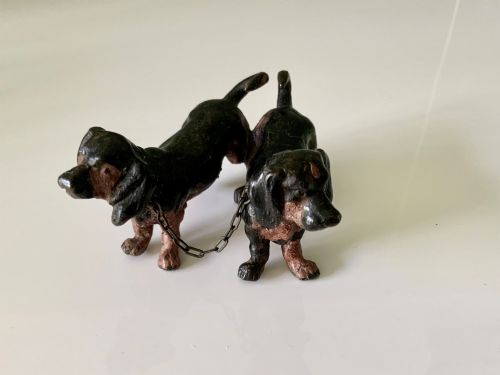
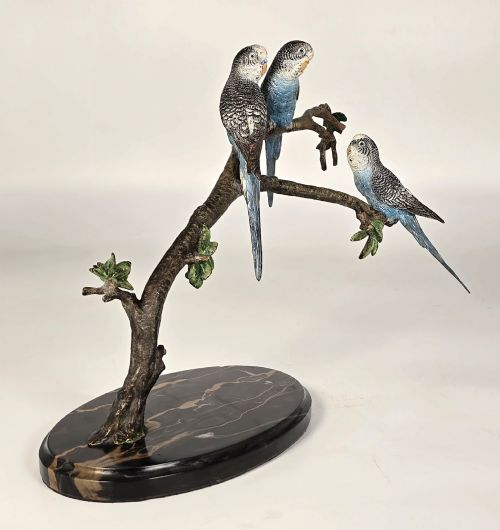
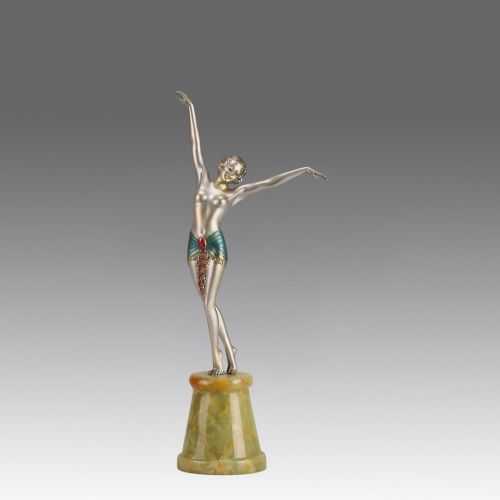
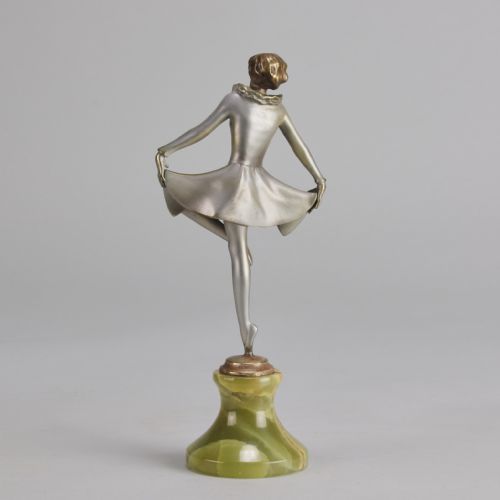
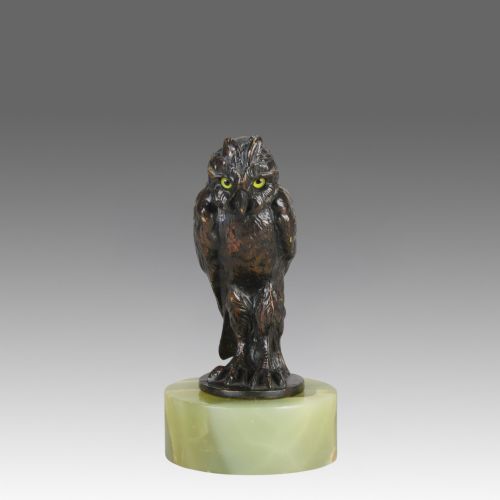
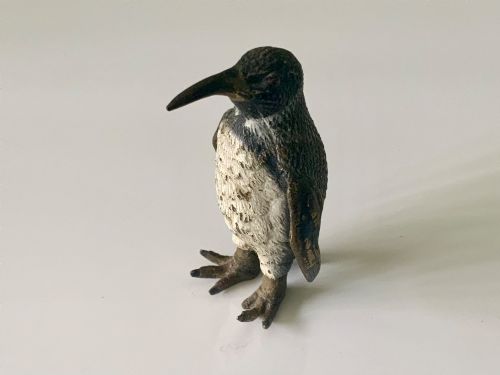
Vintage cold painted bronze pieces encompass small-scale sculptures, animal figurines, bookends, and desk accessories created across the nineteenth and twentieth centuries. When searching for vintage cold painted bronze, collectors encounter Vienna bronzes depicting realistic birds, dogs, and orientalist figures, alongside Art Deco dancers and human characters.
The objects span periods from the mid-nineteenth century through the 1930s, reflecting the shift from naturalistic animal studies to stylised modernist figures. Many incorporate practical elements such as marble or onyx bases, functioning as desk tidies, clock surrounds, or table cigarette lighters.
Materials and methods of cold painting
The manufacturing process begins with casting molten bronze or sometimes spelter into detailed moulds to form the figurative subject. Artisans then apply polychrome paint by hand onto the cold metal surface without subsequent firing, which defines the signature finish.
Many sculptures are mounted directly onto contrasting plinths of green onyx or marble, occasionally combining bronze with other materials like enamel or ivory in chryselephantine works.
Listings feature periods spanning from the mid-nineteenth century through the 1930s Art Deco era.
Distinguishing quality in cold painted bronzes
Quality rests primarily in the precision of the casting and the finesse of the hand-painted surface detail. Superior examples display subtle shading on feathers and fur, while lesser pieces rely on flat, uniform coats of colour.
The crispness of the underlying metalwork and the integration with quality natural stone bases like green onyx distinguish master foundry output from commercial production.
Franz Bergman·Josef Lorenzl·Ferdinand Preiss·Pierre le Faguays·Paul Philippe
The Vintage Cold Painted Bronze Glossary
- Cold-painted bronze
- Bronze sculpture decorated with unfired oil or enamel paint applied directly to the metal surface. This technique allows for intricate polychrome detailing on small animal and human figures.
- Vienna bronze
- Small-scale Austrian bronze sculptures produced predominantly in the late nineteenth and early twentieth centuries. They are celebrated for humorous animal subjects and orientalist themes.
- Spelter
- A zinc alloy utilised as a substitute for bronze in decorative figures and clock cases. It provides a cheaper alternative while accepting similar patination and painted finishes.
- Animalier
- A nineteenth-century artistic movement focusing on the realistic portrayal of animals. Sculptors in this tradition studied animal anatomy closely for their bronze casts.
- Chryselephantine
- A term describing statues made from a combination of bronze and ivory. This technique gained popularity in Art Deco figures representing dancers and performers.
Vintage Cold Painted Bronze: Frequently Asked Questions
What is a Vienna bronze?
Vienna bronzes are small, highly detailed Austrian sculptures produced around the turn of the twentieth century. They often depict animals, birds, or human figures with whimsical or orientalist themes.
Artisans finished these pieces using the characteristic cold-painting technique, applying oil paint by hand directly to the cast metal.
Were these bronzes used as functional items?
Many cold painted bronze pieces served practical purposes on Edwardian and Art Deco desks. Common functional forms include bookends, desk tidies, inkwells, and table cigarette lighters.
Makers combined decorative appeal with utility by mounting figures onto stone bases or incorporating compartments.
How do I distinguish bronze from spelter?
Bronze is a heavy copper alloy that produces a resonant sound when tapped and takes a warm patina. Spelter is a zinc-based metal that feels lighter and often shows greyish pot metal beneath worn paint.
Art Deco figures utilised both materials depending on the manufacturer and the desired price point.