


Austrian Bronze Miniature
An austrian bronze miniature is a small, cold-painted metal figure capturing animals or human subjects with uncanny character, offering collectors immense detail in miniature form.
Austrian Bronze Miniature
When you search for an austrian bronze miniature, you encounter small sculptures and figurines shaped around animal subjects and human figures. The selection spans the nineteenth century through the early decades of the twentieth century, encompassing periods like the Edwardian era, 1900, 1910, 1920, and 1930.
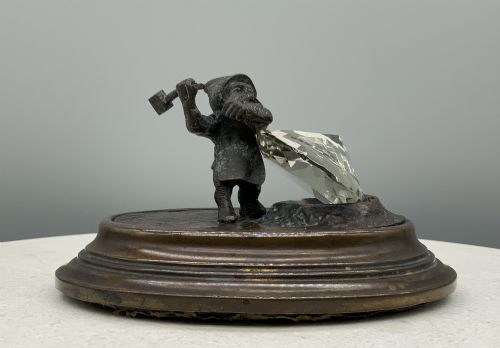
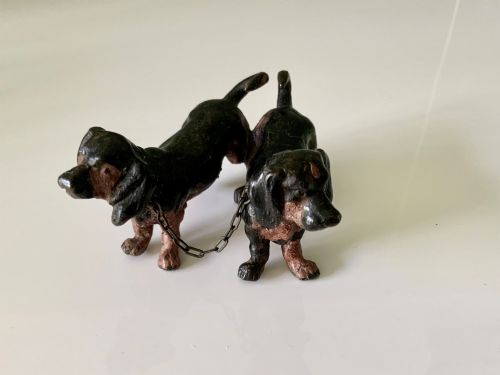
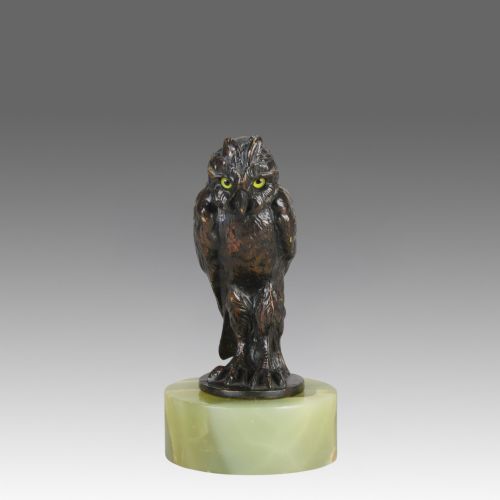
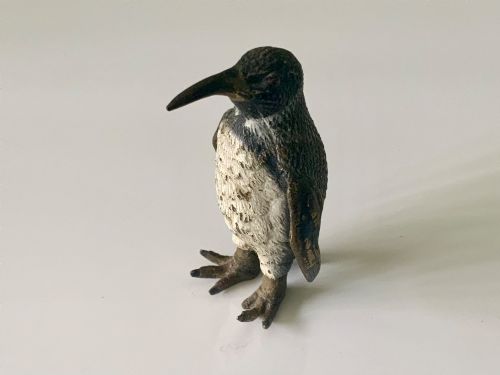
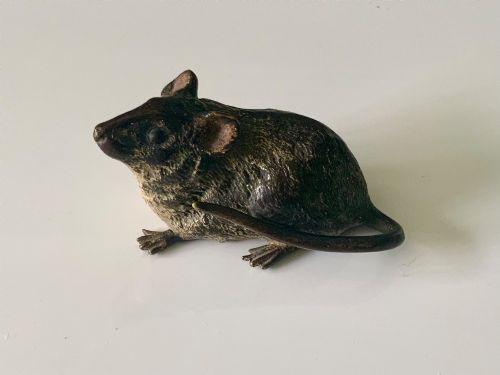
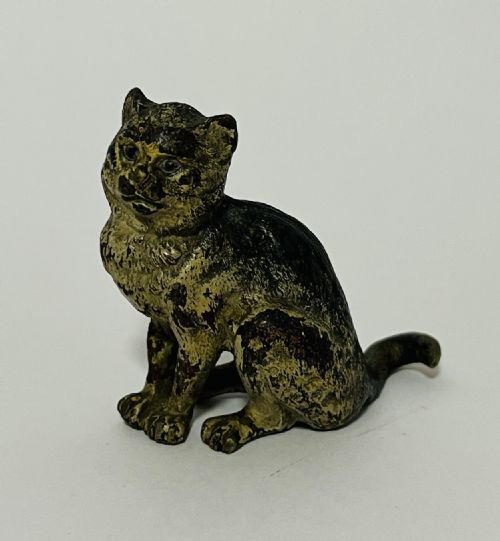
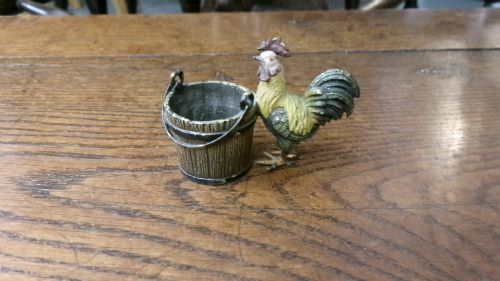
Forms range from simple animal figurines depicting dachshunds, mice, cats, owls, cockerels, grouse, frogs, and antelopes to more elaborate desk accessories and music boxes. Makers and workshops produced playful pieces alongside naturalistic studies, sometimes incorporating crystal diamonds or mounted on onyx bases.
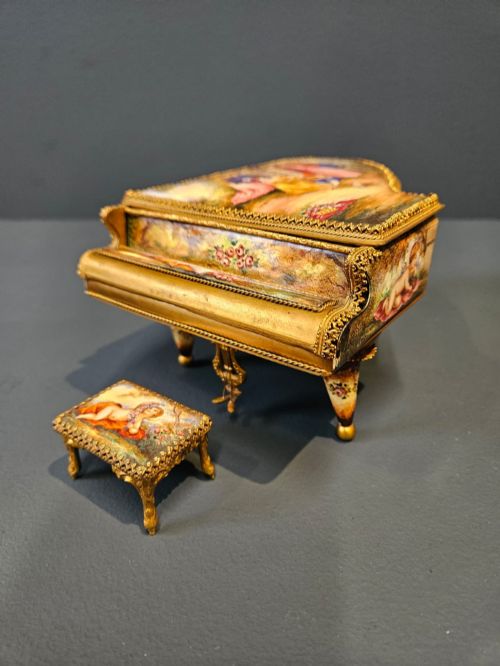
Collectors frequently meet Viennese enamel table cabinets and ormolu music boxes within this field alongside the metal sculptures. These works reflect diverse stylistic impulses, moving from late Victorian naturalism to turn-of-the-century whimsy.
How they were made
The foundation of these pieces lies in cast bronze and metal, often subjected to cold painting where colour is applied to the metal surface after casting rather than fired in a kiln. This technique allows for fine, delicate brushwork across feathers, fur, and clothing.
Makers utilised patination alongside enamel and paint to create texture and depth on small surfaces. Gilt metal, ormolu, and cut crystal appear in composite pieces like music boxes and cabinets, combining metalwork with decorative minerals.
Listings feature periods from the nineteenth century through the 1930s, including Edwardian examples alongside Vienna bronze animal figurines and enamel music boxes.
What varies in quality
Quality rests upon the precision of the casting and the preservation of the delicate cold-painted surface. Crisp facial expressions and fine anatomical definition separate superior animal figures from plain castings.
The sophistication of the subject matter and the complexity of the composition dictate the standing of a piece within the range. Fully articulated characters and humorous narrative scenes demonstrate higher workshop skill than static forms.
Franz Bergman
The Austrian Bronze Miniature Glossary
- Cold painted
- A method of applying paint to a bronze sculpture after casting without heat-firing. This surface decoration is delicate and prone to rubbing over time.
- Geschützt
- A German term meaning protected or registered, often stamped on Austrian metalwork to indicate a secured design. It functions as a marker of period manufacture.
- Ormolu
- Gilded bronze used for decorative mounts, furniture, and fittings. It provides a bright golden finish alongside enamel or dark patinated metal.
- Viennese Enamel
- Glass powder fused to a metal base through firing, used extensively on decorative boxes, cabinets, and music boxes from Vienna. It yields vibrant translucent colours.
- Vienna Bronze
- A specific style of small, naturalistic or humorous bronze sculpture produced by workshops in Vienna during the late nineteenth and early twentieth centuries. These figures are renowned for cold-painted polychrome surfaces.
Austrian Bronze Miniature: Frequently Asked Questions
What is an austrian bronze miniature?
An austrian bronze miniature is a small, cold-painted metal sculpture typically depicting animals, human figures, or humorous narrative scenes. These pieces were produced primarily in Vienna during the late nineteenth and early twentieth centuries.
Craftsmen cast the metal and applied polychrome paint by hand to capture intricate details of fur, feathers, and expression. They remain sought after for their charm and craftsmanship.
How do I care for cold painted bronze?
Cold painted bronze requires gentle handling because the pigment sits on top of the metal rather than being fired on. Dust the surface softly with a dry, soft brush and avoid all liquids or chemical cleaners.
Keep the pieces out of direct sunlight to prevent the painted colours from fading over time. Displaying them in a stable environment protects the fragile pigment.
Are all these bronzes from Vienna?
Many of these miniatures originate from workshops in Vienna, which dominated the production of cold-painted bronze figures during the turn of the century. The style encompasses distinct Austrian nationalist and Viennese historicist traditions.
Some pieces carry stamps such as Geschützt to denote registered designs from the period. The wider designation captures related Austrian metalwork, enamel, and music boxes.
How do I spot a quality piece?
Quality in these miniatures depends upon the sharpness of the underlying casting and the finesse of the hand-painted details. Superior examples exhibit lively facial expressions and well-defined textures that capture natural or humorous traits.
Original paint surfaces that remain largely intact elevate the desirability of a figure. Complex compositions, such as animals interacting with objects or figures with accessories, also indicate higher workmanship.