





Novelty Table Lighter
A novelty table lighter is a small, sculptural smoking accessory designed to sit on a surface.
Novelty Table Lighter
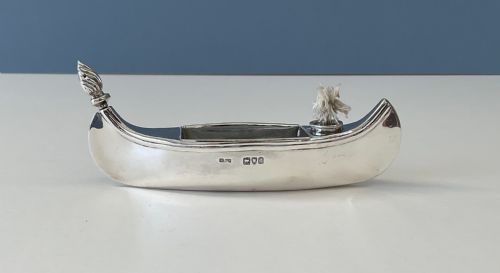
A novelty table lighter serves as both a functional smoking accessory and a sculptural decorative object for the room. When you search for a novelty table lighter, you encounter figural designs that draw on animal, architectural, and vehicular forms. The pieces span periods from the Victorian era through the Edwardian years and into the Art Deco period.
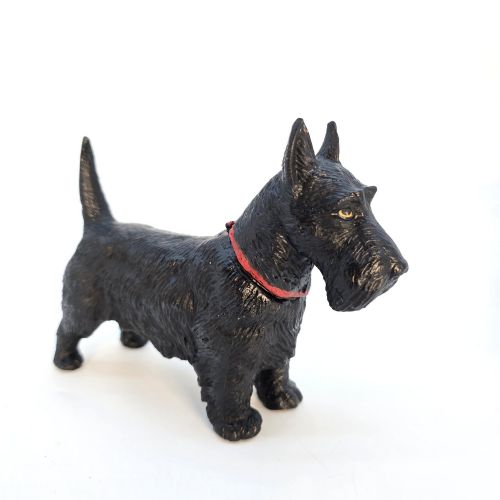
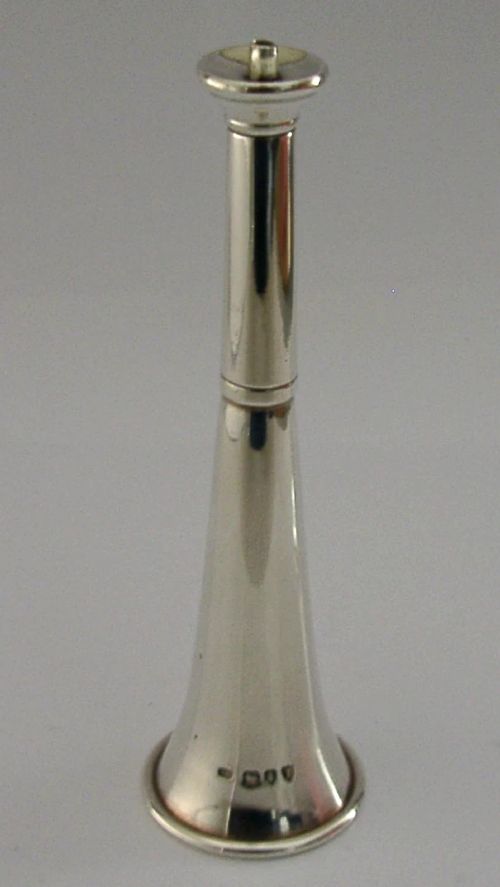
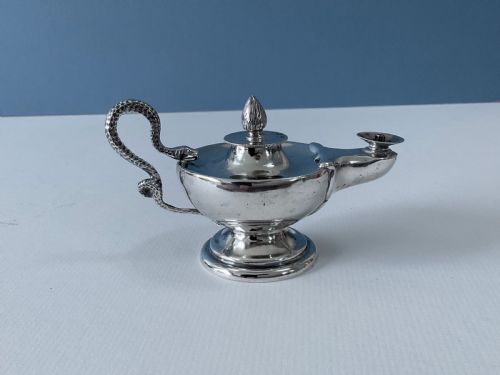
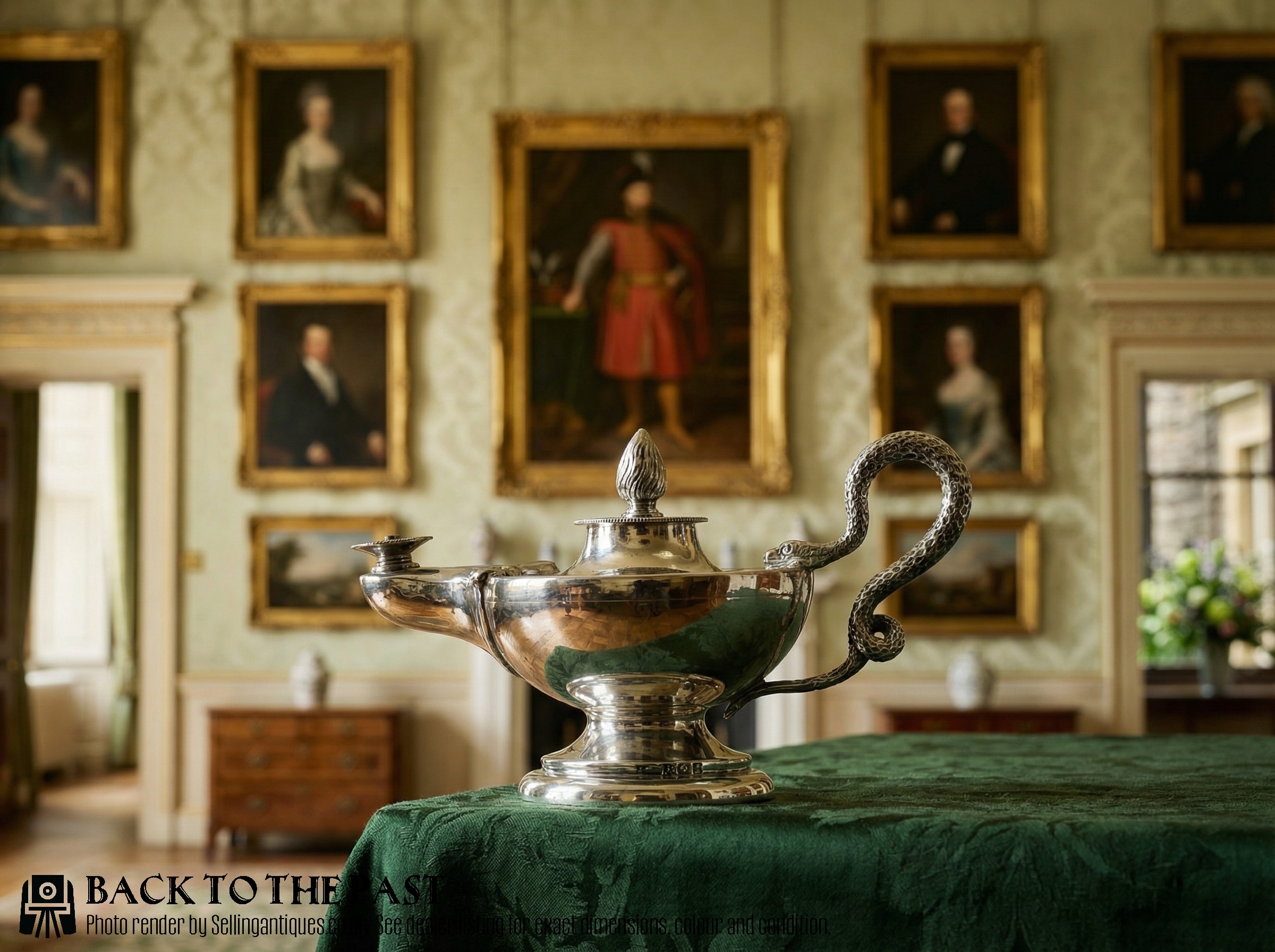
On this page, the most common pieces you meet take familiar shapes such as hunting horns, animal figures including Scottie dogs and frogs, and classic oil lamps. These examples reflect the Victorian love for whimsy alongside later twentieth-century modernist lines. Makers cast them in metals or shape them from silver to sit prominently on a smoking table or desk.
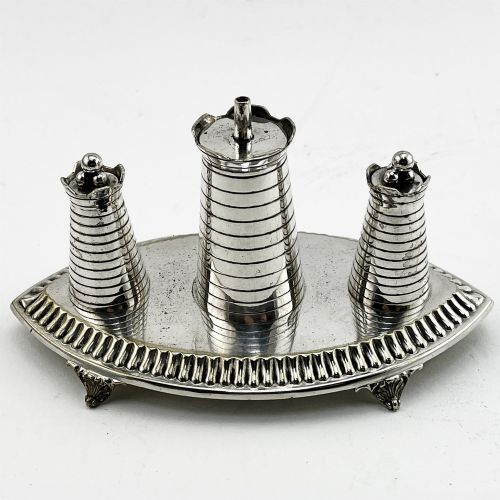
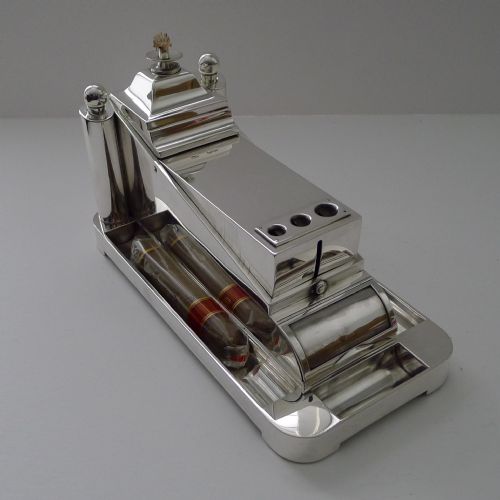
Smoking compendiums and specialised car-shaped models also appear within this category, combining multiple functions into a single display piece. The variety ranges from simple cast metal animals to elaborate silver carriages on wheels. Each item demonstrates how manufacturers turned mundane domestic gear into conversation pieces.
How they were made
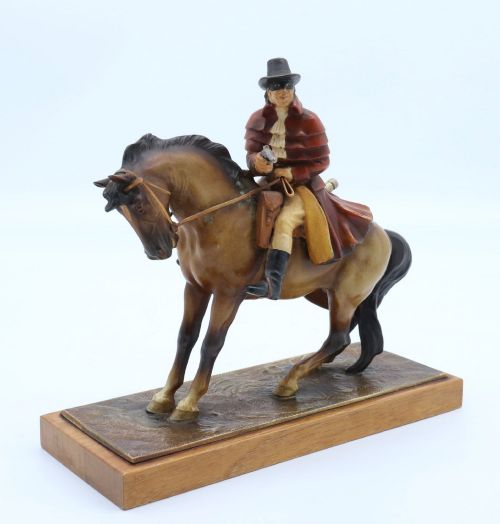
The construction of these pieces relies heavily on sterling silver, silver plate, and cast metal. Silversmiths hammered, shaped, and chased precious metal into complex figural designs like hunting horns and classical lamps. Cast metal and spelter allowed makers to produce intricate animal and human figures with detailed surface textures.
Novelty Table Lighter Retail Price Guide 2026
Typical asking prices for novelty table lighter among the pieces listed under this phrase on Sellingantiques today, from the lower quarter to the upper quarter. They describe what is for sale here now, not the wider market.
The listings show periods ranging from Victorian and Edwardian items to Art Deco pieces from the 1920s and 1930s.
What varies in quality
The integration of the mechanism into the sculptural form dictates the upper tier of the range. When a lighter conceals its functional parts smoothly within a car, animal, or lamp without disrupting the overall silhouette, the design succeeds completely. Surface finish, whether through careful silver chasing or precise hand painting, further distinguishes the superior examples.
Braham·Joseph Braham·Elkington·The Goldsmiths & Silversmiths Co·Dunhill·Collingwood & Co·John Wilmin Figg·Lorenzl·Blei & Bottoni
The Novelty Table Lighter Glossary
- Smoking compendium
- A desk or table set that groups multiple smoking accessories together in one cohesive design. These often include match holders, ash trays, and lighters housed within a single sculptural frame.
- Spelter
- An alloy of zinc and lead used widely for casting decorative figures. It takes fine detail well and serves as a base for applied paint or metallic finishes.
- Hallmark
- A series of official marks stamped onto precious metal items to guarantee their purity and origin. These symbols reveal the maker, the assay office, and the year of testing.
- Chasing
- A metalsmithing technique where the artisan hammers metal from the front to push the design into relief. This adds depth and texture to silver animal and plant forms.
- Silver plate
- A thin layer of silver bonded to a base metal core such as copper or nickel silver. It offered an affordable alternative to solid sterling silver while retaining a bright metallic sheen.
Novelty Table Lighter: Frequently Asked Questions
How did people use a table lighter?
These pieces rested on reception room or smoking room tables to provide a convenient flame for cigars and cigarettes. Guests and hosts operated the internal wick mechanism while gathered in the room.
The sculptural housing ensured the object looked decorative when not in active use during social gatherings.
What metals are most common?
Sterling silver and silver plate dominate the finer examples found in this category. These materials offered durability and a polished finish suitable for formal domestic interiors.
Cast metal and spelter appear frequently in figural animal and human designs, providing a sturdy base for detailed moulding.
How do I spot Victorian pieces?
Victorian examples often feature naturalistic animal forms, classical oil lamp shapes, or elaborate hunting horns. Check for crisp hallmarks that indicate the specific decade of production during the nineteenth century.
The weight and solidity of the silver work also point towards the craftsmanship typical of the period.
Are these lighters still functional?
Most buyers treat them primarily as decorative antiques and sculptural objects rather than everyday pocket lighters. The internal mechanisms require specialised care and dry cotton wicks if tested for use.
Examine the fuel chamber and burner components carefully if you intend to restore the functional aspect of the piece.