



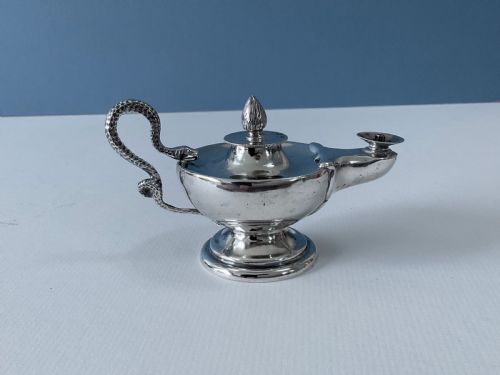


Edwardian Table Lighter
These edwardian table lighter pieces are heavy, functional smoking accessories designed for the dining room or desk, bringing period charm and silver to your interior.
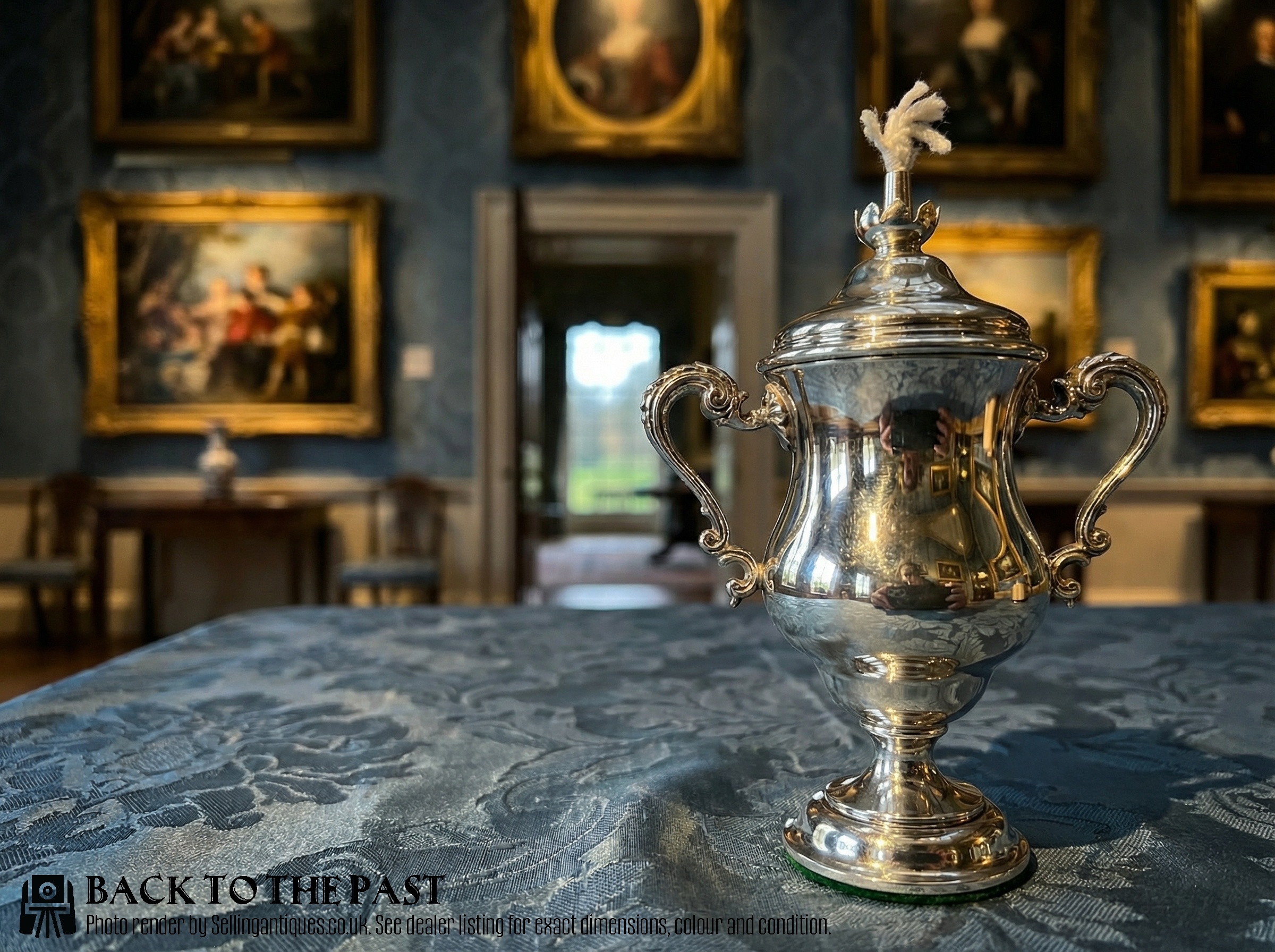
Edwardian Table Lighter
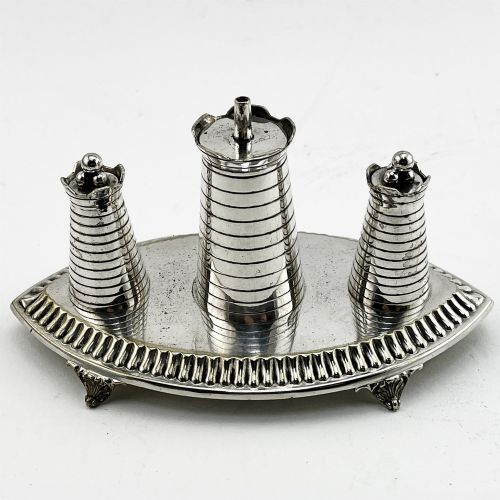
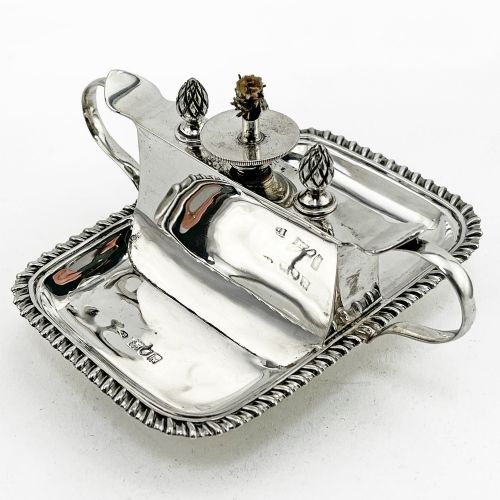
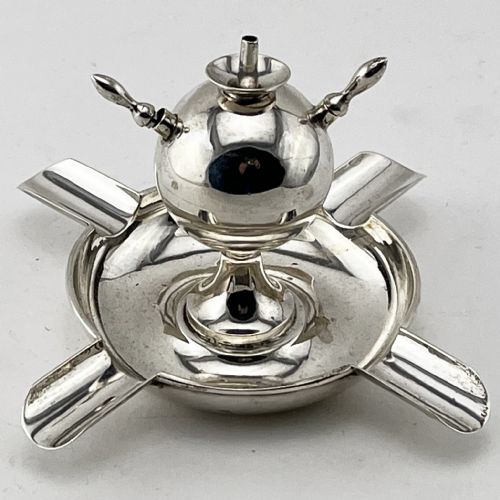
An edwardian table lighter sits on a surface to supply flame for cigars and cigarettes, taking forms from simple vessels to elaborate novelties. You will most frequently meet solid silver and silver plate examples shaped as classical oil lamps or novelty animals.
The objects span from the Victorian era through the Edwardian period and into the nineteen twenties, often appearing alongside smoking compendiums and cigar boxes. Makers utilised sterling silver, silver plate, cut glass and wood to construct these functional pieces.
How they were made
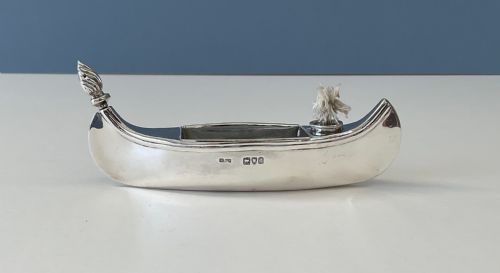
Silversmiths shaped sterling silver and silver plate through casting and hammering, frequently forming detailed novelty subjects such as frogs, canoes and fire carriages. Cut glass and wood appear in combination with metal mounts on larger smoking compendiums.
Lighting mechanisms relied on a cotton fabric wick held within a burner, drawing fuel from the main reservoir of the vessel. Hallmarks stamped into the metal record the year of creation and the silversmith responsible for the work.
Edwardian Table Lighter Retail Price Guide 2026
Typical asking prices for edwardian table lighter among the pieces listed under this phrase on Sellingantiques today, from the lower quarter to the upper quarter. They describe what is for sale here now, not the wider market.
Listings feature sterling silver, silver plate, cut glass and wood across Victorian and Edwardian periods.
What varies in quality
Maker attribution elevates an object, with pieces bearing marks from known workshops commanding attention. The survival of the original wick and the integrity of the metal reservoir also influence the standing of an individual piece.
Goldsmith & Silversmith·Joseph Braham·William Comyns·Mappin & Webb·George Betjemann·Elkington
The Edwardian Table Lighter Glossary
- Table lighter
- A portable or stationary flame source designed to sit on a desk or dining table for lighting cigars and pipes. These objects formed an essential part of period smoking accessories.
- Smoking compendium
- A fitted box or stand containing a table lighter alongside compartments for cigars and matches. They gather multiple smoking requirements into one portable unit.
- Sterling silver
- An alloy containing ninety-two point five percent silver by mass, with the remainder usually copper. This standard metal appears frequently across the listed pieces.
- Vesta case
- A small portable box used for holding safety matches, often decorated in matching silver or gilt to accompany a table lighter. George Betjemann produced notable examples.
- Novelty lighter
- A smoking accessory shaped to resemble an animal, vehicle, or historical object rather than a standard lamp. Examples include canoes, frogs and fire carriages.
Edwardian Table Lighter: Frequently Asked Questions
How did an edwardian table lighter work?
These pieces operated with a fabric wick soaked in fuel inside a vessel, creating a steady flame when lit for a cigar.
Users would lift the lighter from the table to apply the flame directly to smoking materials.
What materials make up these lighters?
The objects utilise sterling silver, silver plate and nickel silver for the main bodies and mounts.
Some examples incorporate cut glass, wood, onyx and lapis lazuli to build more complex smoking compendiums.
Why are some shaped like oil lamps?
Classical oil lamp shapes reflected a revival of ancient designs popular during the Victorian and Edwardian periods.
This aesthetic linked modern smoking habits with classical antiquity on the dining table.
Are these pieces safe to use today?
While the metal bodies and burners survive intact, modern safety standards mean most owners treat them as decorative antiques.
Using them requires careful handling of old wick systems and fuel storage.
How do I spot a novelty piece?
Novelty examples take recognizable forms outside standard vessels, such as animals, boats, or miniature carriages.
Silversmiths cast these shapes with high detail to amuse guests during smoking hours.