


Vintage Coffee Table
A vintage coffee table brings character to a room through timber, brass and time.
Vintage Coffee Table
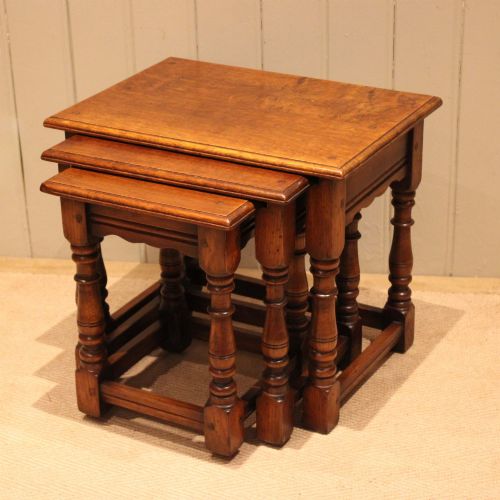
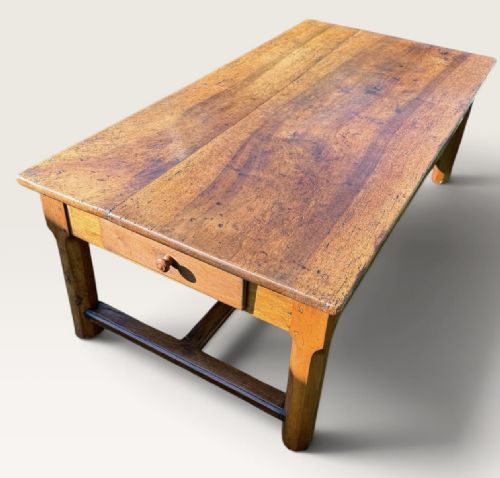
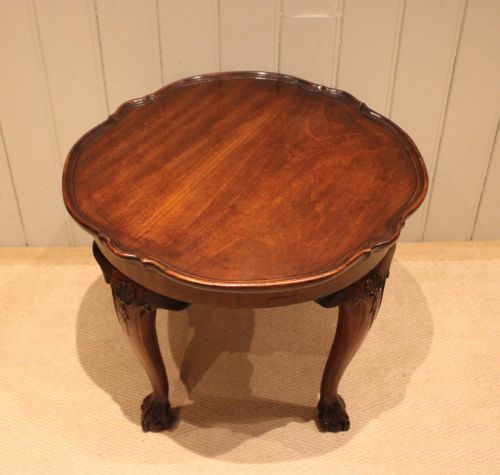
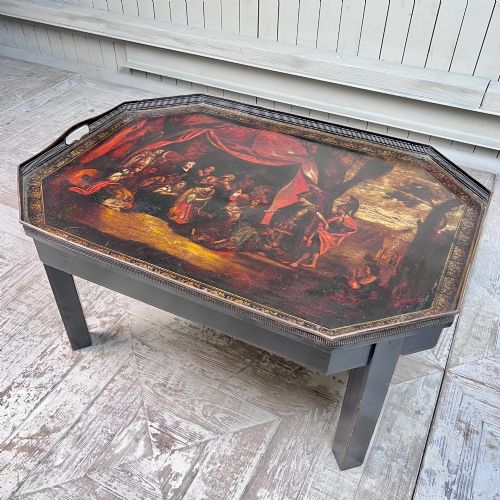
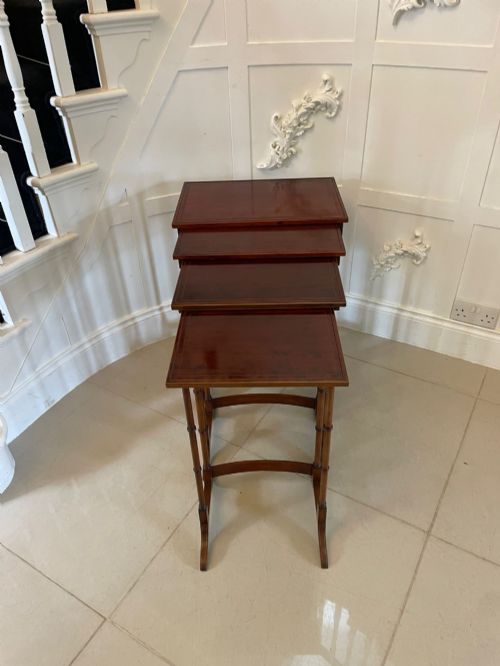
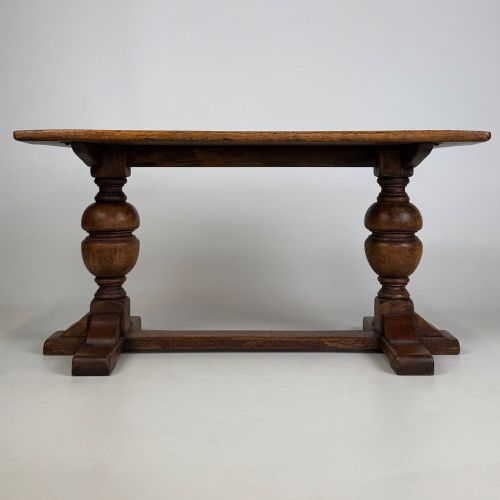
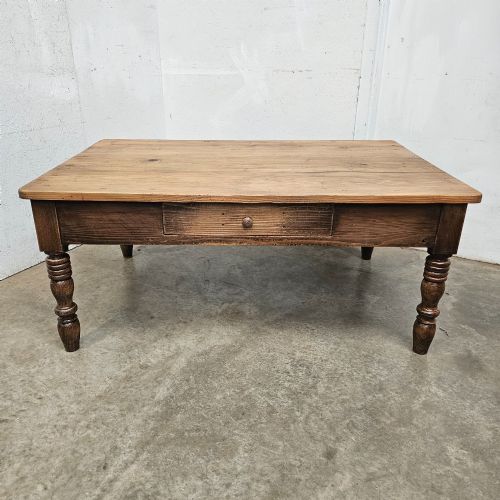
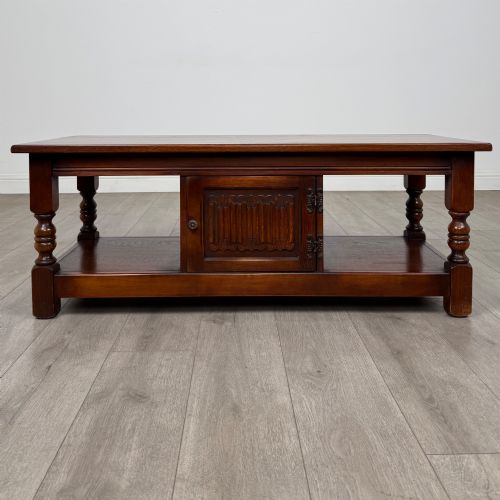
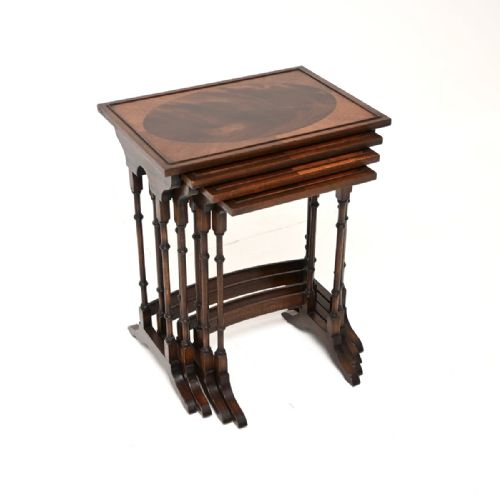
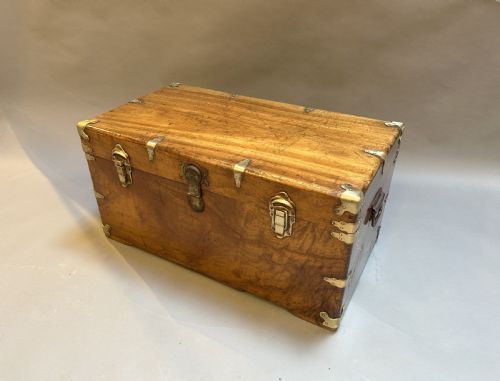
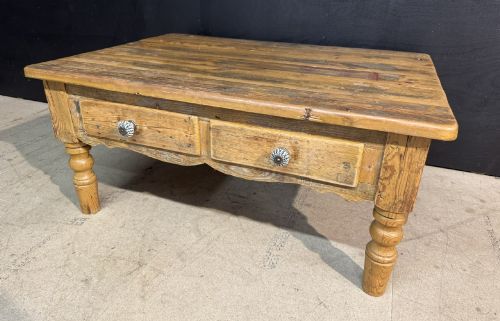
When searching for a vintage coffee table, buyers encounter a diverse selection ranging from low wooden boards to adapted storage trunks and nests of tables. The pieces span the nineteenth and twentieth centuries, taking forms such as tray tables, occasional tables, and repurposed travel luggage.
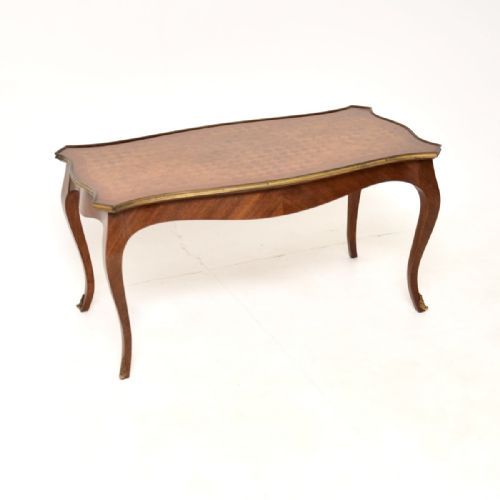
The most common versions met on this page include mahogany, oak, and walnut tables from the Edwardian era and the nineteen-thirties, alongside rustic pine and converted camphor or steamer trunks. These low tables serve functional surfaces in domestic spaces while displaying distinct period details like turned legs, parquetry, or brass bindings.
How they were made
Makers utilised solid timbers such as mahogany, oak, walnut, pine, and yew, frequently applying veneers including burr walnut and oyster veneer to create patterned surfaces. Metal components like brass appear on campaign trunks, lion paw feet, and tray mountings.
Vintage Coffee Table Retail Price Guide 2026
Typical asking prices for vintage coffee table among the pieces listed under this phrase on Sellingantiques today, from the lower quarter to the upper quarter. They describe what is for sale here now, not the wider market.
Listings feature woods including walnut, mahogany, oak, yew, and pine, alongside brass and marble materials.
What varies in quality
Quality separates through the selection of cabinet timber, distinguishing plain softwoods from figured walnut, rosewood, and crossbanded mahogany. The precision of inlay, marquetry, and carved detailing indicates the level of craftsmanship invested in the piece.
Structural integrity and the retention of original hardware, such as brass binding on trunks or matched nests of tables, define the upper tier of the range. Variations extend to the sophistication of forms, from simple rustic pine to refined Art Deco and French inlaid designs.
Louis Vuitton·Mr Selfridge·J.Burton London
The Vintage Coffee Table Glossary
- Nest of tables
- A set of graduated tables designed to slide one beneath another when not in use. These often appear in mahogany or walnut from the Edwardian period.
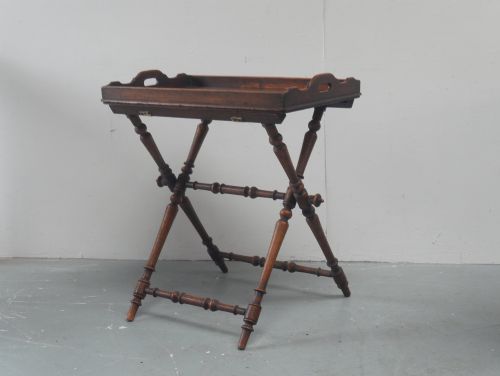
- Butler's tray
- A removable wooden tray with raised sides, traditionally set upon a folding X-frame stand. Examples occur in mahogany and oak across the nineteenth century.
- Parquetry
- Geometric mosaic woodwork used for decorative surface patterns on tabletops. French tables frequently employ this technique.
- Campaign trunk
- A portable storage chest reinforced with brass corners and bindings for travel. These are often adapted for use as low coffee tables.
- Oyster veneer
- Circular pieces of wood sliced across branches to display concentric growth rings. This decorative veneer appears on early twentieth-century pieces.
Vintage Coffee Table: Frequently Asked Questions
What periods do these coffee tables cover?
The selection spans from the nineteenth century through the Edwardian era and into the nineteen-thirties. Pieces reflect stylistic shifts from Victorian and Jacobean Revival to Art Deco.
Dates are recorded from the eighteen-seventies up to nineteen-thirty, capturing both antique items and vintage twentieth-century designs.
How were storage trunks used as tables?
Travel trunks, camphor chests, and steamer luggage were originally built for transporting belongings by sea and rail. Their flat tops and sturdy wooden construction allow them to function as low living room tables.
Many retain original brass bindings, handles, and travel labels from their active journeys.
What is a nest of tables?
A nest comprises multiple small tables, usually three to five, built in graduating sizes to fit neatly together. They provide flexible surface space that can be expanded or tucked away instantly.
Edwardian and Art Deco examples frequently utilise mahogany, walnut, or oak.
How do I identify Art Deco tables?
Art Deco coffee tables from the nineteen-thirties emphasise clean geometric lines and figured walnut veneers. They often feature rounded shapes or tiered profiles.
These contrast with the earlier carved oak and turned leg styles of the Edwardian and Victorian periods.