
Vintage Chinoiserie Lamps
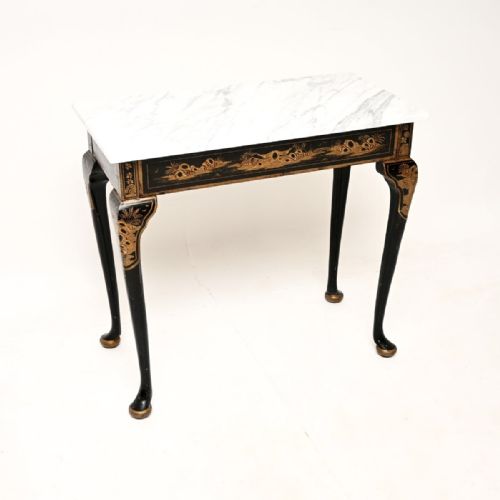
These vintage chinoiserie lamps bring decorative painted lacquer, porcelain vessels, and floor standards into rooms needing character.
Vintage Chinoiserie Lamps
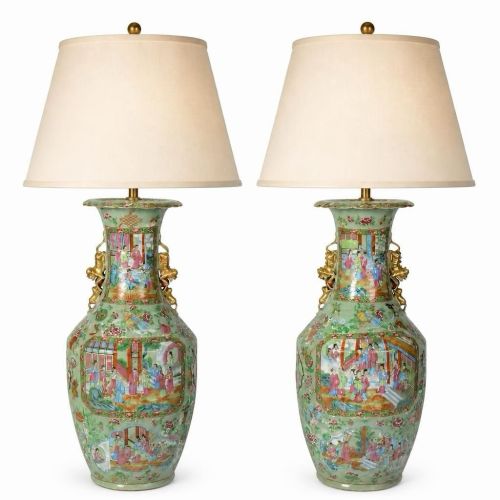
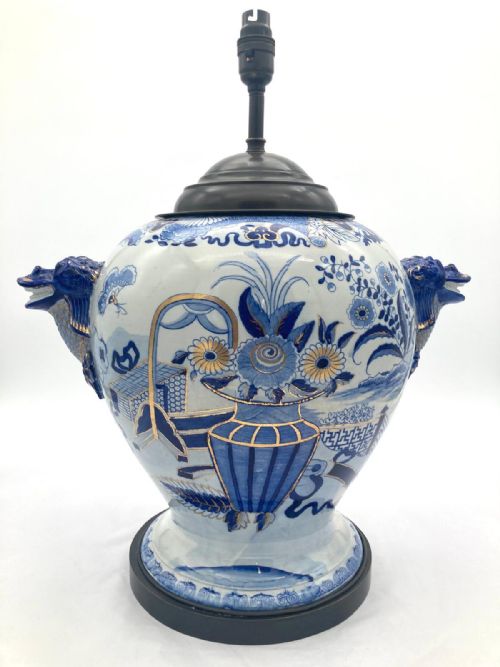
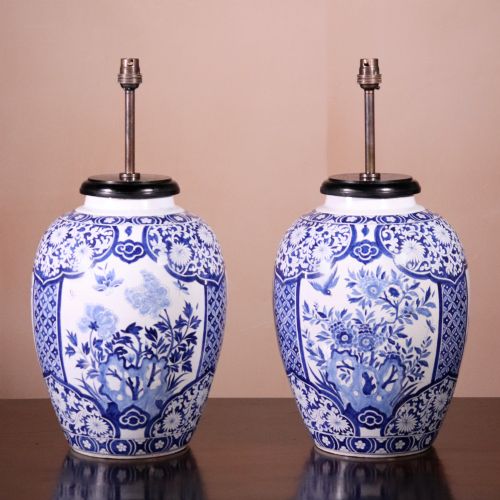
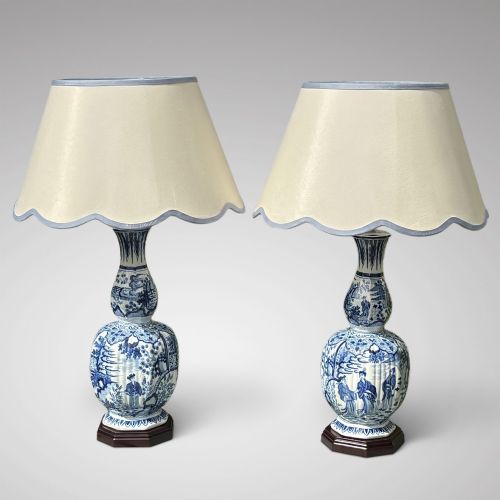
When searching for vintage chinoiserie lamps, buyers encounter illuminated pieces formed from converted porcelain vases, ginger jars, and tea canisters, alongside tall standard lamps and floor lamps. The selection spans the eighteenth century through the Edwardian era and the nineteen-twenties, incorporating styles such as French and Dutch Delftware alongside nineteenth-century Chinese pieces.
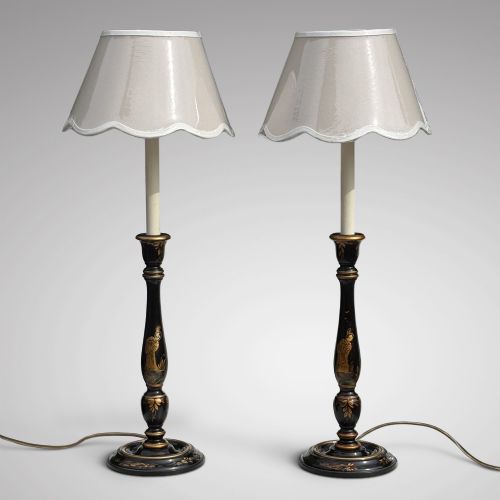
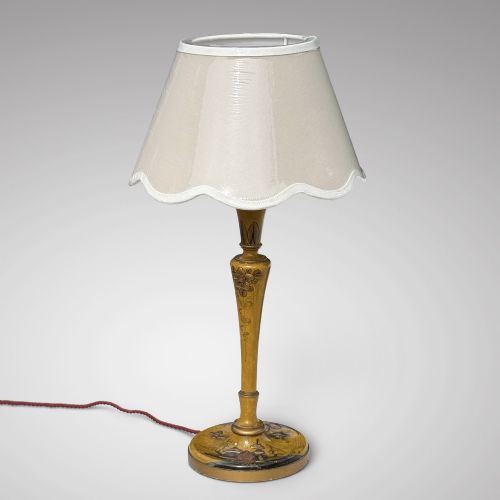
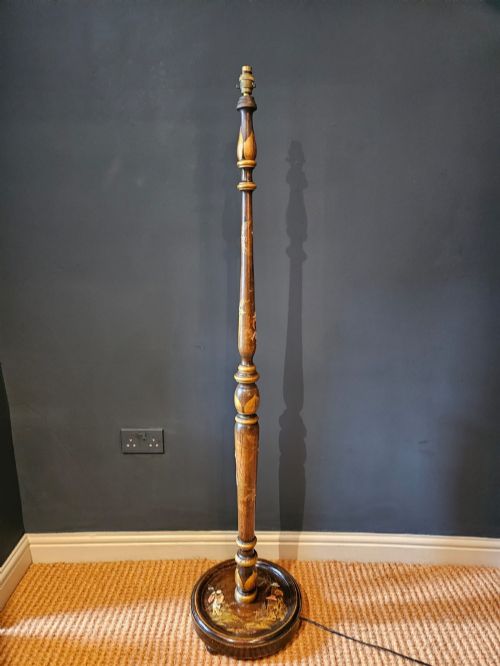
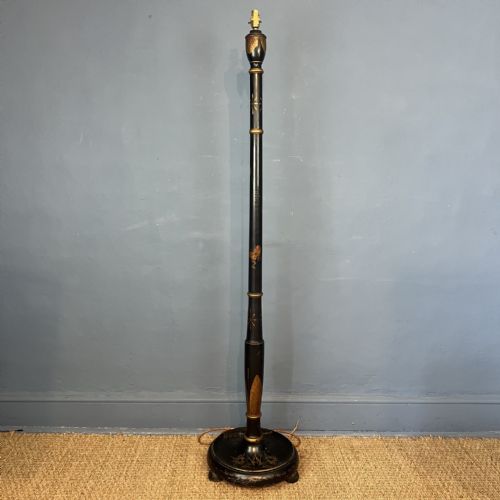
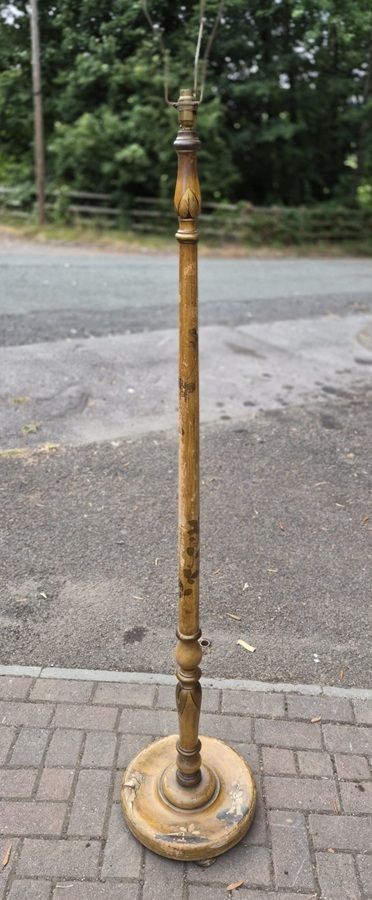
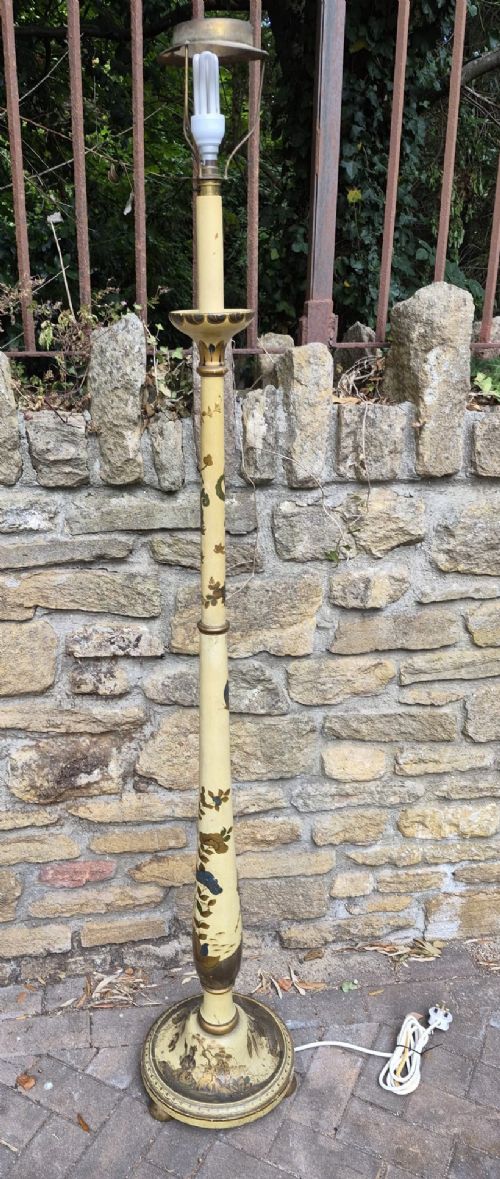
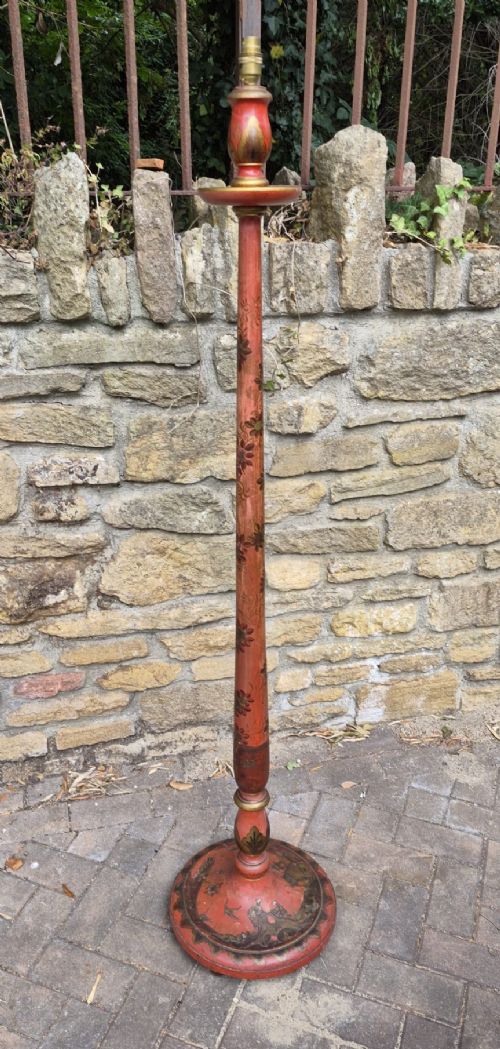
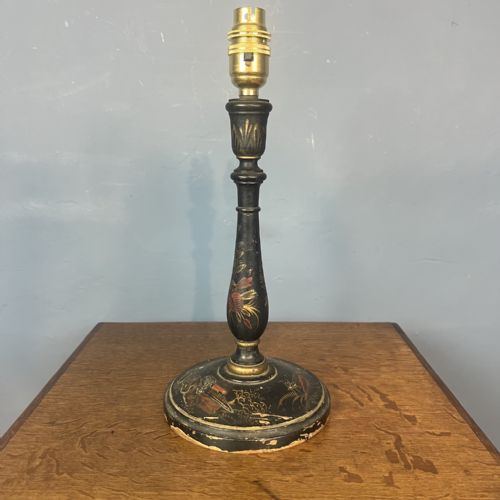
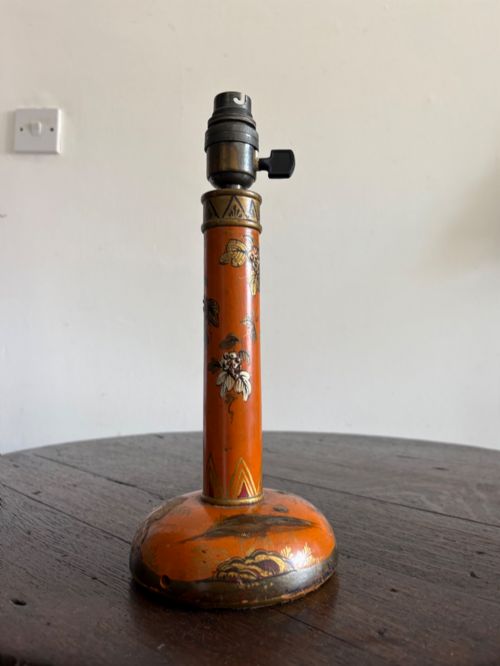
Table lamps dominate the selection, often appearing as pairs finished in black, ochre, or mandarin orange lacquer. Alongside these sit floor-standing lamp standards and standard lamps, frequently paired with fabric shades.
How they were made
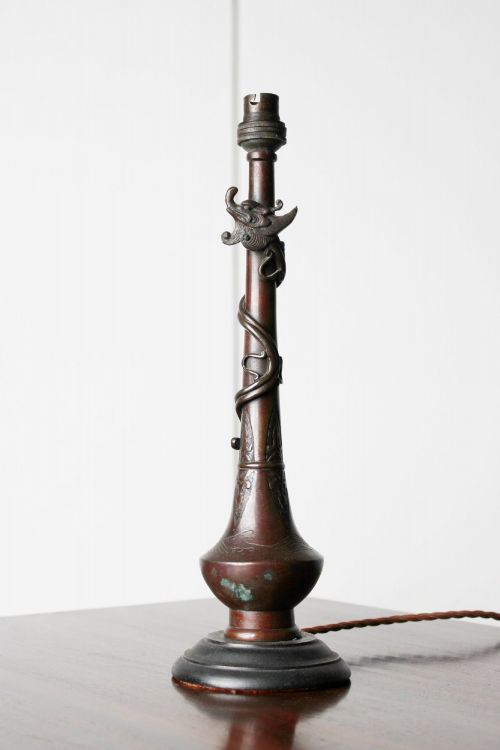
Makers utilised lacquered wood, brass, gilt, and bronze to construct the bodies and bases of these lamps. Ceramic forms rely on porcelain, ironstone, and earthenware, sourced from Dutch Delftware, French porcelain, and Chinese export wares.
Surface decoration involves hand-painted motifs applied to lacquer or ceramic, often mounted with gilt bronze or brass fittings during conversion into electrical lamps.
Listings feature items from the eighteenth, nineteenth, and early twentieth centuries, including Edwardian and Victorian examples.
What varies in quality
Quality rests in the execution of the hand-painted decoration and the integrity of the lacquered surfaces. Finer examples display crisp detail on lacquer work and well-preserved gilt bronze or brass mounts.
The choice of vessel dictates distinction, with antique porcelain vases and ginger jars offering superior decorative presence compared to simpler turned wooden standards.
The Vintage Chinoiserie Lamps Glossary
- Chinoiserie
- European decorative style reflecting Chinese artistic influences, seen on lacquered furniture and lamp bases. It gained popularity across multiple centuries in various European interpretations.
- Standard Lamp
- A tall floor-standing lamp designed to illuminate a room from a corner or beside seating. These pieces often feature painted or lacquered wooden shafts.
- Famille Verte
- A Chinese porcelain palette characterised by green enamel overglaze, frequently appearing on nineteenth-century vases converted into lamps. This palette distinguishes certain ceramic lamp bodies.
- Blanc de Chine
- White Chinese porcelain from Dehua, sometimes moulded into figures such as Shi Lions or Dogs of Fo for lamp conversion. This white ceramic creates a distinct sculptural base.
- Delftware
- Tin-glazed earthenware originating from the Netherlands and England, displaying blue and white designs. Eighteenth-century examples frequently form the body of antique vase lamps.
Vintage Chinoiserie Lamps: Frequently Asked Questions
What is a chinoiserie lamp?
A chinoiserie lamp is a lighting fixture decorated in European interpretations of Chinese artistic styles. These pieces often utilise lacquered wood or converted ceramic vessels.
Painted scenes and decorative motifs define the aesthetic, bringing nineteenth-century or earlier visual elements into modern interiors.
How do I date a lamp?
Dating relies on examining the materials, construction methods, and base pottery or lacquer work. Evidence points to periods spanning the eighteenth, nineteenth, and early twentieth centuries.
Component parts like brass fittings and wiring methods further help determine whether a piece originates from the Edwardian era or the nineteen-twenties.
Were these originally lamps?
Many vintage chinoiserie lamps started life as decorative items rather than lighting. Vases, tea canisters, and ginger jars were later converted into lamps.
Standard lamps and wooden table lamps, however, were built specifically to hold electrical components and shades from the time of their manufacture.