




Vintage Chinese Vase
When you search for a vintage chinese vase, you find porcelain, cloisonné, and bronze vessels that bring centuries of craftsmanship into modern interiors.
Vintage Chinese Vase
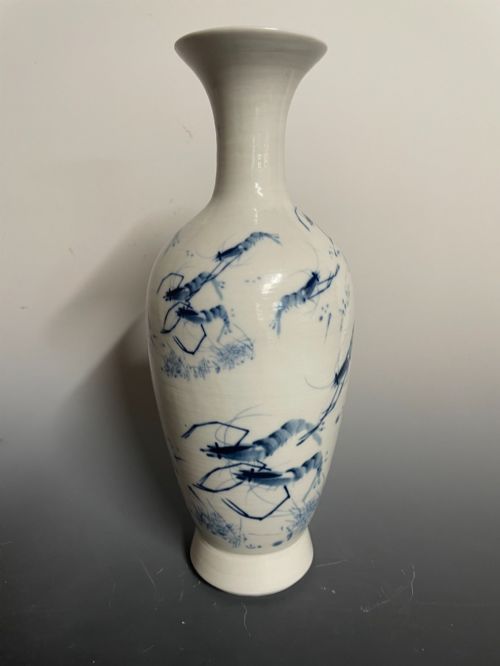
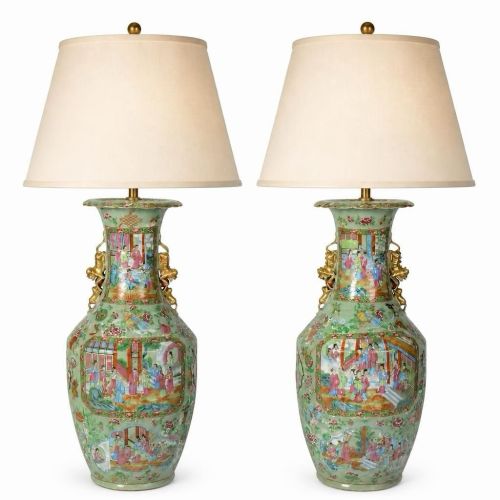
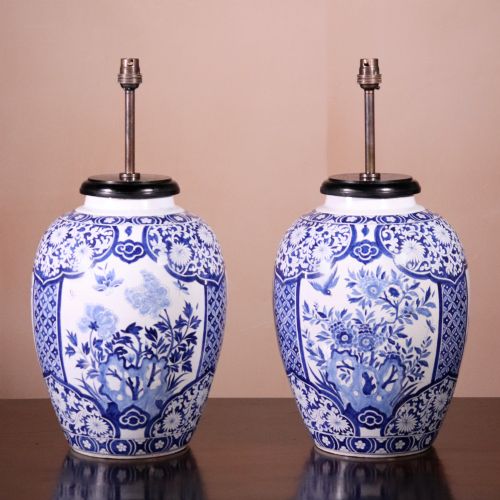
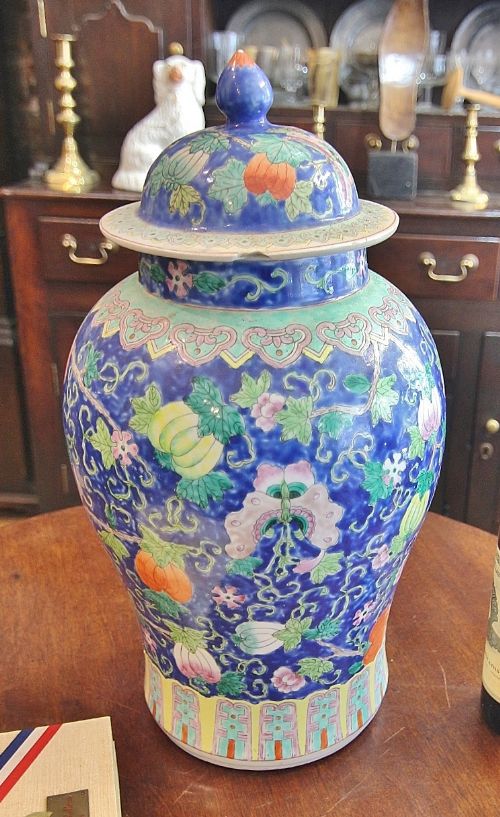
A vintage chinese vase encompasses forms ranging from porcelain vessels decorated in blue and white to cloisonné and bronze pieces made across the nineteenth and twentieth centuries. Buyers seeking a vintage chinese vase frequently encounter glazed ceramic bodies, cloisonné enamel work, and metal vessels adapted into table lamps or paired as decorative ornaments.
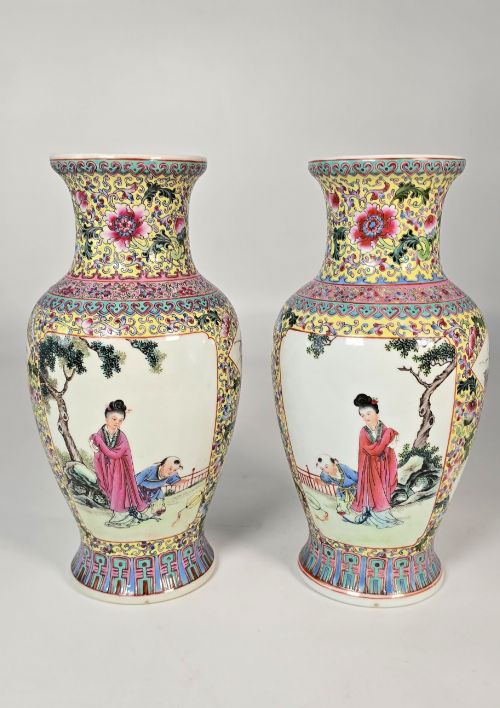
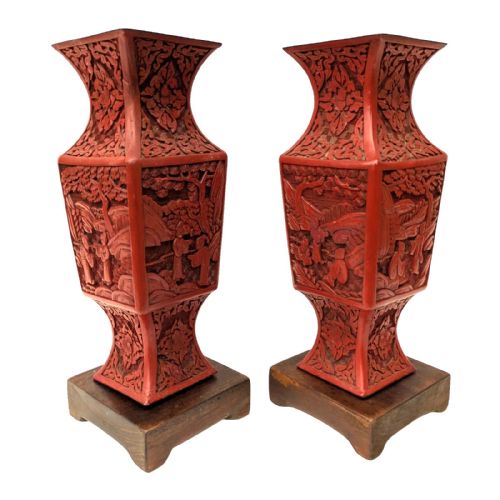
The selection includes famille rose and famille verte palettes alongside blue and white porcelain and carved cinnabar lacquer. Many pieces reflect transitional periods, incorporating traditional motifs or mounting styles suited to European and American homes of the Victorian and Edwardian eras.
How they were made
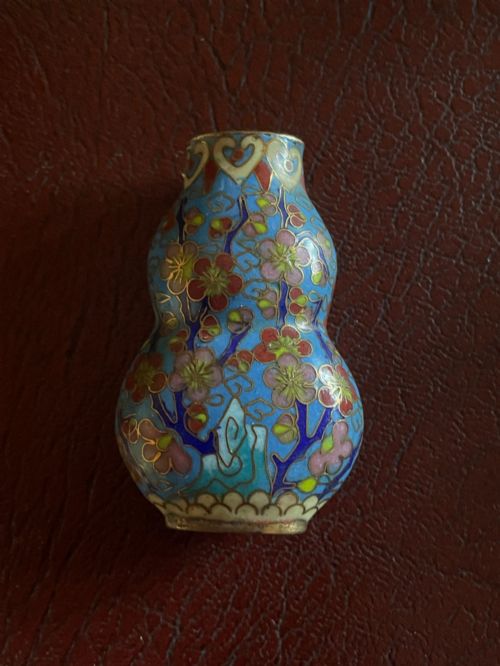
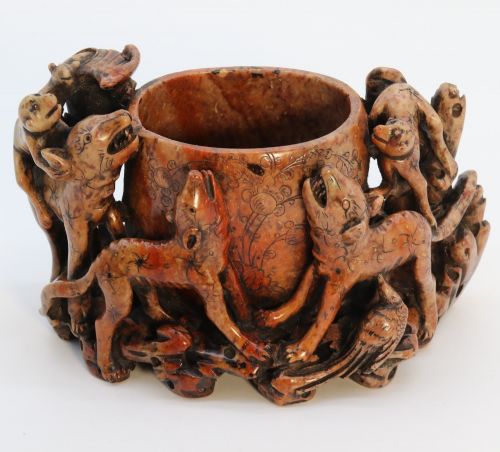
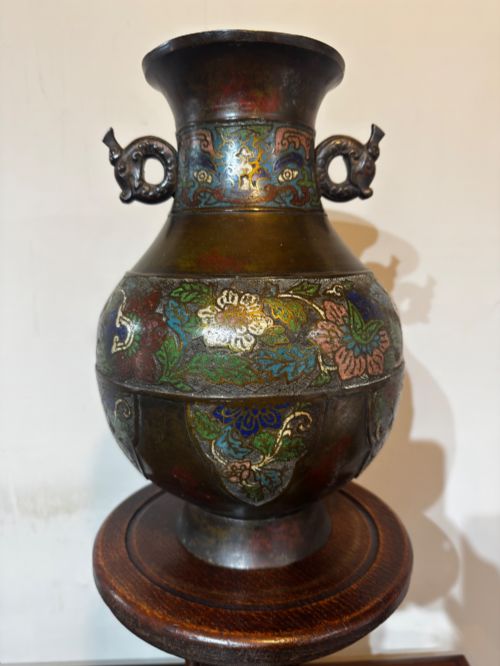
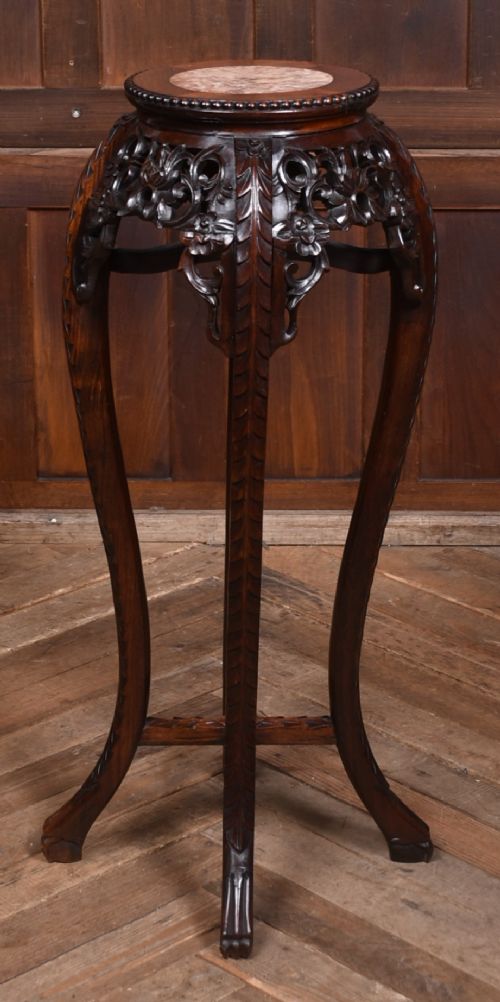
Potters and metalsmiths utilised porcelain, bronze, brass, and copper, often combining materials through cloisonné and champlevé techniques where wire partitions hold vibrant enamel pastes. Artisans carved intricate details into cinnabar lacquer, soapstone, and hardwoods for companion plant stands and brush pots.
Surface decoration involved hand-painting pigments beneath or over the glaze, such as the pink enamels of famille rose or cobalt blue on white clay bodies. Ormolu mounts and gilt bronze were frequently added to elevate the status of these decorative vessels during the nineteenth century.
Materials in these listings include brass, porcelain, enamel, fabric, wood, copper, hardwood, and gilt bronze.
What varies in quality
The nuance of hand-painted brushwork and the precision of the wirework in cloisonné enamel separate standard production from superior examples. Weight and wall thickness in porcelain and bronze indicate the care taken during casting and shaping.
The integrity of the original surface patina, whether on aged gilt metal or crackleware glaze, dictates visual depth. Pieces retaining well-preserved lacquer carving or balanced ormolu mounts demonstrate superior craftsmanship.
The Vintage Chinese Vase Glossary
- Cloisonne
- Enamelwork created by soldering metal wires onto a base to form compartments filled with paste and fired. This technique produces intricate patterns defined by thin metallic outlines.
- Famille Rose
- A palette of opaque enamels dominated by pink or rose colours, introduced during the Qing Dynasty. It allows for subtle tonal gradations in floral and figural scenes.
- Famille Verte
- A translucent green-dominated palette used on porcelain alongside iron red, yellow, and blue. This style flourished before the rise of pink enamels.
- Ormolu
- Gilt bronze mounts applied to furniture and ceramics. It provides a decorative metallic edge that complements Asian export wares.
- Cinnabar Lacquer
- Layers of red lacquer built up on a core and carved with deep motifs. It requires patience and skill to achieve the necessary thickness for carving.
Vintage Chinese Vase: Frequently Asked Questions
How do I identify a vintage chinese vase?
Examine the material beneath the glaze and check for hand-painted brushstrokes rather than printed transfers. Look at the base for reign marks or wear patterns consistent with age.
Consider the weight and method of construction, such as bronze casting or cloisonné wire placement. These physical traits help distinguish older export pieces from recent reproductions.
Were these vases made for export?
Many nineteenth and twentieth-century pieces were produced specifically for Western markets, often adapting traditional forms into lamps or decorative mantel ornaments. Artisans blended Asian motifs with European furnishing preferences of the period.
Export pieces frequently incorporated ormolu mounts or electrical wiring additions. This crossover reflects the high demand for Oriental aesthetics in Victorian and Edwardian interiors.
How should I clean a cloisonne vase?
Dust the surface gently with a soft, dry cloth to prevent abrasive particles from scratching the delicate enamel or metal wires. Avoid using water or chemical cleaners that might seep into microscopic cracks.
If the piece requires deeper attention, consult a professional conservator. Enamel and brass components react poorly to household cleaning agents.