






Pink Green Vase
A pink green vase brings together two contrasting tones in ceramics and glass from the nineteenth century.
Pink Green Vase
A pink green vase encompasses various vessels, including uranium green glass bases paired with pink glass, and traditional porcelain forms featuring painted floral decoration. These pieces originate from the nineteenth century, spanning Victorian production and continental European workshops.
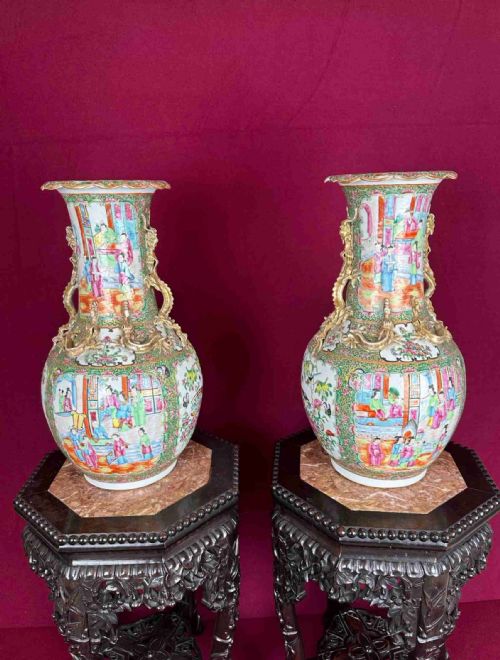
The selection on this page ranges from Hungarian lustre earthenware to Chinese export porcelain and Austrian decorative ceramics. Buyers frequently encounter nineteenth century Chinese Canton wares alongside European items when searching for this colour combination.
How they were made
Makers utilised porcelain, ceramic, and glass as primary bodies, applying enamel pigments and gold leaf details by hand. Artisans combined these materials with gilt wood mounts or metallic components to finish larger decorative objects.
Painting techniques involved detailed brushwork for floral motifs and figural scenes, fixed through kiln firing. Glass pieces relied on chemical additions, such as uranium, to achieve specific green tones alongside contrasting pink shades.
Pink Green Vase Retail Price Guide 2026
Typical asking prices for pink green vase among the pieces listed under this phrase on Sellingantiques today, from the lower quarter to the upper quarter. They describe what is for sale here now, not the wider market.
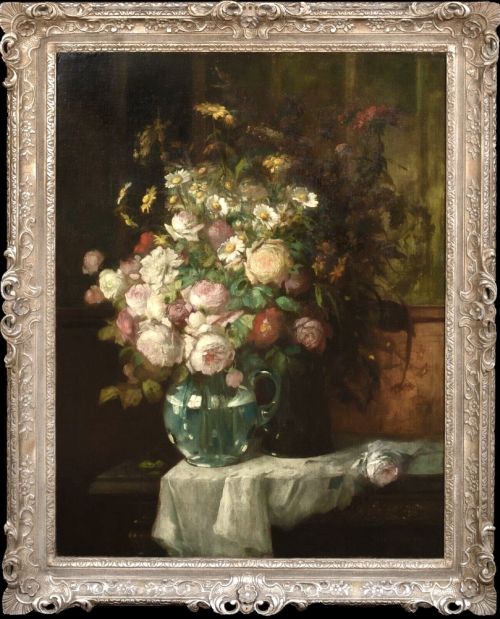
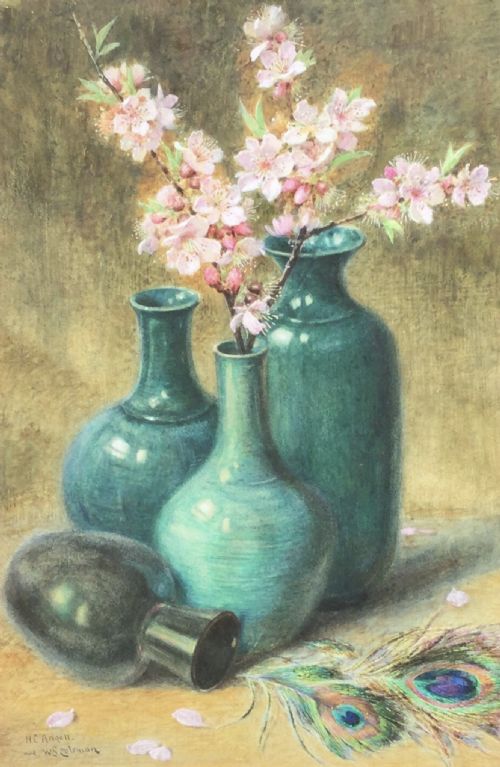
Materials recorded on this page include oil paint, canvas, gold leaf, and gilt wood alongside traditional ceramic bodies.
What varies in quality
Quality depends upon the precision of the hand-painted details and the crispness of the enamel work across the surface. Superior examples demonstrate careful control of colour graduation and refined application of gilt highlights.
The weight and finish of the ceramic or glass body also determine the standard of the piece. Well-executed forms display balanced proportions and consistent glaze coverage without blurring in the decorative motifs.
Zsolnay Pecs·Royal Vienna·Royal Dux
The Pink Green Vase Glossary
- Famille Rose
- A palette of Chinese porcelain enamels dominated by opaque pink, introduced during the Qing dynasty. This grouping includes numerous floral and figural designs.
- Canton
- A major production centre in China for export porcelain, known for elaborate painted decoration. Pieces often feature panels of figures interspersed with birds and flowers.
- Lustre
- A type of ceramic glaze that produces an iridescent metallic sheen when fired in a reduced oxygen atmosphere. Zsolnay Pecs utilised this technique on Hungarian wares.
- Uranium glass
- Glass coloured with uranium oxide that glows vibrant green under ultraviolet light. This material frequently appears in nineteenth century decorative glassware.
- Royal Vienna
- A style and mark associated with porcelain decoration originating from the Austrian imperial factory and later independent imitators. These items typically feature rich hand-painting and gilt borders.
Pink Green Vase: Frequently Asked Questions
How do I clean a ceramic vase?
Dust the surface regularly with a soft, dry cloth to prevent the accumulation of dirt on painted details.
Avoid immersing antique items in water, especially those with gilt highlights or delicate enamel work, as moisture can damage the finish.
Are these pieces suitable for fresh flowers?
Many nineteenth century ceramic and glass vessels were intended primarily as decorative display items rather than functional flower holders.
Using them for water can sometimes compromise historical glazes or interior surfaces, so a protective liner is advisable if you use them practically.
How do I identify a Victorian piece?
Look for specific material characteristics and decorative motifs typical of nineteenth century European and export manufacturing.
Examining the base for period marks, studio signatures, or wear patterns helps establish the approximate date of origin.
Where should I display a coloured glass vase?
Position glass items near a natural light source to enhance the transparent tones and any reactive properties in the material.
Ensure the placement is secure and away from high traffic areas to protect fragile nineteenth century edges from accidental knocks.