








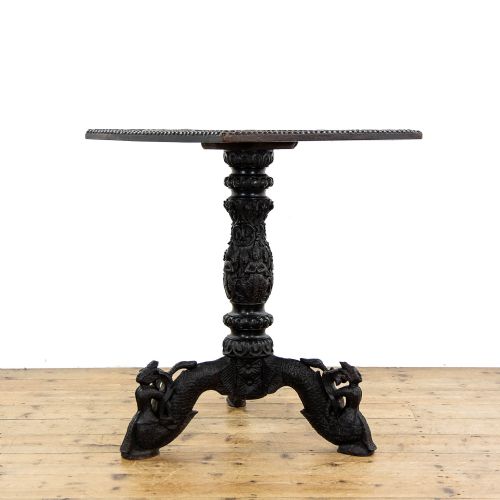

Vintage Chinese Plant Stand
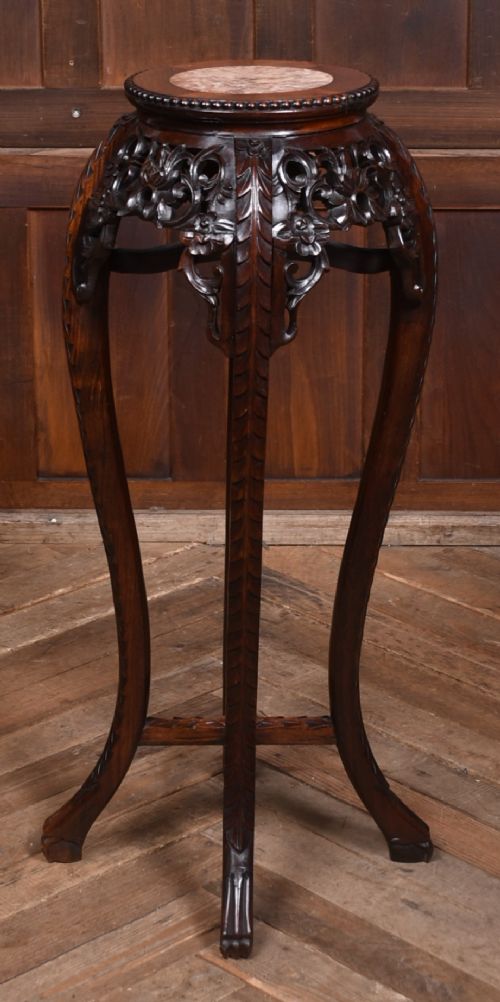
A vintage chinese plant stand brings dense hardwoods, inset marble and intricate carving together to elevate ceramics in a room.
Vintage Chinese Plant Stand
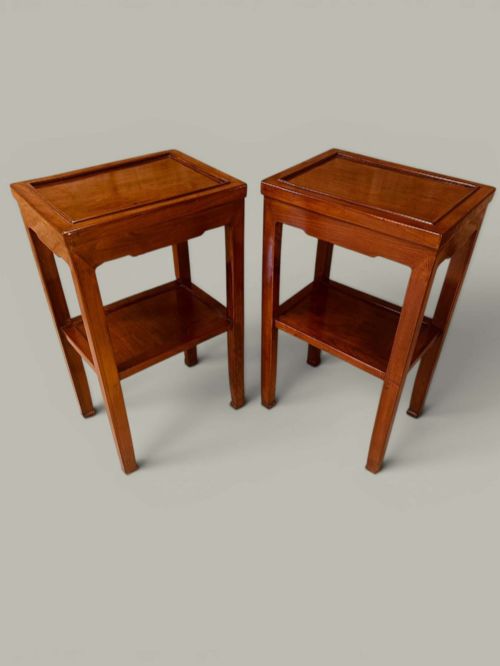
A vintage chinese plant stand serves as a raised platform for urns, jardiniere bowls and vases, appearing across various forms including pedestals, side tables and garden seats. These furnishings emerge from periods spanning the nineteenth century through the early twentieth century, encompassing Victorian and Edwardian dates alongside Qing Dynasty production.
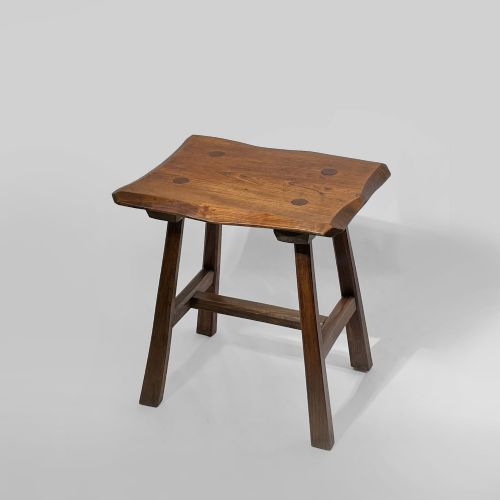
Buyers meet pieces fashioned from dense timbers like rosewood, hongmu and teak, frequently topped with rouge or white marble inserts. Object types extend from wine tables and occasional tables to stools and barrel garden seats, reflecting diverse utility in domestic spaces.
Materials and construction
Carpenters build these pieces using heavy hardwoods, rosewood and teak, joined through traditional framing techniques that support substantial stone inserts. Marble and porcelain slabs fit directly into recessed timber surfaces to create stable display areas for heavy ceramic vessels.
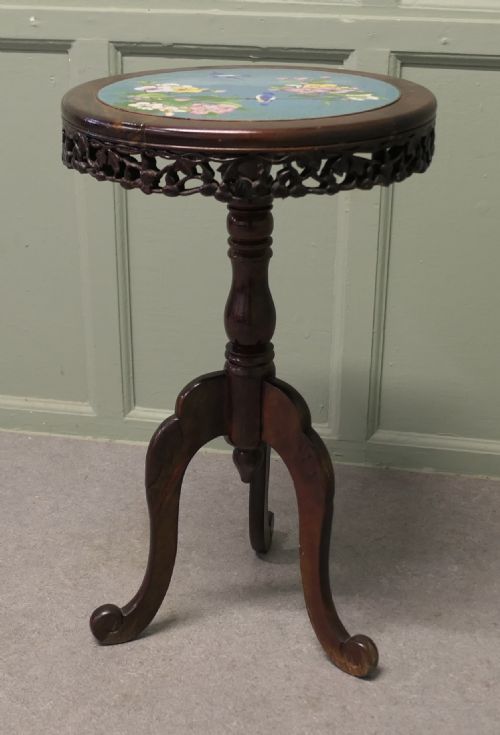
Craftsmen apply decorative details through mother of pearl inlay, cloisonne enamel panels and detailed carving depicting dragons, birds and floral motifs. Lacquer and painted finishes additionally appear on select pedestals and side tables.
Vintage Chinese Plant Stand Retail Price Guide 2026
Typical asking prices for vintage chinese plant stand among the pieces listed under this phrase on Sellingantiques today, from the lower quarter to the upper quarter. They describe what is for sale here now, not the wider market.
Listings span the nineteenth century, Victorian era and early twentieth century, utilising rosewood, teak, hardwood, marble and cloisonne enamel.
Assessing quality
Quality rests upon the density and selection of the timber, where heavy rosewood and hongmu components outlast lighter or mixed secondary woods. The depth and clarity of the hand carving indicate the skill applied to the structure.
The integration of inset marble or cloisonne enamel panels dictates the refinement of a piece, requiring precise joinery to secure heavy stone within wooden frames. Surfaces finished with intact mother of pearl inlay demonstrate superior craftsmanship.
The Vintage Chinese Plant Stand Glossary
- Jardiniere
- A large ornamental pot or planter designed to hold growing plants. These stands provide elevated placement for such vessels.
- Hongmu
- A category of dense, dark tropical hardwoods used in traditional Chinese furniture making. Pieces built from this material possess significant weight.
- Cloisonne
- An enamelwork technique where metal wire forms compartments on a base to hold coloured paste. This decoration appears on select table tops and panels.
- Rosewood
- A heavy, durable timber prized for its rich grain and dark colour. It forms the primary structure for numerous nineteenth-century tables.
- Chinoiserie
- European artistic styles reflecting Chinese motifs and decorative patterns. These designs influence specific decorative items.
Vintage Chinese Plant Stand: Frequently Asked Questions
What is a plant stand used for?
These pieces elevate heavy ceramic vases, urns and planters above floor level to display decorative foliage and pottery within a room.
They also function as occasional tables, lamp tables or small side surfaces for general domestic use.
How do I identify the wood?
Examine the weight, grain pattern and colour of the timber exposed beneath the finish or on the underside of the structure.
Dense varieties include dark rosewood, teak and hongmu, whilst lighter pieces utilise elm or softer woods.
Are the marble tops original?
Marble inserts fit into a recessed channel within the wooden frame, shaped specifically to match the round, square or polygonal top.
Original stones show appropriate surface wear and match the exact dimensions of the supporting timber rebate.
How do I care for marble and hardwood?
Dust timber surfaces regularly with a dry cloth and avoid placing liquid containers directly on unsealed wood.
Clean marble inserts with a damp cloth and mild soap, avoiding acidic substances that etch the polished stone surface.