

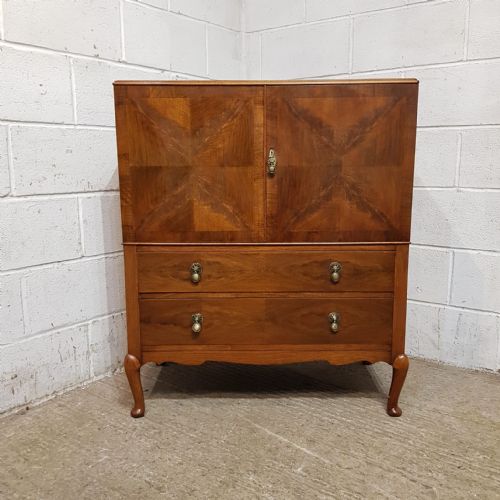
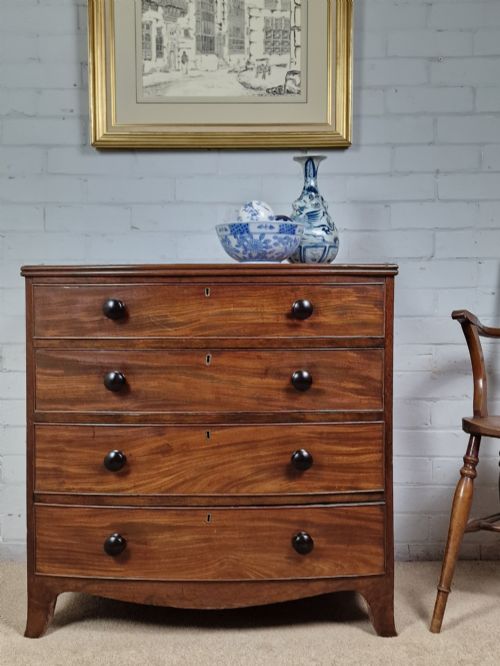
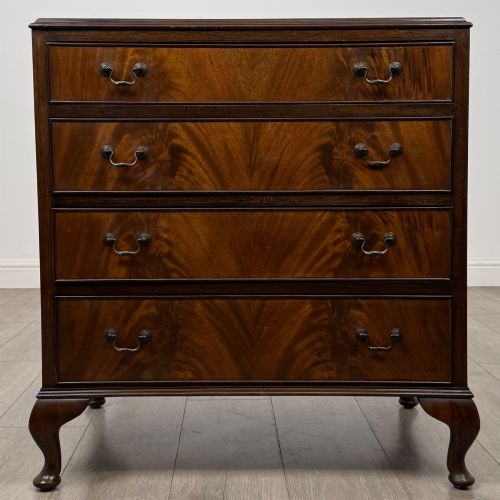
Vintage Chest on Legs
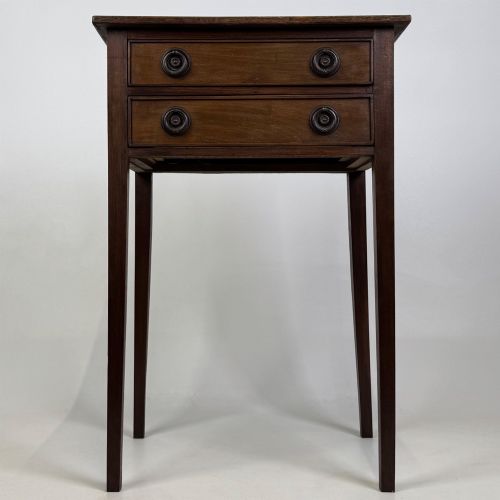
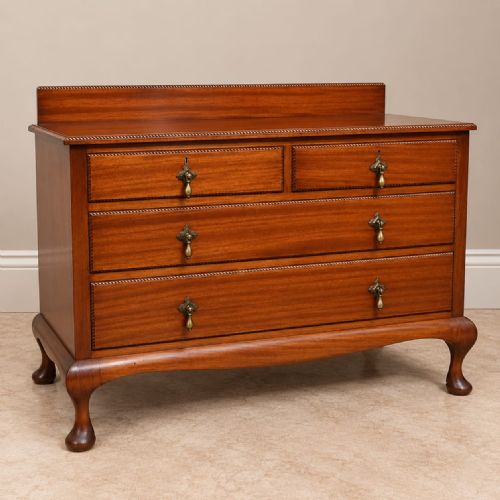
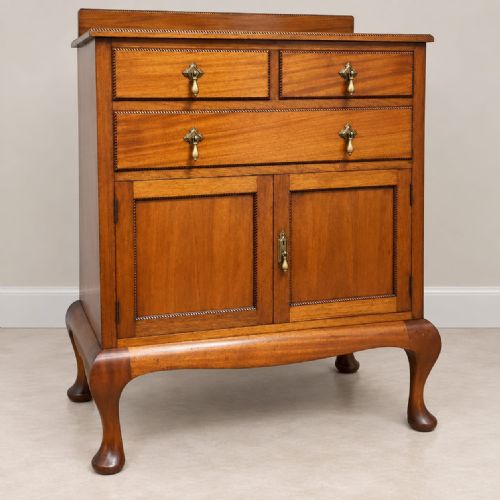
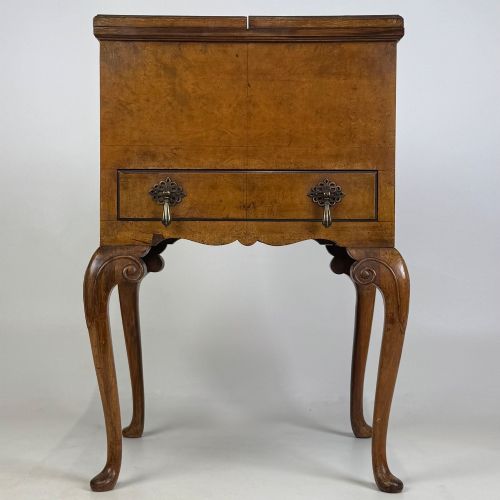
A vintage chest on legs brings elevated storage into a room, offering practical drawer space raised on graceful supports.
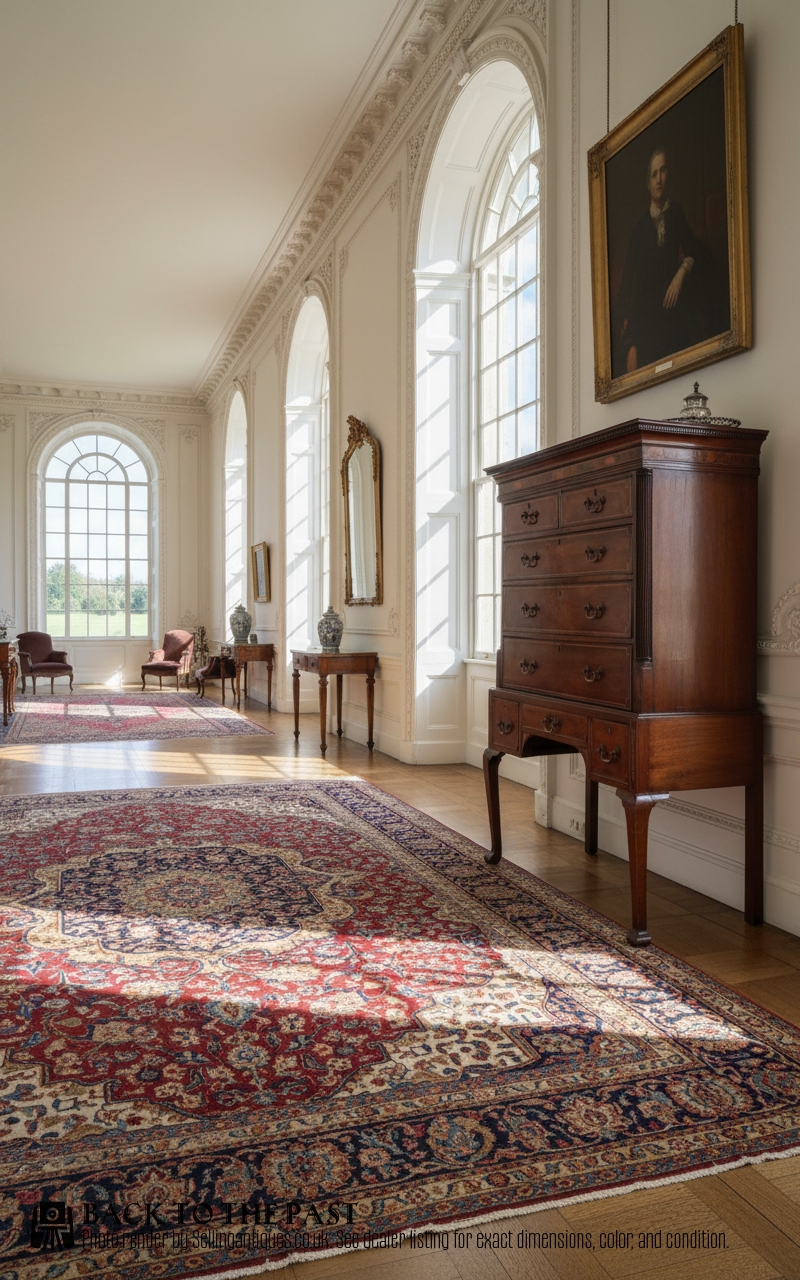
Vintage Chest on Legs
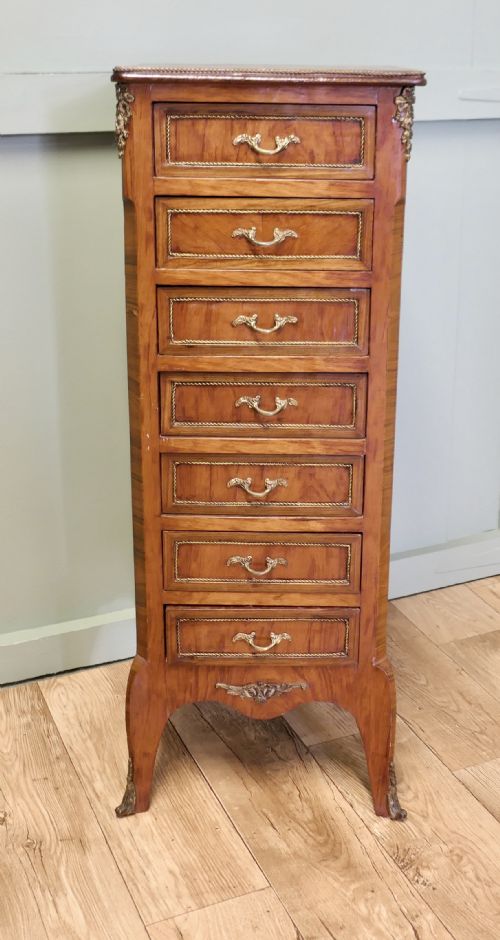
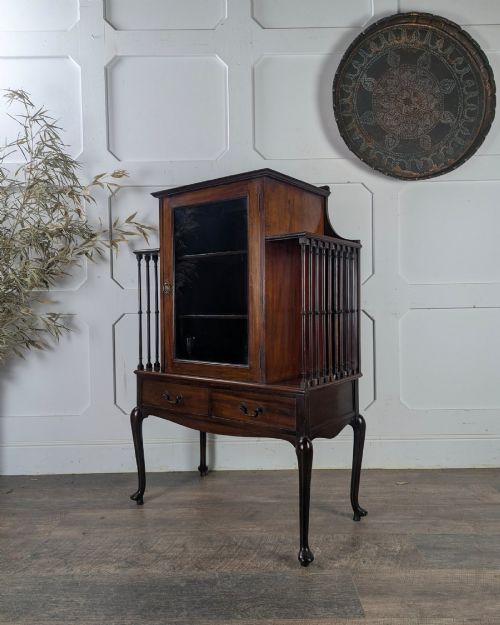
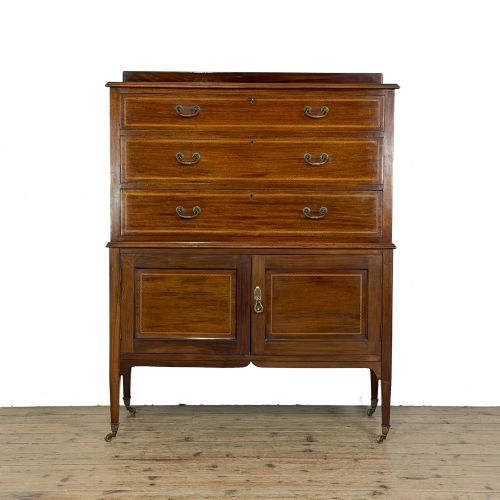
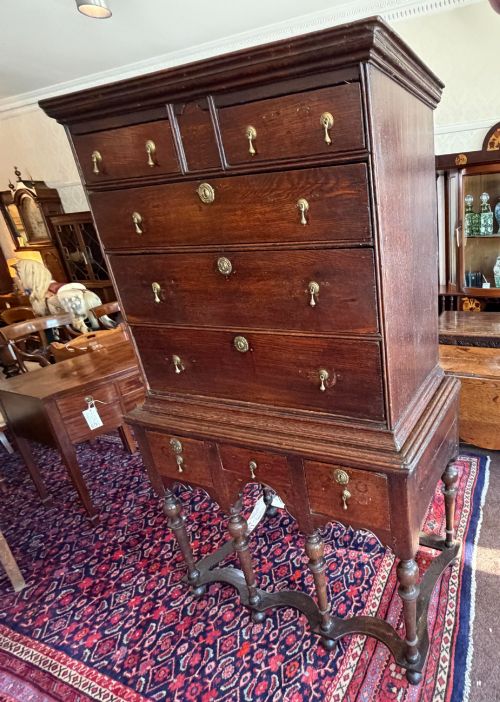
A vintage chest on legs search uncovers elevated storage forms, ranging from early eighteenth-century pieces to twentieth-century revivals.
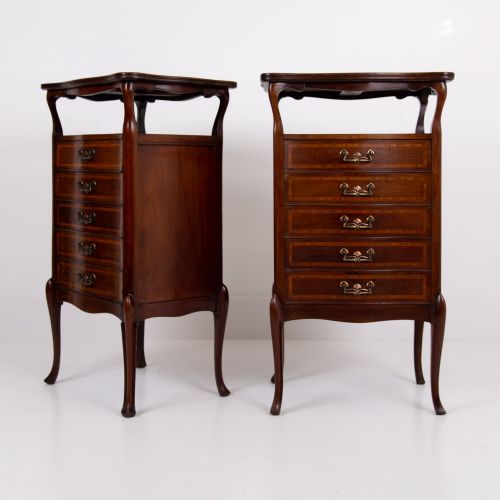
The selections span distinct configurations, including tallboys, bedside cabinets, commodes, and compact side tables equipped with drawers.
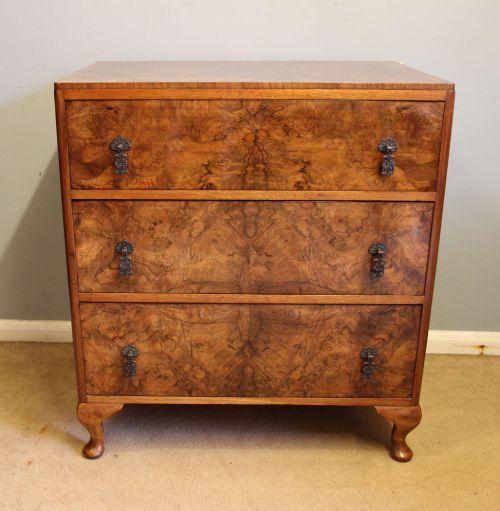
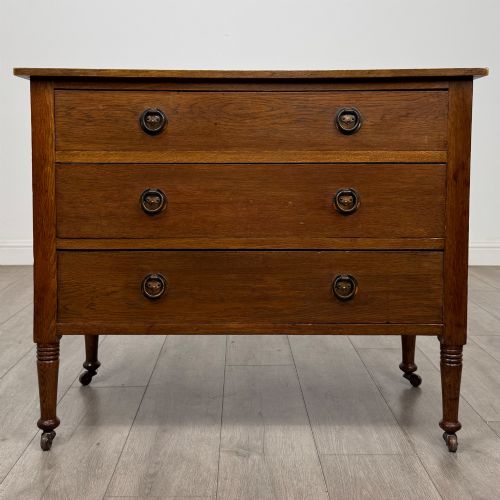
Edwardian oak and mahogany designs appear alongside walnut pieces built in revival styles, reflecting diverse domestic origins.
Materials and Construction
Cabinetmakers utilised primary timbers such as mahogany, oak, and walnut, frequently selecting burr veneers for decorative grain patterns on drawer fronts.
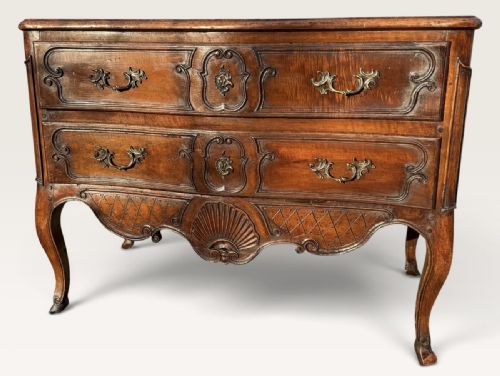
Surface detailing incorporated marquetry inlay work, alongside applied brass handles and occasional marble tops on French provincial forms.
Listings feature walnut, mahogany, oak, and marble among the primary materials utilised across multiple centuries.
Distinctions in Quality
The standard of a piece depends upon the selection of timber figures and the precision of the joinery within the drawer construction.
Proportion and the balance between the upper chest and its supporting legs dictate the visual harmony of the design.
Druce & Co
The Vintage Chest on Legs Glossary
- Tallboy
- A tall chest of drawers, often constructed in two sections with the upper portion resting upon a lower stand or base.
- Commode
- A low French chest of drawers, frequently featuring a marble top and serpentine or bow front shaping.
- Marquetry
- Decorative veneer work arranged in intricate patterns using various woods to create pictorial or geometric designs.
- Lowboy
- A small dressing table or side table with drawers, raised on relatively tall legs.
- Serpentine front
- A furniture front curving outward at the centre and inward at the sides in an undulating wave.
Vintage Chest on Legs: Frequently Asked Questions
What rooms suit a chest on legs?
These elevated pieces fit comfortably in bedrooms as bedside storage or in smaller hallways where floor space remains limited.
Their raised profile creates an impression of lightness, allowing air and light to circulate underneath within compact interiors.
How do tallboys differ from standard chests?
Tallboys provide increased vertical storage capacity while occupying a smaller footprint on the floor than traditional wide drawer units.
Many examples separate into two distinct sections, making them easier to transport and position within domestic spaces.
What timber finishes are most common?
Mahogany and walnut dominate the surviving pieces, with figured burr varieties appearing frequently on revival furniture from the early twentieth century.
Solid oak and French fruitwoods also occur, particularly in pieces influenced by provincial continental design traditions.
How can I identify revival styles?
Revival pieces borrow characteristic shapes from earlier periods, such as the cabriole legs and pad feet associated with Queen Anne designs.
Examining the construction methods inside the drawers helps distinguish twentieth-century interpretations from older originals.