

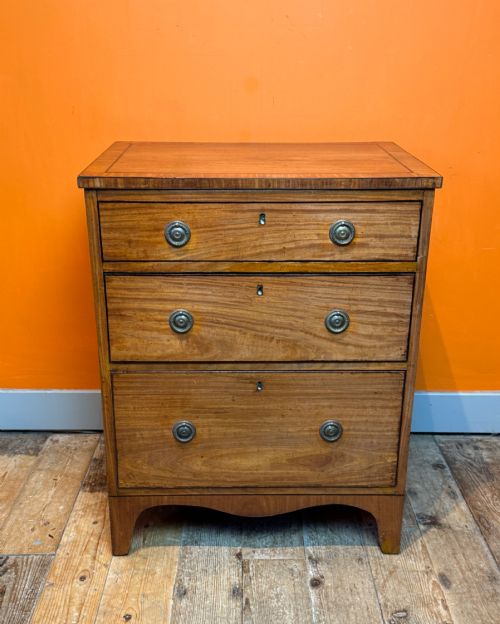
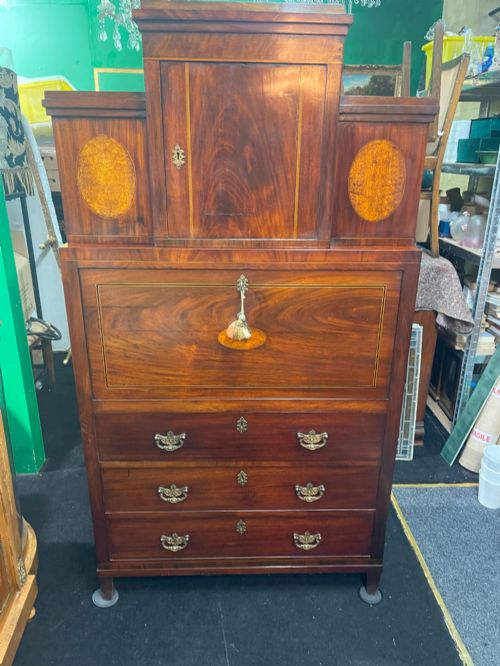
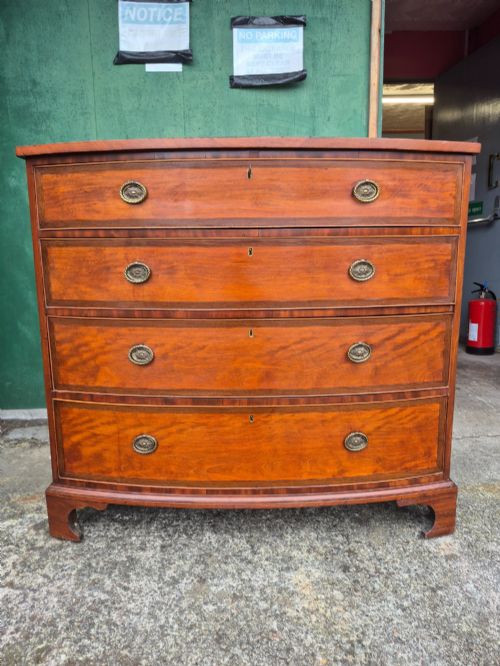
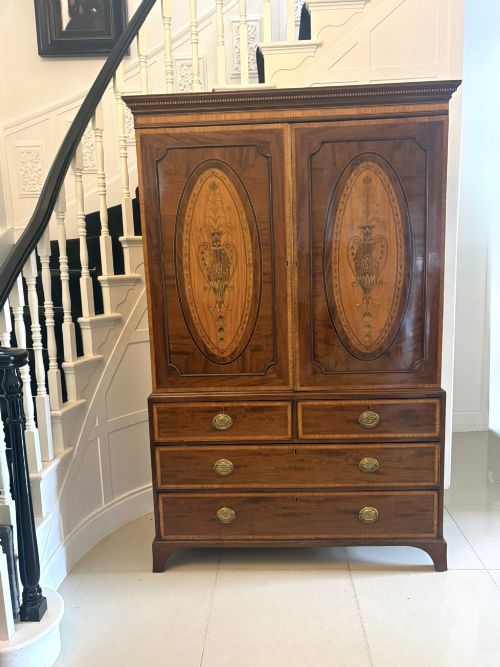





Satinwood Inlaid Tallboy
A satinwood inlaid tallboy brings together pale exotic timber and taller storage, offering both refined detail and practical vertical capacity for a bedroom.
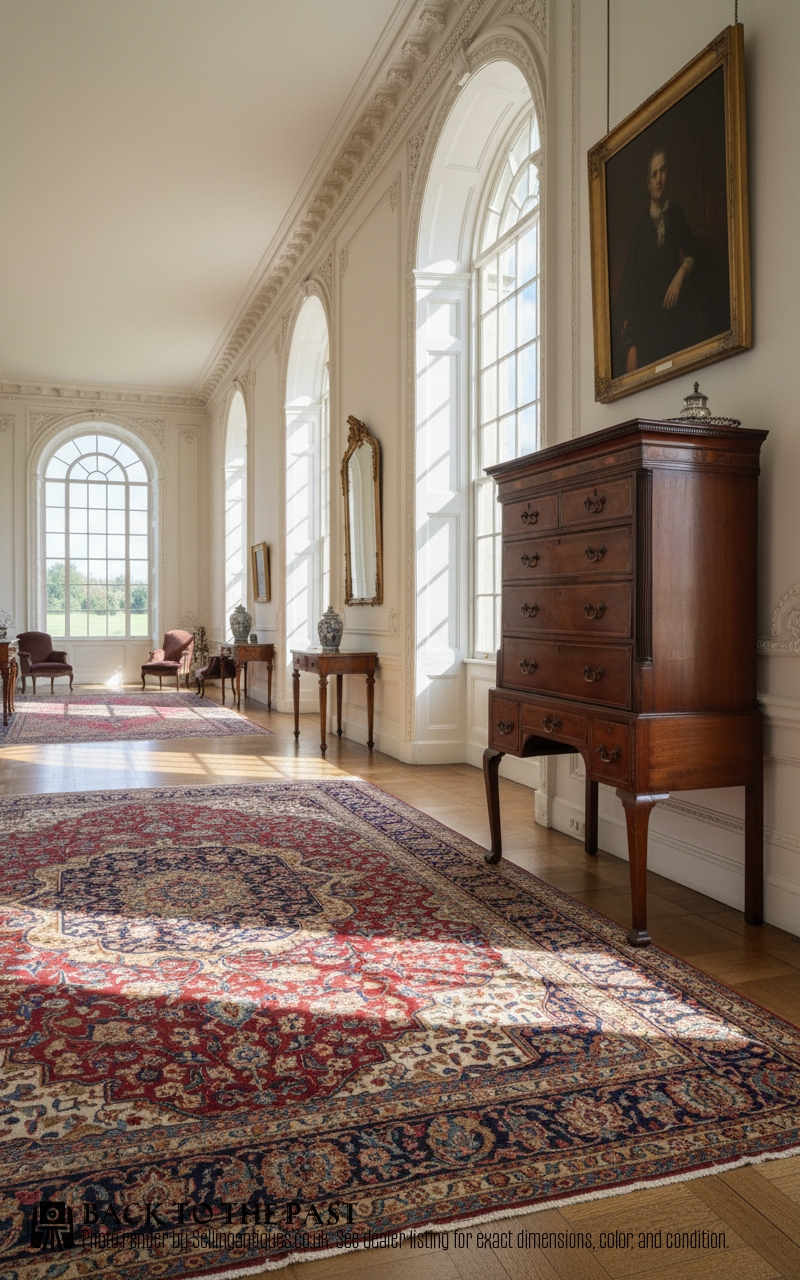
Satinwood Inlaid Tallboy
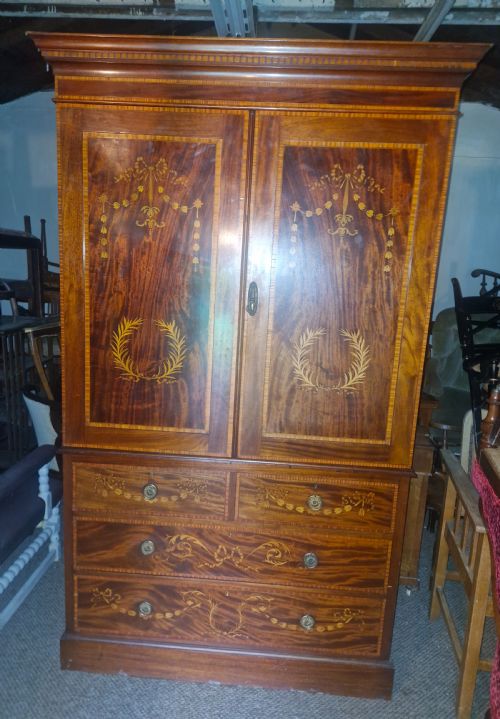
A satinwood inlaid tallboy typically manifests as a tall chest of drawers or a linen press dating from the Georgian, Victorian, or Edwardian periods. These pieces combine vertical storage capacity with decorative timber work, often presenting mahogany carcases highlighted by lighter contrasting banding.
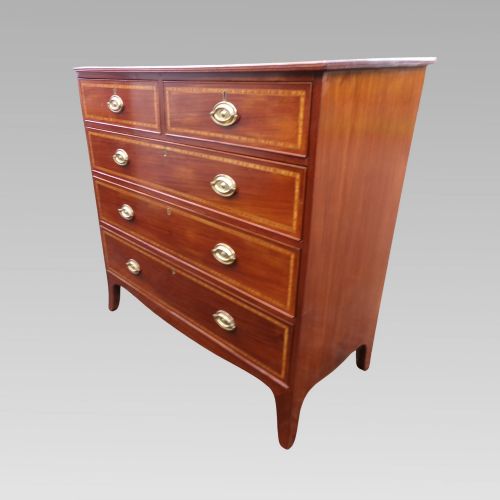
The versions most frequently met on this page span the Edwardian era and the Sheraton Revival style, frequently incorporating bowfront profiles or delicate line inlay. Makers of these periods drew inspiration from earlier eighteenth-century designs, resulting in slender proportions suited to domestic settings.
Buyers will also encounter related tall forms such as pillar chests and chests on stand alongside traditional linen presses. Each variation maintains the characteristic emphasis on heightened storage while displaying the distinct decorative vocabulary of its period of manufacture.
Materials and construction methods
Construction relies upon solid timber carcases of mahogany, pine, or satin birch, faced or banded with figured satinwood veneers. Artisans employed contrasting woods such as ebony and rosewood for fine stringing lines and geometric inlay work.
Drawer linings typically utilise secondary timbers like pine or mahogany, assembled with traditional dovetailed joints. Exterior surfaces receive a hand-polished finish that accentuates the natural chatoyancy of the satinwood and the depth of the primary timber.
Satinwood Inlaid Tallboy Retail Price Guide 2026
Typical asking prices for satinwood inlaid tallboy among the pieces listed under this phrase on Sellingantiques today, from the lower quarter to the upper quarter. They describe what is for sale here now, not the wider market.
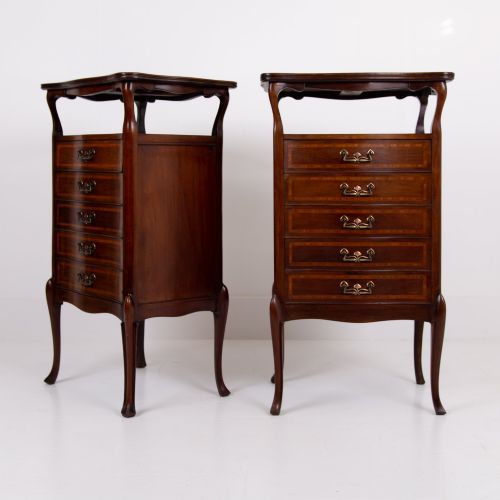
Music chests appear alongside traditional wardrobes, proving Victorians liked their sheet music stored with equal dignity.
Assessing quality and execution
Quality reveals itself in the precision of the cabinetmaking and the crispness of the inlay work. Finer examples display continuous, unbroken grain across drawer fronts and meticulously fitted stringing without gaps or filler.
The choice of secondary woods and the weight of the brass hardware further distinguish masterwork pieces from standard production. Superior items maintain structural integrity in their drawer runners and carcase joints after a century or more of daily use.
Druce & Co.·Maple & Co
The Satinwood Inlaid Tallboy Glossary
- Satinwood
- A lustrous, hard timber native to Ceylon and the West Indies, prized for its golden yellow colour and reflective grain. It was heavily utilised during the eighteenth and nineteenth centuries for veneering and stringing.
- Tallboy
- A traditional term for a tall chest of drawers, often constructed in two sections with a lower chest supporting an upper section. The form maximises storage floor space by building upwards.
- Crossbanding
- A decorative border of veneer laid around the edges of a drawer front or tabletop so that the grain runs at right angles to the central panel. This technique frames the primary timber.
- Stringing
- Narrow strips of contrasting wood inlaid into channels cut into the surface of furniture. It creates delicate geometric lines that outline drawers and tabletops.
- Sheraton Revival
- A late nineteenth and early twentieth century design movement that reinterpreted the lighter, neoclassical styles of George Sheraton. Pieces from this revival often feature satinwood inlay and classical motifs.
Satinwood Inlaid Tallboy: Frequently Asked Questions
What is a satinwood inlaid tallboy?
A satinwood inlaid tallboy is a high storage chest of drawers or linen press decorated with contrasting light satinwood veneers and fine stringing. These pieces use vertical space efficiently while providing decorative surface detail.
They originate primarily from Georgian, Victorian, and Edwardian workshops, reflecting shifting tastes in domestic cabinetmaking over two centuries.
How do I date an Edwardian tallboy?
Dating an Edwardian piece involves examining the secondary timbers, the style of the brass handles, and the construction methods used inside the drawers. Edwardian examples often channel Sheraton Revival aesthetics with machine-assisted precision.
Labels or stamps from retailers found inside drawer boxes can also confirm the manufacturing period.
Where should I place a tallboy?
A tallboy suits bedrooms, dressing rooms, or large hallways where vertical storage is required without sacrificing floor space. Its narrow footprint makes it ideal for corners or wall spaces between windows.
Keep the piece away from direct heat sources and strong sunlight to protect the sensitive satinwood veneers from fading.
How do I maintain satinwood furniture?
Maintenance requires occasional dusting with a soft, dry cloth and the application of a quality beeswax to nourish the timber. Avoid silicone-based polishes which can damage the historic finish.
Maintaining stable room humidity prevents the solid carcases and delicate veneers from drying out or warping.