
Vintage Ceramic Table Lamp
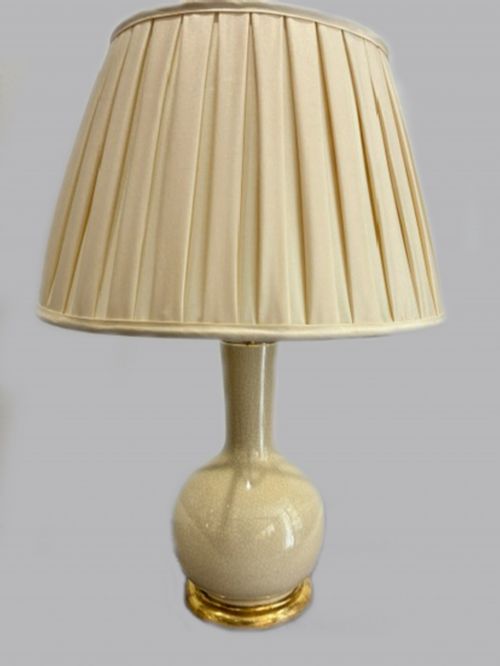
A vintage ceramic table lamp brings rich colour and tactile weight to a room, drawing the eye with hand-painted glazes and converted vessels.
Vintage Ceramic Table Lamp
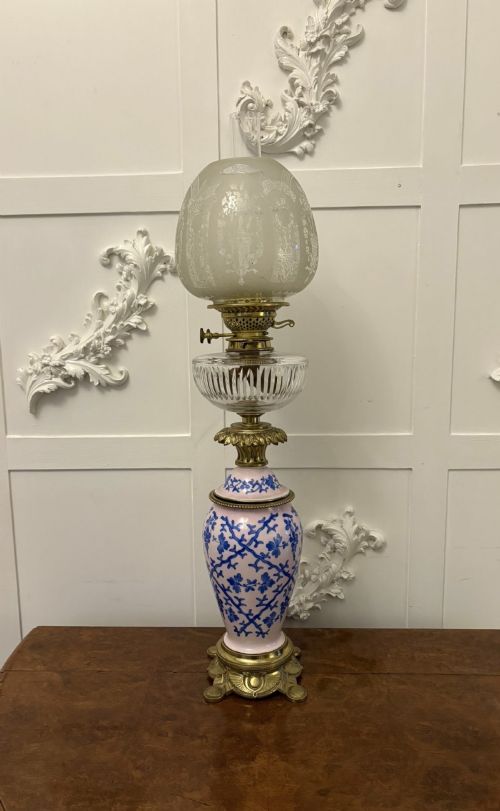
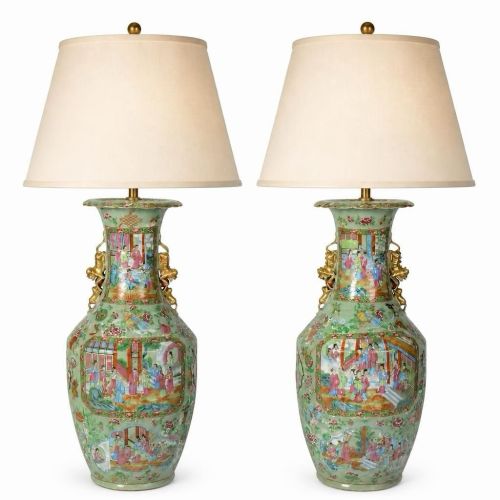
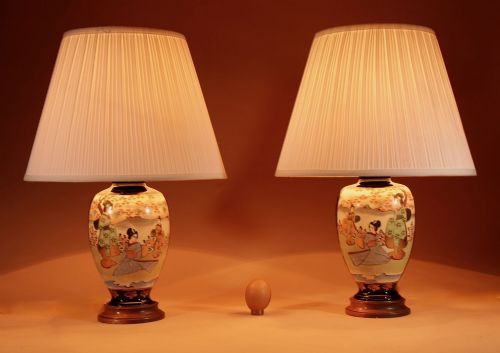
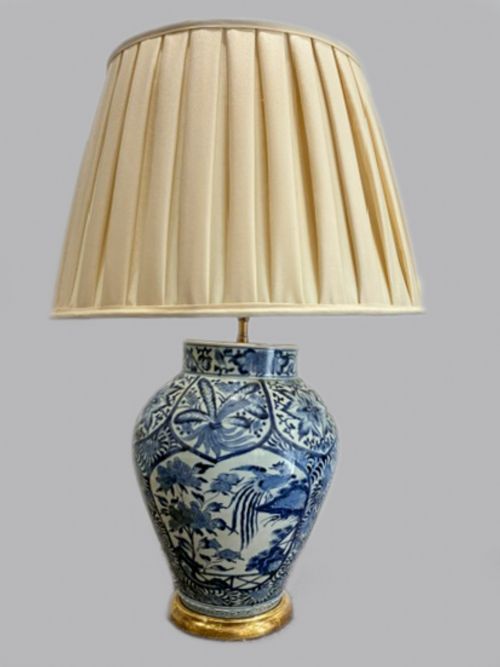
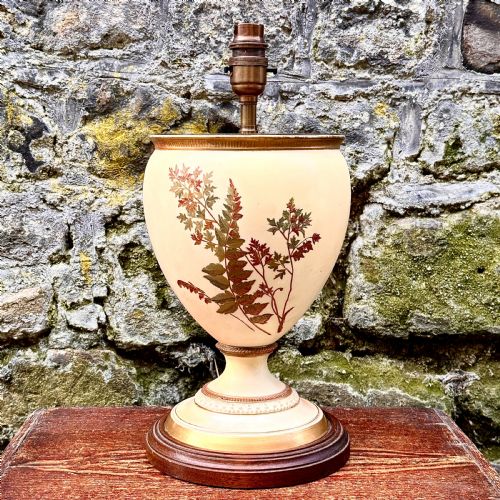
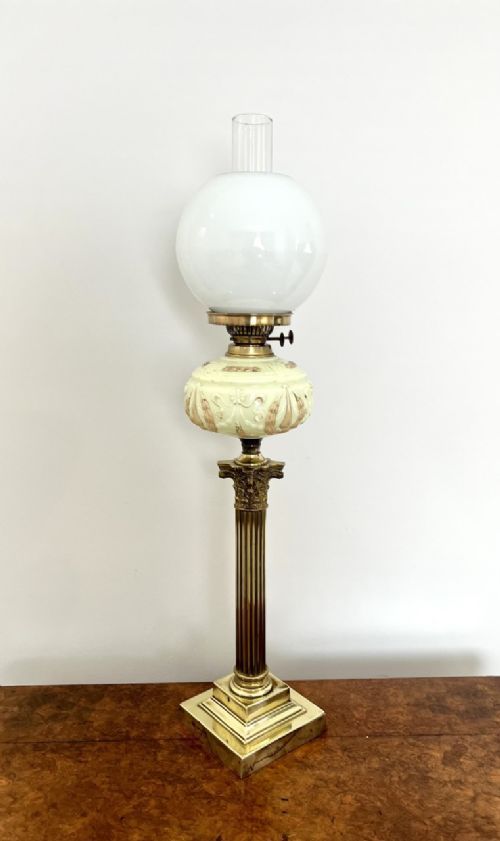
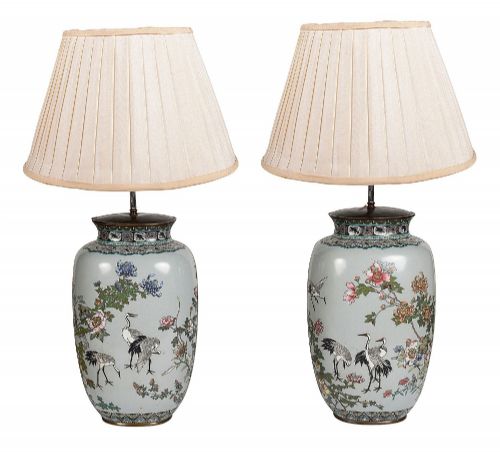
When searching for a vintage ceramic table lamp, collectors encounter a diverse range of objects primarily formed from converted nineteenth and early twentieth-century vases, oil lamps, and earthenware jars. The selection frequently includes Victorian porcelain bases, Japanese Satsuma and Chinese blue and white porcelain, alongside European earthenware transformed for electrical lighting.
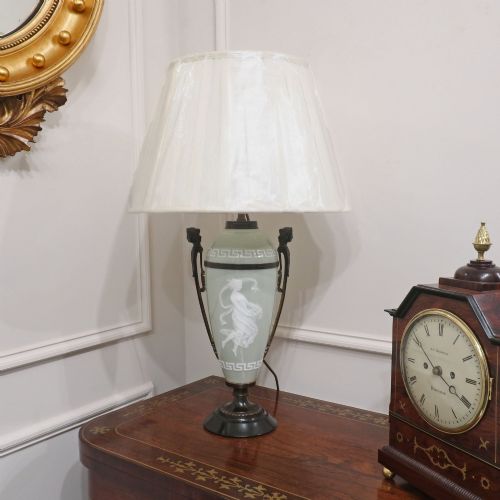
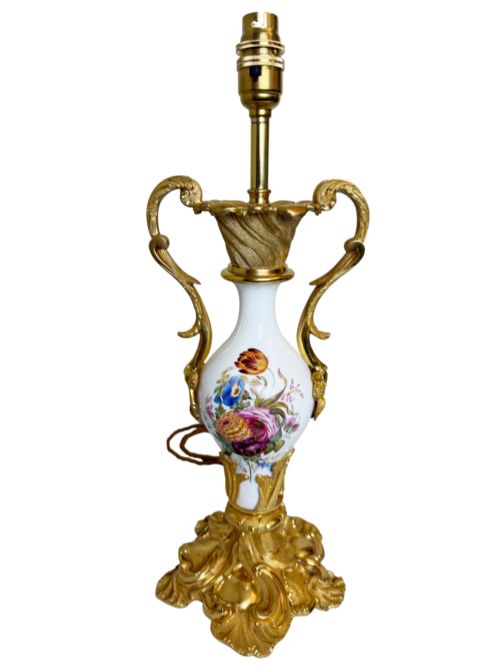
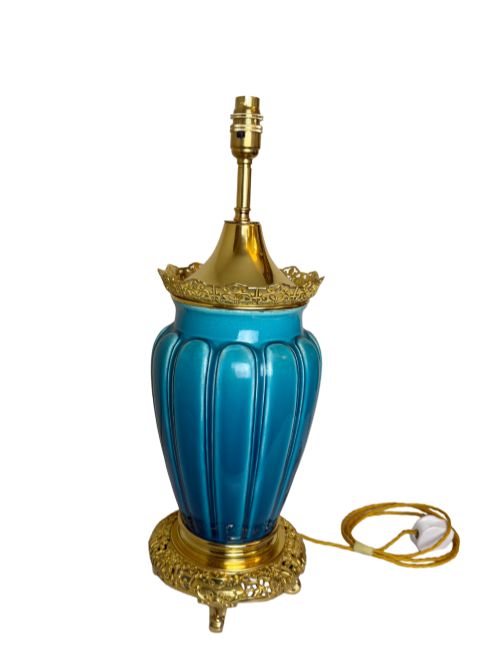
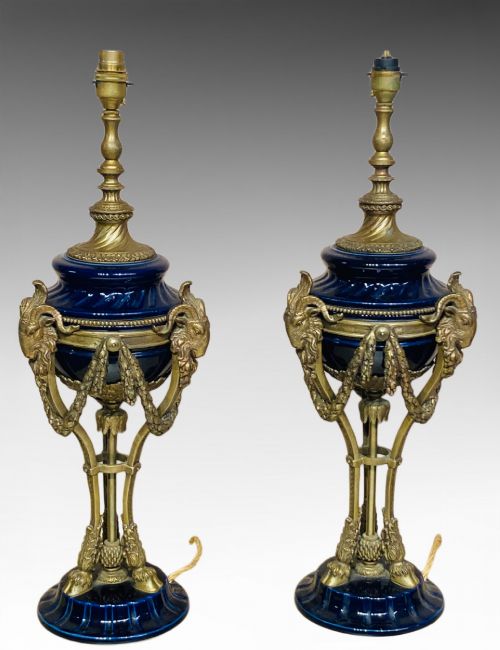
Many examples originate from the Victorian and Edwardian eras, spanning styles from Chinoiserie and Art Nouveau to Art Deco and Rococo Revival. These pieces often incorporate metal mounts, such as brass, gilt bronze, and ormolu, which frame the ceramic bodies and elevate their presence on a side table.
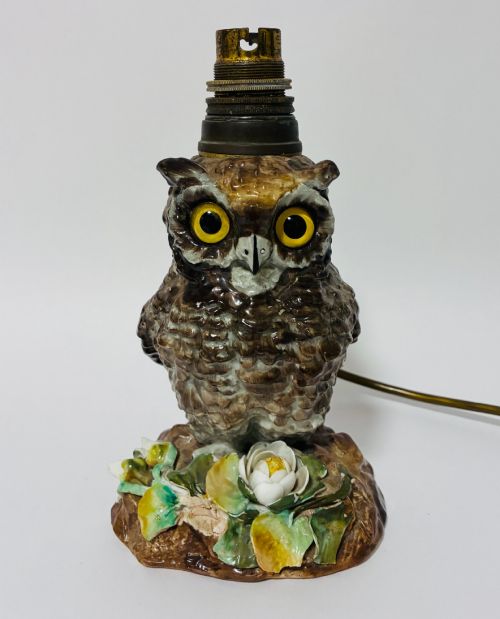
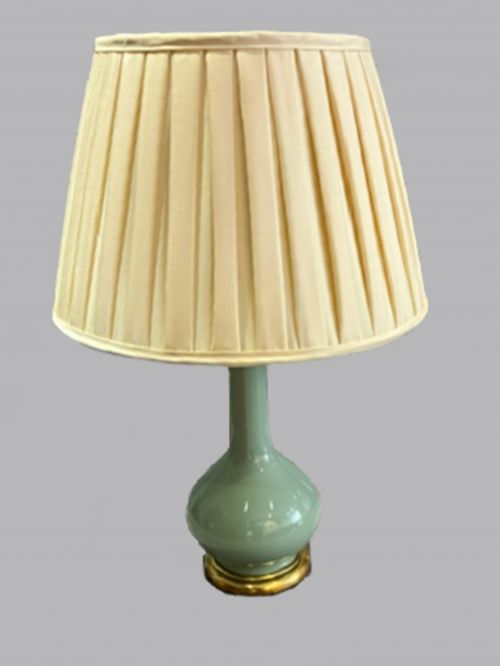
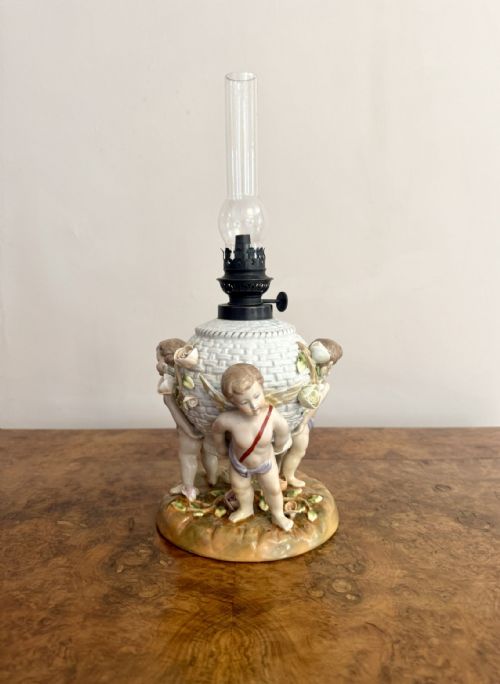
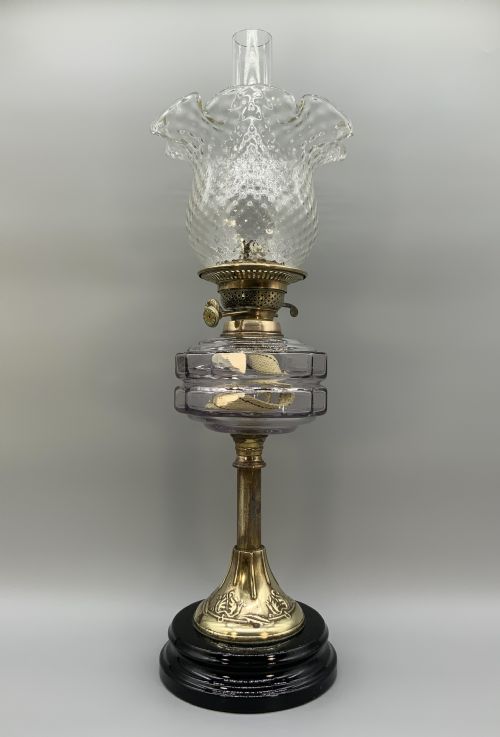
Buyers will find individual lamps as well as balanced pairs, making them adaptable for flanking a sideboard or illuminating a darker corner. The forms range from petite figural designs and animal lamps, such as porcelain dogs, to tall, impressive baluster jars and oil lamps with glass or ceramic reservoirs.
How they were made
The construction of a vintage ceramic table lamp relies on the union of fired clay bodies and supportive metalwork, utilising porcelain, earthenware, and ironstone combined with brass, gilt bronze, and ormolu mounts. Ceramic artists shaped these vessels on the wheel or in moulds before applying intricate hand-painted glazes, including blue and white pigments, polychrome enamel, pate sur pate, and crackle finishes.
Many of these lamps began their lives as utilitarian oil lamps or decorative vases, later adapted for electricity by fitting brass burners, weighted bases, or threaded rods through the centre. Metal components such as brass collars and ormolu feet were cast and chased to secure the fragile ceramic bodies safely and provide structural stability.
Listings feature ceramics spanning the eighteenth, nineteenth, and twentieth centuries, incorporating Victorian, Art Deco, and Chinoiserie styles.
What varies in quality
The quality of a vintage ceramic table lamp rests largely upon the fineness of the ceramic painting, the crispness of the mould or throwing, and the integrity of the metal mounts. Superior examples exhibit delicate, highly detailed hand-painting and substantial cast ormolu or brass trim rather than mass-produced transfers or flimsy hardware.
Another distinction lies in the provenance and originality of the conversion, where professional adaptation preserves the original vessel without compromising its structural balance or proportion. Pieces originating from notable potteries or featuring harmonious, well-matched pairs command greater appreciation from collectors seeking authenticity and decorative harmony.
Royal Worcester·Sitzendorf·Moorcroft·Hicks and Meigh
The Vintage Ceramic Table Lamp Glossary
- Pate Sur Pate
- A method of porcelain decoration where wet white slip is built up in successive layers on a coloured background to create a low relief cameo effect. This technique demands exceptional skill from the ceramic artist.
- Ormolu
- Gilded bronze mounts used to decorate and support furniture and porcelain bases. The finish provides a rich golden contrast to blue and white glazes or plain ceramic bodies.
- Satsuma
- Earthenware originating from the Satsuma province in Japan, typically characterised by a ivory craquelure glaze decorated with rich polychrome enamel and gilt. These wares were extensively adapted into lighting during the nineteenth and twentieth centuries.
- Blanc De Chine
- A white porcelain made in Dehua, China, featuring a smooth, milky glaze that pools gently in the recesses. These pieces often take the form of figures, lions, or ritual vessels converted for modern use.
Vintage Ceramic Table Lamp: Frequently Asked Questions
Are these lamps safely converted for modern use?
Most vintage ceramic table lamps have been adapted from older oil lamps, vases, or vessels over the decades to accommodate standard electrical fittings. Rewiring is frequently updated to meet contemporary safety standards while preserving the historic body of the lamp.
Buyers should inspect the wiring and consult a qualified electrician if they intend to use antique fixtures with modern household circuits on a daily basis.
How do I style a pair of lamps?
Matching pairs of ceramic lamps work exceptionally well when placed symmetrically on side tables, a large sideboard, or opposite ends of a mantelpiece. Their balanced presence anchors a room and creates a formal focal point.
For a less rigid arrangement, use paired lamps of similar height but differing motifs on matching console tables to add depth and collected character to an interior scheme.
How can I tell the period of the ceramic body?
Dating a ceramic base involves examining the paste, the glaze characteristics, the style of decoration, and any maker's marks stamped or painted on the underside. Nineteenth-century pieces often display hand-applied enamels and heavier brass or bronze mounts characteristic of the Victorian era.
Comparing the potting technique and stylistic motifs with documented examples from potteries helps narrow down the decade of manufacture.
What is the difference between porcelain and earthenware lamps?
Porcelain is a vitrified ceramic material made from kaolin, fired at high temperatures to produce a dense, non-porous body that often rings when struck and can be translucent. Earthenware is fired at lower temperatures, resulting in a more porous, heavier body that requires an opaque glaze for waterproofing.
Both materials were utilised extensively across different periods, with porcelain generally associated with finer decorative detail and earthenware favoured for robust folk pottery and heavy oil lamp bases.