


Vintage Ceramic Head
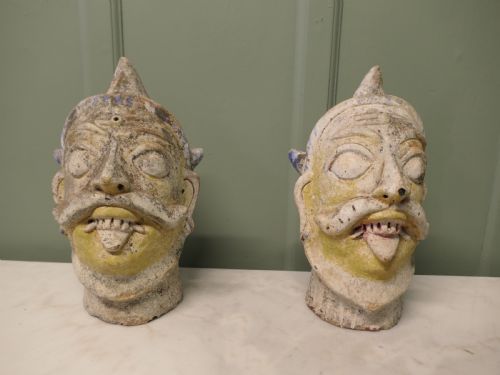
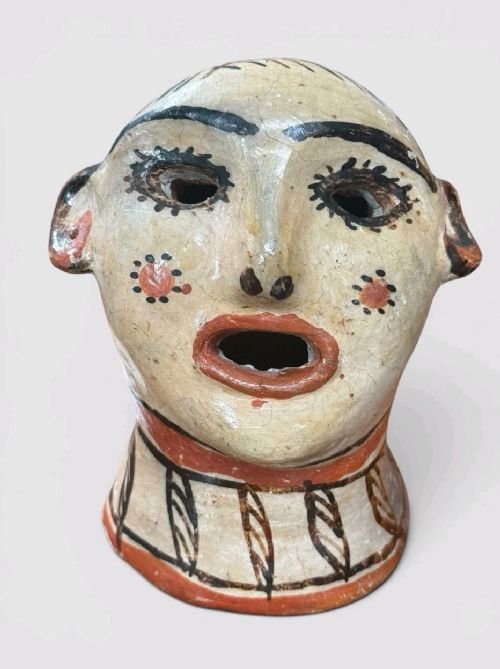
A vintage ceramic head brings immediate character to a room, ranging from Art Deco wall masques to classical terracotta busts.
Vintage Ceramic Head
A vintage ceramic head spans diverse forms including wall masques, busts, lamps, and figural vessels created across the nineteenth and twentieth centuries. Buyers search for these pieces to introduce sculptural presence and historical charm into interior spaces.
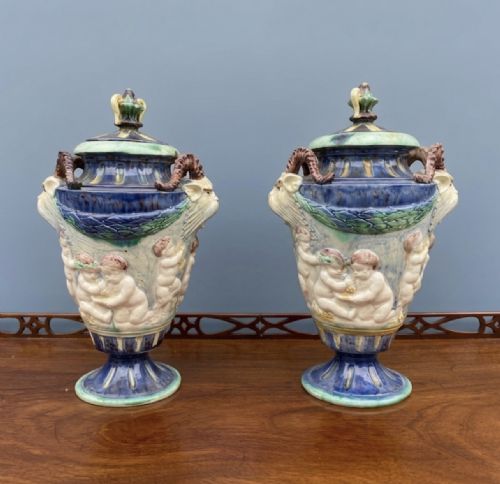
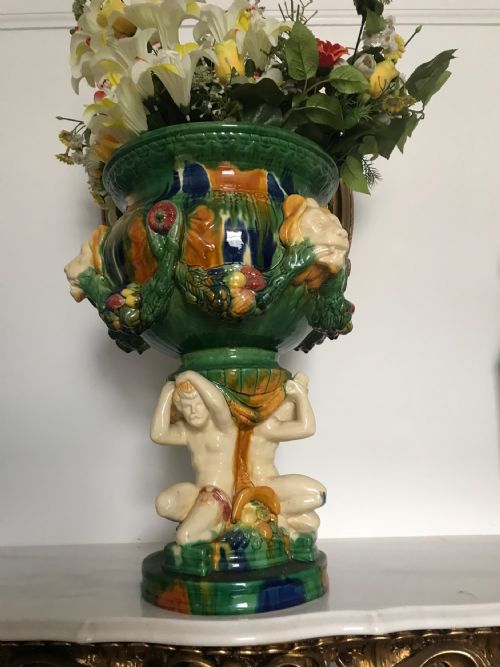
The selection here encompasses works from the 1880s through the mid-twentieth century, capturing distinct periods such as the Victorian era, Edwardian period, and Art Deco movement. Terracotta and earthenware pieces dominate the offerings alongside porcelain and majolica examples.
Makers and sculptors from Britain, France, Austria, and Italy shaped these ceramic and terracotta heads using regional stylistic traditions. Forms vary widely from classical female beauty studies to folk art figures and character jugs.
Materials and construction methods
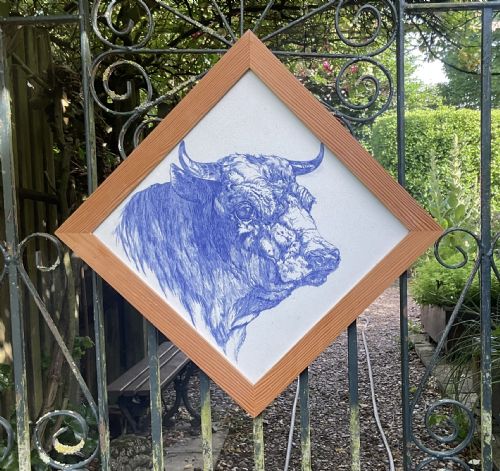
Potters and sculptors utilised terracotta, earthenware, and porcelain, shaping the clay by hand or casting it in moulds before firing. Many pieces received hand-painted details or rich glazes, including majolica and blue and white decoration.
Listings feature terracotta, earthenware, and porcelain across periods from the 1880s through the 1960s, encompassing styles from Victorian to Art Deco.
Evaluating the craftsmanship
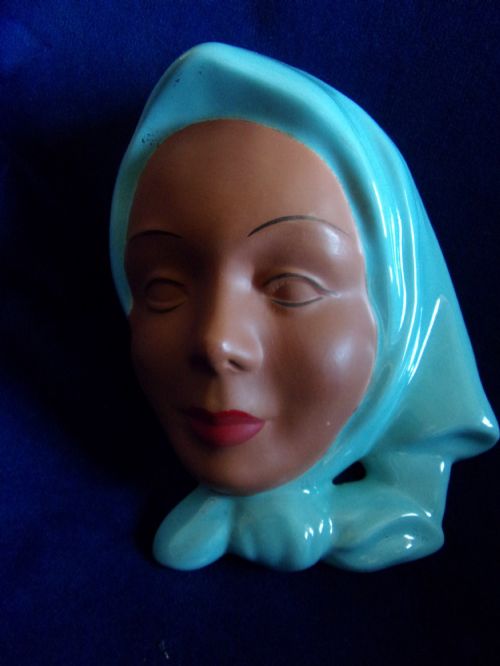
Quality rests in the sharpness of the modelling and the sensitivity of the facial expression, particularly in portrait busts and wall masques where fine detail defines the hand of the sculptor. Finer pieces exhibit precise anatomical rendering and careful smoothing of the clay before firing.
The application of glaze, paint, or bronzed finishes separates standard production wares from works bearing artist signatures or factory marks. Superior examples retain their original surface treatments, whether lustrous majolica enamel or subtle terracotta patination, without distracting restoration.
Mintons·Gmundner·Gilbert Privat·Caughley Coalport·Georges Morin·Bohumil Rezl·Fasold & Stuach·William Goebel
The Vintage Ceramic Head Glossary
- Terracotta
- A porous unglazed or glazed fired clay body reddish-brown in hue. Sculptors often utilised this material for portrait busts and architectural ornaments.
- Majolica
- A type of earthenware coated with an opaque tin-glaze and painted with metallic oxide colours. It produces vibrant, glossy surfaces found on nineteenth-century urns and planters.
- Wall masque
- A decorative ceramic sculpture depicting a human face intended for hanging on a wall. These pieces were particularly popular during the Art Deco period.
- Bust
- A sculpted representation of a person from the chest up. Terracotta and porcelain versions capture subjects ranging from classical figures to contemporary portraits.
- Earthenware
- Pottery fired at relatively low temperatures that remains porous unless glazed. It serves as the primary base for many traditional figures and majolica wares.
Vintage Ceramic Head: Frequently Asked Questions
What is a vintage ceramic head?
A vintage ceramic head is a sculptural object made from clay, terracotta, or porcelain depicting a human face or bust. These pieces were produced primarily as decorative art, wall ornaments, or functional items like perfume bottles and jugs.
They reflect the aesthetic movements of their respective decades, ranging from Victorian realism to stylized Art Deco designs.
How do I style a ceramic bust?
Ceramic and terracotta busts work well placed on mantelpieces, bookshelves, or dedicated pedestals where their three-dimensional form can be appreciated from multiple angles. Pairing them with complementary objects like planters or lamps adds depth to a room.
Ensure they sit on stable, level surfaces away from heavy foot traffic to protect fragile clay or porcelain edges.
Were these pieces used outdoors?
Most ceramic heads, wall masques, and portrait busts listed here were designed for interior display rather than garden use. Terracotta and earthenware can be sensitive to frost and moisture if left exposed to the elements.
Keeping them indoors preserves the delicate painted surfaces, glazes, and original patinas.