
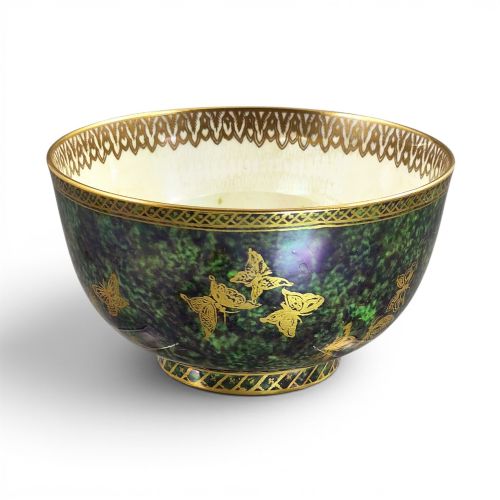


Vintage Ceramic Centerpiece
These vintage ceramic centrepiece selections bring substantial presence to a dining table or sideboard with their varied bowls, urns, and figural groups.
Vintage Ceramic Centerpiece
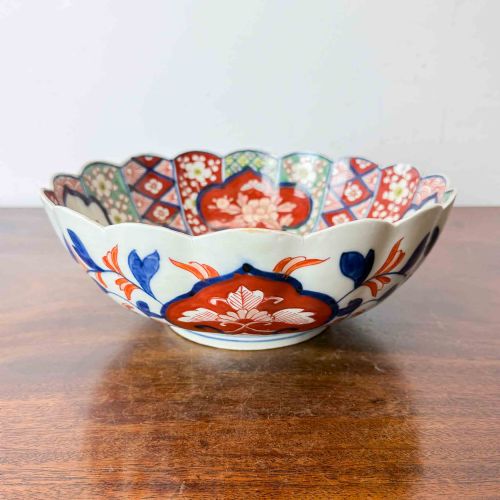
A vintage ceramic centrepiece brings together decorative bowls, punch bowls, fruit comports, and figural arrangements designed to anchor a formal table setting. When searching this phrase, expect to encounter large floral-encrusted baskets, scalloped Imari export porcelain, and lustrous earthenware vessels spanning multiple continents.
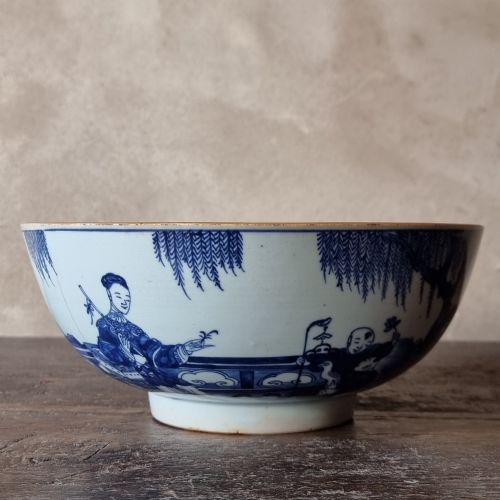
The objects on offer stretch from nineteenth-century Victorian blue and white fruit bowls to Edwardian porcelain groupings and Art Deco pottery. Many pieces serve a dual purpose as planters, jardinières, or decorative urns, utilising heavy ceramic bodies to command visual attention in a room.
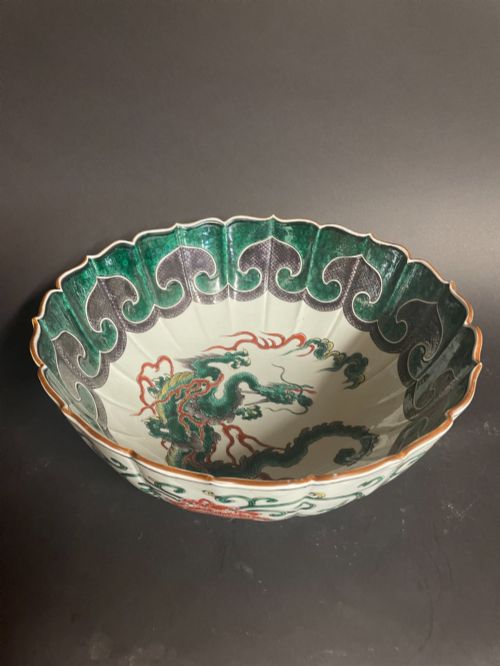
Origins vary widely across these listings, encompassing English ironstone, French majolica, German figural porcelain, and Japanese Satsuma wares. Buyers find that nineteenth-century and early twentieth-century examples dominate the selection, each carrying the distinct decorative vocabulary of its period of manufacture.
Materials and construction methods
Makers utilised porcelain, earthenware, and soft-paste ceramic bases, often building sculptural elements by hand before firing. Applied details such as individual rose petals, putti, and musical figures appear alongside wheel-thrown or moulded vessel bodies.
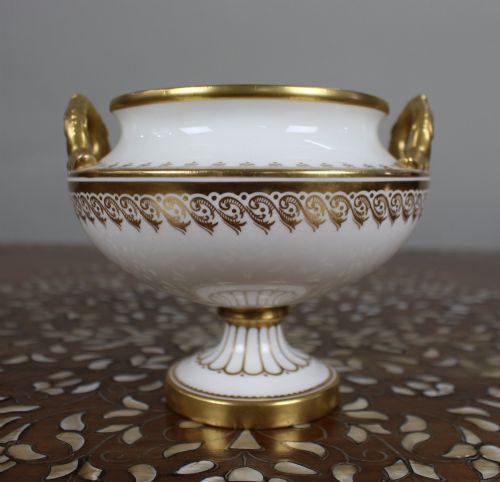
Surface decoration relies heavily on hand-painted cobalt blue motifs, polychrome enamels, and selective gilding or gold leaf. Lustre glazes, transfer printing, and tin-glazed faience complete the decorative finishes seen across these examples.
The listings feature Victorian, Edwardian, and Art Deco periods, employing porcelain, earthenware, and copper materials across bowls, urns, and comports.
Assessing quality in ceramic vessels
Quality rests upon the crispness of moulded detail and the precision of hand-painted brushwork. Superior items display finely modelled figural elements, cleanly pierced galleries, and tightly controlled glaze applications without pooling or running.
The complexity of the form dictates much of the distinction at this level. Elaborate openwork baskets, multiple-figural groups, and multi-fired lustre glazes require a higher degree of technical mastery from the potter than standard domestic tableware.
Wedgwood·Coalport·Royal Dux·Rockingham·Royal Worcester·Mason·Kinkozan·Meissen·Gien
The Vintage Ceramic Centerpiece Glossary
- Imari
- A style of Japanese export porcelain decorated in underglaze blue, iron red, and gold. These pieces often feature dense floral and geometric panels.
- Comport
- A shallow decorative bowl elevated on a pedestal, traditionally used for serving fruit or sweetmeats at dessert.
- Faience
- European tin-glazed earthenware, particularly associated with French and Italian regional potteries. The opaque glaze provides a smooth white ground for hand-painted decoration.
- Lustre
- A type of ceramic glaze containing metallic oxides that produce an iridescent, shimmering surface sheen when fired in a reduced oxygen atmosphere.
- Putto
- A chubby male infant figure, often winged, derived from classical art and frequently modelled climbing over nineteenth-century centrepieces.
Vintage Ceramic Centerpiece: Frequently Asked Questions
How were centrepieces used?
These large vessels sat in the middle of formal dining tables to hold fruit, flowers, or sweetmeats during multi-course meals. They functioned primarily as decorative focal points that demonstrated the host's taste and wealth.
Over time, many transitioned to sideboards, pedestals, or mantelpieces as dining customs evolved. Today they remain versatile display pieces for dried florals or standalone decorative impact.
How do I date a ceramic centrepiece?
Dating relies on combining stylistic clues, potting techniques, and maker marks stamped or painted on the base. Victorian and Edwardian pieces often incorporate revivalist motifs like Rococo scrolls or Neoclassical figures alongside specific registry marks.
Later twentieth-century examples adopt simplified forms and distinct glaze chemistries, such as the characteristic orange and green lustre finishes of the 1920s. Comparing the weight of the clay body and the saturation of the pigments provides further temporal context.
Can I use these bowls for food?
Most antique ceramic vessels are best reserved for display rather than active dining use. Historic glazes and ironstone bodies can be porous, and older enamels may contain trace elements unsuitable for modern food consumption.
Displaying them empty or filled with dry decorative items preserves the fragile painted surfaces and gilding from unnecessary wear.
What is the difference between earthenware and porcelain?
Earthenware is a porous, opaque ceramic fired at lower temperatures, requiring a glaze to become waterproof. Ironstone and majolica fall into this broader category, offering heavy, sturdy bodies.
Porcelain is vitreous, dense, and fired at much higher temperatures until the clay body vitrifies. Fine porcelain often exhibits translucency when held to the light, unlike heavier earthenware centrepieces.