






Staffordshire Ironstone China
Staffordshire ironstone china pieces are robust, richly patterned ceramics that bring 19th-century utility and visual punch to a table or dresser.
Staffordshire Ironstone China
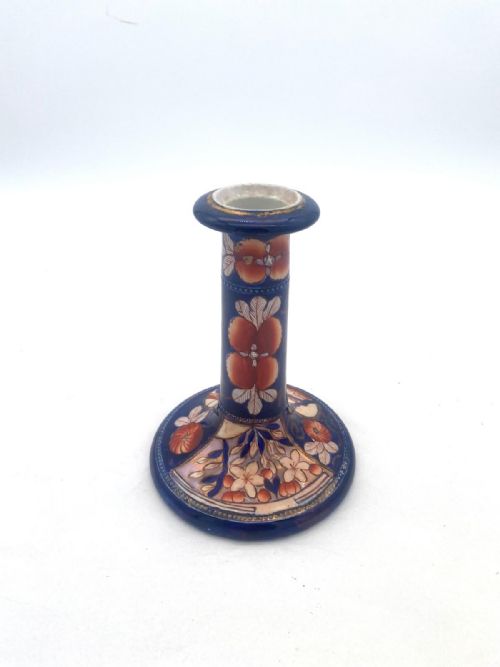
Staffordshire ironstone china encompasses a sturdy group of 19th-century ceramics designed for both utilitarian service and display. These items include large meat platters, soup bowls, jugs, mugs, candlesticks, and decorative bowls that span Georgian, Regency, and Victorian periods.
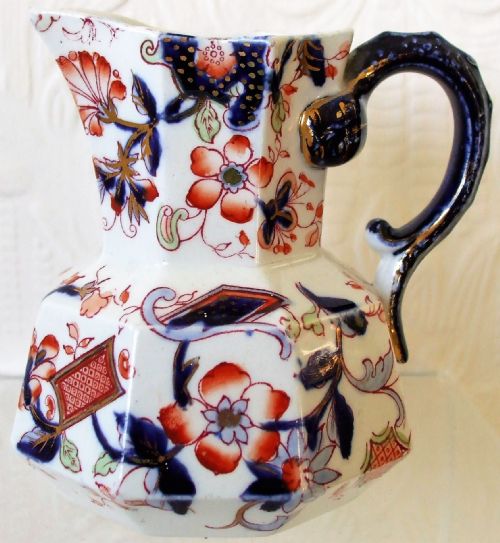
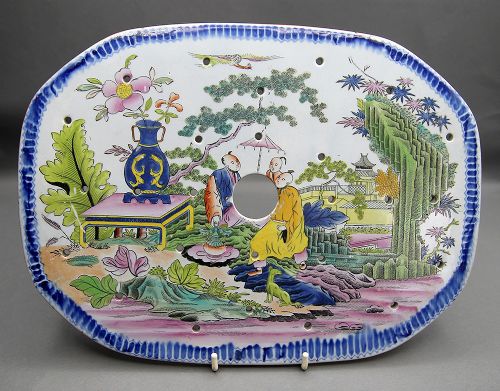
Buyers encountering this page will frequently meet pieces decorated in distinct styles such as Chinoiserie, Victorian Imari, and elaborate scenic transfers like the Mogul, Indian Grasshopper, and Italianate Landscape patterns. Forms range from domestic table vessels to specialised items like platter drainers and vases.
How they were made
Makers utilised durable ironstone ceramic and porcelain bodies, applying transparent glaze to seal the dense paste before firing. This combination yielded heavy-duty vessels capable of withstanding daily nineteenth-century kitchen and dining use.
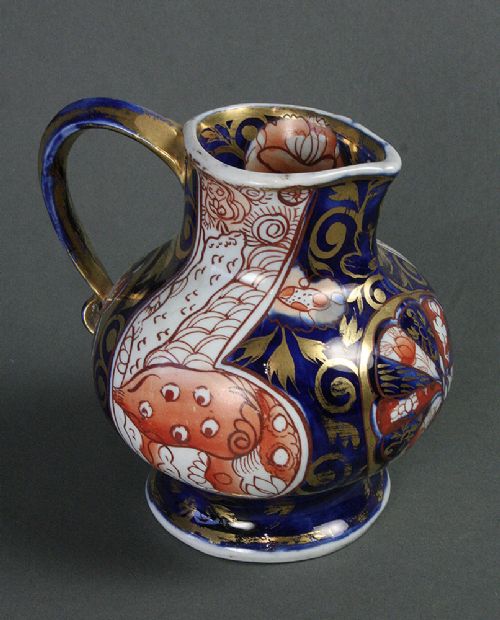
Decoration relied on hand-applied enamel colours, transfer printing for intricate landscapes, and touches of gold leaf or gilding to highlight moulded details like those on jugs and candlesticks.
Staffordshire Ironstone China Retail Price Guide 2026
Typical asking prices for staffordshire ironstone china among the pieces listed under this phrase on Sellingantiques today, from the lower quarter to the upper quarter. They describe what is for sale here now, not the wider market.
Dining cattle and exotic birds populate nineteenth-century ironstone plates through patterns named Elephant Foot, Indian Grasshopper, and Mogul.
What varies in quality
Quality rests in the crispness of the transfer printing and the precision of the hand-painted enamel work across each form. Pieces featuring supplementary gilding or complex patterns like Schoolhouse and Elephant Foot display greater decorative ambition than plain utility wares.
The sophistication of the moulding also separates standard kitchen vessels from ambitious display pieces such as vases and large meat platters with integrated drainers. Preservation of the original glaze and bright enamel pigments maintains the visual impact of the ceramic.
Masons Ironstone·Keeling and Co
The Staffordshire Ironstone China Glossary
- Ironstone
- A heavy, durable type of ceramic patented in the nineteenth century to rival true porcelain. It fired at high temperatures to create a robust body resistant to chipping.
- Transfer printing
- A technique for applying complex decorative patterns to ceramics using an engraved copper plate and tissue paper. It allowed factories to produce intricate scenes like Italianate landscapes consistently.
- Enamel
- Vitreous coloured paints applied over the glaze on ceramics and subsequently fixed with a low-temperature firing. This added vivid hues to transfer-printed or plain ironstone bodies.
- Platter drainer
- A curved ceramic insert placed inside a large meat dish to separate juices from the joint of meat. These pieces fit specific serving platters from the nineteenth century.
- Gilding
- The application of gold leaf or gold paint to highlight moulded handles, rims, and decorative motifs. It signified a more expensive finish on domestic tablewares.
Staffordshire Ironstone China: Frequently Asked Questions
What is Staffordshire ironstone china?
Staffordshire ironstone china is a heavy, durable nineteenth-century ceramic developed to provide a strong alternative to porcelain. It includes a variety of domestic and decorative objects intended for heavy use.
These pieces often feature bold transfer-printed patterns or hand-painted enamel details reflecting Georgian, Regency, and Victorian tastes.
How were meat platters used?
Large meat platters served as the central vessels for presenting joints of meat at nineteenth-century dining tables. Some included specialised ceramic drainers to keep the meat elevated above accumulated juices.
Their robust ironstone bodies ensured they could handle heavy food items and frequent washing in large households.
How do I identify a 19th-century piece?
Nineteenth-century pieces typically exhibit the dense, heavy body characteristic of early ironstone alongside period-specific transfer patterns like Chinoiserie or Italianate landscapes. Makers such as Mason's often incorporated specific pattern names and factory marks into the ceramic body.
Stylistic cues, including Regency or Victorian moulding and hand-applied enamel overglaze, further help anchor a piece to this era.
How do I live with ironstone china?
Ironstone china is structurally robust, making it suitable for practical display on dressers, sideboards, or dining tables. Items like jugs, mugs, and bowls can integrate easily into daily routines when handled with care to preserve historic glazes.
Hand washing is generally recommended to protect delicate enamel highlights and gold leaf from harsh detergents.