


Blue Ironstone Bowls
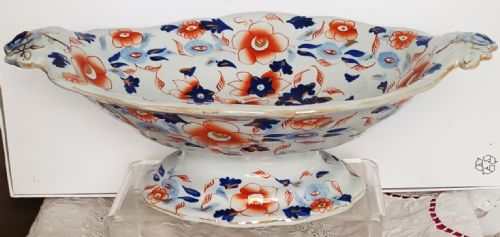
These blue ironstone bowls are robust nineteenth-century ceramics offering striking cobalt patterns and durable utility for the modern table.
Blue Ironstone Bowls
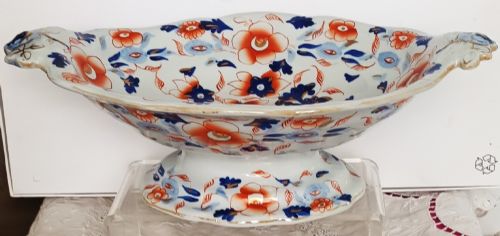
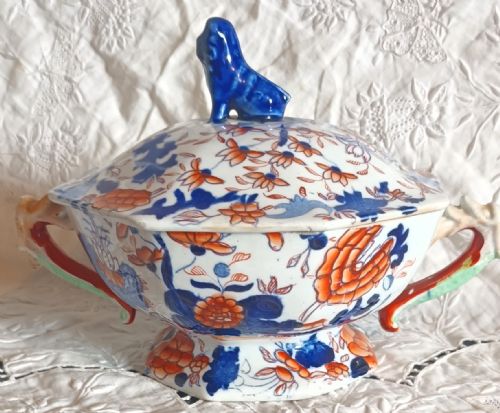
When buyers search for blue ironstone bowls, they encounter sturdy nineteenth-century vessels designed for everyday service or display, spanning the Georgian and Victorian eras. The selection here ranges from soup bowls and footed comports to large covered tureens and mess bowls, reflecting diverse domestic and institutional uses.
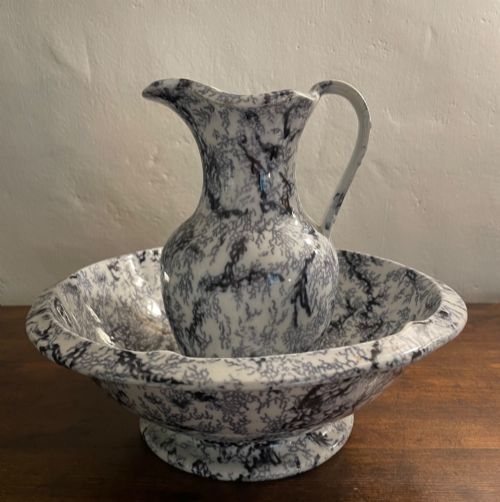
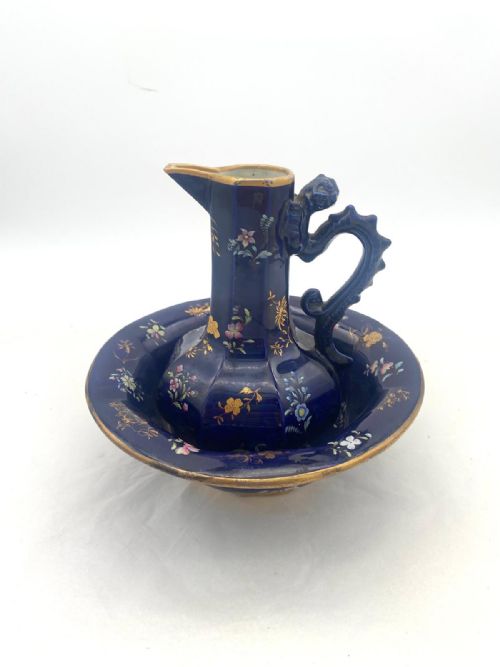
Most examples originate from English potteries, with Mason's ironstone featuring prominently alongside pieces attributed to Coalbrookdale. The forms include octagonal shapes, footed pedestals, and lidded vessels, usually adorned with transfer-printed or hand-painted cobalt designs.
How they were made
Makers produced these pieces using dense earthenware bodies known as ironstone, fired at high temperatures to achieve stone-like durability. Craftsmen then applied transfer printing or hand-painting in cobalt blue before glazing the ceramic.
Certain vessels received additional enrichment through gold leaf and gilt highlights over the glaze, particularly on patterns inspired by Japanese or Chinese aesthetics.
Listings feature nineteenth-century ironstone ceramics spanning the Georgian and Victorian periods, including soup bowls, footed comports, and lidded tureens.
What varies in quality
Quality rests on the crispness of the transfer print and the precision of any hand-painted cobalt details applied beneath the glaze. Pieces exhibiting complex Chinoiserie or Japan patterns demonstrate higher artistic ambition than plain utilitarian forms.
The preservation of original gilt highlights and the presence of complete matching covers or ladles elevate the standing of an individual bowl or tureen within the range.
Mason·Coalbrookdale
The Blue Ironstone Bowls Glossary
- Ironstone
- A heavy, durable earthenware patent-invented in the nineteenth century to imitate Chinese porcelain. It resists chipping far better than standard pottery.
- Transfer print
- A method of applying intricate patterns to ceramics using an engraved copper plate and tissue paper. This technique allowed factories to produce uniform cobalt designs efficiently.
- Comport
- A pedestal bowl raised on a foot, designed for serving fruit or sweets at the table. These pieces often anchor a formal nineteenth-century tablescape.
- Chinoiserie
- A European artistic style reflecting Chinese motifs and landscapes. Potters rendered these exotic scenes in deep blue on ironstone vessels.
Blue Ironstone Bowls: Frequently Asked Questions
Are blue ironstone bowls safe for daily use?
These nineteenth-century ceramics possess thick, durable bodies originally intended for robust service. Their heavy glaze protects the earthenware underneath during regular handling.
Hand washing remains advisable to preserve the nineteenth-century glaze and any delicate gilt highlights from modern detergent wear.
How do I identify a Georgian ironstone bowl?
Georgian pieces typically exhibit heavier potting, deep cobalt transfer prints, and specific aesthetic influences like Japan or Chinoiserie patterns. Makers during this period often utilised octagonal forms and footed pedestals.
Examining the base for impressed factory marks or characteristic glaze pooling helps confirm the nineteenth-century production window.
What is the difference between an ironstone bowl and porcelain?
Ironstone is a refined, heavy earthenware fired at lower temperatures than true porcelain, resulting in an opaque body with high density. Porcelain remains translucent when held to the light and rings when struck.
Potters developed ironstone as a robust, affordable alternative to imported Chinese porcelain for nineteenth-century households.
How were lidded tureens used originally?
Lidded tureens served soups, vegetables, or sauces at formal nineteenth-century dining tables, keeping contents warm beneath heavy covers. Ladles often accompanied these vessels for convenient serving.
Today, collectors utilise these lidded pieces as decorative centrepieces or for serving side dishes during dinner parties.