




Antique Ceramic Shallow Bowls
These antique ceramic shallow bowls bring centuries of handpainted artistry and varied regional traditions straight to your table.
Antique Ceramic Shallow Bowls
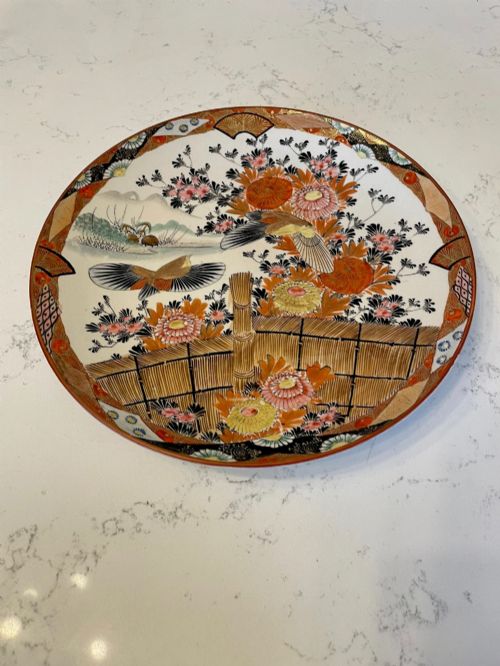
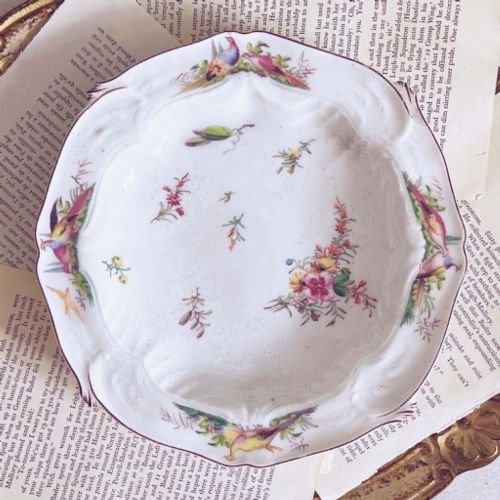
When you search for antique ceramic shallow bowls, you encounter a diverse selection of decorative dishes, chargers, and plates originating from multiple centuries and cultural traditions. These pieces span English porcelain and ironstone alongside Asian wares from the Meiji period and Qing Dynasty.
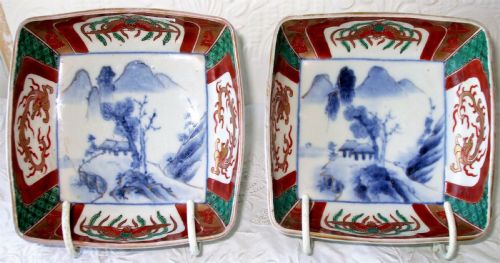
The objects on this page range from mid-eighteenth-century English moulded dishes to nineteenth-century Japanese Imari porcelain and Chinese celadon fish dishes. You will frequently find forms designed for display alongside functional serving pieces like soup bowls and porringers.
Earlier pieces often reflect European interpretations of Asian motifs, whilst oriental pieces showcase traditional handpainted polychrome birds, iron-red enamels, and celadon glazes. Each item serves as a tangible record of historical ceramic production across diverse international kilns.
How they were made
Potters shaped these vessels using traditional earthenware, ironstone, and soft-paste porcelain, often applying tin glaze or enamel finishes to the clay body. Moulded decoration provides structural relief on select European pieces, whilst Asian examples rely on precise throwing and trimming.
Surface ornamentation combines handpainted polychrome pigments, underglaze blue, and occasional gold leaf application. Firing techniques varied widely between eighteenth-century European kilns and nineteenth-century oriental workshops, resulting in distinct glaze depths and crackle effects.
Antique Ceramic Shallow Bowls Retail Price Guide 2026
Typical asking prices for ceramic shallow bowls among the pieces listed under this phrase on Sellingantiques today, from the lower quarter to the upper quarter. They describe what is for sale here now, not the wider market.
Several Chinese celadon dishes feature twin fish swimming in the glaze, an ancient motif symbolizing marital bliss and abundance.
What varies in quality
The fineness of the handpainted brushwork dictates much of the visual merit across these shallow bowls, distinguishing hurried factory production from careful studio execution. Crispness in moulded relief and the evenness of tin glaze or enamel coverage further separate standard domestic wares from exceptional commissions.
Preservation of delicate gilt highlights and original polychrome pigments influences the overall integrity of each piece. The clarity of reign marks and signatures, such as those found on nineteenth-century Japanese and Chinese examples, indicates the standing of the original workshop.
The Antique Ceramic Shallow Bowls Glossary
- Ironstone
- A heavy, durable earthenware developed in nineteenth-century Britain as a robust alternative to porcelain. It readily accepts transfer printing and handpainted enamels.
- Imari
- A style of Japanese export porcelain characterised by a palette of underglaze blue, iron red, and gold. It gained immense popularity in Europe during the seventeenth and eighteenth centuries.
- Porringer
- A small, shallow vessel with one or two horizontal handles, historically used for serving broths or porridges. In ceramic form, it functions as a versatile small bowl.
- Polychrome
- Decoration employing multiple distinct colours applied in enamel or glaze. This technique allows for detailed pictorial scenes and botanical motifs.
Antique Ceramic Shallow Bowls: Frequently Asked Questions
How do I clean an antique ceramic shallow bowl?
Wash these pieces strictly by hand using warm water and a mild, non-abrasive detergent. Avoid soaking items with exposed earthenware bodies or delicate gold leaf.
Dry them immediately with a soft, lint-free cloth to prevent moisture damage to older glazes and historic repairs.
Can I use these shallow bowls for serving food?
Many nineteenth-century ironstone and porcelain bowls were originally made for dining or serving. However, age, historic glazes, and potential lead content in older enamels suggest using them primarily for display.
Reserve them for dry items like fruit or potpourri rather than acidic foods and liquids.
How do I date an antique ceramic bowl?
Examine the base for factory marks, reign characters, or handwritten inscriptions that point to specific periods or dynasties. The composition of the paste, whether soft-paste porcelain, ironstone, or tin-glazed earthenware, also indicates the era of manufacture.
Compare the painting style and motifs against documented examples from makers like Chelsea or regional Japanese kilns.
What is the difference between porcelain and ironstone?
Porcelain is a fine, vitrified ceramic fired at high temperatures until it becomes semi-translucent and non-porous. It offers a delicate appearance despite its structural strength.
Ironstone is a dense, opaque earthenware developed to resist chipping while mimicking the durability and weight of true porcelain.