

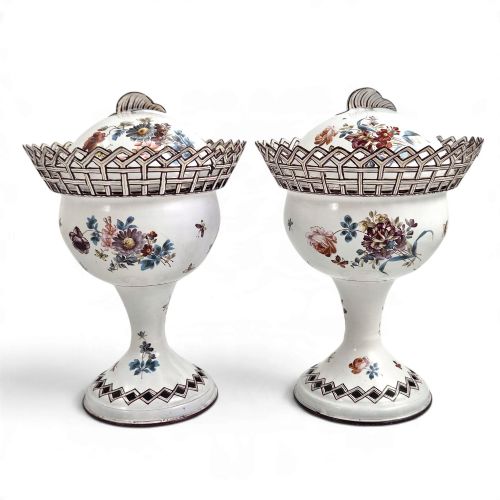
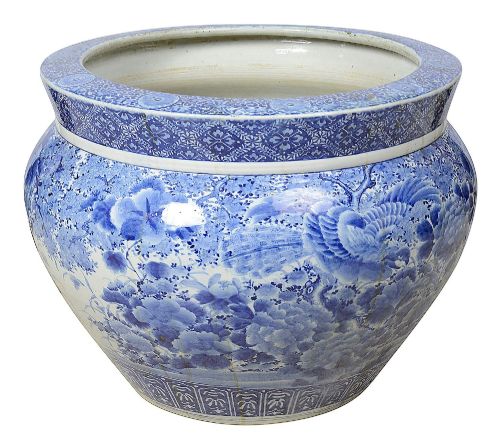


Vintage Ceramic Cachepot
These vintage ceramic cachepot pieces bring botanical charm to interiors through enduring Victorian and early 20th-century craftsmanship.
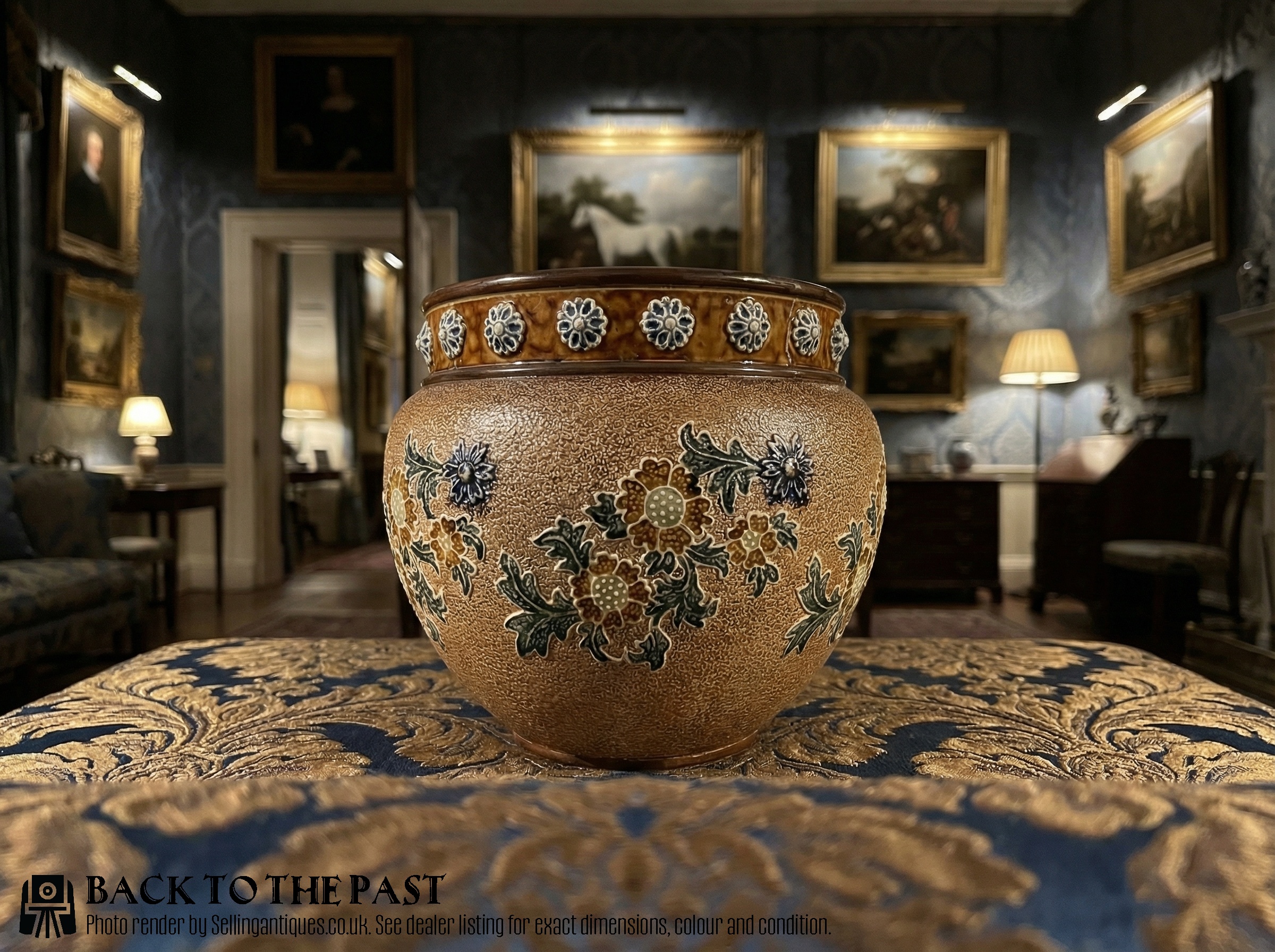
Vintage Ceramic Cachepot
A vintage ceramic cachepot serves as an ornamental container designed to hold potted plants while protecting interior surfaces from water. When searching for a vintage ceramic cachepot, buyers encounter a variety of forms including jardinieres, planters, urns, and pots with matching stands. These pieces predominantly date from the 19th century through the Edwardian period, encompassing Victorian, Neoclassical, and Japanese Meiji aesthetics.
Materials and construction
Potters shaped these vessels using earthenware, heavy stoneware, or fine porcelain, depending on the desired durability and refinement. Earthenware and stoneware bodies provided robust structures for larger jardiniere forms, while porcelain allowed for delicate wall thicknesses and smooth surfaces. Glazes were applied to seal the ceramic body, ranging from translucent white finishes to rich cobalt blues and salt-glazed textures.
Decoration involved hand-painting, transfer printing, and applied gilding, frequently enhanced by moulded relief work. Factories utilised skilled modellers and painters to execute figural scenes, floral patterns, and traditional Japanese motifs. Firing techniques determined the vitrification of the clay and the permanence of the surface colours.
Vintage Ceramic Cachepot Retail Price Guide 2026
Typical asking prices for vintage ceramic cachepot among the pieces listed under this phrase on Sellingantiques today, from the lower quarter to the upper quarter. They describe what is for sale here now, not the wider market.
Listings feature 19th-century and early 20th-century examples spanning English, German, and Japanese ceramic traditions.
Distinctions in quality
The division between standard production and superior craftsmanship rests upon the crispness of the modelling and the skill of the surface decoration. Pieces designed by named artists or produced by esteemed potteries demonstrate greater refinement in painted detail and glaze consistency. Heavier stoneware and finely potted porcelain exhibit superior material density compared to basic commercial earthenware.
Artistic ambition also sets finer examples apart, such as hand-painted figural scenes or intricate Imari patterns rather than repeated transfer prints. The integration of structural elements like handles, stands, and moulded borders reveals the care taken during initial shaping and final assembly.
Royal Doulton·Doulton Lambeth·Royal Worcester·James Hadley·Enoch Wood and Sons·Makuzu Kozan II·Charles Noke
The Vintage Ceramic Cachepot Glossary
- Cachepot
- An ornamental pot used to hold a flowerpot and catch drainage water. The French term translates directly as hiding pot.
- Jardiniere
- A large ornamental pot or stand for plants, typically manufactured in ceramic or porcelain. These items often feature prominent decorative handles or pedestal bases.
- Stoneware
- A robust, vitrified ceramic fired at high temperatures until impervious to liquid. This material provides durability for heavy planters.
- Imari
- A style of Japanese porcelain characterised by underglaze blue and overglaze red, gold, and green colours. The aesthetic influenced European potteries during the 19th century.
- Salt glaze
- A decorative finish created by throwing common salt into the kiln during high-temperature firing, producing a textured surface. This technique appears frequently on German vessels.
Vintage Ceramic Cachepot: Frequently Asked Questions
What is a cachepot?
A cachepot is an indoor container designed to hold a potted plant without a drainage hole at the base.
Its primary function is to conceal plain nursery pots and protect furniture surfaces from moisture.
How do I style a jardiniere?
These vessels suit placement on tabletops, pedestals, or windowsills where trailing foliage can cascade over the sides.
They function equally well as standalone decorative objects on sideboards or mantelpieces.
Are these pots waterproof?
Most glazed ceramic and porcelain vessels hold water effectively due to their vitrified bodies and interior finishes.
Using a small liner tray inside older earthenware pieces remains advisable to prevent potential moisture seepage.
How do I date these ceramics?
Dating relies on maker marks, factory stamps, stylistic cues, and the specific composition of the ceramic body.
Victorian and Edwardian examples often feature registration numbers or impressed factory ciphers on the underside.