

Vintage Central Asian Rug
These vintage central asian rug examples bring nomadic textiles and tribal weaving into modern spaces through enduring patterns and rich textures.
Vintage Central Asian Rug
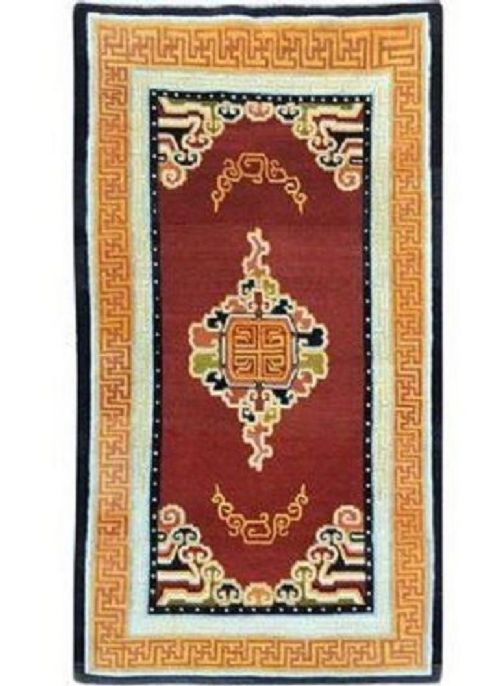
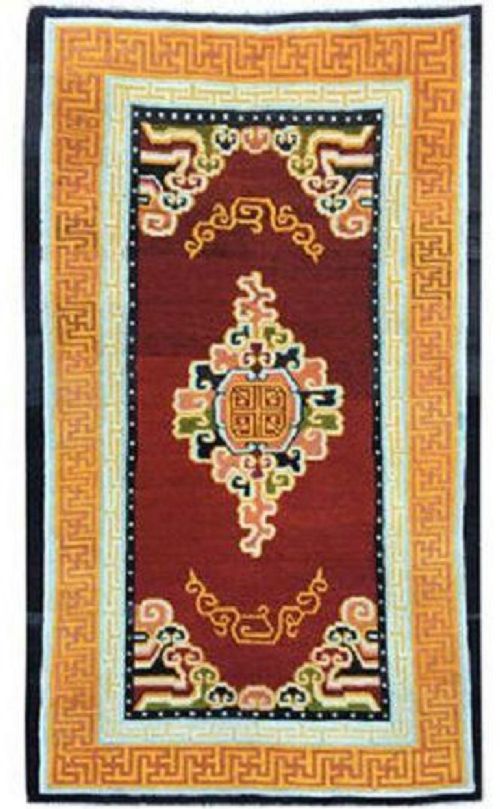
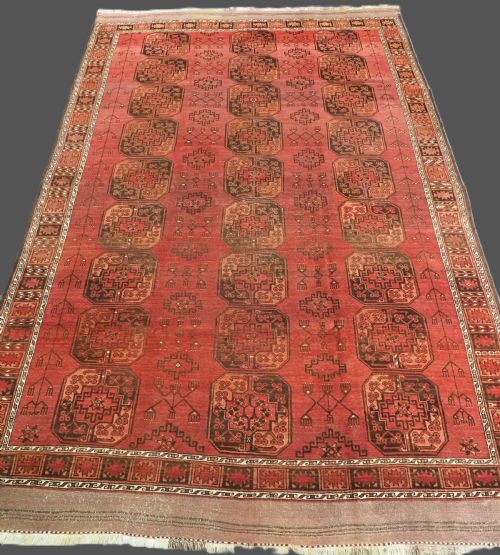
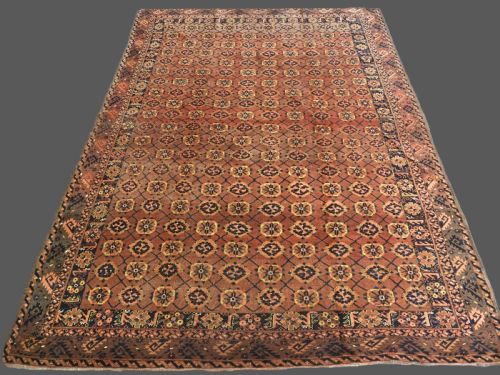
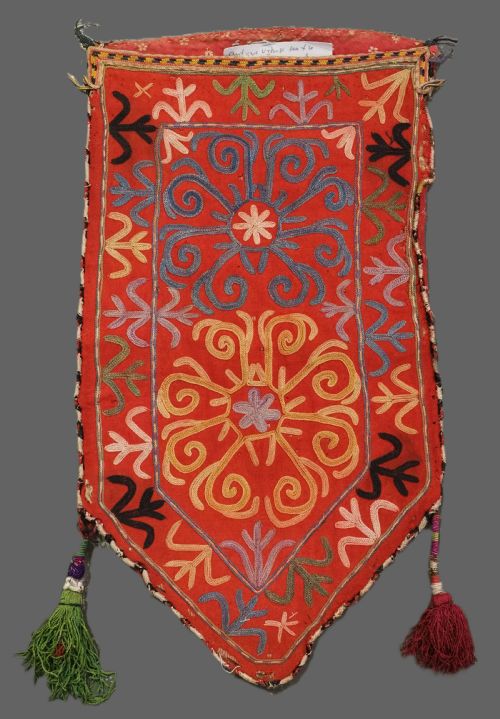
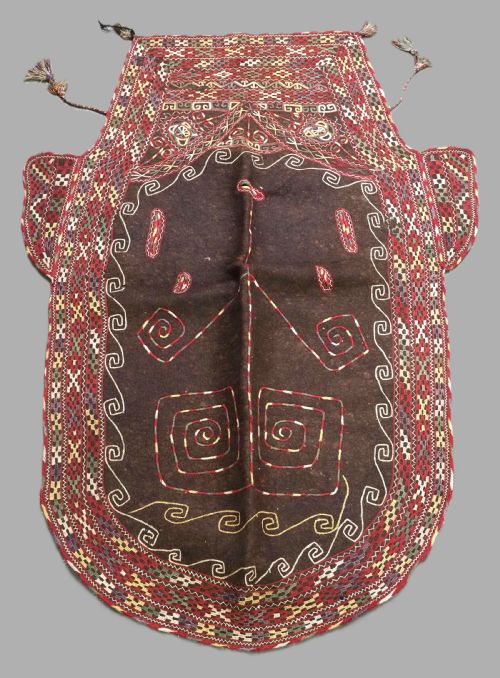
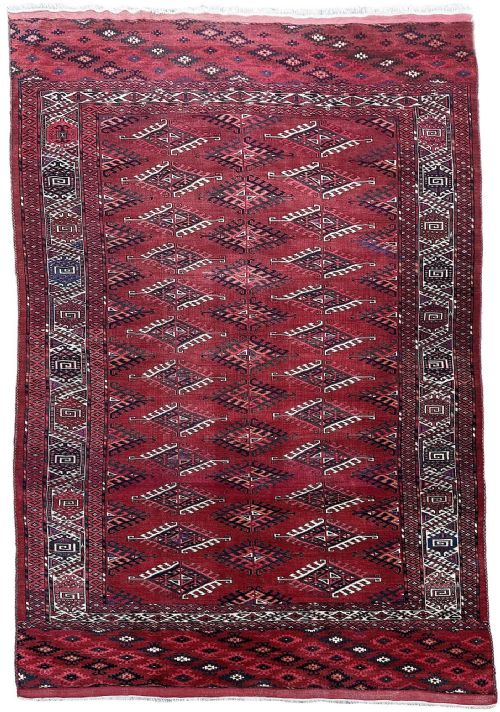
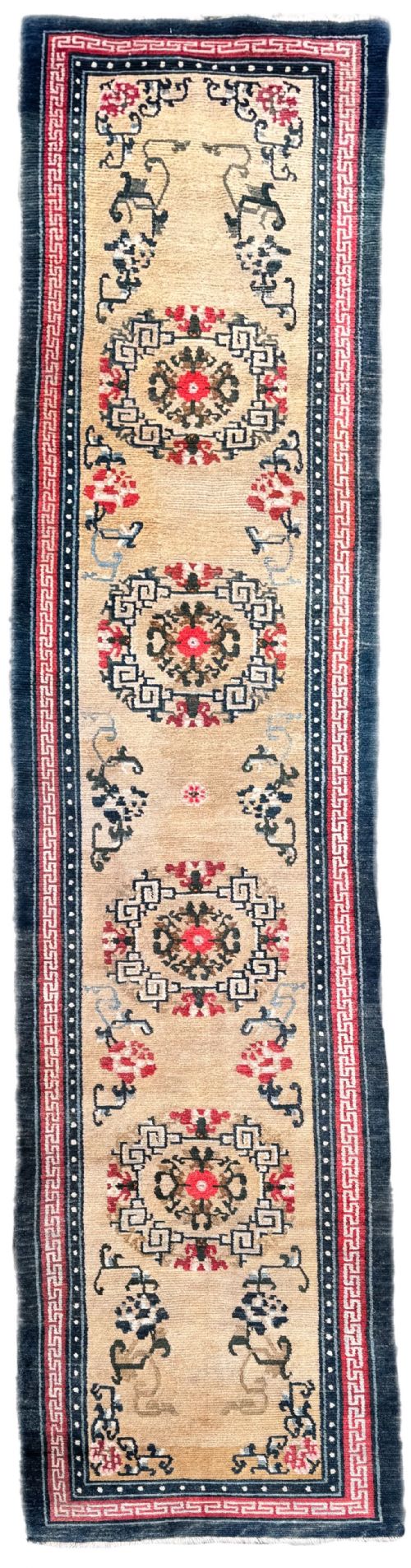
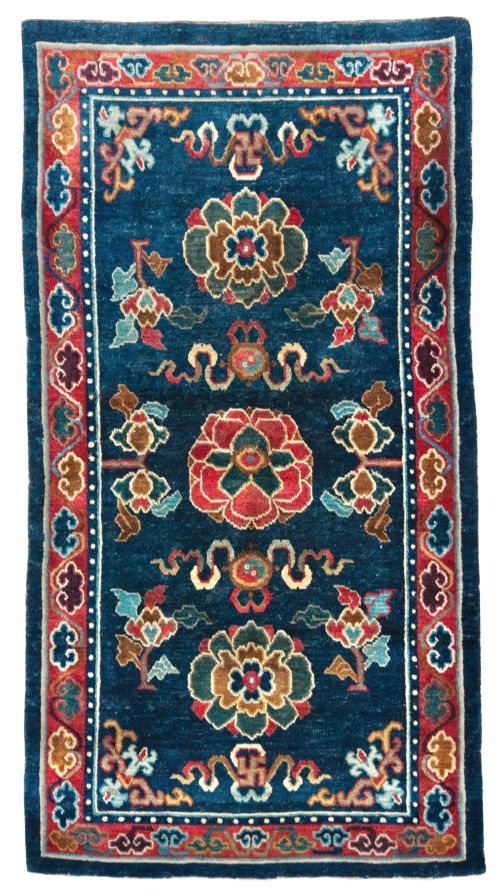
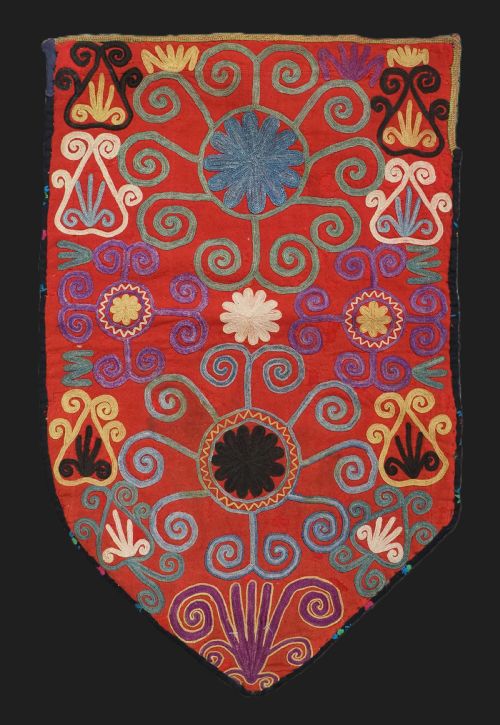
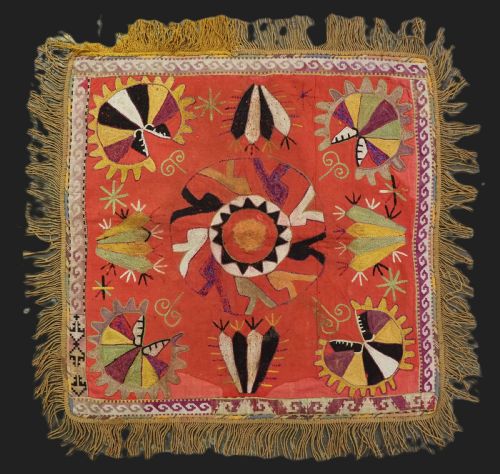
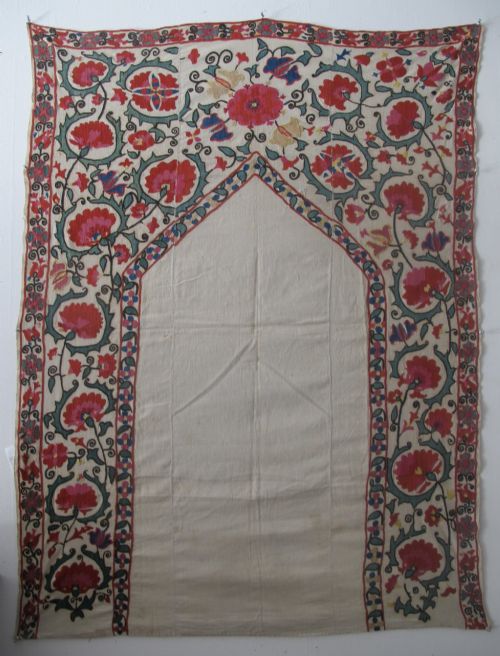
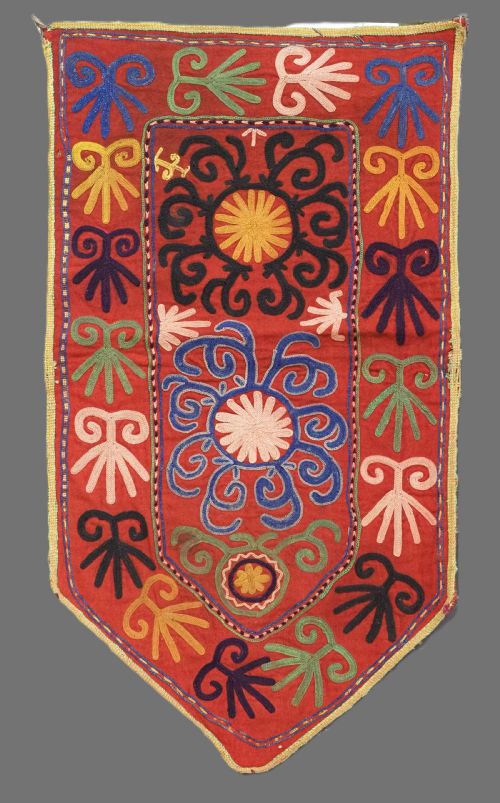
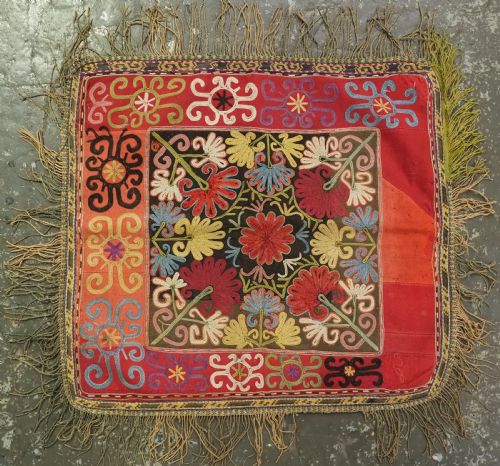
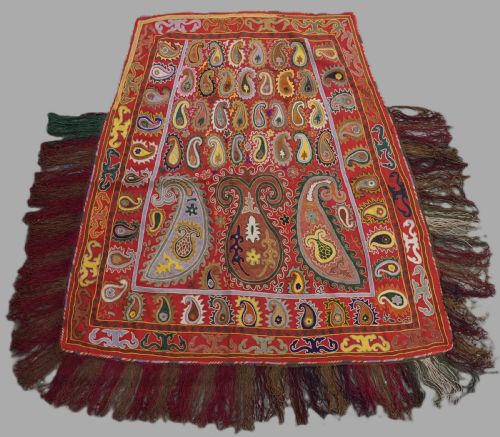
A vintage central asian rug encompasses woven carpets, embroidered wall hangings, and ceremonial horse covers originating from tribal groups across the region. Buyers searching this phrase meet hand-knotted main carpets alongside specialised dowry pieces and tent furnishings from the nineteenth and early twentieth centuries.
The material record spans utilitarian floor coverings to delicate silk embroideries created for domestic and ceremonial use. Regional groups such as the Turkmen, Ersari, Yomut, and Lakai tribes produced distinct formats including asmalyks, kapunuks, and suzanis.
Most examples date from the mid-nineteenth century through the nineteen-thirties, reflecting traditional motifs passed down through generations of nomadic and village weavers.
Assessing quality
Quality rests upon the fineness of the knotting or the precision of the needlework, where tighter structures yield crisper geometric lines and greater durability. The depth and saturation of natural dyes also dictate value, with evenly aged hues outlasting unstable chemical mixtures.
Proportion and the integrity of the original tribal design separate standard utility pieces from masterworks created for dowries or ceremonies. Preservation of original borders, fringes, and tassels contributes significantly to the standing of any textile.
Vintage Central Asian Rug Retail Price Guide 2026
Typical asking prices for vintage central asian rug among the pieces listed under this phrase on Sellingantiques today, from the lower quarter to the upper quarter. They describe what is for sale here now, not the wider market.
Listings span eighty years of production, incorporating wool, cotton, silk, and felt across tribal formats.
The Vintage Central Asian Rug Glossary
- Suzani
- An embroidered textile from Uzbekistan, traditionally stitched in silk on a cotton or silk foundation for domestic or ceremonial use.
- Asmalyk
- A pentagonal trapping produced by Turkmen tribes, historically mounted on the flanks of a camel during wedding processions.
- Kapunuk
- A specialised tent door rug woven or embroidered to frame the entrance of a nomadic yurt.
- Chuval
- A large storage bag face woven by tribal groups, featuring repetitive gul motifs across the field.
- Ilgich
- An embroidered wall hanging or dowry piece created by the Lakai tribe, noted for dynamic appliques and curvilinear motifs.
Vintage Central Asian Rug: Frequently Asked Questions
How were these rugs used?
Nomadic communities utilised these textiles as floor coverings, bedding, door surrounds, and storage bags within yurts and permanent dwellings. Many specific formats also served ceremonial functions during weddings and tribal processions.
Over time, textiles like horse covers and wall hangings transitioned from active tribal utility into decorative interior objects valued for their graphic patterns and historical depth.
How do I clean a vintage rug?
Routine maintenance requires gentle vacuuming without a rotating brush to prevent fibre damage. Professional textile conservation cleaning is recommended for addressing deep-seated soil or historical staining.
Water exposure should be minimised, especially on natural dye pieces, to prevent colour migration or shrinkage across wool and silk elements.
How can I tell tribal groups apart?
Tribal attribution relies on identifying specific colour palettes, border arrangements, and primary motifs known as guls. For instance, Teke and Yomut Turkmen pieces display distinct octagonal or hooked forms unique to their weaving lineages.
Lakai embroideries are readily distinguished by dynamic, asymmetrical silk stitches and felt appliques that differ from standard knotted-pile carpet geometry.
Where should I place a textile in my home?
Smaller panels, suzanis, and horse covers function well mounted on walls where friction and foot traffic are eliminated. Larger pile carpets suit low-traffic areas of a home to preserve the pile height and foundational integrity.
Direct, prolonged sunlight should be avoided to protect natural dyes from fading over years of display.