

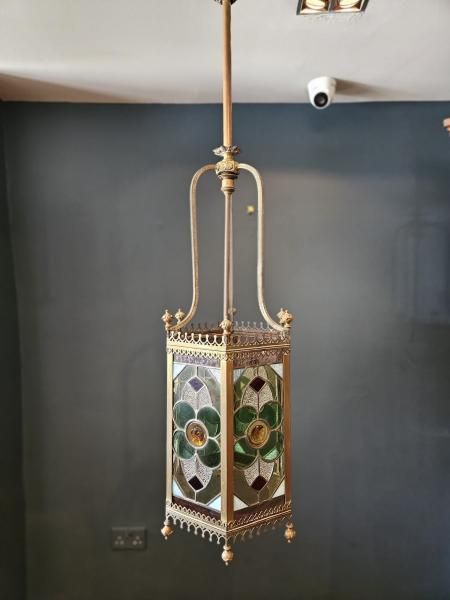
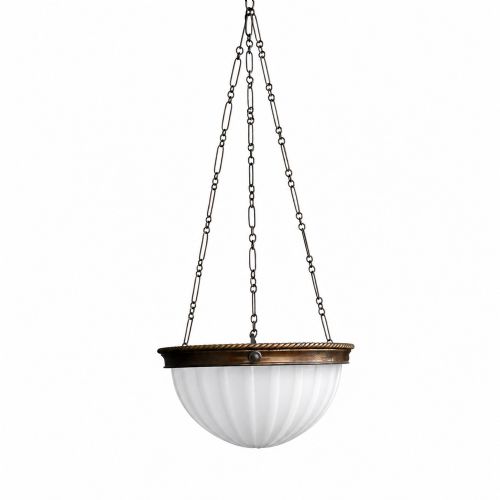
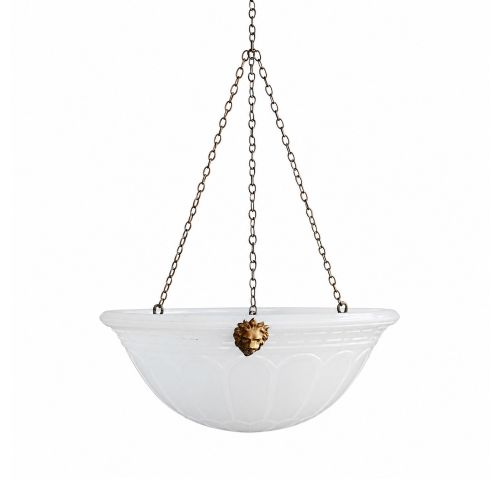
Vintage Ceiling Fixture Shade
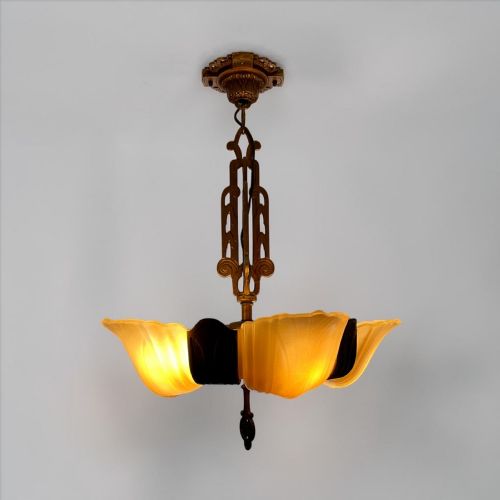
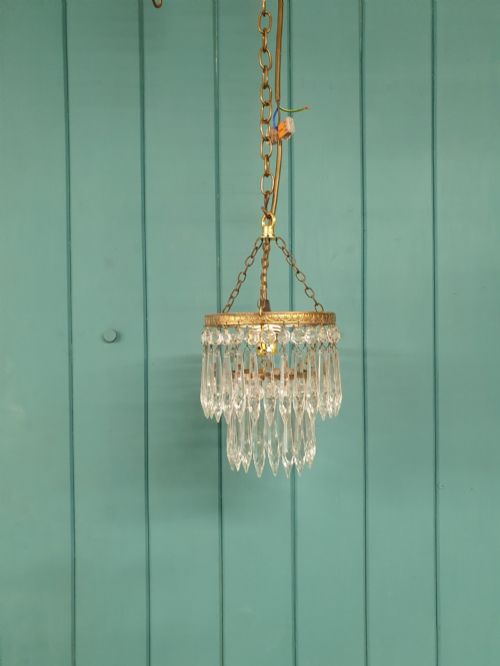
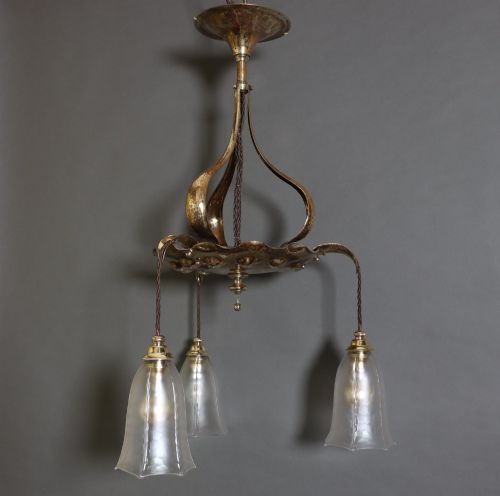
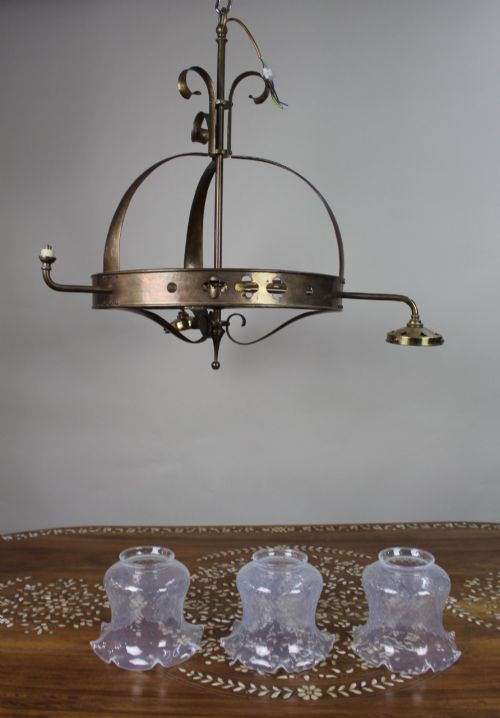
These vintage ceiling fixture shade examples bring authentic period illumination to a room, turning practical lighting into a focal point.
Vintage Ceiling Fixture Shade
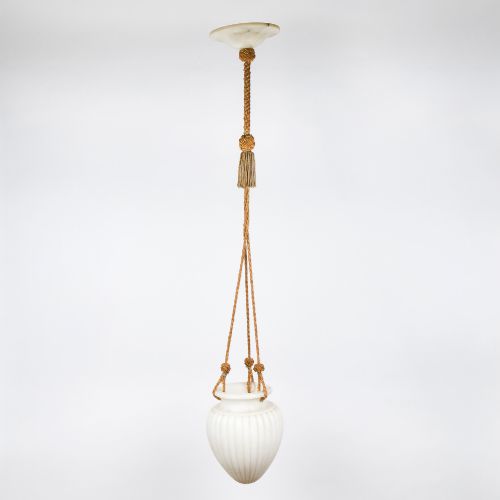
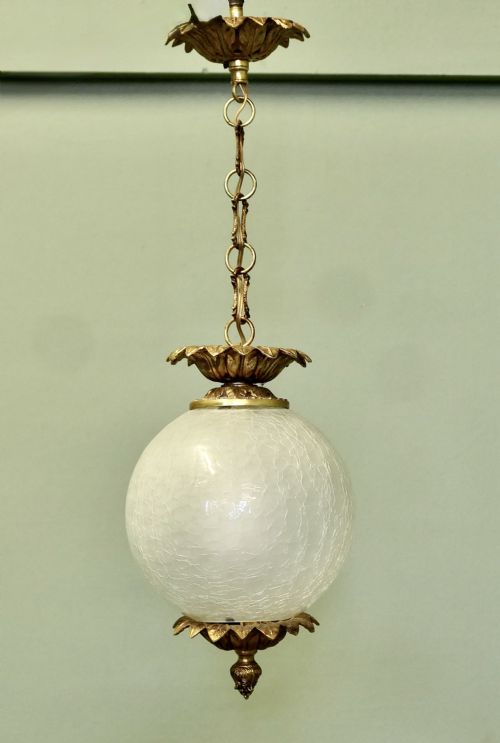
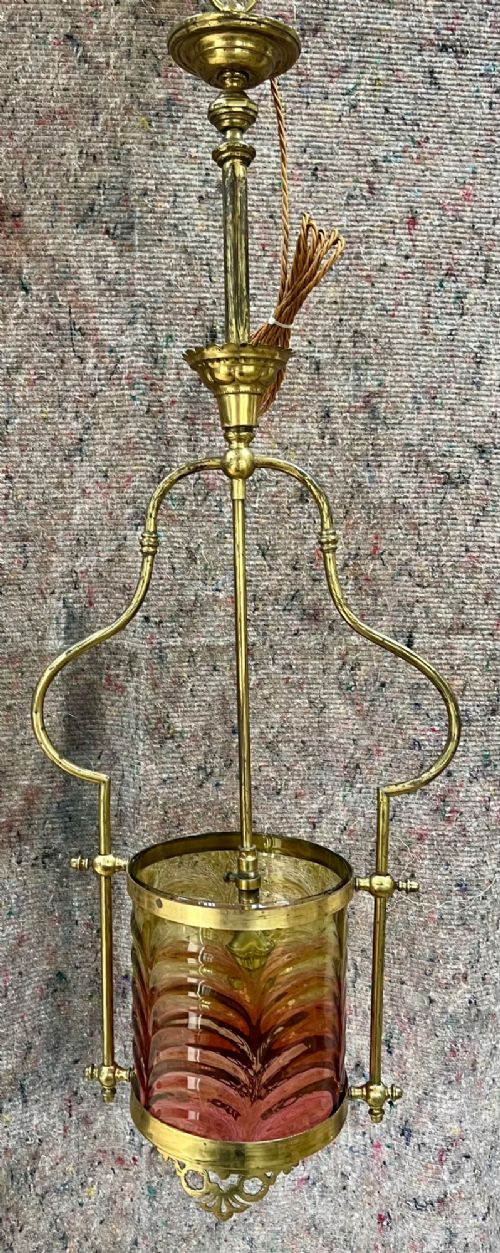
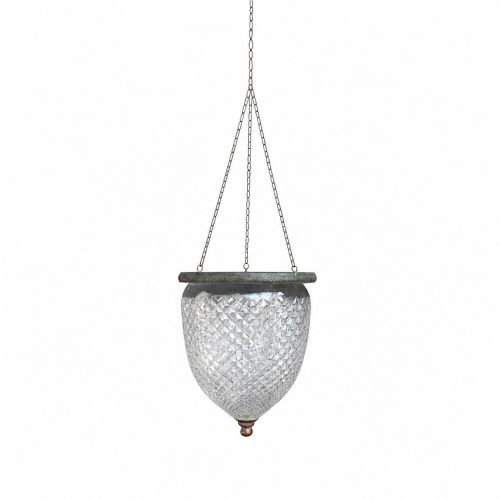
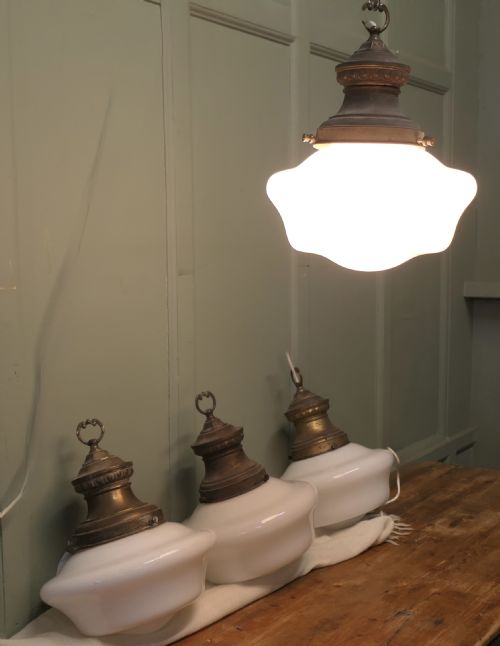
A vintage ceiling fixture shade selection spans several decades of domestic and commercial design, drawing on styles from the Victorian era through the 1930s. Buyers searching for a vintage ceiling fixture shade encounter hanging pendants, globes, and dome-shaped covers designed to diffuse light across a space.
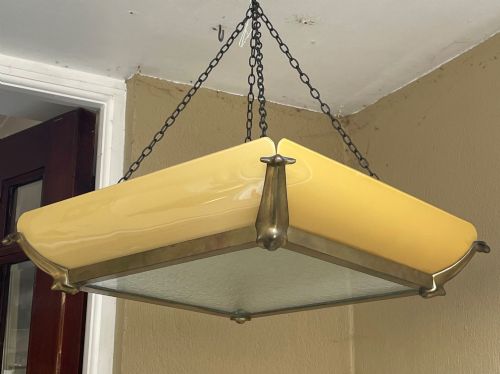
The assortment includes forms rooted in Edwardian, Art Nouveau, and Art Deco aesthetics, alongside industrial and classical revival designs. Materials range from hand-pressed glass and opaline to brass framework and leaded panels.
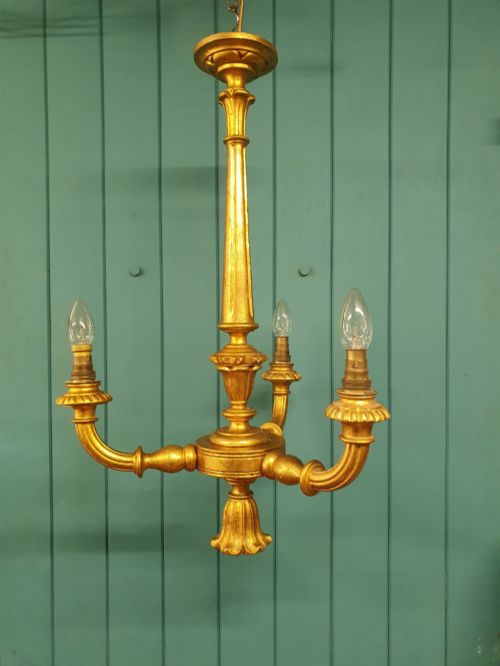
Most examples originate from the early twentieth century, reflecting the transition from gas lighting to electricity in British and international homes. Formats vary from small porch lanterns to grand multi-armed chandeliers and individual pendant shades.
How they were made
Makers shaped glass through moulding, blowing, and cutting, often incorporating frosted, opalescent, or crackled finishes to soften the bulb glare. Metal components relied on cast brass, copper, and giltwood, shaped to support the weight of heavy glass bowls and shades.
Workshops utilised leaded framing techniques for stained glass lanterns and specialised slip-moulding for American-style shades. Fixtures frequently combined metal galleries with threaded screws or internal clips to secure the glass securely in place.
Materials documented in these vintage lighting examples include leaded glass, moonstone, and opaline.
What varies in quality
The calibre of a vintage ceiling fixture shade rests upon the weight and clarity of the glass, whether moulded, hand-cut, or opalescent. Substantial brass mountings and intricate casting detail on arms and galleries distinguish superior decorative examples from utilitarian hardware.
Design integrity also separates standard production from exceptional work, particularly where distinct artistic movements like Art Deco or Art Nouveau dictate the silhouette. Original patination on metal surfaces and the survival of matching original shades elevate the overall standard of a fitting.
Émile-Jacques Ruhlmann·Jefferson
The Vintage Ceiling Fixture Shade Glossary
- Plafonnier
- A ceiling-mounted light fixture featuring a bowl-shaped shade that sits close to the ceiling surface. This French term typically describes shallow glass shades used in hallways and smaller rooms.
- Opaline glass
- A type of semi-translucent glass developed to diffuse light evenly while reducing glare. It often appears in white or pastel shades during the Victorian and Art Deco periods.
- Slip shade
- A moulded glass shade designed to slide into the metal arms of a specialised ceiling light frame. These pieces gained popularity in American Art Deco lighting designs.
- Rise and fall
- A mechanical pulley system allowing the height of a hanging pendant light to be adjusted by pulling the cord or weight. This mechanism was common in Edwardian domestic interiors.
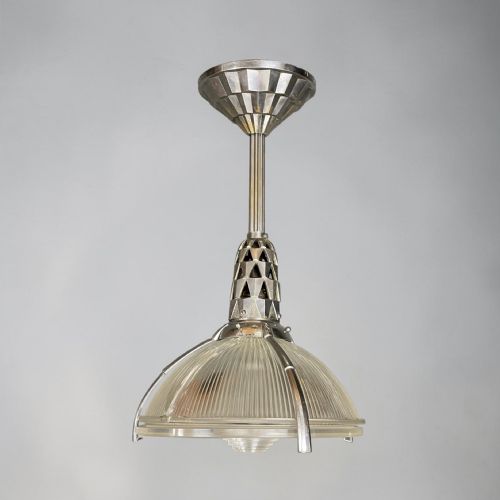
- Holophane
- A brand of prismatic glass engineered to direct and diffuse light efficiently. The distinct ribbed pattern maximises illumination while masking the bulb.
Vintage Ceiling Fixture Shade: Frequently Asked Questions
How do I hang a vintage shade?
Most vintage shades require compatible fitter galleries and appropriate cord grips to secure the glass neck. Standard electrical wiring standards apply when connecting these fixtures to modern ceiling circuits.
Professional installation is recommended for heavier brass and glass chandeliers to ensure the ceiling joist supports the total weight safely.
Are these shades compatible with modern bulbs?
Many vintage fittings accommodate standard modern LED bulbs, provided the wattage does not exceed the thermal tolerance of the historic glass and wiring. Standard screw or bayonet cap adapters often fit older lamp holders without alteration.
Care should be taken with enclosed globe shades to select bulbs that do not generate excessive heat within the enclosed glass space.
How do I date a glass shade?
Stylistic markers such as geometric Art Deco motifs or floral Art Nouveau lines provide the clearest indication of a piece's manufacturing era. Production techniques, such as the specific recipe for opaline or crackle glass, also align with particular decades.
Examining the metal fitter rim and screw threads often reveals manufacturing standards specific to early twentieth-century workshops.
Can I clean vintage opaline glass?
Gentle washing with warm soapy water and a soft cloth removes dust and grease accumulated over decades. Harsh chemical cleaners and abrasive scouring pads must be avoided to protect the delicate surface finish.
Metal components require separate cleaning methods appropriate for brass or copper to preserve the historic patination.