


Frosted Glass Globe Shade
These frosted glass globe shade examples bring soft, diffused illumination to period rooms, combining architectural presence with functional grace.
Frosted Glass Globe Shade
When you search for a frosted glass globe shade, you encounter diffuse lighting fixtures and replacement shades originating from the Victorian era through the Art Deco period. These pieces encompass ceiling lighting, table lamps, and oil lamp conversions spanning the nineteenth century, Edwardian years, and nineteen-thirties.
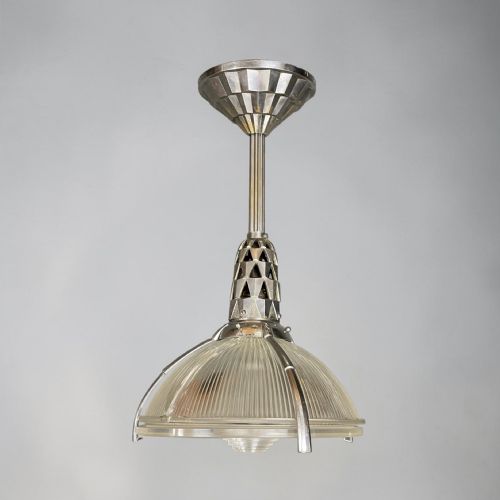
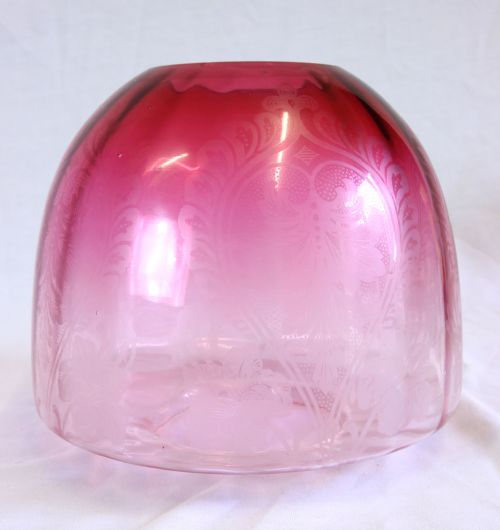
The most common iterations on this page are spherical or domed forms designed for ceiling suspension or table illumination. They appear alongside tulip-shaped oil lamp shades and geometric pendant lights reflecting French and English design movements.
Makers and retailers associated with these works include historical entities such as Messengers and Harrods, alongside French designers like Émile-Jacques Ruhlmann. The forms range from plain spherical globes to etched crystal domes supported by brass, bronze, chrome, and nickel plated metal mounts.
How they were made
Production relies on glassblowing and moulding techniques to shape the spherical or domed bodies from frosted, etched, cranberry, green, or pale green glass. Artisans often utilised acid-etching or sandblasting processes to achieve the characteristic opaque surface texture.
Metal components such as brass, bronze, chrome, and nickel plated metal provide the structural support and hanging mechanisms. These mounts are cast, turned, or plated to complement the decorative style of the glass shade.
Some nineteenth-century oil lamp shades display delicate tulip contours designed to mimic blooming spring flowers.
What varies in quality
Quality is evident in the weight and clarity of the glass, where heavier mouldings and crisper surface etching distinguish finer pieces. The depth of acid-cut decoration and the uniformity of the frosting demonstrate the skill of the original glasshouse.
The integrity and material quality of the supporting metalwork also define the tier of the piece. Substantial cast bronze or heavy brass mounts indicate superior construction compared to lighter plated alternatives.
Émile-Jacques Ruhlmann·Messengers·Harrods
The Frosted Glass Globe Shade Glossary
- Frosted glass
- Glass treated by acid-etching, sandblasting, or enamelling to diffuse light and create a matte, opaque finish. This technique softens harsh illumination while retaining high light transmission.
- Etched crystal
- Clear glass decorated by carving or acid application into the surface to form intricate patterns. It offers sharper refractive qualities than standard moulded glass.
- Art Deco
- A design style from the nineteen-twenties and nineteen-thirties characterised by geometric symmetry and stylised motifs. It marked a departure from organic nineteenth-century ornamentation.
- Font
- The oil reservoir portion of a lamp, often rendered in coloured glass beneath the shade. It holds the fuel before combustion.
- Art Nouveau
- A turn-of-the-century movement favouring flowing, plant-derived lines and natural forms. The style influenced both metal mounts and tulip-shaped shade silhouettes.
Frosted Glass Globe Shade: Frequently Asked Questions
What periods do these shades cover?
The pieces span the Victorian era, the Edwardian period, and the Art Deco years of the nineteen-twenties and nineteen-thirties. Nineteenth-century examples often lean towards oil lamp configurations.
Later items transition into electric ceiling pendants and table lamps utilising chrome and frosted glass.
How do I identify Art Deco pieces?
Art Deco items typically feature clean geometric lines, stylised symmetry, and materials like chrome or bronze paired with frosted glass. These date primarily from nineteen-twenty to nineteen-thirty.
They contrast sharply with the organic curves of earlier Victorian and Art Nouveau designs.
Were these originally oil lamps?
Several listed examples began life as Victorian or nineteenth-century oil lamps featuring coloured fonts and matching shades. Many have subsequently been converted for electrical use.
Others were manufactured specifically as electric ceiling pendants or table lamps from the outset.
What metals support the glass shades?
Mounts and stands utilise brass, bronze, chrome, and nickel plated metal depending on the period. Heavy brass often indicates nineteenth-century or Edwardian oil lamp stands.
Chrome and bronze frequently accompany nineteen-thirties French and English Art Deco fixtures.