

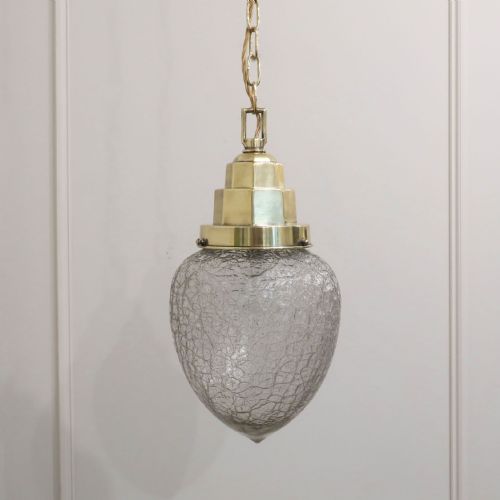


Art Deco Ceiling Pendant
An art deco ceiling pendant brings geometric clarity and diffusing warmth directly into a room, suspended from above to anchor the entire space.
Art Deco Ceiling Pendant
When you search for an art deco ceiling pendant, you encounter fixtures that combine functional illumination with the streamlined geometry characteristic of the period. These lights hang from ceilings using chains, rods, or cords, serving as central focal points in residential and commercial spaces.
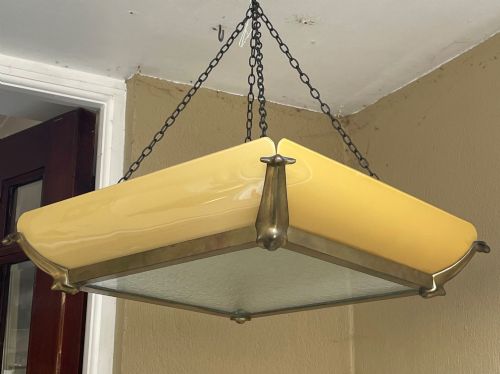
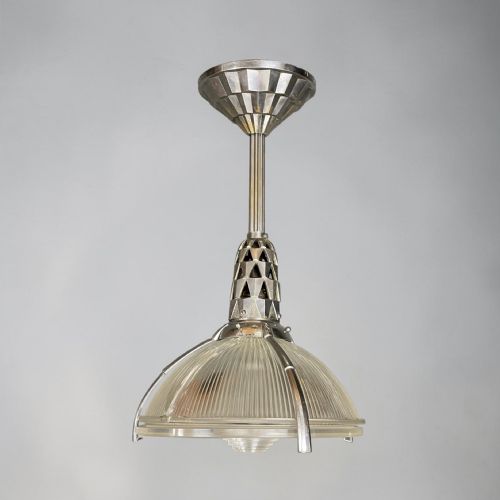
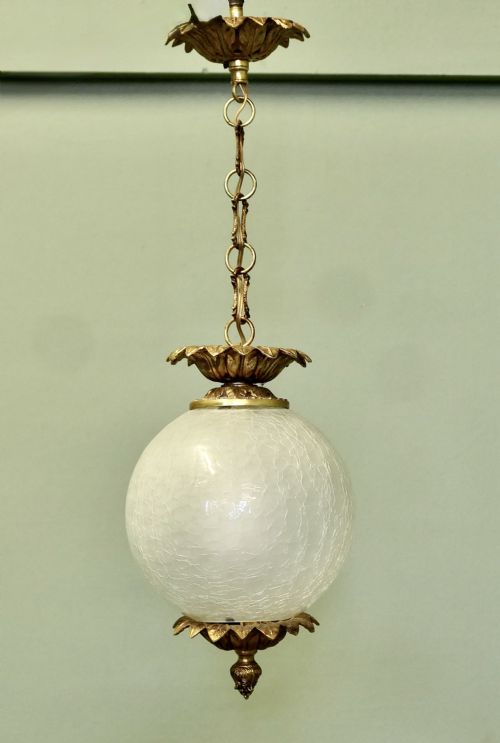
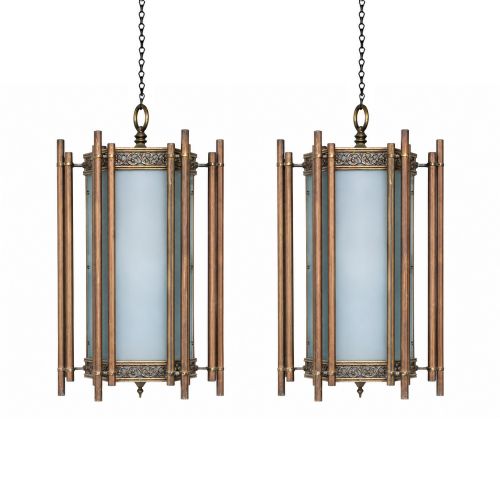
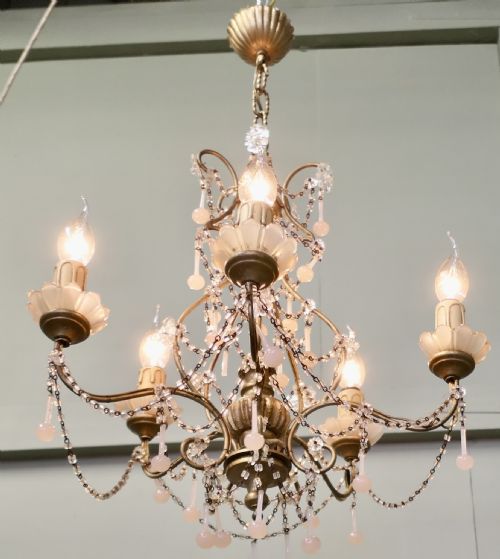
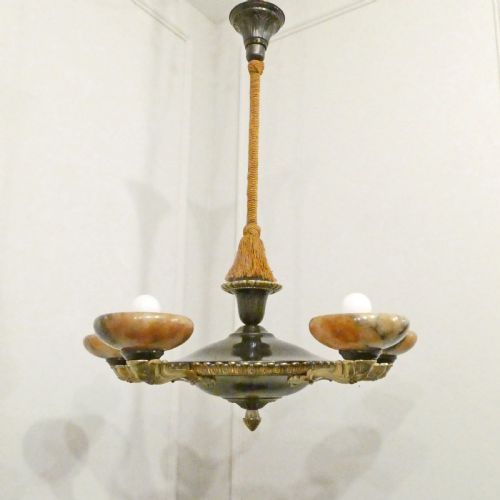
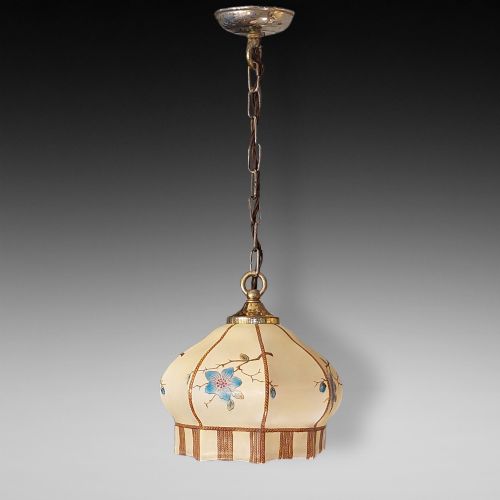
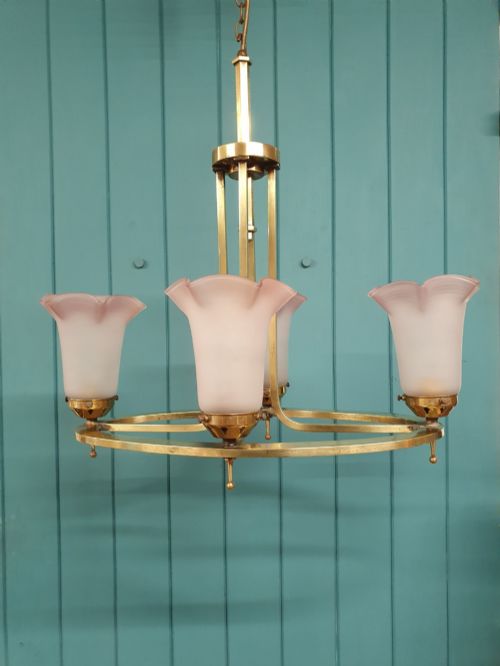
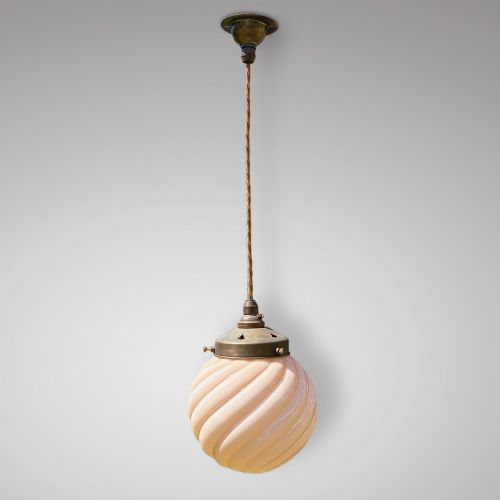
The versions most common on this page date predominantly from the 1920s and 1930s, alongside select pieces from adjacent eras such as the 19th century and Edwardian period. Forms range from single-bulb glass globes and pear-shaped opaline shades to multi-branched chandeliers and substantial hall lanterns.
Geographic origins vary significantly, with French, Italian, American, and Swedish designs appearing among British and general European examples. Makers and designers represented in the evidence include Émile-Jacques Ruhlmann, Schneider, and Muller Freres, bringing distinctive regional interpretations to the form.
Materials and Construction
Makers utilised a combination of metals and worked glass to achieve durability and diffused illumination. Brass, chrome, steel, bronze, and copper form the structural galleries, frames, and suspension chains that support the heavier glass elements.
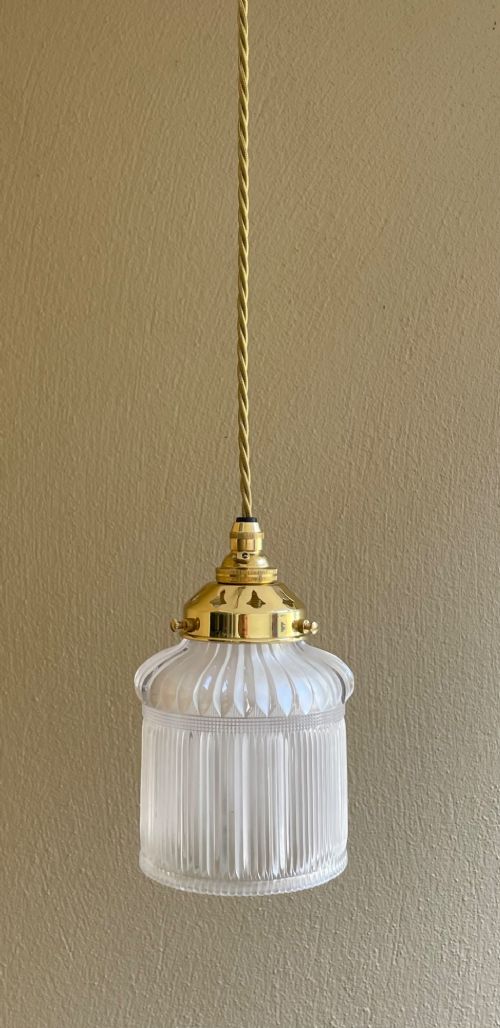
The shades themselves rely on specialised glass-working techniques, featuring frosted, opaline, opalescent, crackle, cut, etched, and moulded crystal. Alabaster also appears carved into substantial bowls and shades, offering a dense, natural translucency when lit from within.
Listings feature lighting from the 1900s through the 1940s, utilising brass, chrome, bronze, copper, steel, alabaster, and various worked glass types.
Distinctions in Quality
Quality reveals itself in the weight and clarity of the glass, as well as the precision of the metalwork. Thicker moulded shades with complex geometric relief or rich coloration demand greater skill from the glasshouse than plain blown spheres.
The integrity of the original hardware - such as signed bronze galleries, heavy cast brass mounts, and properly proportioned suspension components - separates standard production items from exceptional workshop pieces.
Émile-Jacques Ruhlmann·Schneider·Muller Freres
The Art Deco Ceiling Pendant Glossary
- Plafonnier
- A ceiling-mounted light fixture that sits relatively flush or hangs on a very short drop, often featuring a large decorative glass bowl.
- Slip Shade
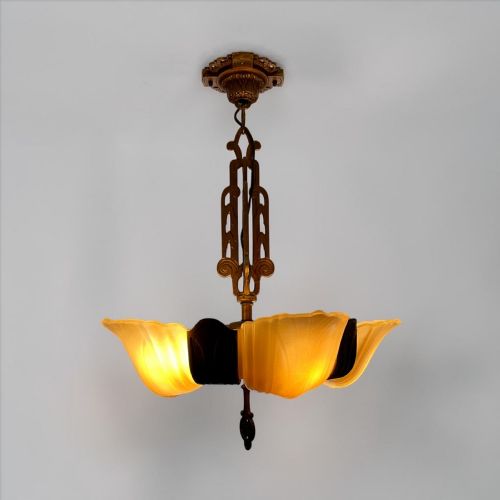
- A type of shade where individual moulded glass panels slide or 'slip' into slots within a metal frame, common in American fixtures.
- Opaline Glass
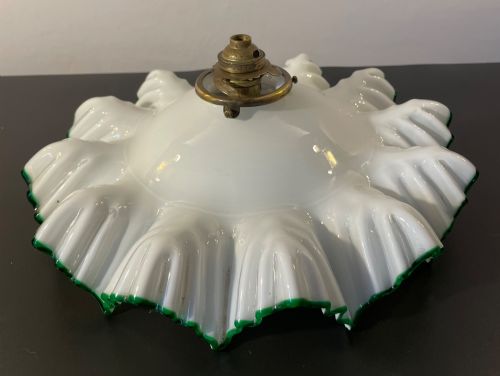
- An opaque or semi-translucent white glass that softens light evenly without harsh glare.
- Gallery
- The metal ring or fitting that grips the top of a glass lampshade and connects it to the suspension rod or chain.
- Amsterdam School
- An architectural and design style originating in the Netherlands characterised by expressive brickwork, organic forms, and rich metal detailing.
Art Deco Ceiling Pendant: Frequently Asked Questions
How do I hang an art deco ceiling pendant safely?
Suspension requires securing the fixture directly to a ceiling joist or an appropriate structural bracket using a matching metal hook or mounting plate. The weight of the glass, particularly with alabaster or multi-tier crystal chandeliers, demands proper load-bearing hardware.
Electrical connections should be handled by a qualified professional to ensure the internal wiring safely supports the voltage and wattage of modern bulbs.
What rooms suit these ceiling pendants?
Pendants with concentrated downward illumination suit dining tables, hallways, and kitchen islands where direct task or ambient light is needed. Larger multi-branch chandeliers function effectively in principal reception rooms with higher ceilings.
Compact globes and single-shade plafonniers fit smaller spaces such as entrance lobbies, bedrooms, or studies without overwhelming the floor plan.
How do I identify the period of a pendant?
Dating relies on examining the combination of materials, construction methods, and stylistic motifs present in the hardware and shade. Fixtures from the 1920s and 1930s frequently display symmetrical geometric patterns, stepped tiers, and industrial metal finishes like chrome or patinated brass.
Earlier 19th-century or Edwardian examples often incorporate heavier cut crystal and ornate brass castings rooted in traditional revival styles.
Can I use modern LED bulbs in these fixtures?
Modern LED bulbs work well in vintage pendants provided the physical dimensions fit inside the enclosed glass shade or gallery. LEDs generate significantly less heat than traditional incandescent bulbs, which helps protect fragile historic glass and original wiring.
Selecting a warm colour temperature ensures the illumination mimics the soft glow originally intended by the maker.