

Vintage Caucasian Wool Rug
A vintage caucasian wool rug brings geometric motifs, rich natural dyes and robust nomadic weaving straight into modern hallways and living rooms.
Vintage Caucasian Wool Rug
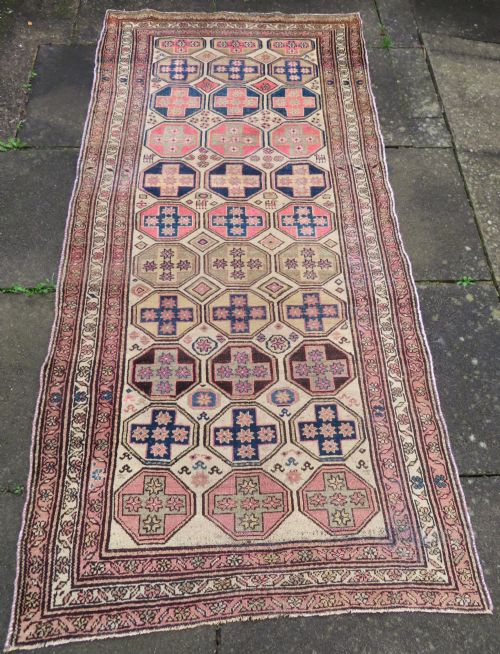
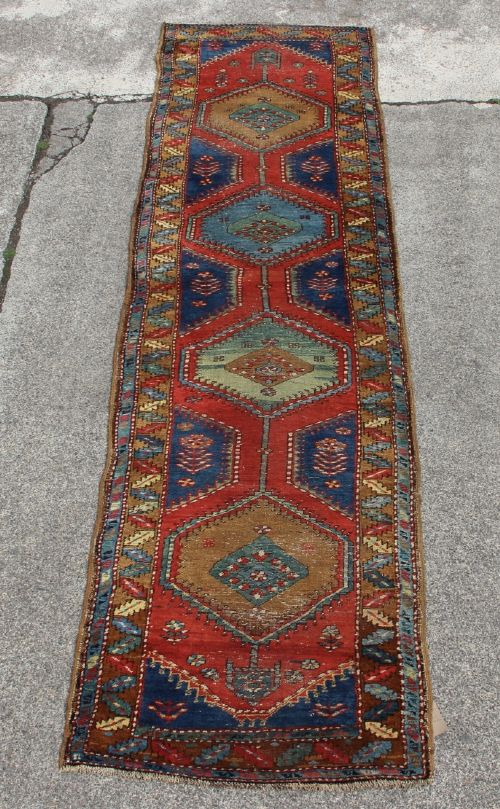
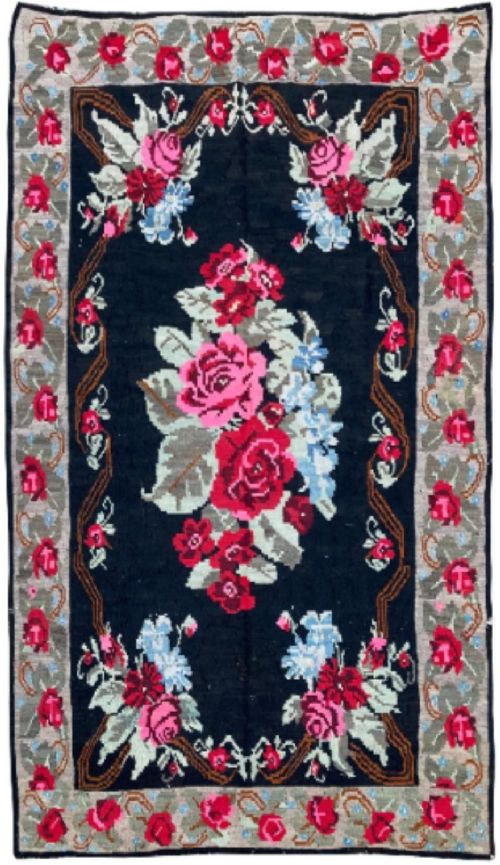
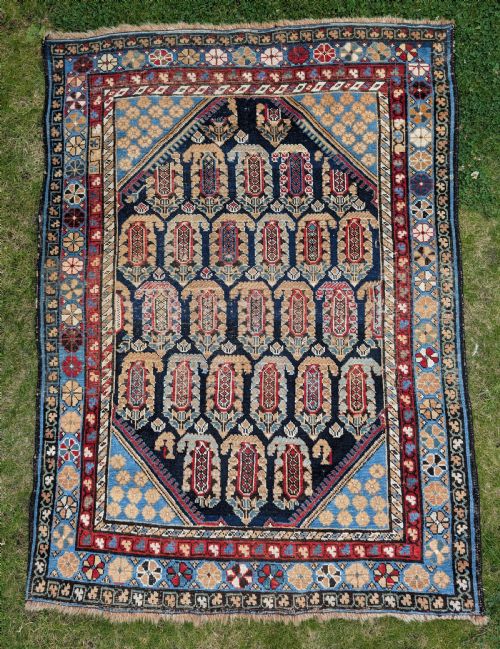
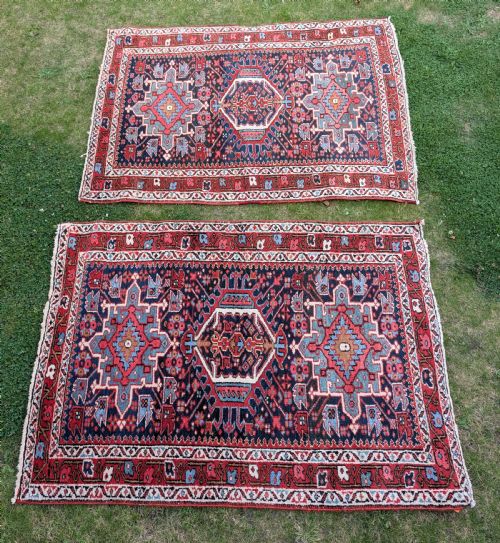
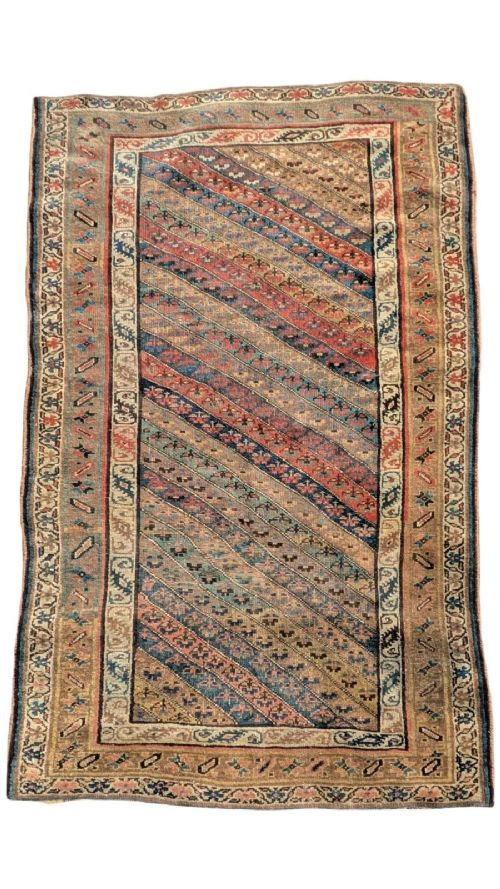
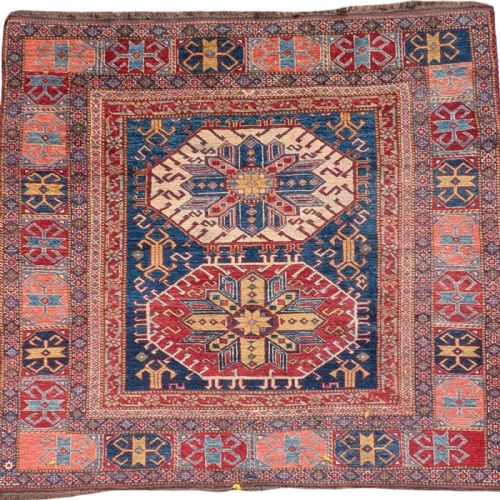
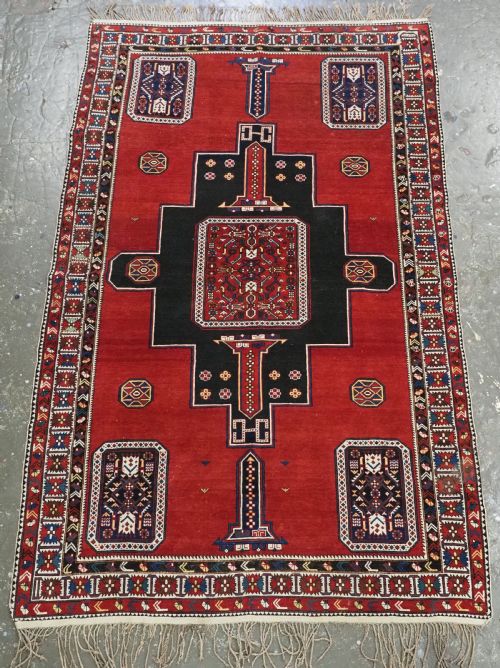
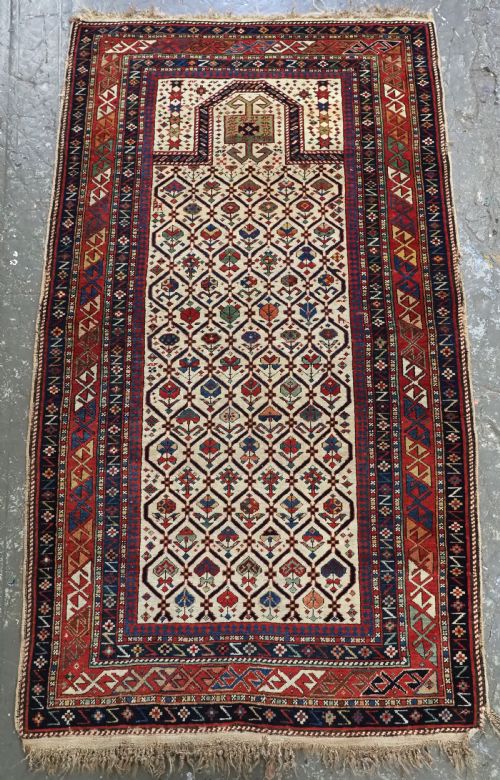
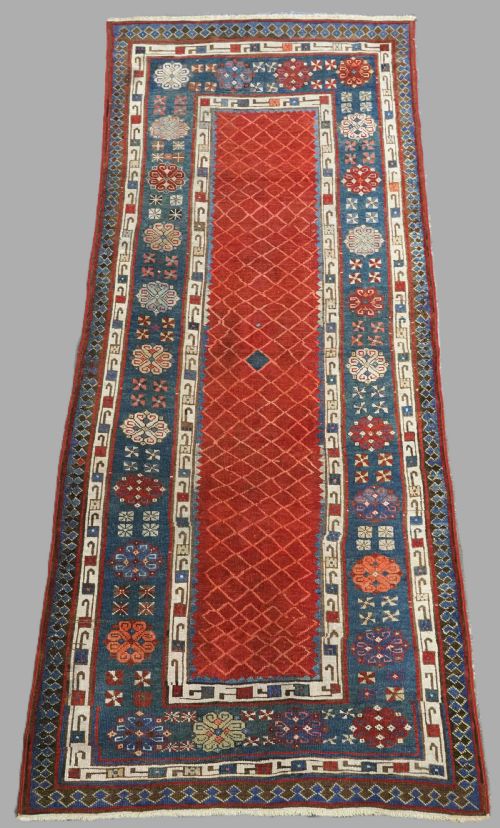
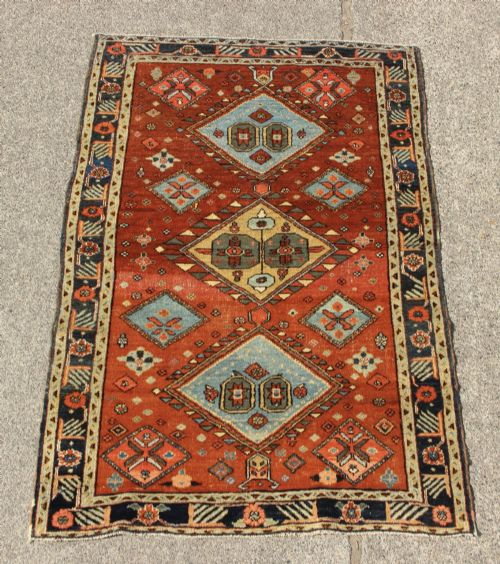
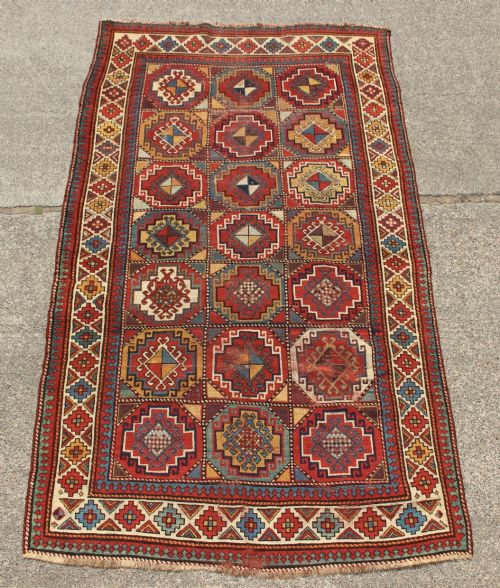
When searching for a vintage caucasian wool rug, collectors encounter tribal carpets, runner rugs, and village weaves originating from the Caucasus region. These floor coverings span production dates from the mid-nineteenth century through the early decades of the twentieth century, capturing distinct regional designs.
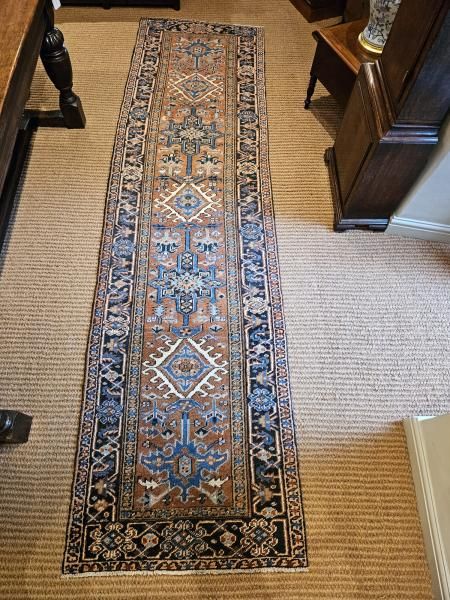
The assortment on this page most frequently presents traditional formats such as Kazak, Daghestan, Shirvan, and Karabagh types. Buyers will find both compact scatter sizes and elongated runner rugs suited for corridors and high-traffic spaces.
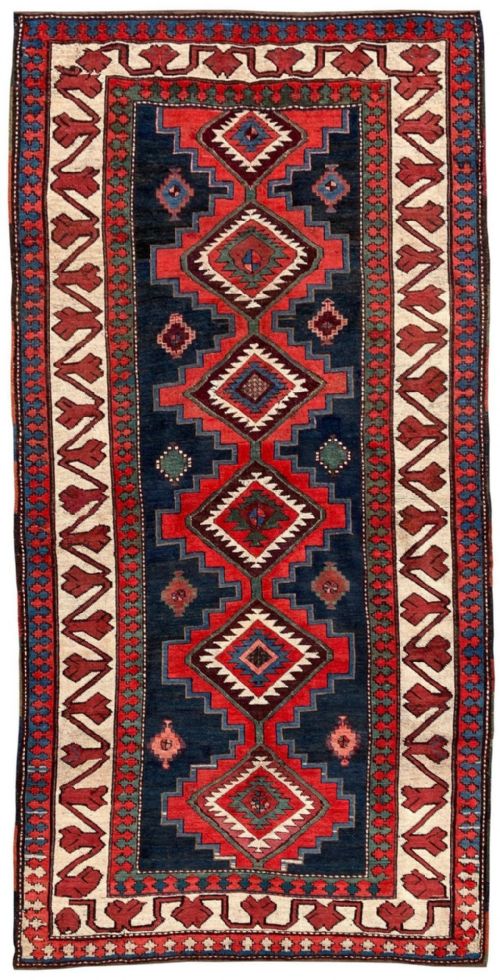
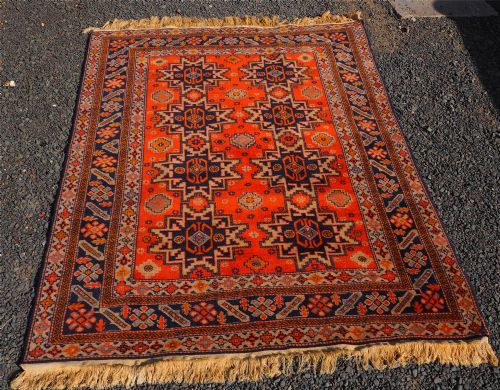
Geometrical medallions, cruciform patterns, animal motifs, and repetitive lattice grids dominate the visual language of these textiles. Each piece reflects the specific tribal heritage and local knotting traditions of the weavers who produced them.
Materials and Techniques
The construction of these floor coverings relies primarily on durable wool for both the pile and the foundation structure. Many examples incorporate hand-spun wool, lending an irregular texture and tactile depth to the surface pile.
Weavers utilised natural dyes derived from plants and minerals to achieve saturated hues that age gracefully over decades. Cotton also appears in the foundational warps and wefts of specific regional workshops and village productions.
Listings span production dates from the eighteen-fifties through the nineteen-thirties, showcasing wool, cotton, and natural dye usage.
Distinctions in Quality
Quality in these woven textiles rests on the tightness of the knotting density and the crispness of the geometric drawing. Finer examples display precise execution of intricate lattice frameworks and well-defined medallion profiles.
The vibrancy and complexity of the natural dye palette contribute significantly to the standing of a piece. Superior textiles retain glowing colour variation across the abrashe fields, demonstrating skilled dyeing practices.
The Vintage Caucasian Wool Rug Glossary
- Kazak
- A type of rug woven in the southern Caucasus known for bold geometric designs and primary colour palettes. These pieces typically feature large medallions and substantial wool pile.
- Sumak
- A flat-weaving technique that wraps the weft threads around the warp to create a durable structure without a cut pile. Dragon sumaks are particularly sought after for their complex mythological imagery.
- Prayer rug
- A small floor covering featuring a mihrab or arch design indicating the direction of prayer. Daghestan and Fachralo examples frequently display this characteristic format.
- Abrashe
- Variations in shade and colour within a single field of wool, caused by variations in dye batches or hand-spun yarn. This phenomenon adds visual movement to older village carpets.
- Runner
- An elongated narrow format designed specifically for hallways and corridors. These pieces balance repeated border guards with central medallion columns.
Vintage Caucasian Wool Rug: Frequently Asked Questions
How do I clean my rug?
Maintenance requires gentle vacuuming without a rotating brush bar to protect the wool pile and foundational structure. Professional specialist cleaning remains essential for addressing deep soil and preserving natural dyes.
Water exposure should be managed carefully to prevent dye migration or wool distortion. Regular rotation ensures even wear across high-traffic floor areas.
Where were these pieces made?
Production centres span the historical Caucasus region, encompassing areas such as Daghestan, Shirvan, Karabagh, and Kuba. Nomadic and village weavers produced these textiles using local materials and tribal patterns passed down through generations.
Each specific valley and settlement developed distinct design vocabularies and colour preferences. This regional diversity allows experienced collectors to attribute pieces to particular local groups.
Are these rugs durable enough for daily use?
The resilient nature of hand-spun wool and sturdy knotting makes these textiles well-suited for everyday residential environments. Placing a quality underlay beneath the carpet prevents slippage and reduces friction against hard flooring.
Heavily trafficked corridors benefit from runner formats, while smaller scatter rugs perform admirably in low-impact spaces. Proper placement ensures generations of continued enjoyment.
How do I identify a Kazak rug?
Kazak weaves typically showcase large geometric medallions, hooked polygons, and strong primary colours like red, blue, and yellow. The wool pile is generally longer and denser than that found in fine Persian city workshops.
These pieces originate from the western region of the Caucasus. Their bold, uncrowded compositions set them apart from more intricate floral village designs.