
Vintage Carved Wood Animal
These vintage carved wood animal pieces bring character to a room through the skill of nineteenth and early twentieth-century makers.
Vintage Carved Wood Animal
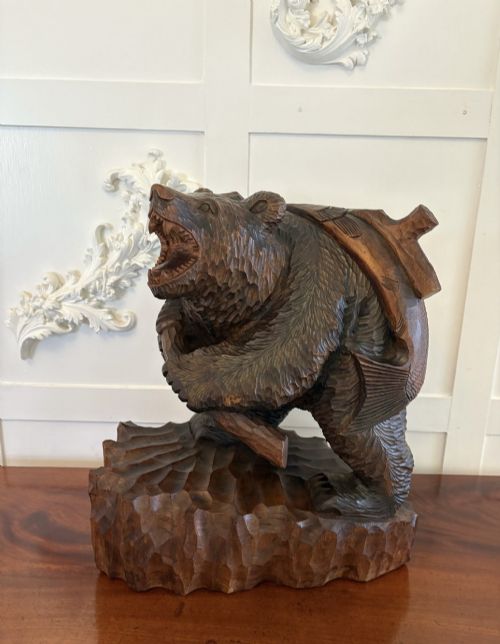
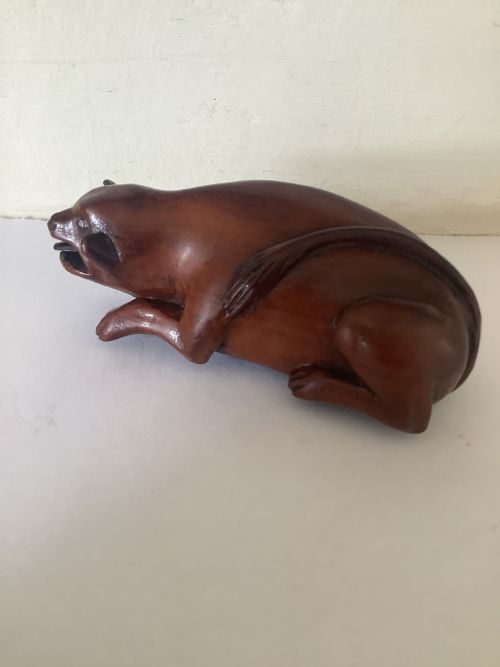
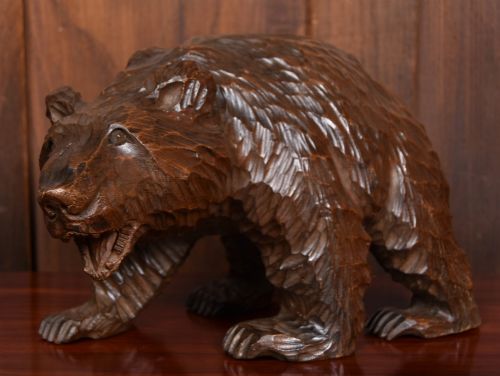
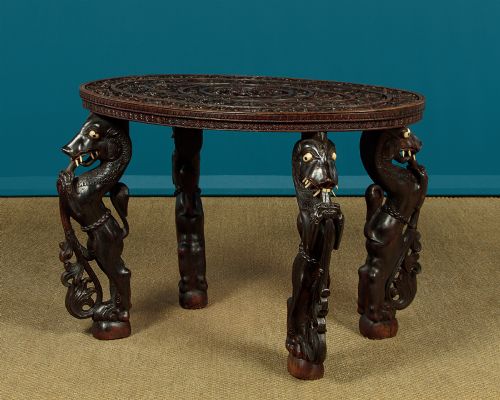
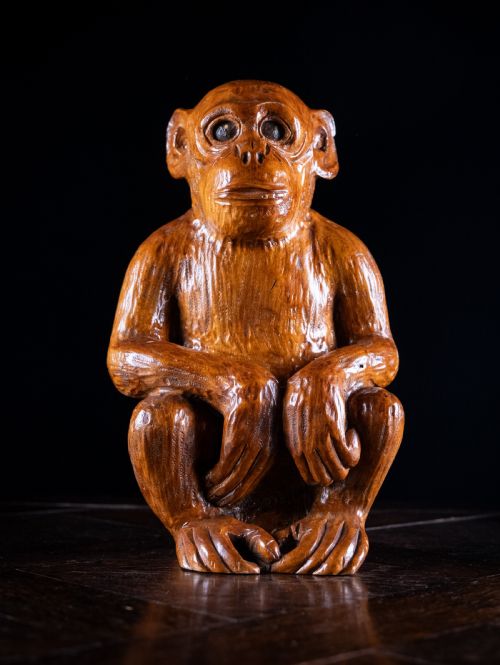
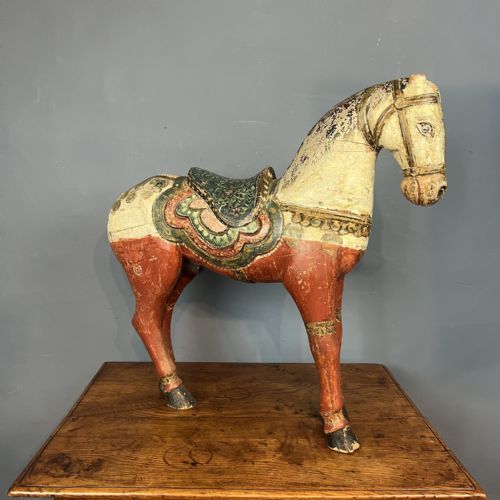
A vintage carved wood animal selection brings together sculptures, bookends, and functional objects shaped as creatures from bears and elephants to owls and lions. These forms emerge from traditions spanning European Black Forest workshops, Japanese folk art, and Anglo-Indian production.
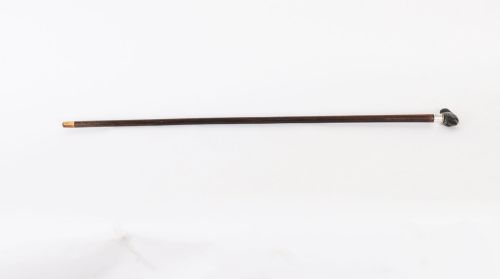
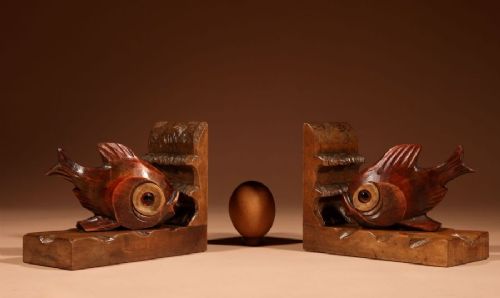
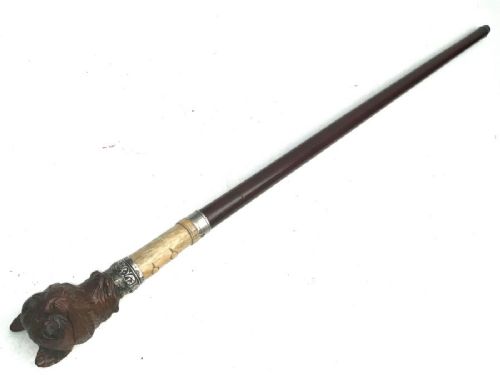
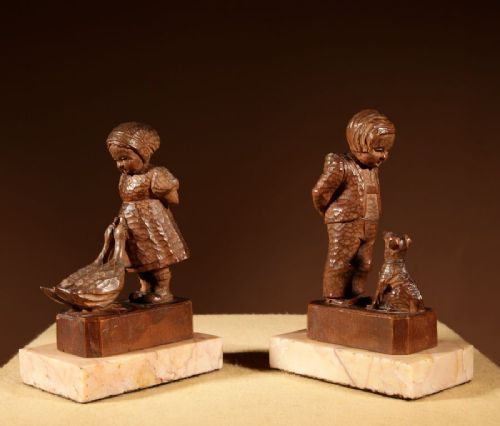
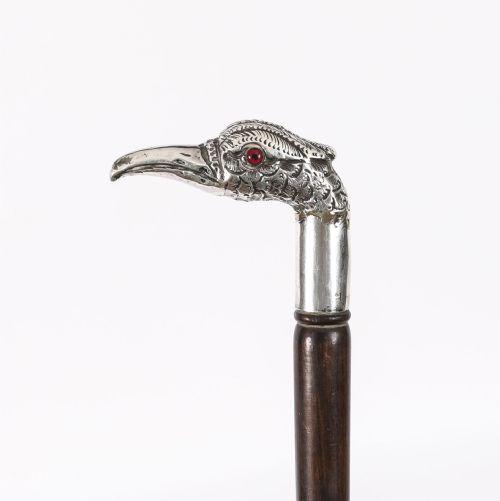
The objects span the nineteenth century through the Art Deco period of the nineteen-twenties and thirties, appearing as free-standing statues, walking cane handles, and pairs of bookends. Buyers meet domestic animals, woodland wildlife, and exotic species carved with varying degrees of realism and naive charm.
How they were made
Makers employed hand chisels and gouges to shape the timber, following regional stylistic conventions from Alpine folk carving to Japanese Kibori Kuma techniques. Surfaces were finished through smoothing, polishing, or painting to highlight the natural grain and form of the wood.
What varies in quality
Quality rests in the anatomical accuracy and expression achieved by the carver, distinguishing lively, convincing postures from stiff or static forms. Proportions, depth of relief, and the handling of fur or muscle detail separate superior studio output from simpler naive work.
The integrity of the timber and the preservation of original surfaces dictate the condition of a piece. Finer examples retain crisp tool marks and original finishes without intrusive later alterations.
Eugene Emile Borga
The Vintage Carved Wood Animal Glossary
- Black Forest
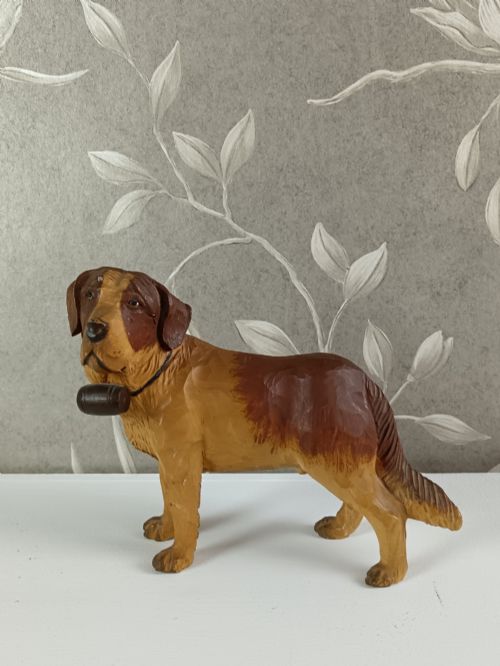
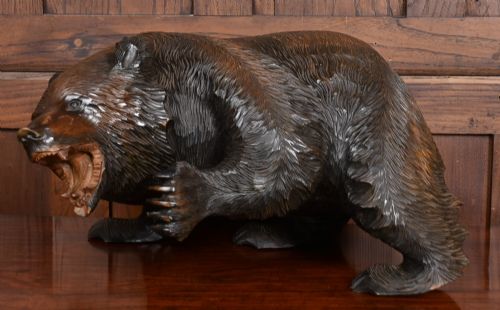
- A nineteenth-century carving style originating from the Swiss and German border region, renowned for realistic depictions of bears, owls, and dogs. These pieces often take the form of bookends, furniture, or desktop accessories.
- Kibori Kuma
- A traditional Japanese wood-carved bear originating from Hokkaido, typically shown carrying a salmon in its mouth. These pieces represent a distinct regional folk art tradition.
- Raj Period
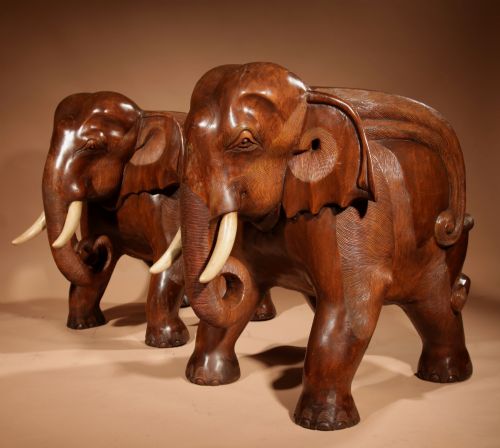
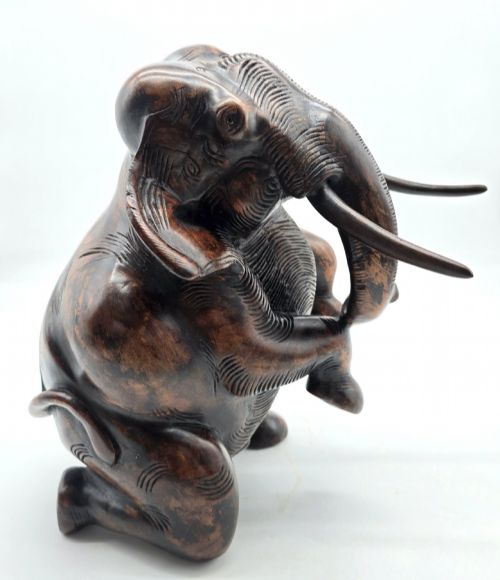
- Designating items produced during the British rule in India, frequently featuring intricately carved teak elephants and figures. These works showcase dense tropical hardwoods.
- Naïve
- A descriptor for folk art carved with charming simplicity rather than strict anatomical precision. Such pieces rely on direct expression rather than academic training.
- Bookends
- Functional sculptural supports designed to hold volumes upright, frequently produced in matching pairs depicting animals. Makers utilised the weight of dense woods to provide stability.
Vintage Carved Wood Animal: Frequently Asked Questions
What animals appear most often?
Bears, elephants, owls, and dogs dominate the available forms, reflecting popular nineteenth and early twentieth-century decorative tastes.
European workshops favoured bears and dogs, while Anglo-Indian carvers specialised in elephants.
How do I date these carvings?
Stylistic markers such as Art Deco geometric lines or Victorian naturalism provide initial chronological boundaries.
Materials, tool marks, and regional production periods help narrow the date of manufacture.
Where were Black Forest carvings made?
These pieces originated in the mountainous regions of central Europe, particularly Switzerland and Germany.
Local woodcarvers produced domestic items and decorative sculptures for the tourist and export markets.