



Dark Brown Wooden Horse
A dark brown wooden horse brings warmth and character to a room, ranging from folk art carvings to Georgian oil paintings.
Dark Brown Wooden Horse
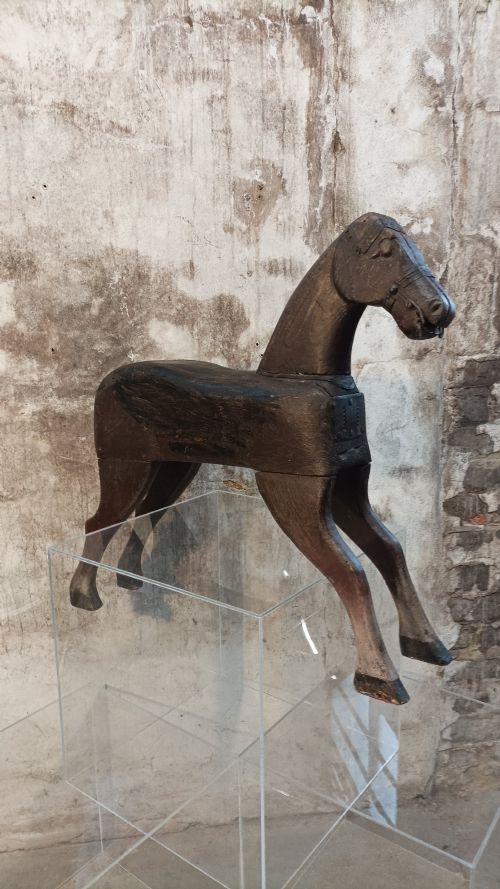
A dark brown wooden horse encompasses carved sculptures, decorative figures, and painted panels found across multiple periods. The selection on this page ranges from nineteenth-century folk art and carved models to eighteenth-century paintings.
Buyers encounter diverse regional forms, including Scandinavian mangle boards, Russian carvings, and East Asian pieces. Mahogany, oak, pine, and hardwood provide the primary dark brown tones seen in these objects.
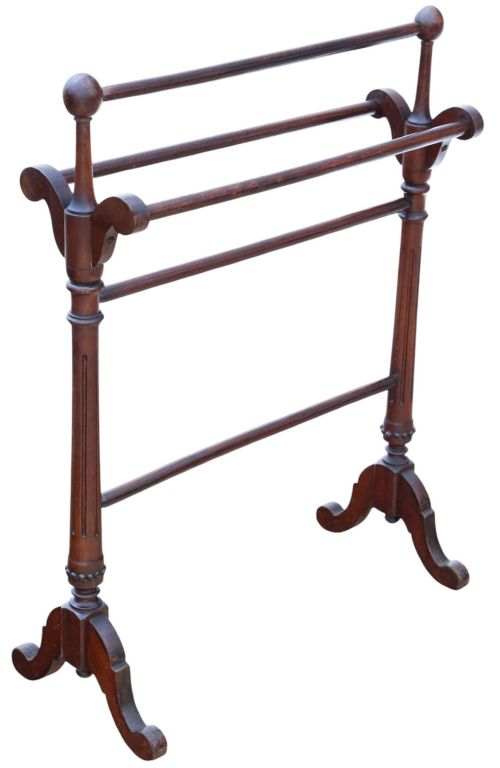
Many items serve utilitarian or decorative purposes beyond simple figures, such as towel rail stands featuring horse motifs or carved gingerbread moulds depicting horsemen.
Materials and construction
Artisans fashioned these pieces from solid hardwoods like mahogany, oak, and pine, often enhancing the deep brown colour with natural grain finishing. Carved details emerge from hand tools applied to dense timber blocks.
Some objects incorporate painted surfaces using oil paint on wood panels, while others feature intricate satinwood inlay work. Joinery techniques reflect the period of origin, from nineteenth-century workshop standards to earlier folk traditions.
Dark Brown Wooden Horse Retail Price Guide 2026
Typical asking prices for dark brown wooden horse among the pieces listed under this phrase on Sellingantiques today, from the lower quarter to the upper quarter. They describe what is for sale here now, not the wider market.
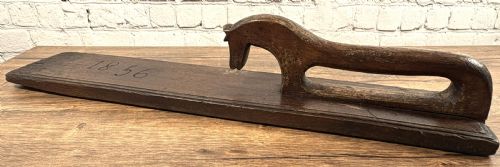
A nineteenth-century baker once pressed dough beneath a heavy wooden board featuring a man riding a horse.
Assessing quality and craftsmanship
Quality rests in the precision of the carving and the anatomical proportion of the horse, distinguishing naive folk pieces from formal studio models. Fine detail in the musculature and mane separates superior sculptures from simpler production.
The choice and preservation of timber dictate the lasting visual appeal, with rich mahogany and dense hardwoods retaining sharper edges and deeper patination over time.
William Williams
The Dark Brown Wooden Horse Glossary
- Folk Art
- Objects created by self-taught or traditional artisans outside academic traditions. These pieces often display charmingly naive proportions and local cultural motifs.
- Mangle Board
- A domestic board used historically in Scandinavia for smoothing linen, frequently finished with an elaborate carved handle in the shape of a horse head.
- Oil Paint
- Pigment suspended in a drying oil, applied to wooden panels or canvas. This medium creates rich, durable surfaces that darken gracefully with age.
- Inlay
- A decorative technique where contrasting materials like satinwood are inserted into recesses within a primary wood base. This adds geometric or pictorial detail to furniture and stands.
Dark Brown Wooden Horse: Frequently Asked Questions
What is a wooden horse sculpture used for?
These pieces function primarily as decorative objects or sculptural studies. Historically, some items like mangle boards or towel rails combined practical domestic utility with carved animal motifs.
Today, collectors display them on mantelpieces, bookshelves, or side tables to introduce rustic texture and historical character into interior spaces.
How do I date a wooden horse?
Dating relies on examining tool marks, timber selection, and regional carving styles. Nineteenth-century pieces often show specific hand-chisel techniques and patination consistent with age.
Comparing the object to documented folk art traditions or signed works helps narrow the decade of creation.
Are these pieces made from solid wood?
The listings show items carved from solid timbers such as mahogany, oak, pine, and various hardwoods. Solid construction allows for deep relief carving and natural grain ageing.
Some furniture items incorporate inlay work using contrasting woods like satinwood to highlight structural panels.
How should I care for antique wood?
Maintain stable room humidity and keep wooden objects away from direct heat sources to prevent timber splitting. Dust gently with a dry, soft cloth rather than using modern chemical polishes.
Allow the natural wax or oil finish to age without heavy intervention, preserving the depth of the dark brown colour.