


Vintage Carved Timber Glass
These vintage carved timber glass pieces bring substantial wooden craftsmanship and reflective or glazed surfaces into domestic spaces.
Vintage Carved Timber Glass
When you search for vintage carved timber glass, you encounter a diverse collection of functional furnishings defined by wooden frames and enclosures paired with glass elements. The selection relies heavily on mirrors, barometers, display cabinets, and occasional tables originating from the nineteenth and early twentieth centuries.
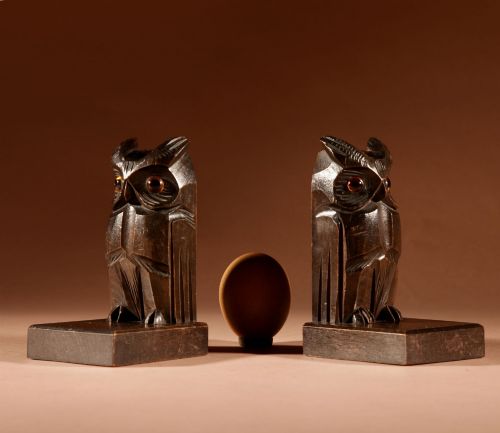
Wall mirrors and overmantels dominate the current offerings, alongside specialised items like Black Forest bookends and dressing mirrors. These pieces span multiple regional aesthetics, including English country house items, French provincial painted works, and intricate Italian giltwood productions.
The objects serve practical domestic roles while displaying sculptural woodwork. Buyers find everything from compact oak dressing mirrors to large giltwood and painted display furniture.
Materials and construction methods
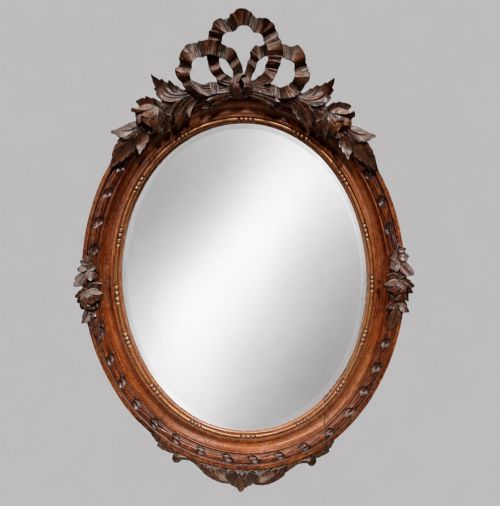
Makers utilised a variety of timbers including walnut, oak, mahogany, limewood, padouk, and general hardwoods to form the structural foundations. Skilled artisans shaped these materials through hand carving, producing detailed reliefs, floral motifs, and animal figures characteristic of styles such as Black Forest and Rococo.
Reflective plates, ceramic dials, and glass tabletops were integrated into the timber frames using traditional joinery and mounting techniques. Giltwood pieces received layers of gold leaf applied over gesso preparations, while others were finished with paint, faux bamboo effects, or polished varnish.
Listings feature items from the eighteenth, nineteenth, and early twentieth centuries, spanning Victorian, Edwardian, and Regency periods.
Assessing quality in carved wooden furnishings
Quality rests upon the depth, crispness, and complexity of the hand carving executed on the timber. Superior examples exhibit undercut foliage, sharp anatomical details in animal figures, and well-proportioned architectural framing rather than shallow or mechanical stamping.
The integrity of the materials also dictates the standard of the piece, visible in the choice of dense hardwoods, the preservation of original mirror plates, and the subtlety of period paint finishes or gilt application.
Negretti and Zambra·Hennes France
The Vintage Carved Timber Glass Glossary
- Overmantel mirror
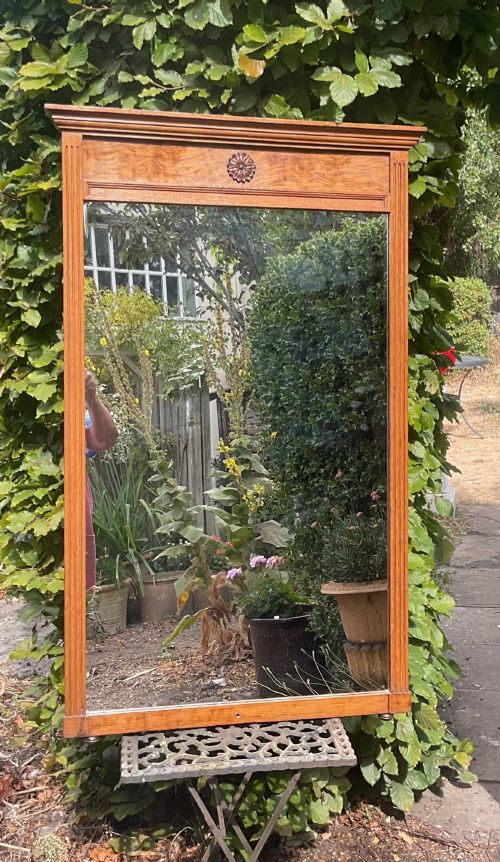
- A large mirror specifically designed to hang above a fireplace mantelpiece. These pieces often feature extended horizontal proportions and elaborate carved wooden frames.
- Barometer
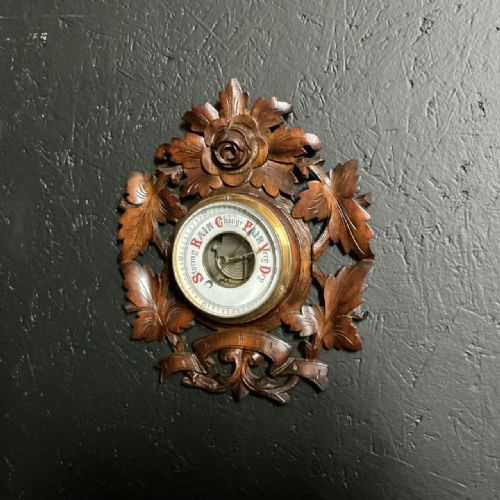
- An instrument used for measuring atmospheric pressure to forecast weather. Antique versions frequently house aneroid or stick mechanisms within carved wooden or ceramic dial housings.
- Giltwood
- Wood that has been coated with a thin layer of gold leaf or gold paint. This finish appears frequently on ornate nineteenth-century frames.
- Vitrine
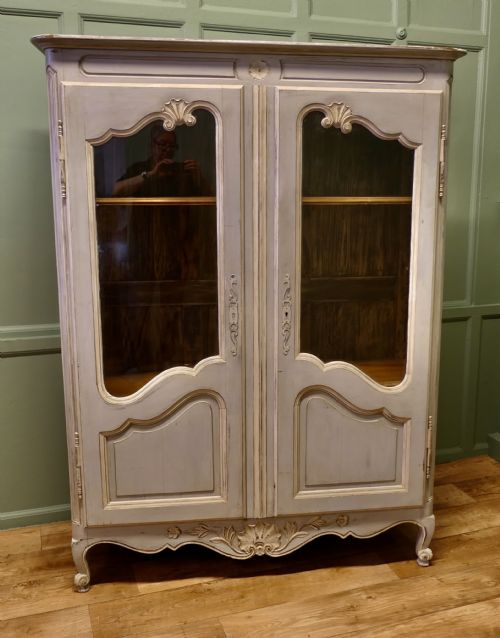
- A glass-fronted cabinet used for displaying fine objects or books. They often incorporate glazed double doors and carved timber structures.
- Cheval mirror
- A freestanding full-length mirror suspended in a swivelling frame between four vertical posts. These large items allow the glass to tilt at various angles.
Vintage Carved Timber Glass: Frequently Asked Questions
What are vintage carved timber glass pieces used for?
These items serve both decorative and practical functions within interior spaces. Mirrors bounce light around a room while barometers track weather patterns.
Cabinets and tables provide surface space and storage, combining utility with detailed wooden craftsmanship.
How do I identify a Black Forest style piece?
Black Forest pieces are characterised by realistic hand carvings of animals and natural foliage. Owls, bears, and climbing vines frequently decorate barometers and bookends from this tradition.
The timber used is typically walnut or limewood, displaying deep, rustic relief work.
Where should I place an overmantel mirror?
These large mirrors are traditionally hung directly above a fireplace mantelpiece to anchor a room's focal point. Their wide proportions suit expansive wall spaces.
They also function effectively on main living room walls to increase perceived space and reflect light.
How do I care for antique glass and wood?
Maintain the timber by dusting regularly and applying appropriate wax polish sparingly to preserve the finish. Avoid placing wooden items in direct sunlight or near heat sources.
Clean mirror glass and display panels gently using a soft cloth and mild glass cleaner, keeping moisture away from the wooden frames.