
Vintage Carved Oak Seat
A vintage carved oak seat brings robust grain and historic joinery into a room, offering both practical utility and enduring presence.
Vintage Carved Oak Seat
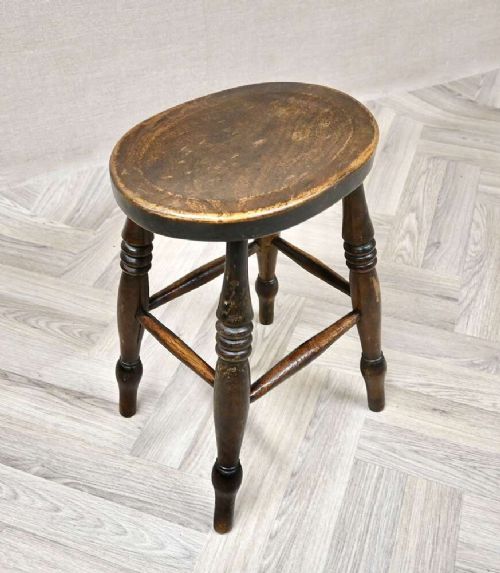
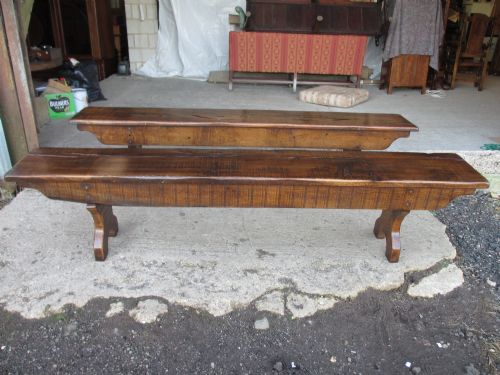
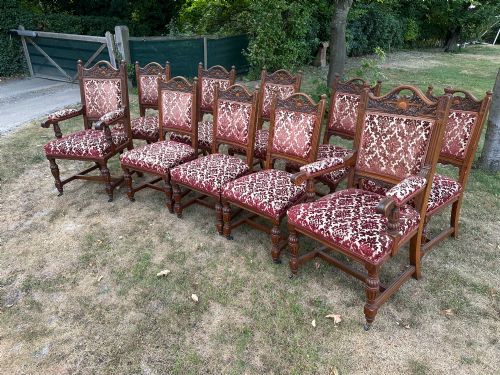
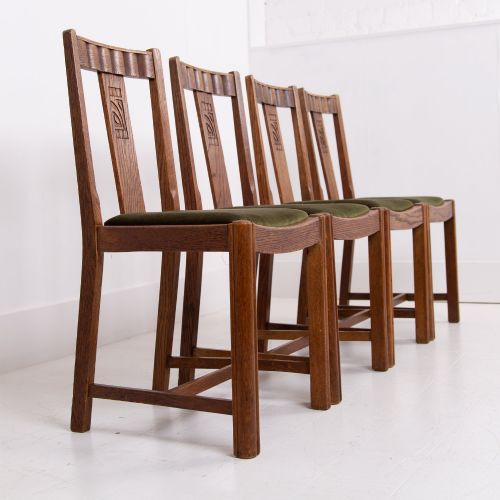
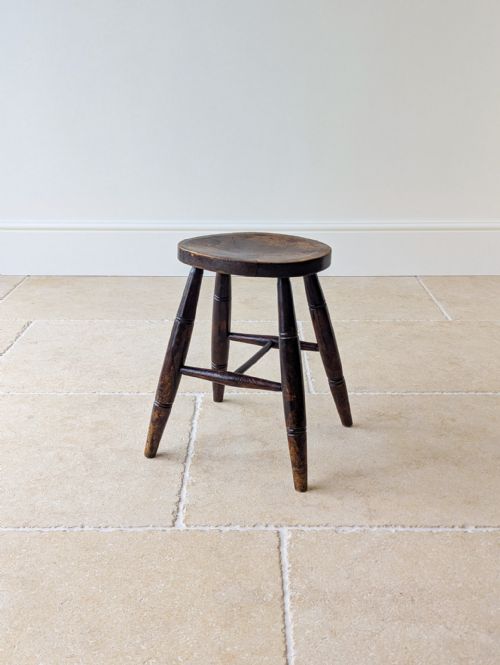
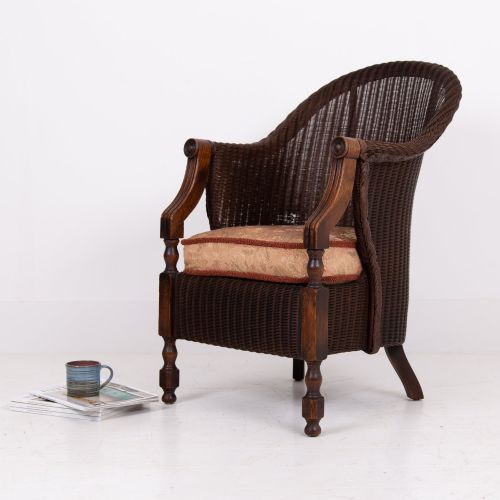
When you search for a vintage carved oak seat, you encounter a diverse array of domestic furniture spanning from the nineteenth century into the twentieth century. These pieces range from sturdy country stools and dining chairs to elaborate hall benches, settles, and armchairs.
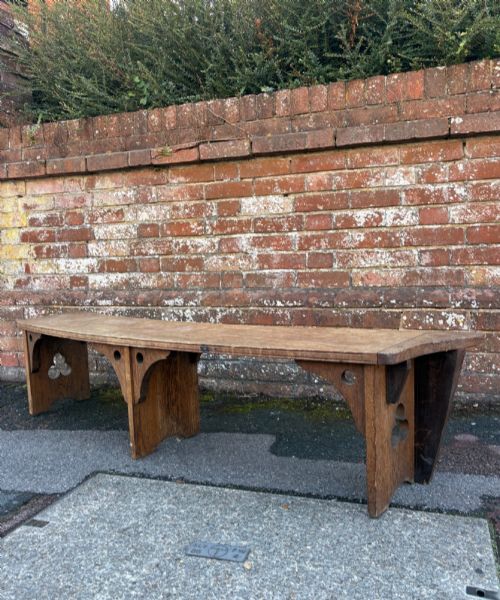
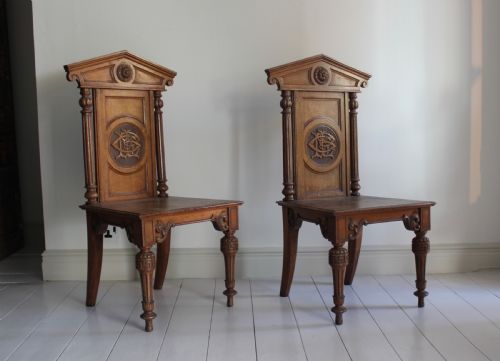
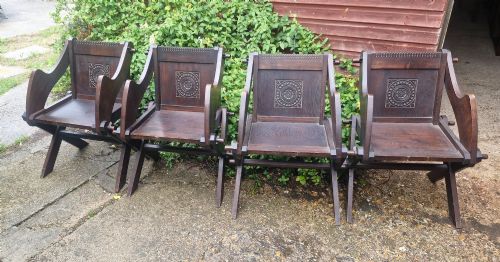
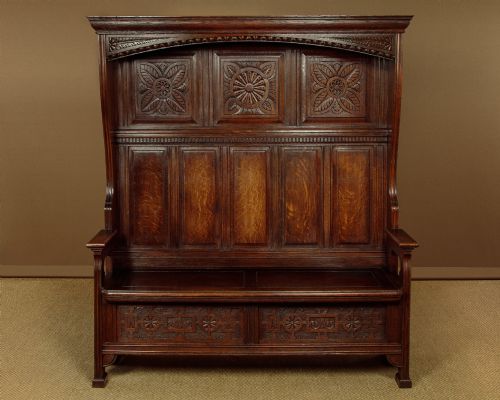
The version you are most likely to meet on this page is an Edwardian or Victorian execution, often displaying revivalist motifs such as Jacobean strapwork or Gothic trefoils. These forms served practical purposes in hallways, dining rooms, and parlours, combining heavy timber construction with decorative hand-carving.
Materials and construction methods
Solid oak forms the structural backbone of these pieces, selected for its density and pronounced medullary rays. Makers supplemented this primary timber with secondary woods such as elm, beech, and cane where flexibility or lighter weight was required.
Joinery relied on traditional mortise and tenon joints, secured with wooden dowels rather than modern adhesives. Carving was executed by hand using gouges and chisels to apply strapwork, linenfold, or geometric panels directly to the solid wood.
Listings span from the eighteenth century to the 1930s, incorporating oak, elm, beech, and cane across diverse domestic forms.
Judging the quality of carved oak seating
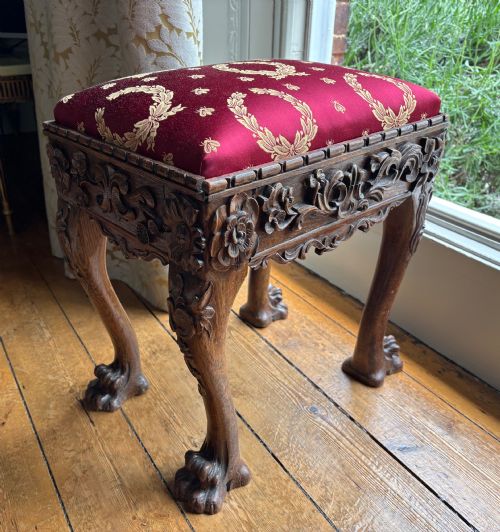
The distinction between ordinary and superior pieces rests upon the depth and crispness of the hand-carving. Sharp undercutting and confident relief work demonstrate a carver's skill, whereas shallow, machine-routed patterns indicate mass production.
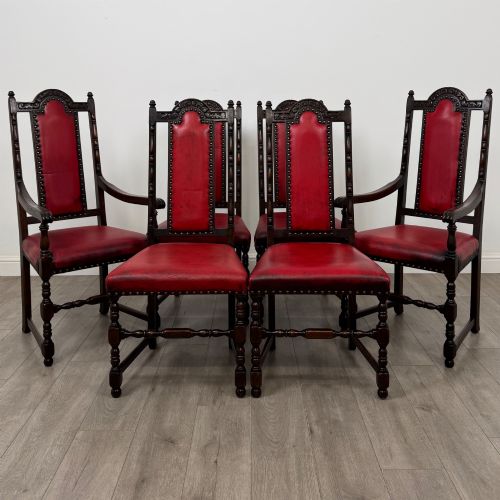
Structural integrity also separates examples, visible in the tightness of the joinery and the selection of quarter-sawn oak boards that resist warping. Original upholstery materials, such as studded leather or woven cane, add substantial merit when preserved intact.
Pugin
The Vintage Carved Oak Seat Glossary
- Bergere
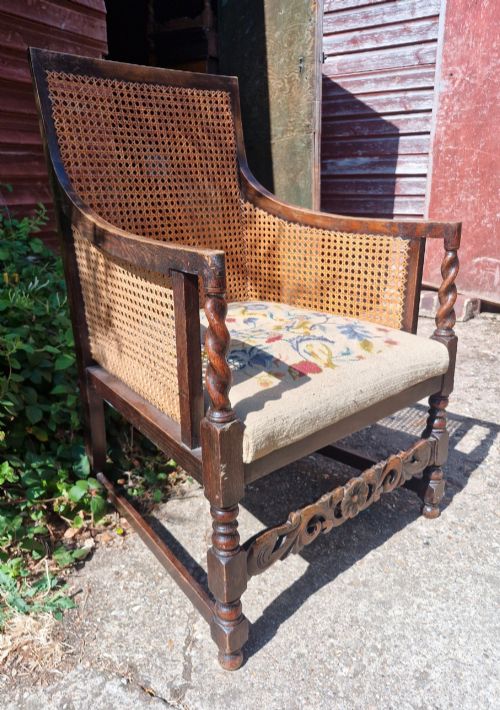
- An upholstered armchair with an enclosed wooden frame, often featuring woven cane panels on the back and sides. This style gained popularity during revival periods.
- Settle
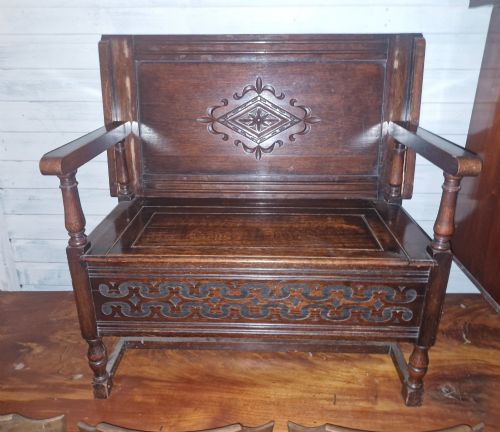
- A wooden bench with a high back designed to block draughts, frequently incorporating a box base or lift-up seat for storage. These pieces were traditionally placed near hearths.
- Jacobean Revival
- A nineteenth-century design movement mimicking seventeenth-century English furniture. It utilises turned legs, geometric mouldings, and heavy rectilinear proportions.
- Trefoil
- A graphic ornament composed of three overlapping rings or lobes resembling a clover leaf. Carvers frequently applied this shape to chair splats and bench supports.
Vintage Carved Oak Seat: Frequently Asked Questions
How do I identify a Victorian oak bench?
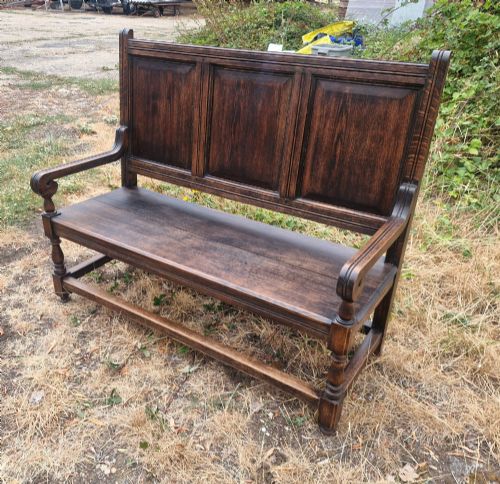
Victorian oak benches often display heavy proportions and deep relief carving influenced by Gothic or Jacobean revivals. Look for dark wax finishes and solid plank construction typical of the period.
Inspect the underside and joints for hand-cut marks and traditional peg fastenings. These construction details distinguish nineteenth-century examples from later twentieth-century reproductions.
Were oak hall seats used in bedrooms?
Oak hall seats were primarily designed for entranceways and corridors to provide a place for removing boots. Their lift-up lids and high backs served to store outdoor garments and block draughts.
While some smaller variants found their way into bedrooms or landings, their heavy construction suits public reception spaces. Their main function remained domestic organisation near the front door.
How should I care for vintage oak?
Maintain vintage oak by applying natural beeswax sparingly to nourish the dry timber. Avoid placing the seat near direct heat sources or strong sunlight, which causes the wood to split.
Dust the carved crevices regularly with a soft brush to prevent dirt accumulation. Proper humidity control in the room prevents the mortise and tenon joints from loosening over time.
What is a monks bench?
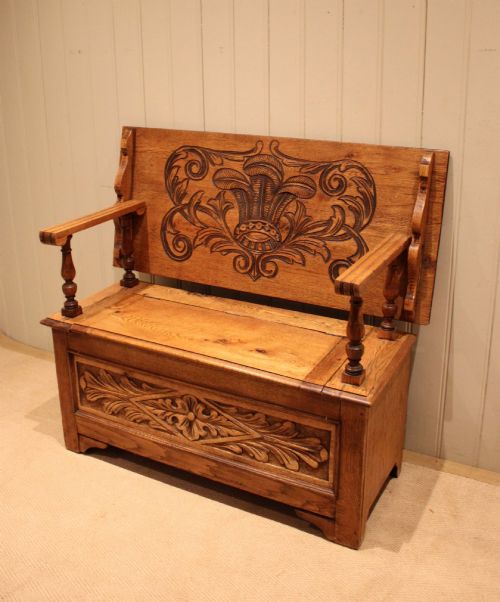
A monks bench is a multifunctional piece featuring a hinged back that folds down to transform the seat into a table. This clever design suited smaller historic homes requiring versatile furniture.
Most examples seen today date from the late nineteenth or early twentieth centuries during revival periods. They retain the heavy carved panels and box bases characteristic of earlier centuries.