





Victorian Oak Nursery Chair
A victorian oak nursery chair offers low-slung seating and sturdy construction, bringing genuine period character and compact proportions into modern homes.
Victorian Oak Nursery Chair
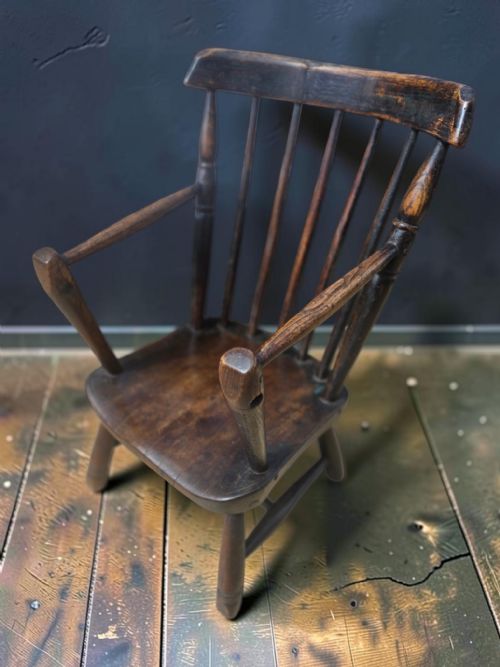
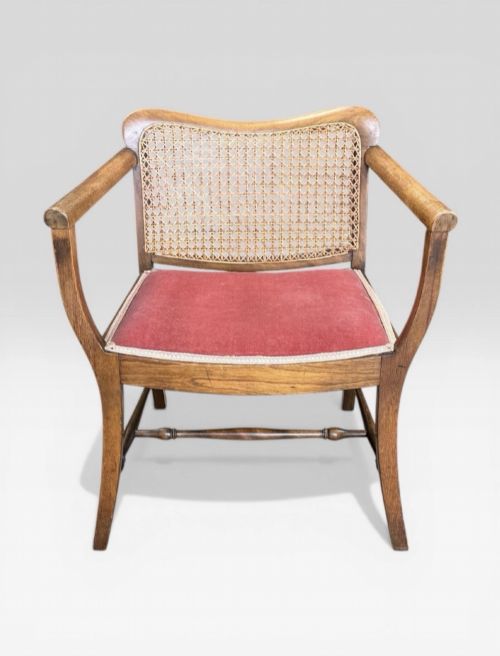
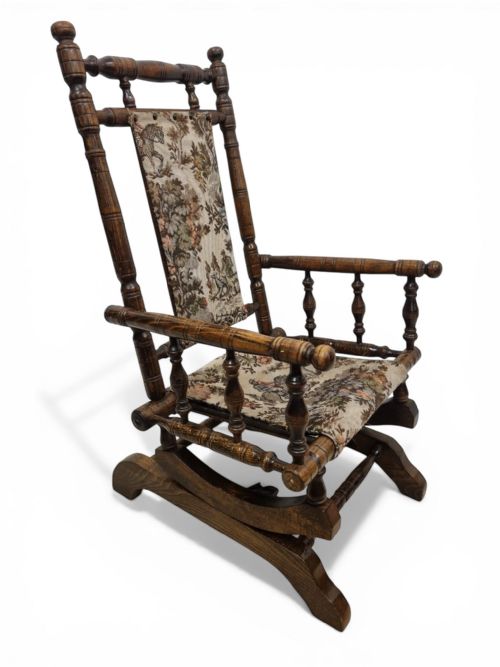
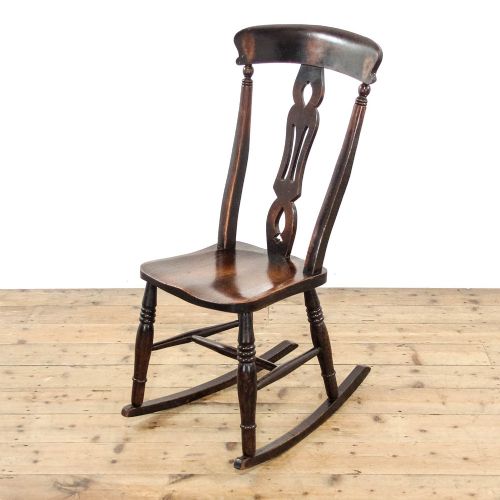
When you search for a victorian oak nursery chair, you encounter smaller-scale seating designed specifically for children or for comfort in domestic settings during the nineteenth century. These items span various forms including rocking chairs, armchairs, high chairs, and side chairs.
The pieces appearing on this page predominantly date from the nineteenth century and the Victorian era, alongside a few examples from later decades such as 1920 and 1930. Stylistic influences range from English country vernacular and Windsor traditions to Georgian style and occasional French Louis XVI details.
Makers and regional styles vary significantly, encompassing West Country and Caistor origins alongside known firms like James Shoolbred. Buyers frequently find combinations of oak with other traditional timbers and seating options like rush or cane.
How they were made
Construction relies heavily on solid wood frameworks, predominantly utilising oak combined with supporting timbers like elm, ash, and beech. Craftsmen shaped these materials using traditional joinery and turning techniques suited to robust domestic use.
Seating surfaces and back panels incorporate woven materials such as rush and cane, or upholstered finishes utilising tapestry and velvet. Moulded panelled seats and hoopbacks appear regularly across the regional Windsor and vernacular traditions.
Some chairs are sized just right for a favourite teddy bear.
What varies in quality
Quality in these chairs rests upon the integrity of the timber selection and the skill evident in the turning and joint construction. Pieces featuring denser grains of oak and well-preserved secondary woods display superior durability and craftsmanship.
The fineness of the original woven cane or rush, as well as the retention of period upholstery elements like tapestry and velvet, distinguishes the finer examples. Regional vernacular pieces show varying degrees of decorative carving and structural refinement.
James Shoolbred
The Victorian Oak Nursery Chair Glossary
- Vernacular
- Everyday objects made by regional craftsmen using local materials rather than following metropolitan high-style fashions. These pieces often display distinct local building traits.
- Windsor
- A chair style characterised by a solid wooden seat into which the legs and back spindles are separately bored and wedged. Hoopback versions feature a continuous bentwood bow for the upper frame.
- Bergere
- An enclosed armchair featuring woven cane panels on the back and sides. This technique provides a lighter visual weight while maintaining structural support.
- Rush
- Water plant material twisted into cords and used for traditional seat weaving. It creates a durable, textured surface common in country seating.
Victorian Oak Nursery Chair: Frequently Asked Questions
What defines a nursery chair?
A nursery chair is typically built with lower proportions to facilitate childcare tasks or to suit smaller occupants. They often incorporate rocking mechanisms or comfortable seating materials suited for domestic rooms.
Historically, these chairs served practical daily roles in family spaces, leading to sturdy construction methods using local timbers like oak and beech.
How do I identify a Victorian piece?
Nineteenth-century construction methods, specific wood patination, and traditional joinery point towards the Victorian period. Stylistic cues such as Windsor hoopbacks or regional vernacular turning also help determine the era.
Comparing the timber types, like oak frames paired with elm or ash spindles, offers further clues regarding the date of manufacture.
Can these chairs be used daily?
Most solid wood examples remain robust enough for regular use provided the joints are stable and secure. Consideration should be given to the condition of woven cane or upholstered surfaces before heavy seating.
Placing them in stable environmental conditions away from extreme heat protects the historical timbers and maintains the original structure.
What is regional vernacular furniture?
Regional vernacular furniture refers to items made outside major urban centres by local artisans using readily available materials. These pieces reflect specific geographic traditions rather than strict academic styles.
Such chairs often exhibit unique local turning patterns and construction quirks that reveal their specific district of origin.