
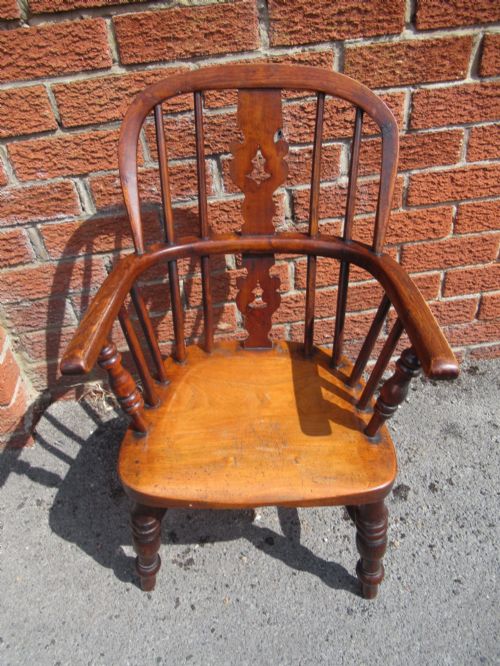


Pierced Splat Child Chair
A pierced splat child chair is a diminutive piece of seating scaled for the nursery, offering traditional craftsmanship in miniature form for collectors and interior decorators.
Pierced Splat Child Chair
A pierced splat child chair brings full-scale cabinetmaker design down to a miniature proportion, intended historically for the youngest members of prominent households. When exploring a pierced splat child chair today, buyers encounter diverse forms ranging from low open armchairs to high chairs and rocking variations.
The pieces appearing on this page span several centuries, drawing heavily upon Georgian and Victorian traditions as well as later revival interpretations. Timelines stretch from the mid-eighteenth century through the nineteenth century and into the early twentieth century, reflecting enduring domestic utility.
Makers adapted standard adult seating configurations into smaller formats, incorporating vernacular country styles alongside formal mahogany and oak constructions. Windsor frameworks and splat-back designs dominate the selection, offering sturdy seating supported by traditional spindle and hoop structures.
How they were made
Cabinetmakers and rural joiners utilised a mix of native hardwoods, selecting yew wood, elm, ash, oak, and mahogany for structural integrity and visual grain pattern. Turned spindles and steam-bent components formed the rigid framework required to withstand nursery use.
Upholstered variants integrated textiles such as tapestry, damask, and brass details, whilst traditional wooden seats relied on shaped solid timber panels. Joinery techniques combined mortise and tenon joints with wedged spindles to ensure lasting durability in miniature scale.
Listings feature periods spanning from the mid-eighteenth century to the twentieth century, alongside regional revival styles.
What varies in quality
Quality rests in the choice of timber and the precision of the turning work on legs, spindles, and arm supports. Richly figured yew wood or dense mahogany indicate a higher grade of manufacture compared to standard utility timbers.
Proportion and execution distinguish standard vernacular pieces from masterworks designed to mirror formal adult furniture. The integrity of the pierced splat and the survival of original surface patination determine the overall standing of an individual chair.
The Pierced Splat Child Chair Glossary
- Windsor chair
- A wooden seating form constructed with a solid shaped seat into which the legs and back spindles are directly inserted.
- Carver chair
- An open armchair, typically constructed in a lighter style, often used as a single decorative piece or matched with dining seating.
- High chair
- Elevated children's seating designed to raise a child to table height, frequently incorporating safety rails or accompanying tables.
Pierced Splat Child Chair: Frequently Asked Questions
How were these child chairs used?
These miniature seats served daily domestic roles in nurseries and dining rooms, providing children with appropriately scaled seating during family meals and lessons.
Over generations, many evolved from functional items into decorative display pieces or cherished family heirlooms preserved within domestic interiors.
Are these chairs safe for children?
While structurally robust, antique children's seating is generally approached by modern buyers as a decorative collectible or display object rather than for active daily use.
Original joinery and historic timbers require careful handling to preserve their structural integrity and surface finish against modern wear.
How do I identify a Georgian piece?
Georgian examples often display specific stylistic traits such as dense mahogany timber, elegant proportions, and refined pierced splat designs reflecting the cabinetmaking standards of the period.
Construction methods, tool marks, and wood ageing characteristics further assist collectors in distinguishing eighteenth-century work from later nineteenth-century revivals.
What woods were commonly used?
Makers favoured native timbers like yew wood, elm, ash, and oak for country vernacular Windsor chairs, while formal urban commissions utilised imported mahogany.
Combinations of woods within a single chair, such as an elm seat paired with yew spindles, are frequently encountered in country-made pieces.